Oxford nanopore sequencing as a useful tool for investigating the population dynamics of invasive begomoviruses in Sicily
Sofia Bertacca, Silvia Rotunno, Fulco Frascati, Emanuela Noris, Gian Paolo Accotto, Salvatore Davino, Laura Miozzi, Anna Maria Vaira

TL;DR
This study uses Oxford Nanopore sequencing to track changes in begomovirus populations in Sicilian tomato crops over time, revealing new recombinant variants.
Contribution
The study demonstrates the utility of ONT sequencing for monitoring begomovirus evolution and detecting emerging recombinant variants in agricultural settings.
Findings
Archived Sicilian samples were dominated by TYLCSV, while recent samples showed a shift to TYLCV-derived recombinants.
A new recombinant variant, TYLCV-IMS54, was identified with a unique genomic structure combining elements from multiple viruses.
ONT sequencing proved effective for tracking viral population dynamics and recombination events in begomoviruses.
Abstract
Tomato yellow leaf curl disease is a major viral disease severely affecting tomato crops in the Mediterranean region, leading to reduced crop yield and significant economic losses. The disease is caused by monopartite begomoviruses belonging to the Geminiviridae family, primarily tomato yellow leaf curl Sardinia virus (TYLCSV) and tomato yellow leaf curl virus (TYLCV), which often co-infect tomato plants, promoting the emergence of recombinant viral genomes. To investigate the diversity and evolutionary dynamics of these viruses, symptomatic plants collected from agricultural sites in Sicily between 2020 and 2022, along with archived plant samples from 1994 to 1999, were analysed. For each collection site, leaves from symptomatic plants were pooled to form representative samples. Total nucleic acids were extracted and subjected to rolling circle amplification to enrich circular viral…
Genes, proteins, chemicals, diseases, species, mutations and cell lines named across the full text — each resolved to its canonical identifier and authoritative record.
Click any figure to enlarge with its caption.
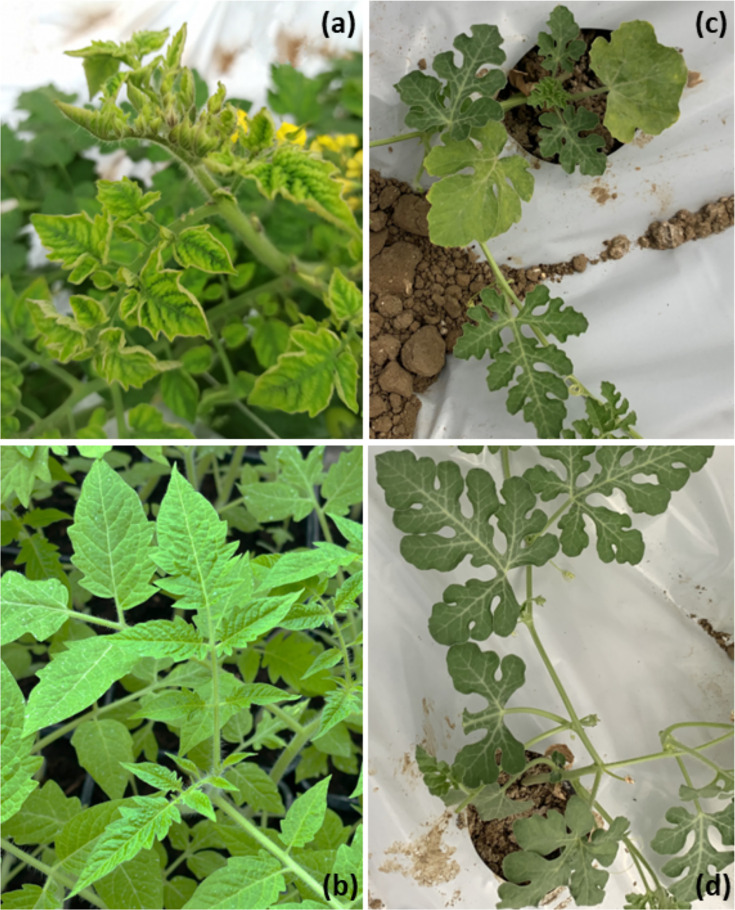 Figure 1
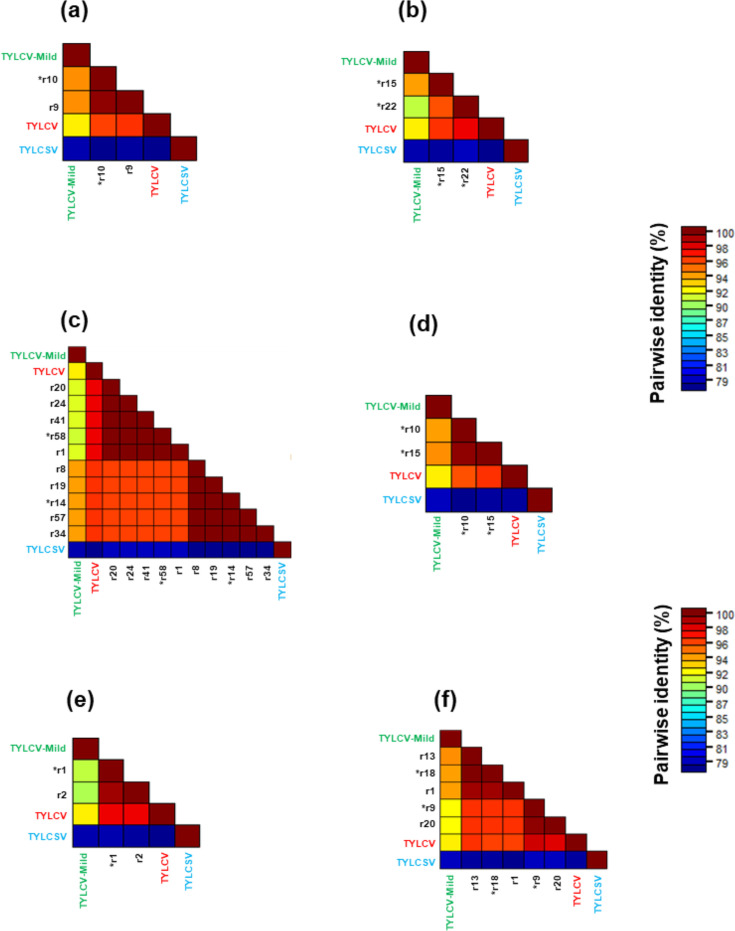 Figure 2
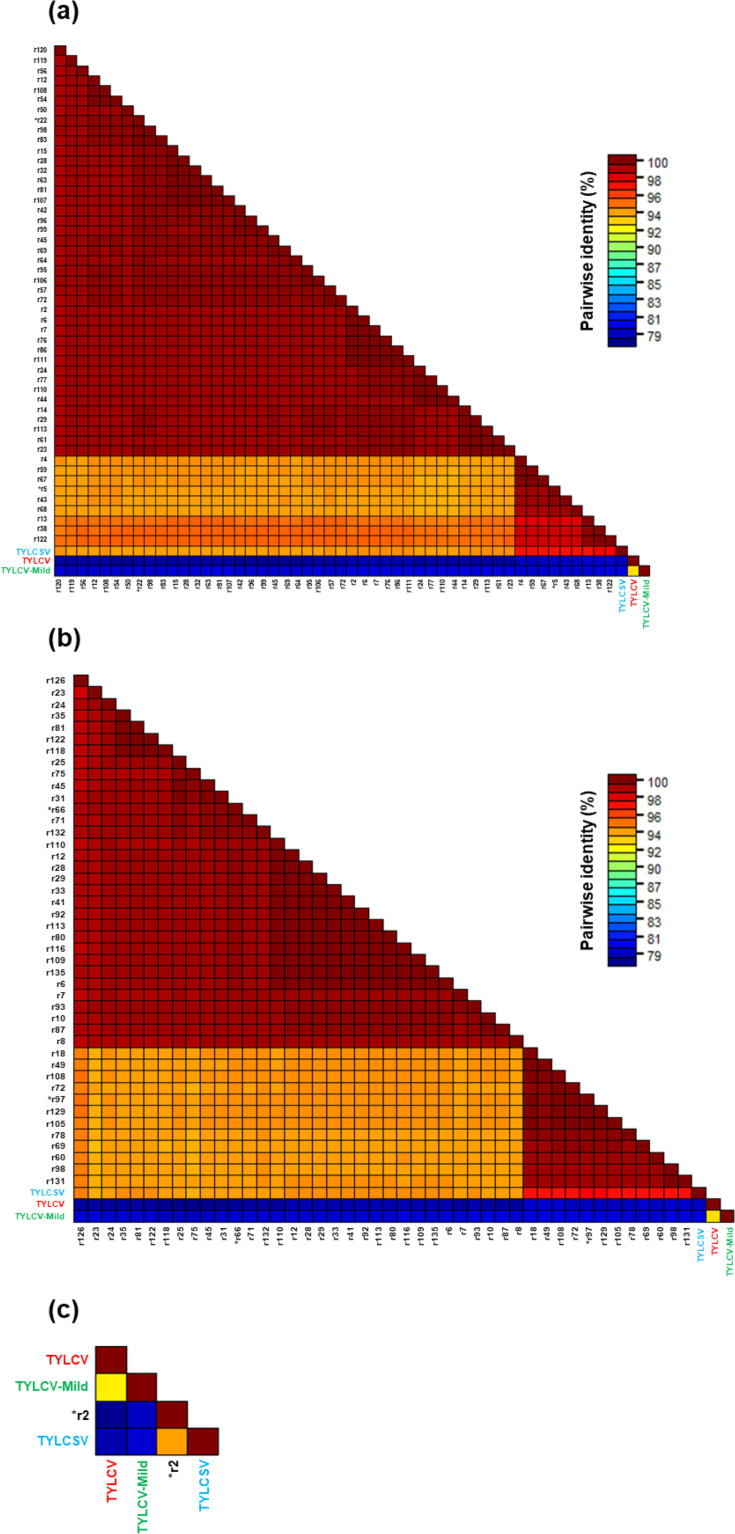 Figure 3
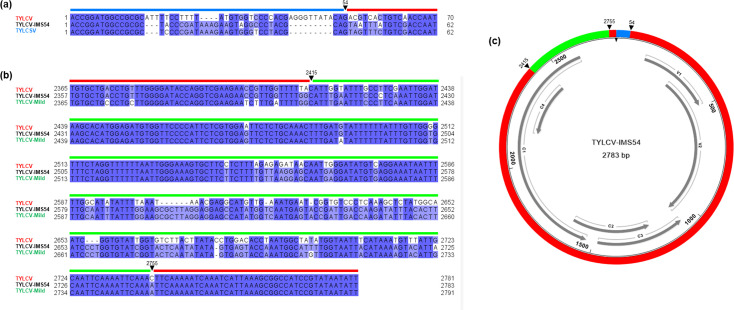 Figure 4
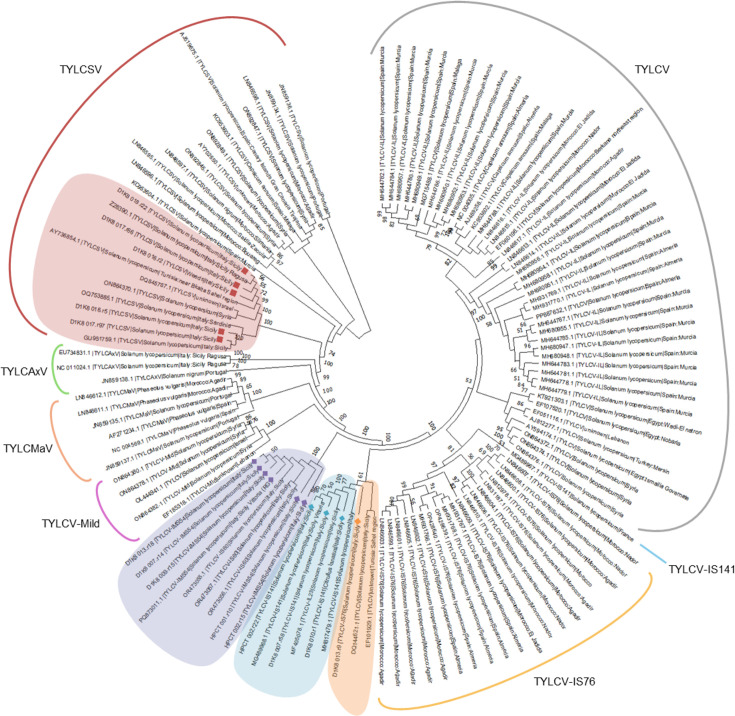 Figure 5
Peer Reviews
No public reviews on file for this paper yet. If you reviewed it on a platform where reviews are public (OpenReview, ICLR, NeurIPS, ICML), you can paste yours below so the community can read it here.
Videos
No videos yet. Explain this paper in a talk, walkthrough, or lecture? Add one.
Taxonomy
TopicsPlant Virus Research Studies · Phytoplasmas and Hemiptera pathogens · Plant Pathogenic Bacteria Studies