Deciphering Complex Interactions Between LTR Retrotransposons and Three Papaver Species Using LTR_Stream
Tun Xu, Stephen J Bush, Yizhuo Che, Huanhuan Zhao, Tingjie Wang, Peng Jia, Songbo Wang, Peisen Sun, Pengyu Zhang, Shenghan Gao, Yu Xu, Chengyao Wang, Ningxin Dang, Yong E Zhang, Xiaofei Yang, Kai Ye

TL;DR
This paper introduces LTR_Stream, a new tool for analyzing LTR retrotransposons in plants, revealing their complex interactions with the host genome in three Papaver species.
Contribution
The novel contribution is the development of LTR_Stream, which enables high-resolution clustering of LTR-RTs in non-model species.
Findings
Autonomous Retand elements spread among ancestors of different subgenomes, increasing genetic diversity.
Truncated LTR-RT fragments with transcription factor motifs may create new TAD-like boundaries.
Allopolyploidization reduced the impact of LTR-RTs, suggesting it helps Papaver species manage these elements.
Abstract
Long terminal repeat retrotransposons (LTR-RTs), a major type of class I transposable elements, are the most abundant repeat element in plants. The study of the interactions between LTR-RTs and the host genome relies on high-resolution characterization of LTR-RTs. However, for non-model species, this remains a challenge. To address this, we developed LTR_Stream for sublineage clustering of LTR-RTs in specific or closely related species, providing higher precision than current database-based lineage-level clustering. Using LTR_Stream, we analyzed Retand LTR-RTs in three Papaver species. Our findings show that high-resolution clustering reveals complex interactions between LTR-RTs and the host genome. For instance, we found that autonomous Retand elements could spread among the ancestors of different subgenomes, like retroviral pandemics, enriching genetic diversity. Additionally, we…
Genes, proteins, chemicals, diseases, species, mutations and cell lines named across the full text — each resolved to its canonical identifier and authoritative record.
Click any figure to enlarge with its caption.
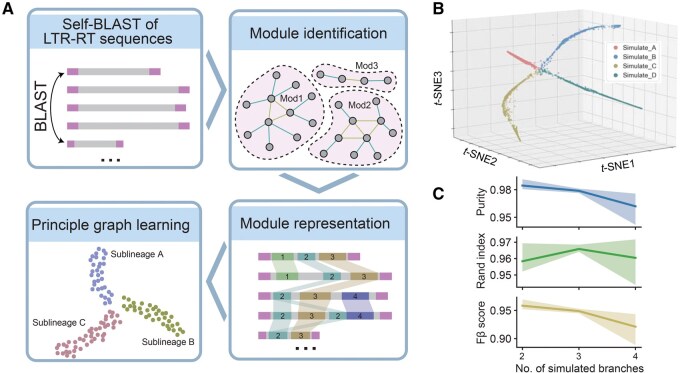 Figure 1
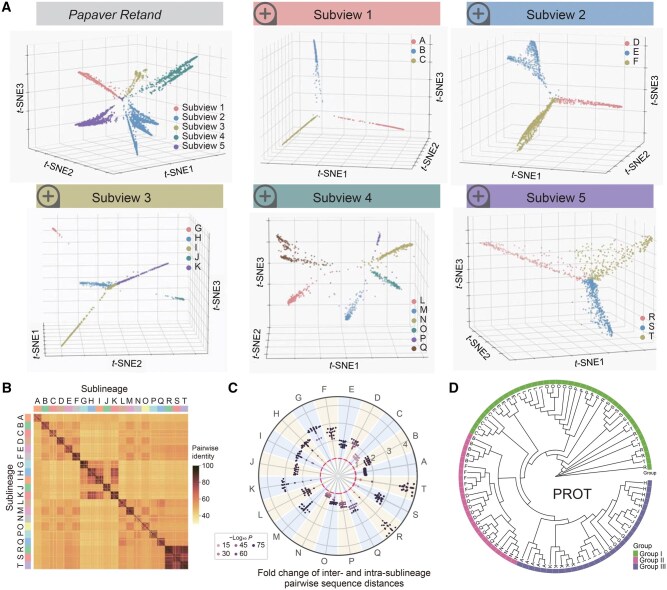 Figure 2
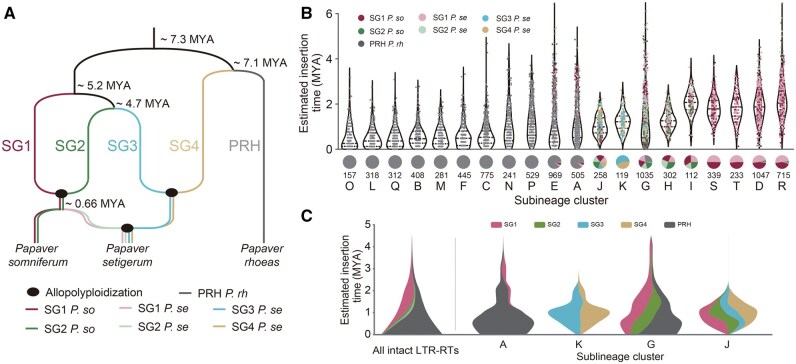 Figure 3
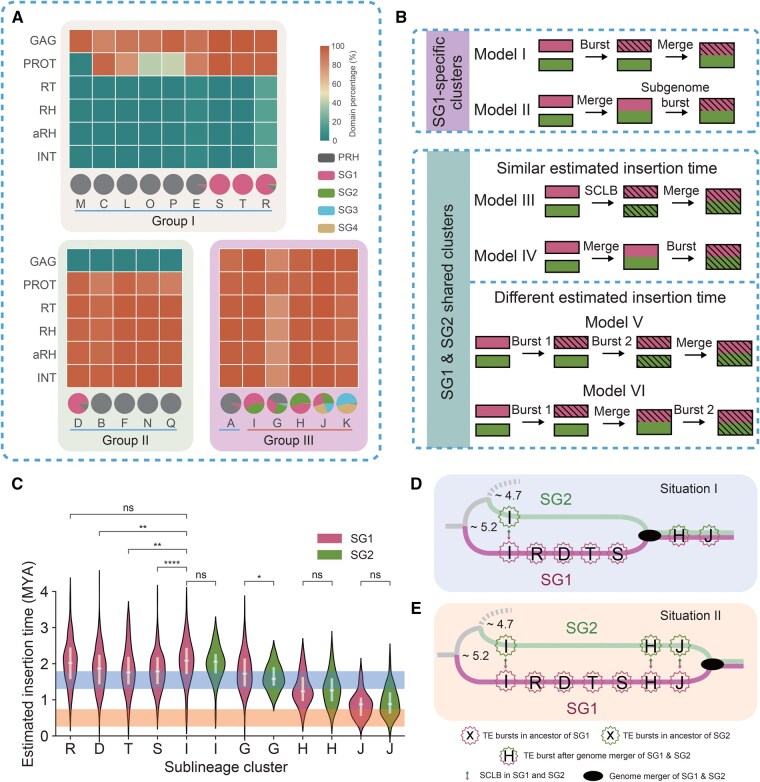 Figure 4
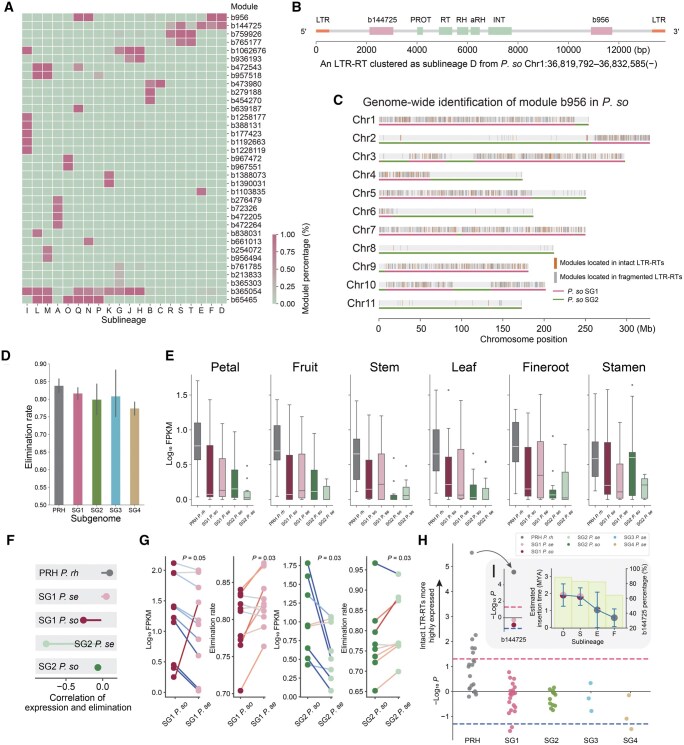 Figure 5
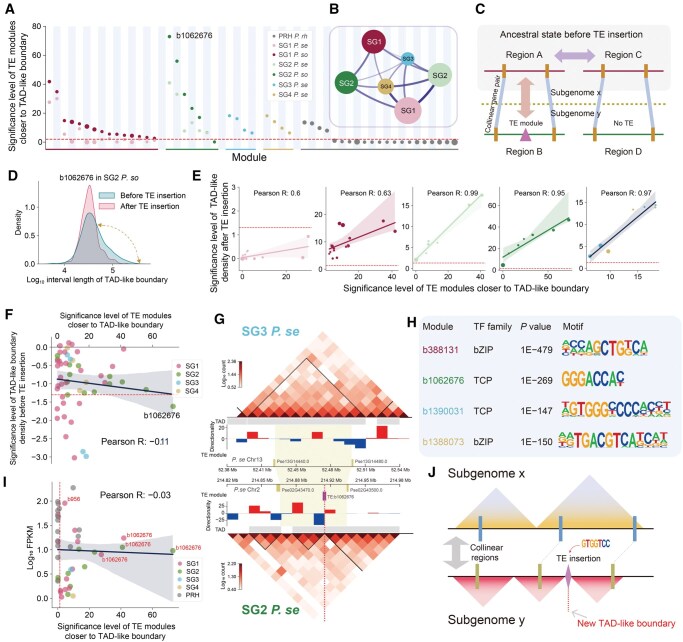 Figure 6
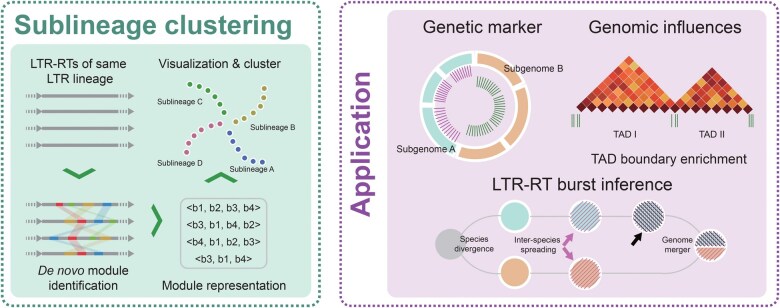 Figure 7
Peer Reviews
No public reviews on file for this paper yet. If you reviewed it on a platform where reviews are public (OpenReview, ICLR, NeurIPS, ICML), you can paste yours below so the community can read it here.
Videos
No videos yet. Explain this paper in a talk, walkthrough, or lecture? Add one.
Taxonomy
TopicsBanana Cultivation and Research · Chromosomal and Genetic Variations · Plant Pathogenic Bacteria Studies