Glycan recognition by collectin-11 drives SARS-CoV-2 infectivity and membrane injury of respiratory epithelial cells
Anastasia Polycarpou, Tara Wagner-Gamble, Roseanna Greenlaw, Lauren O’Neill, Varsha Kanabar, Alanoud Alrehaili, Yusun Jeon, Jonathan Baker, Mona Bafadhel, Hataf Khan, Michael H. Malim, Marco Romano, Conrad A. Farrar, Dorota Smolarek, Rocio Martinez-Nunez, Katie J. Doores

TL;DR
SARS-CoV-2 uses a protein called collectin-11 to increase its infectivity and damage respiratory cells, offering a new target for treatment.
Contribution
The study reveals a novel mechanism where collectin-11 enhances SARS-CoV-2 infectivity and cell injury through glycan recognition.
Findings
SARS-CoV-2 binds collectin-11 to activate complement but is resistant to lysis, enabling immune escape.
Collectin-11 binding increases SARS-CoV-2 infectivity of respiratory epithelial cells independently of complement.
Infected cells are vulnerable to membrane injury from collectin-11 and complement, which can be blocked by L-fucose.
Abstract
SARS-CoV-2 infection of the respiratory tract continues to be a health risk even among immunized individuals suggesting that localized factors could maintain viral infection and transmission. Here, we show that although the locally produced innate immune-surveillance molecule collectin-11 (CL-11) is bound by SARS-CoV-2 to trigger complement activation, the virus is resistant to complement lysis offering a means of immune escape. Moreover, we reveal CL-11 binding enhances SARS-CoV-2 infectivity of respiratory epithelial cells (RECs) by a complement-independent mechanism affording highly transmissible variants of SARS-CoV-2 a survival advantage. Additionally, SARS-CoV-2-infected RECs are vulnerable to membrane injury by self-generated CL-11 and complement. These insights provide a strong rationale for CL-11 blockade to reduce SARS-CoV-2 infection and injury of the respiratory tract.…
Genes, proteins, chemicals, diseases, species, mutations and cell lines named across the full text — each resolved to its canonical identifier and authoritative record.
Click any figure to enlarge with its caption.
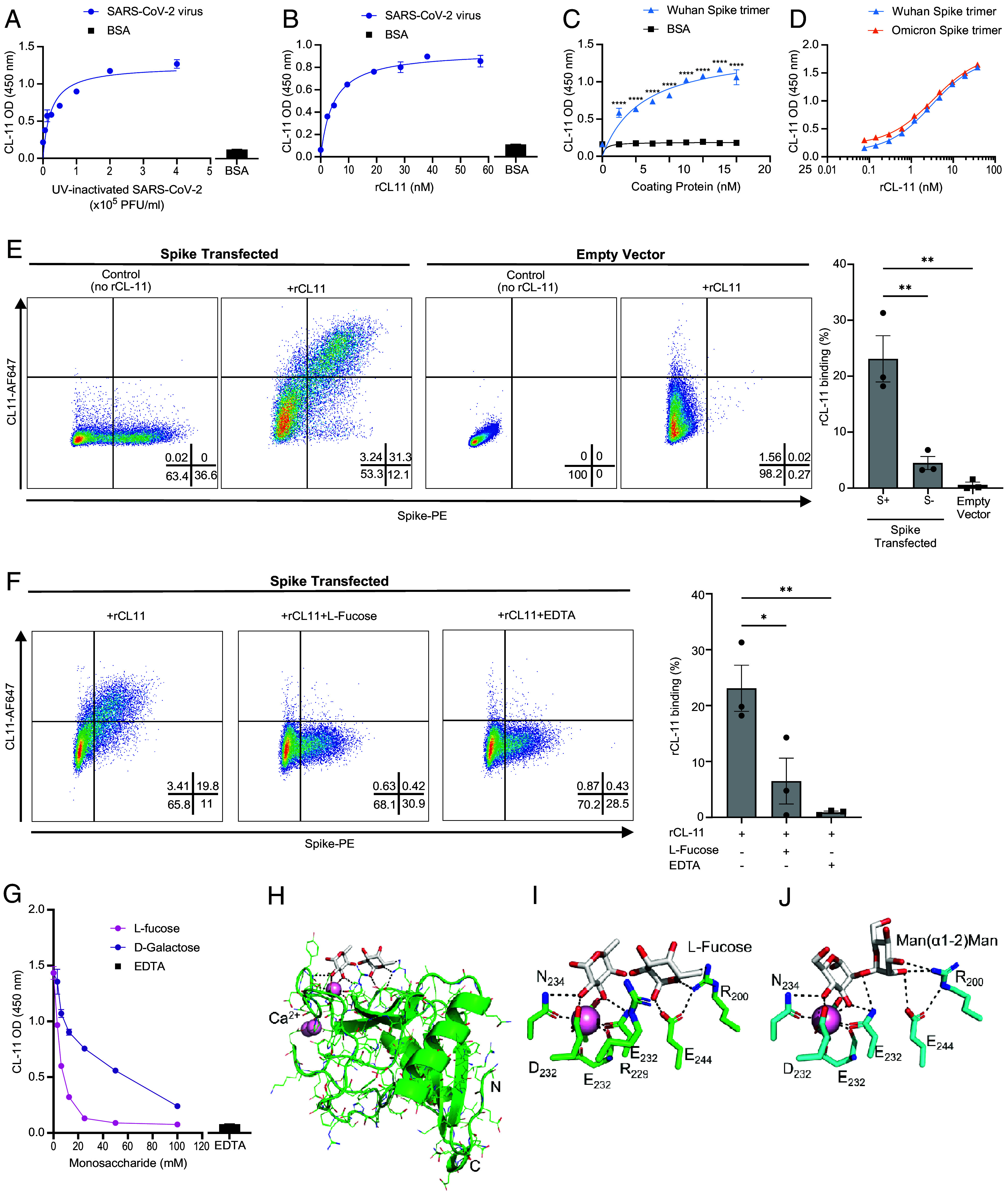 Figure 1
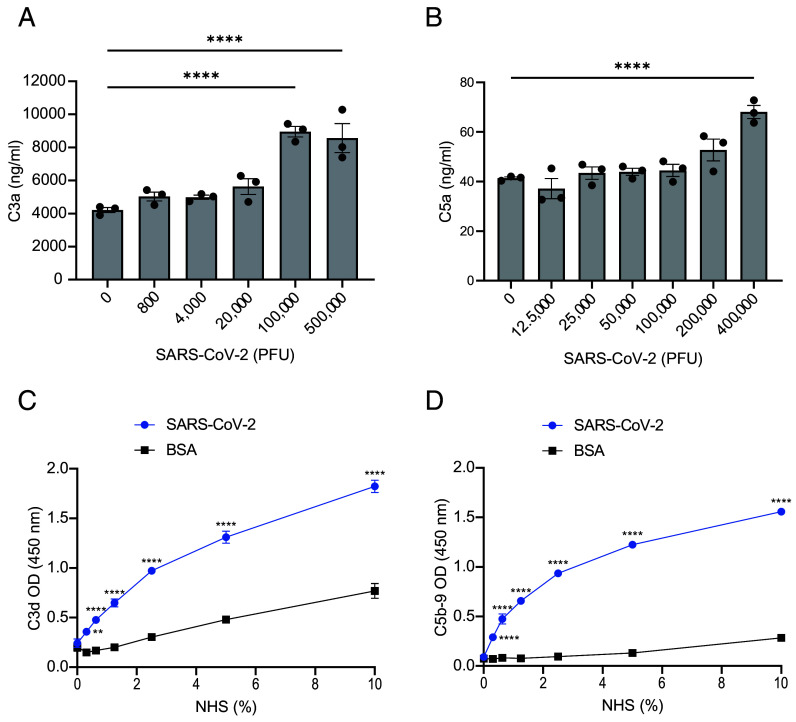 Figure 2
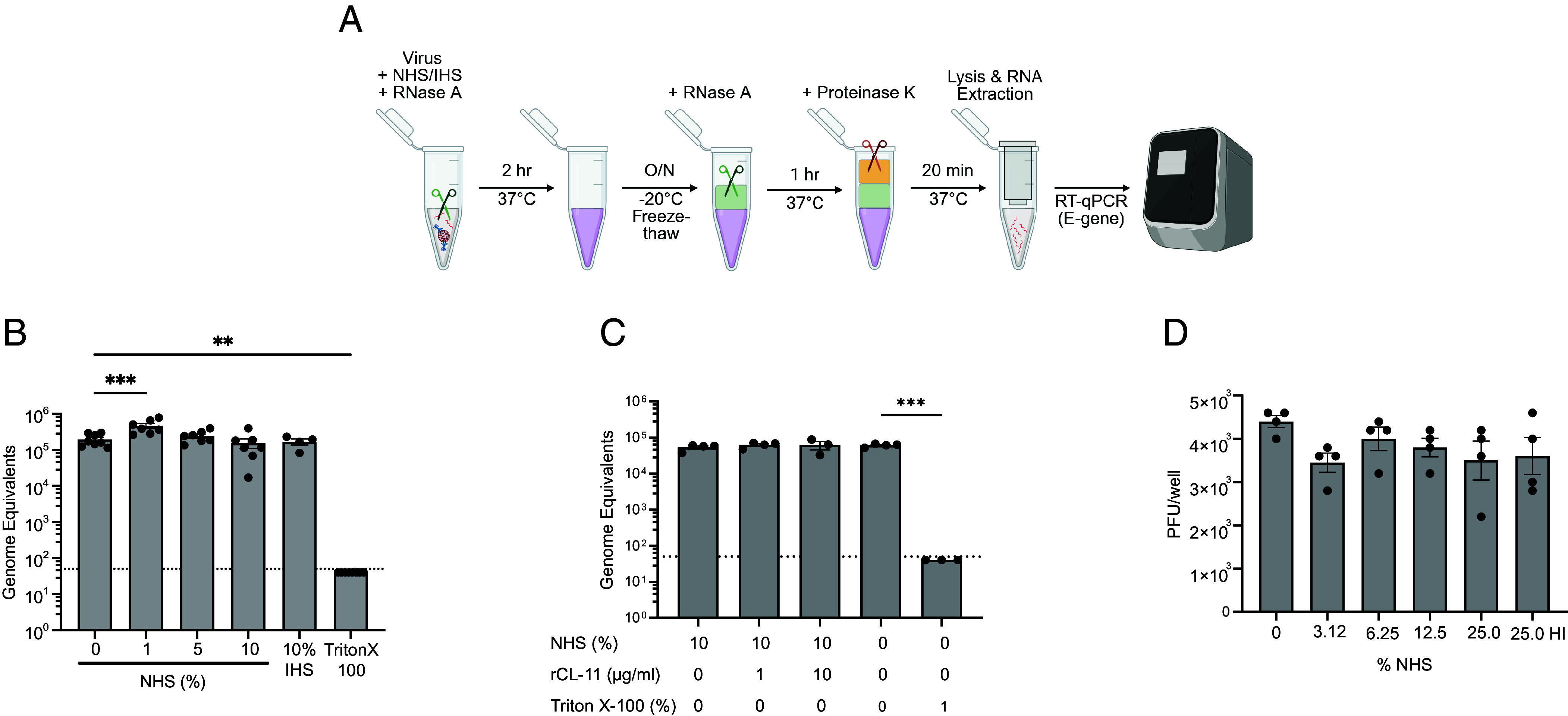 Figure 3
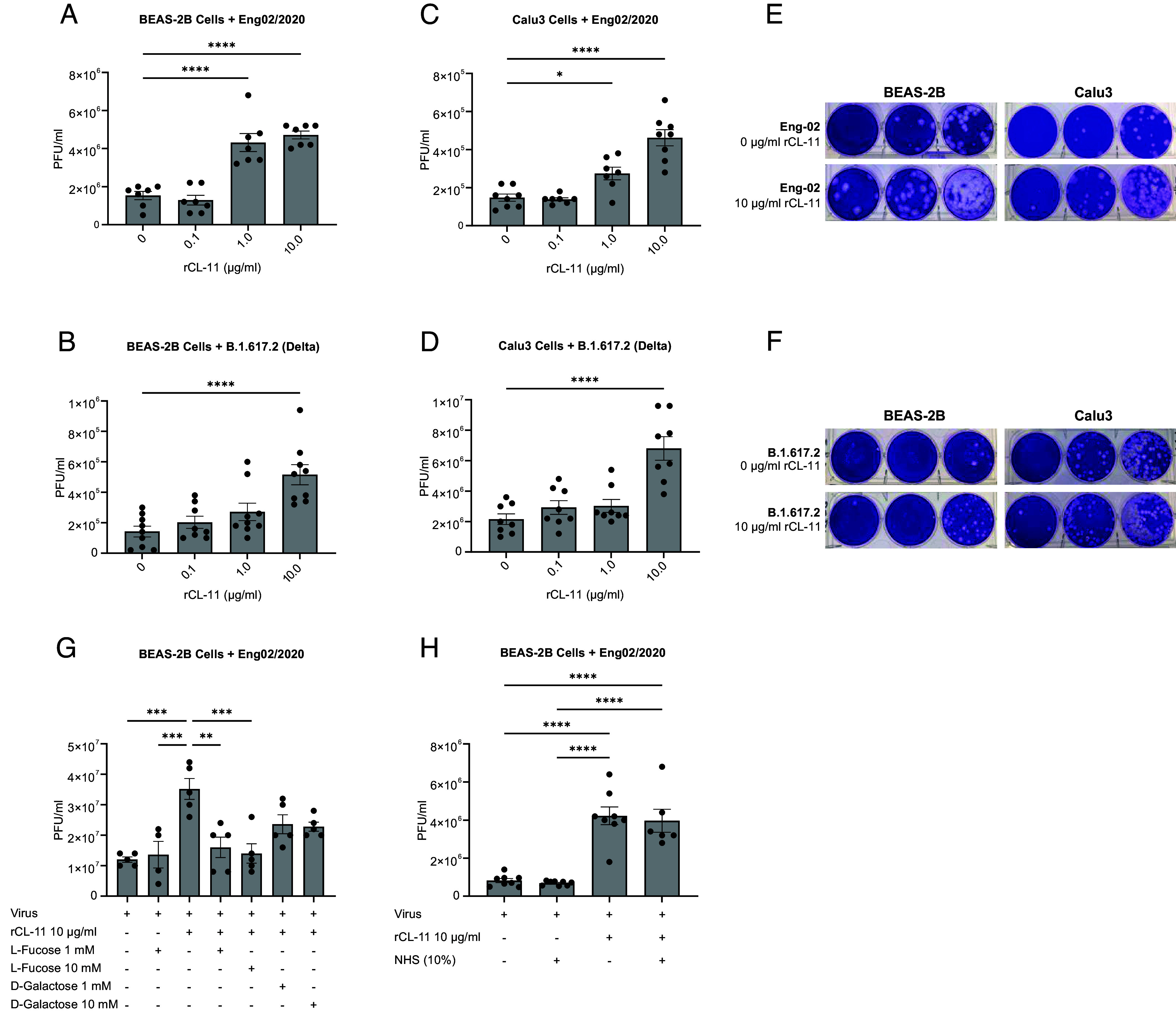 Figure 4
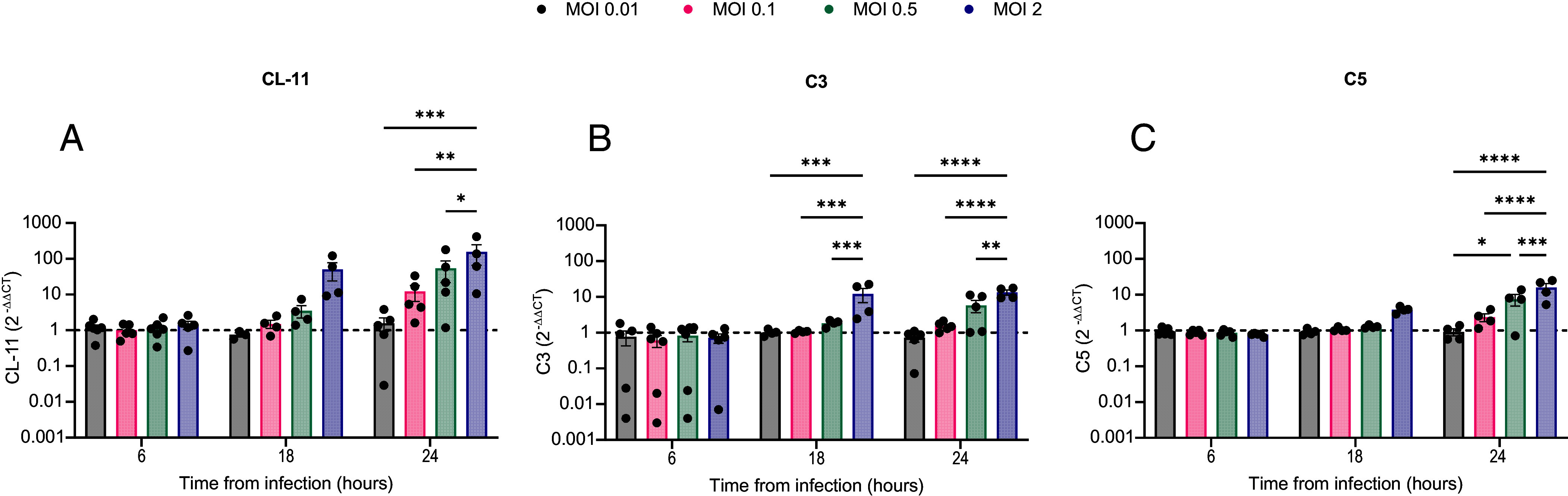 Figure 5
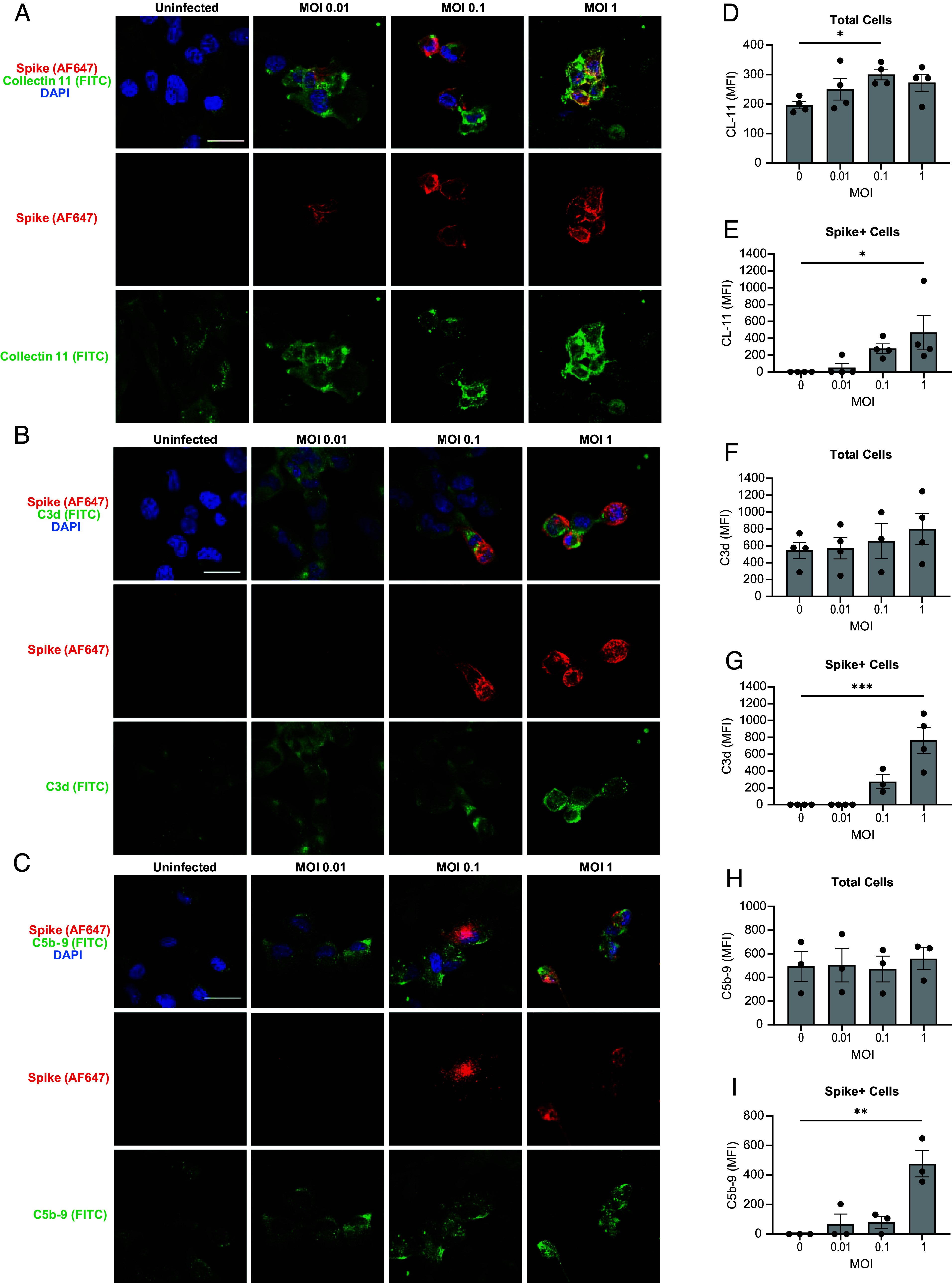 Figure 6
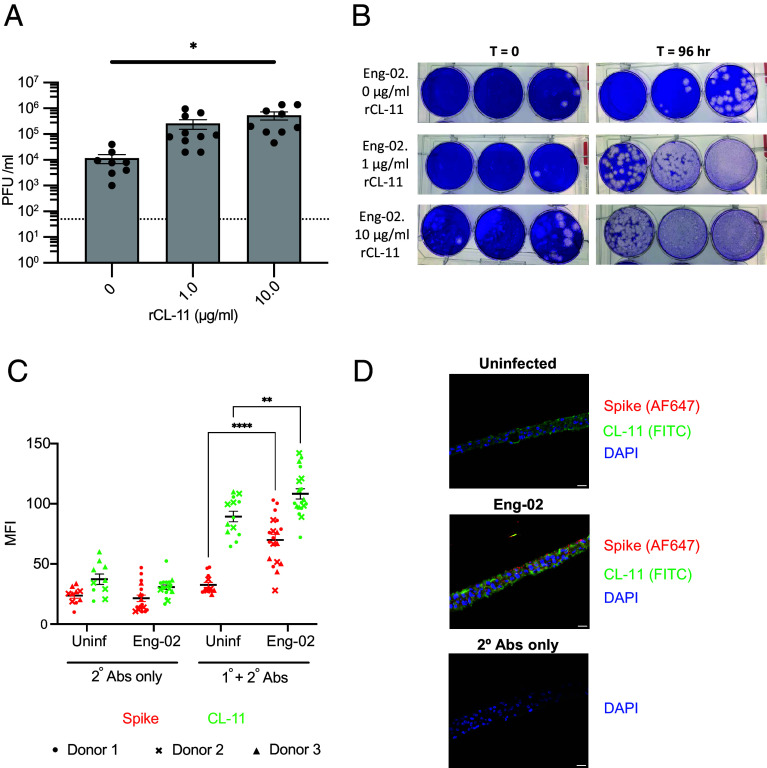 Figure 7
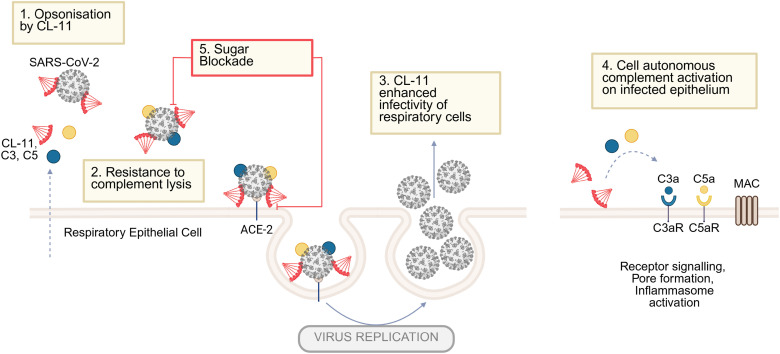 Figure 8
Peer Reviews
No public reviews on file for this paper yet. If you reviewed it on a platform where reviews are public (OpenReview, ICLR, NeurIPS, ICML), you can paste yours below so the community can read it here.
Videos
No videos yet. Explain this paper in a talk, walkthrough, or lecture? Add one.
Taxonomy
TopicsComplement system in diseases · SARS-CoV-2 and COVID-19 Research · Bacterial Infections and Vaccines