Morphological specializations of mosquito CO2-sensing olfactory receptor neurons
Shadi Charara, Jonathan Choy, Kalyani Cauwenberghs, Pawel Vijayakumar, Renny Ng, Keun-Young Kim, Shih-Che Weng, Omar S. Akbari, Mark H. Ellisman, Scott A. Rifkin, Chih-Ying Su

TL;DR
This paper reveals unique structural features in mosquito CO2-sensing neurons that may enhance their ability to detect human hosts.
Contribution
The study provides the first detailed 3D anatomical characterization of CO2-sensing neurons in Aedes aegypti mosquitoes.
Findings
CO2-sensing cpA neurons have an 8-12 times larger dendritic surface area compared to neighboring neurons.
cpA neurons exhibit a unique axonal structure with mitochondria-rich varicosities and are ensheathed by glial and auxiliary cells.
The cpA dendrites are folded into lamellae, increasing CO2 exposure and potentially improving detection efficiency.
Abstract
Carbon dioxide (CO2) emitted by human hosts is a critical cue that mosquitoes use for host detection, yet the nanoscale three-dimensional (3D) structure of their CO2-sensing neurons and associated cells remains unclear. Elucidating the anatomy of these cells will yield structural insight into the sensory biology which drives mosquito−host interactions. Using volume electron microscopy, we reveal that Aedes aegypti CO2-sensing neurons exhibit striking structural specializations—including enlarged CO2-sensing surface areas, unique axonal architecture enriched with mitochondria, and unusual somatic ensheathing by support and glial cells—that likely enhance CO2 detection and support signal transmission. Our detailed anatomical characterization provides a structural basis for the mosquito’s exceptional host-seeking capabilities. Hematophagous mosquitoes use CO2 as a key arousal signal that…
Genes, proteins, chemicals, diseases, species, mutations and cell lines named across the full text — each resolved to its canonical identifier and authoritative record.
Click any figure to enlarge with its caption.
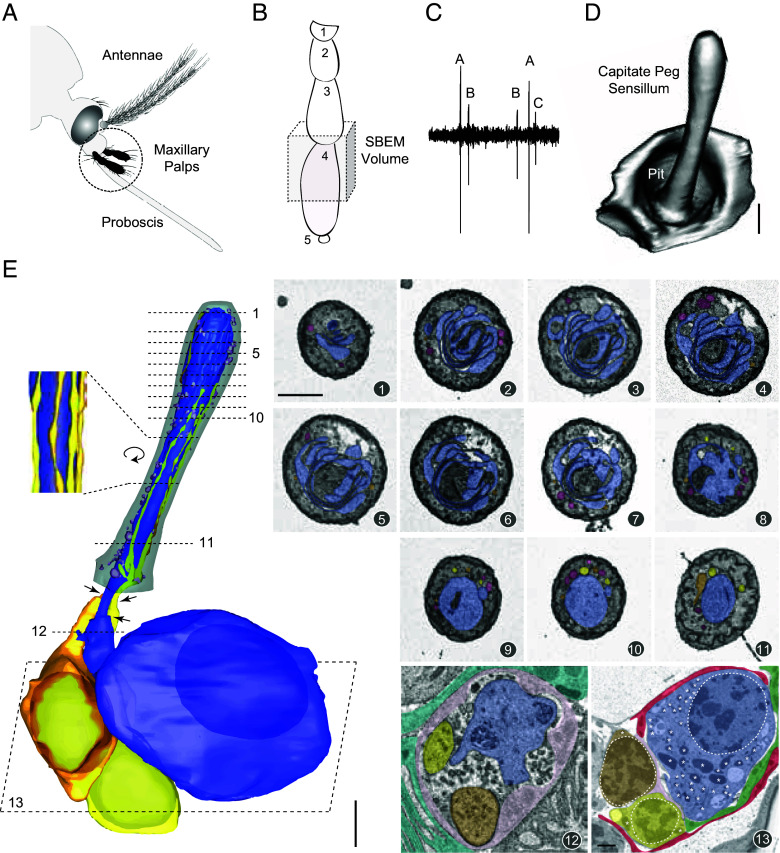 Figure 1
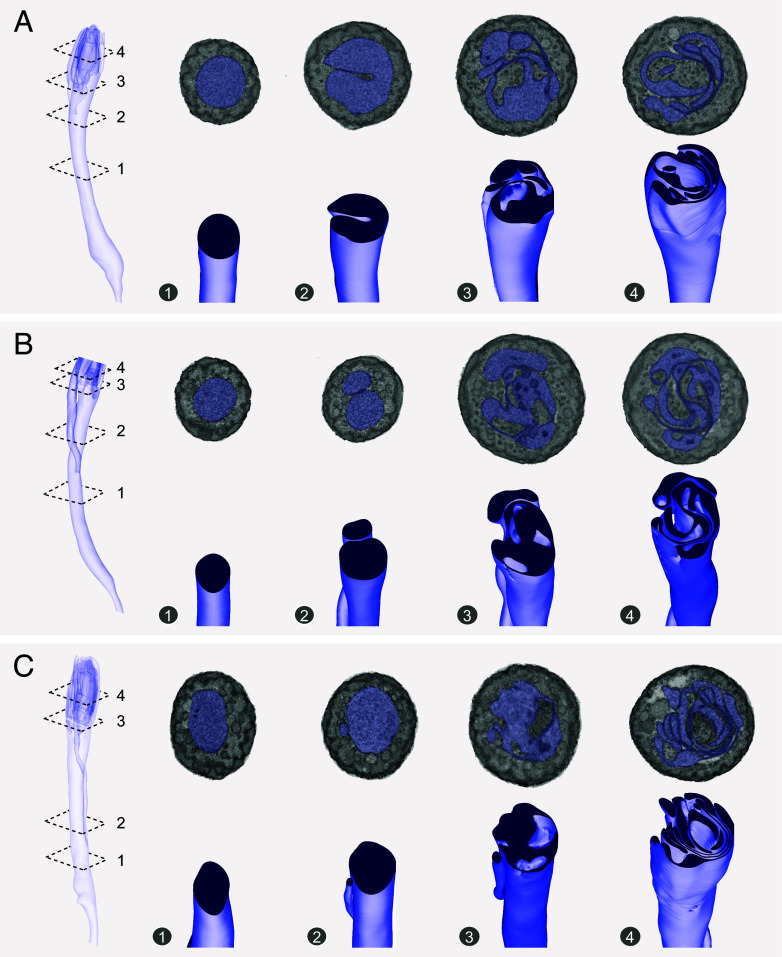 Figure 2
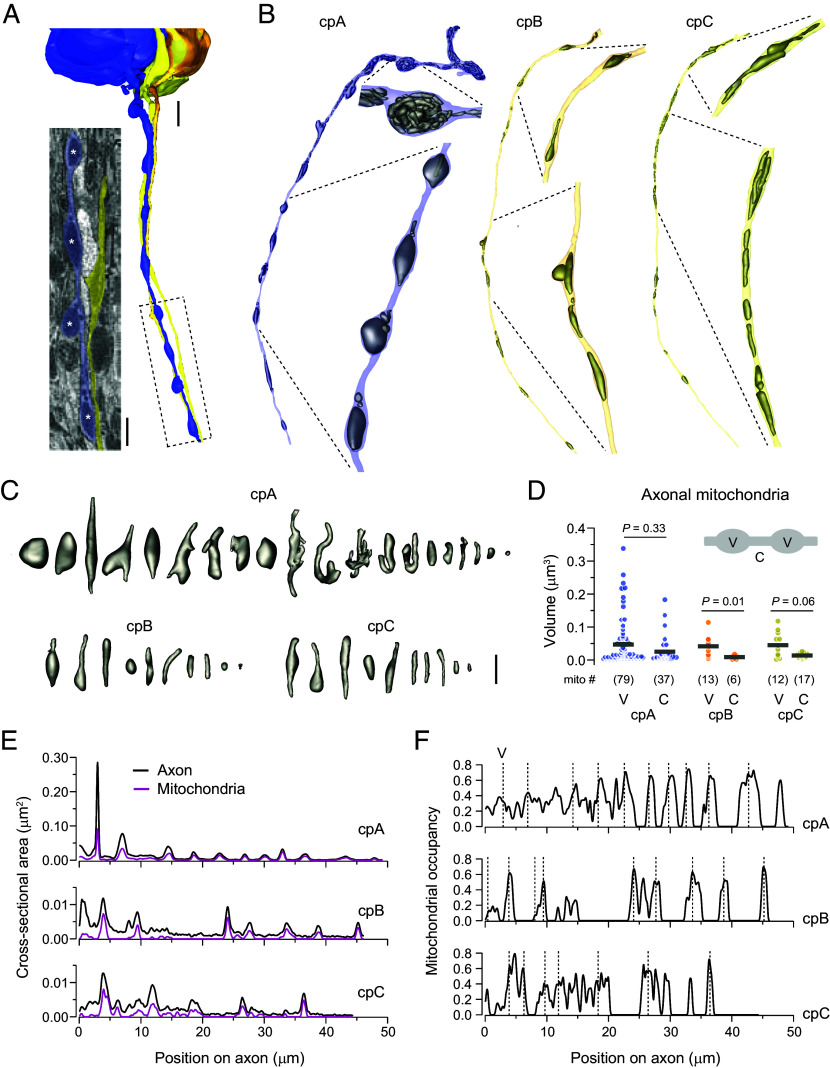 Figure 3
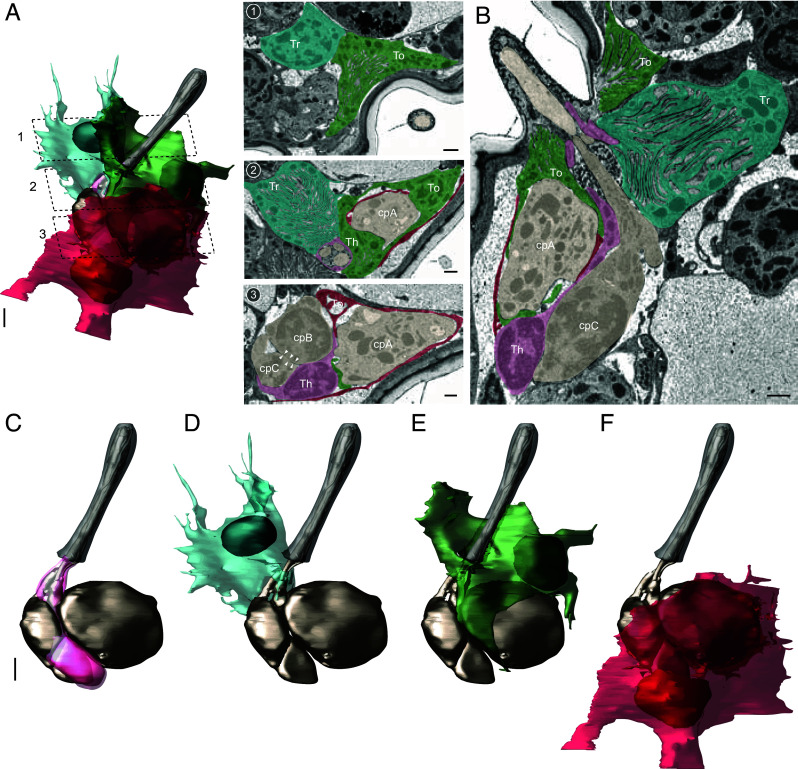 Figure 4
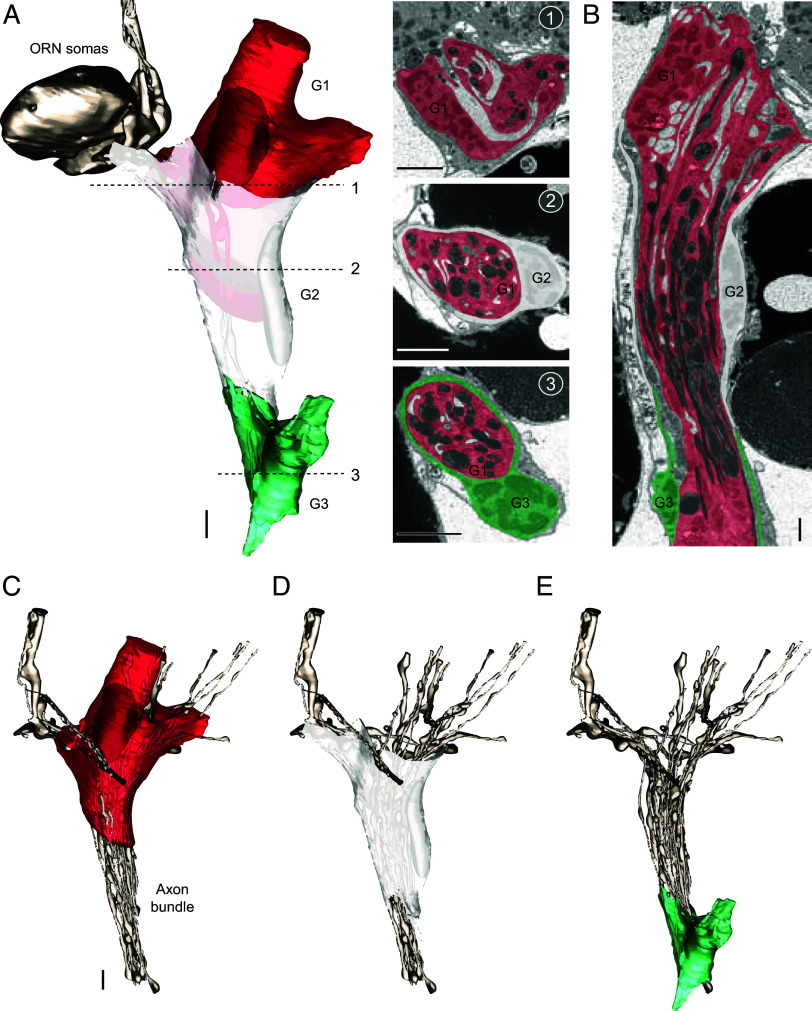 Figure 5
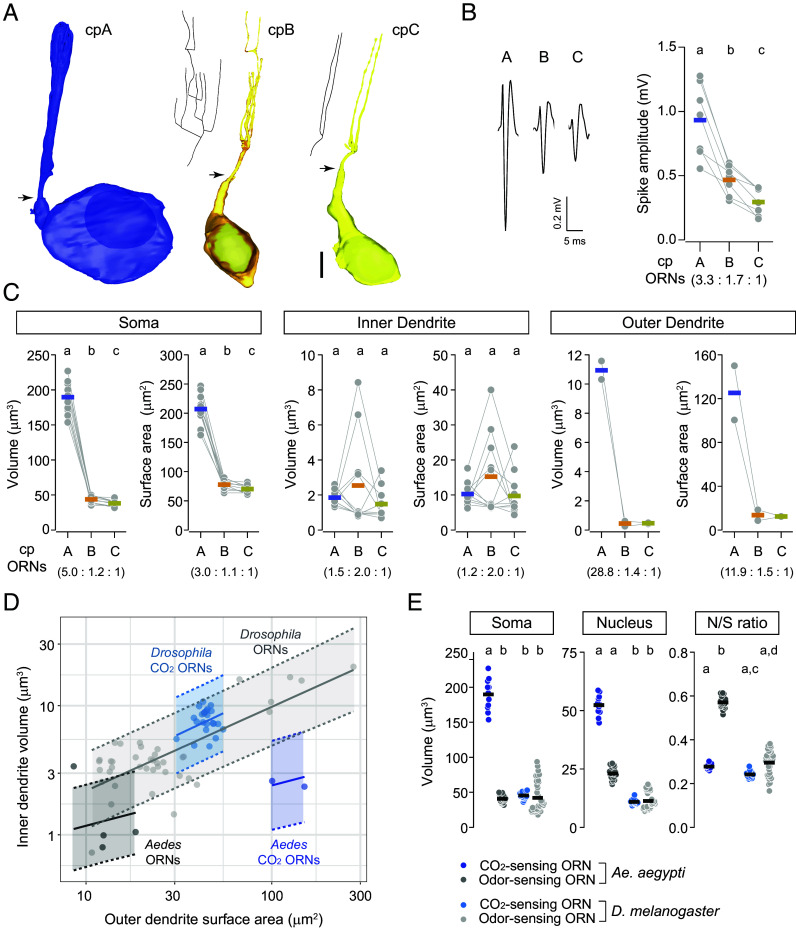 Figure 6
Peer Reviews
No public reviews on file for this paper yet. If you reviewed it on a platform where reviews are public (OpenReview, ICLR, NeurIPS, ICML), you can paste yours below so the community can read it here.
Videos
No videos yet. Explain this paper in a talk, walkthrough, or lecture? Add one.
Taxonomy
TopicsNeurobiology and Insect Physiology Research · Insect and Arachnid Ecology and Behavior · Insect Utilization and Effects