A cytoplasmic motif in HLA-E that drives clathrin-mediated endocytosis and VCP-associated postendocytic trafficking
Wanlin He, Andreas Damianou, Iolanda Vendrell, Klaus Früh, Daowen I. Yin, Frances M. Brodsky, Benedikt M. Kessler, Simon Brackenridge, Persephone Borrow, Geraldine M. Gillespie, Andrew J. McMichael

TL;DR
The paper identifies a specific motif in HLA-E that controls its rapid cell surface turnover and trafficking, offering new insights for immunotherapy.
Contribution
Discovery of a lysine/tryptophan-based motif in HLA-E that drives clathrin-mediated endocytosis and postendocytic trafficking.
Findings
HLA-E's cytoplasmic motif enables rapid internalization via clathrin-mediated endocytosis.
HLA-E's surface reappearance is regulated by VCP and depends on peptide binding.
The motif and trafficking mechanism distinguish HLA-E from classical MHC class I molecules.
Abstract
By presenting a conserved self-peptide to NKG2A/C-CD94 receptors on NK cells, nonpolymorphic HLA-E plays a central role in regulating innate immunity. While HLA-E can also present foreign peptides to stimulate protective T cell responses, these are naturally rare and subdominant to classical T cell responses. Here, we identify a lysine/tryptophan-based motif in the HLA-E cytoplasmic tail that facilitates rapid surface turnover via clathrin-mediated endocytosis. This motif, combined with peptide binding, supports rapid surface reappearance of HLA-E, a process modulated by the AAA ATPase VCP. These insights into the cell biology of HLA-E open broad avenues for enhancing these noncanonical T cell responses, offering promising opportunities for universal immunotherapies. Human Leukocyte Antigen E (HLA-E) is a nonclassical MHC class I molecule that exhibits dual immunological functions in…
Genes, proteins, chemicals, diseases, species, mutations and cell lines named across the full text — each resolved to its canonical identifier and authoritative record.
Click any figure to enlarge with its caption.
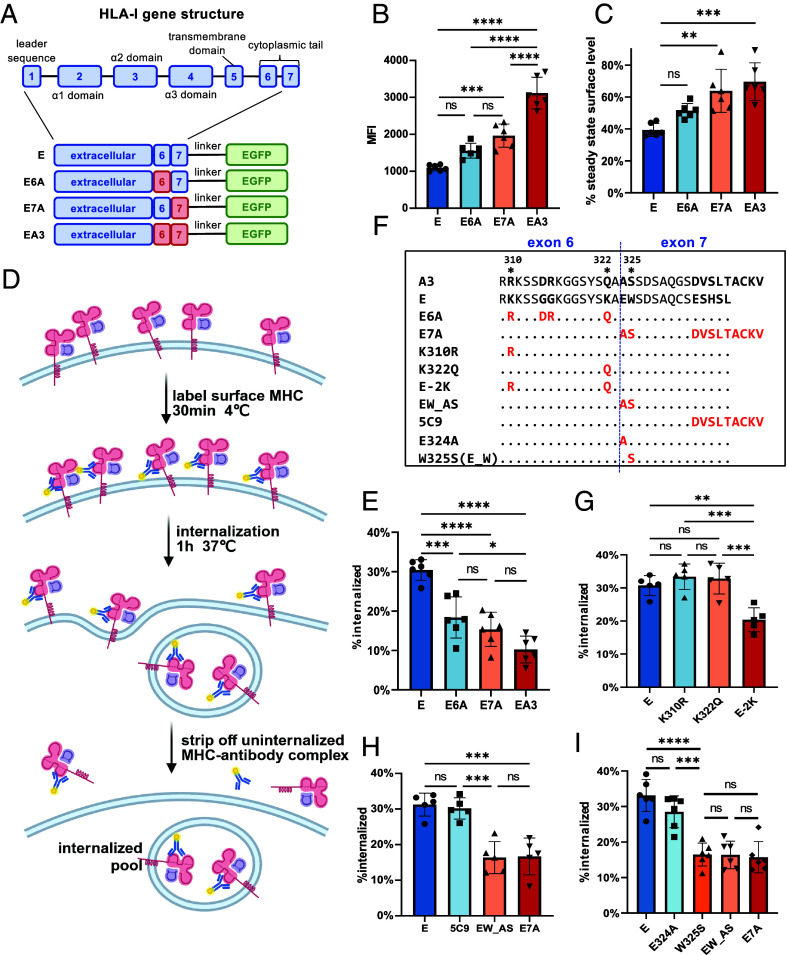 Figure 1
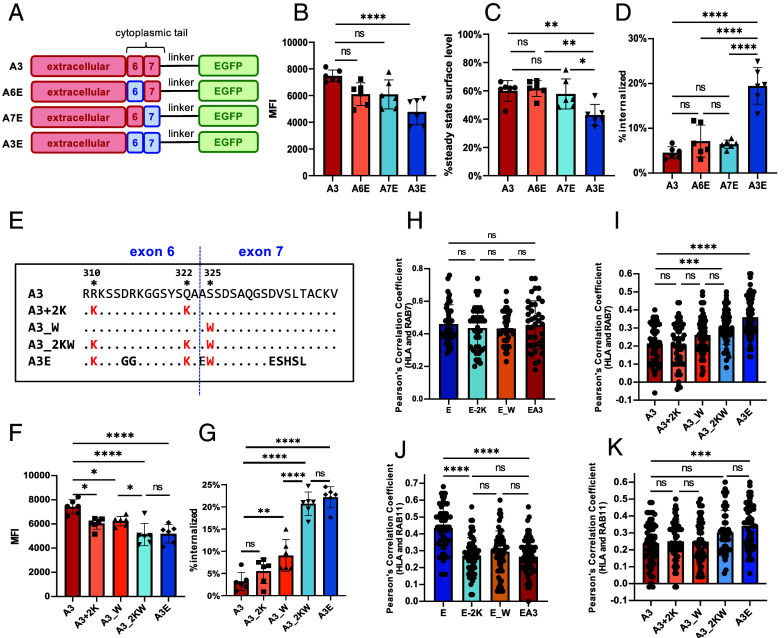 Figure 2
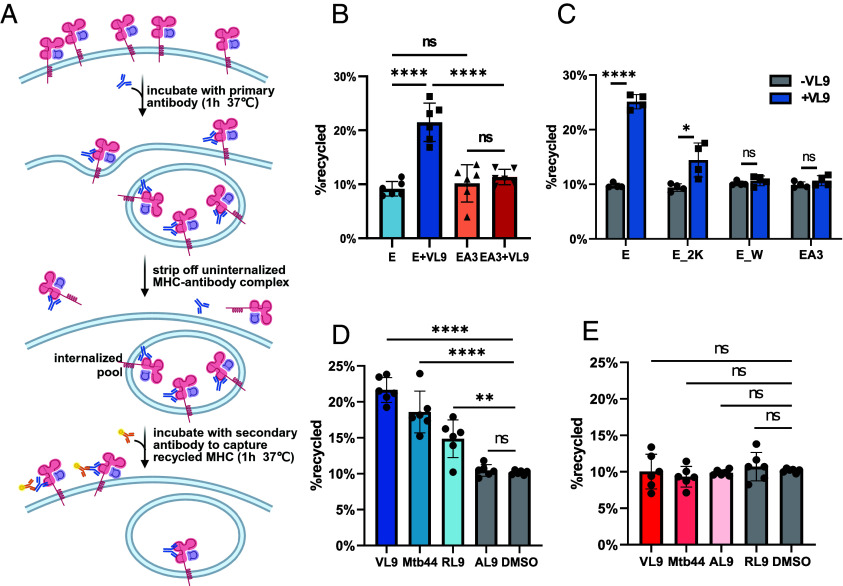 Figure 3
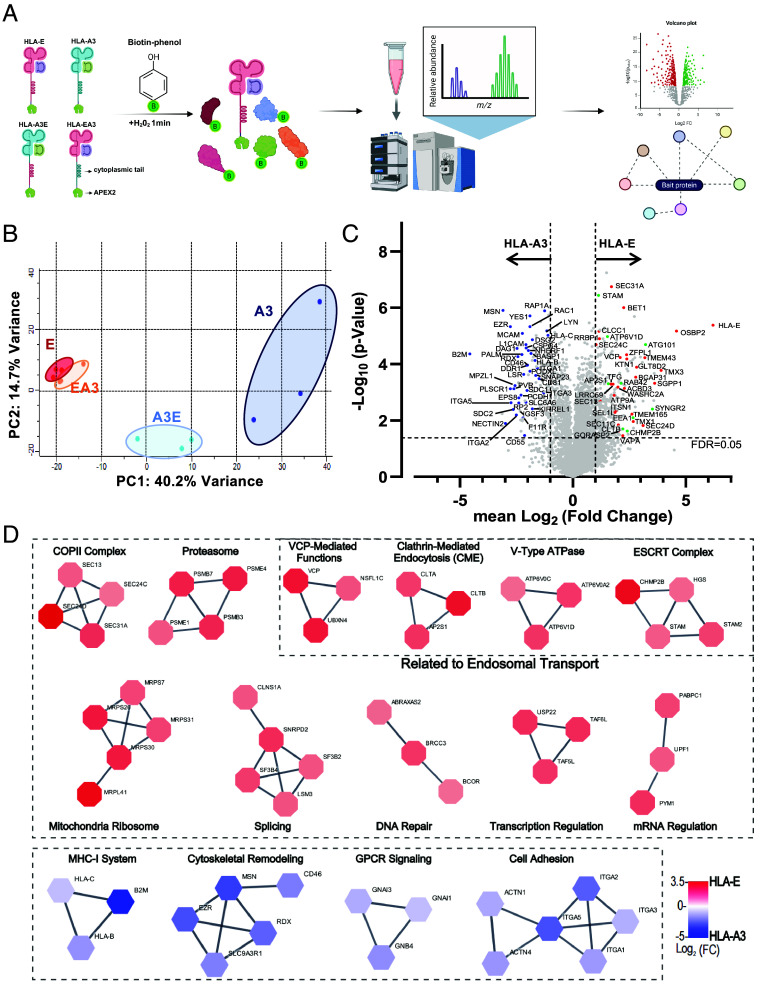 Figure 4
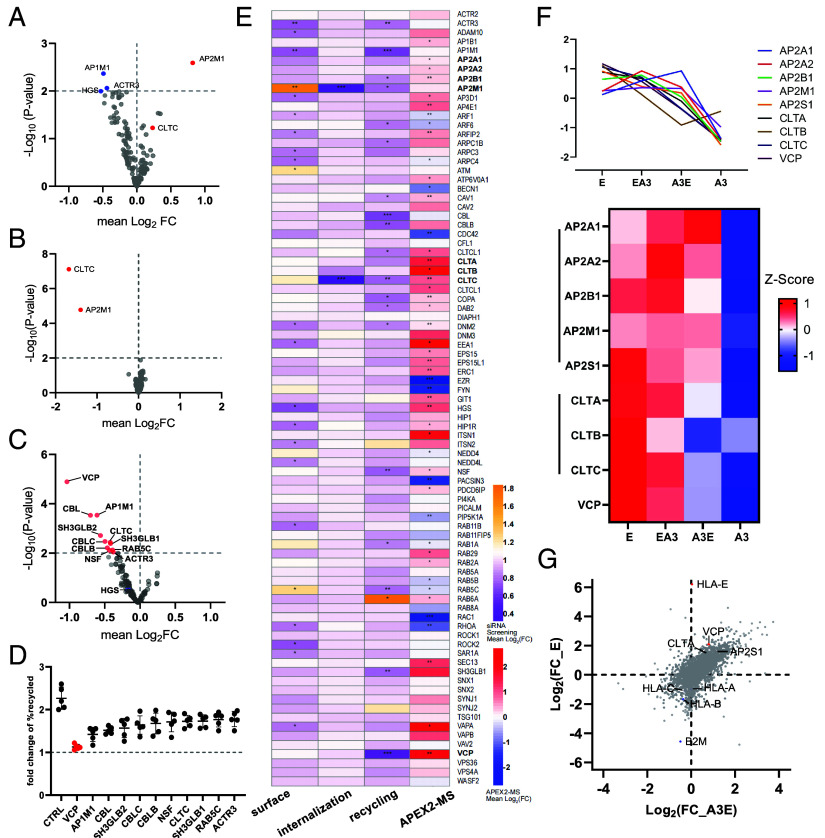 Figure 5
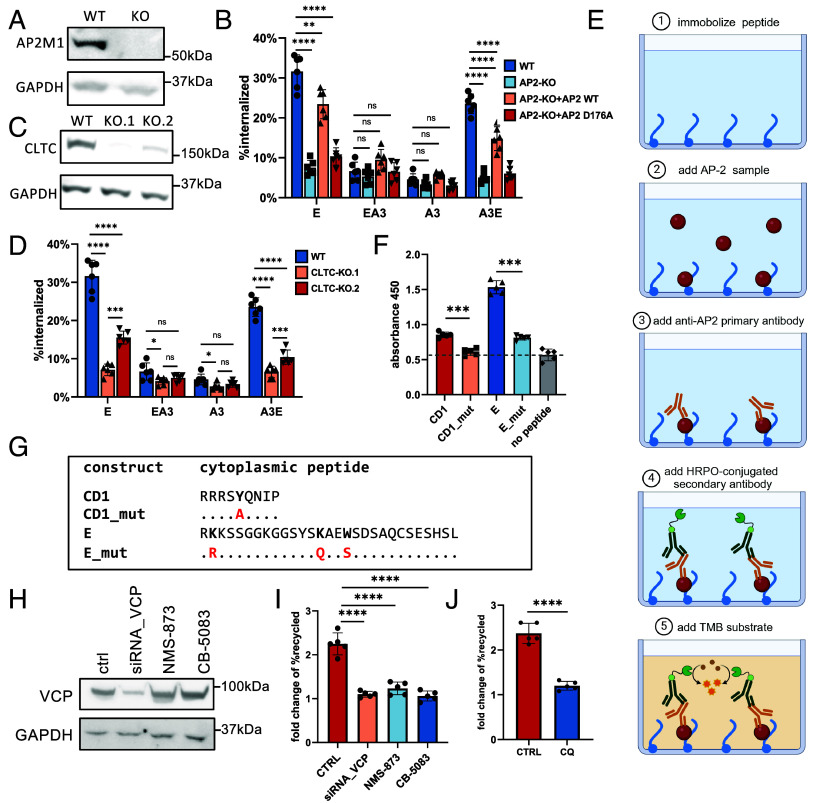 Figure 6
Peer Reviews
No public reviews on file for this paper yet. If you reviewed it on a platform where reviews are public (OpenReview, ICLR, NeurIPS, ICML), you can paste yours below so the community can read it here.
Videos
No videos yet. Explain this paper in a talk, walkthrough, or lecture? Add one.
Taxonomy
TopicsImmune Cell Function and Interaction · T-cell and B-cell Immunology · Complement system in diseases