How Rapidly Does the FAPI PET Signal Reverse Following Therapy? Assessing the FAPI PET Signal in Hypertensive Cardiac Injury and Fibrosis in Mice
Atefeh Hosseini, Elias Haj-Yehia, Sebastian Korste, Yalcin Kuzay, Marija Trajkovic-Arsic, Stephan Settelmeier, Miriam Cantore, Katja B. Ferenz, Jens T. Siveke, Ken Herrmann, Tienush Rassaf, Ulrike Hendgen-Cotta, Wolfgang A. Weber, Zohreh Varasteh

TL;DR
This study shows that FAPI PET imaging can track the reversal of fibrosis in the heart and liver after stopping a treatment that causes injury in mice.
Contribution
The study demonstrates the rapid reversibility of FAPI PET signal following therapy in cardiac and liver fibrosis.
Findings
68Ga-FAPI-46 uptake in the heart and liver declined rapidly after stopping the Ang-II/PE infusion.
FAPI PET signal in the heart preceded functional myocardial changes, suggesting early detection of fibrosis.
FAPI PET may be useful for detecting cardiac cirrhosis, a complication of heart disorders.
Abstract
Reactive fibrosis is a complex response to chronic myocardial insults, contributing to heart failure progression. Fibroblast activation protein inhibitor (FAPI) PET shows promise in distinguishing active from established fibrosis. Although antifibrotic therapies may improve left ventricular (LV) function in preclinical studies, their clinical application is limited by the lack of noninvasive imaging methods to assess fibrosis regression. This study investigates the potential of FAPI PET to track the therapeutic transition of activated fibroblast activation protein (FAP)–positive fibroblasts toward a FAP-negative phenotype. Methods: Mice were implanted with minipumps, infused with angiotensin-II/phenylephrine (Ang-II/PE) for 6 wk and scanned with 68Ga-FAPI-46 PET/CT longitudinally. Control mice received saline. 68Ga-FAPI-46 biodistribution studies were conducted at preselected time…
Genes, proteins, chemicals, diseases, species, mutations and cell lines named across the full text — each resolved to its canonical identifier and authoritative record.
Click any figure to enlarge with its caption.
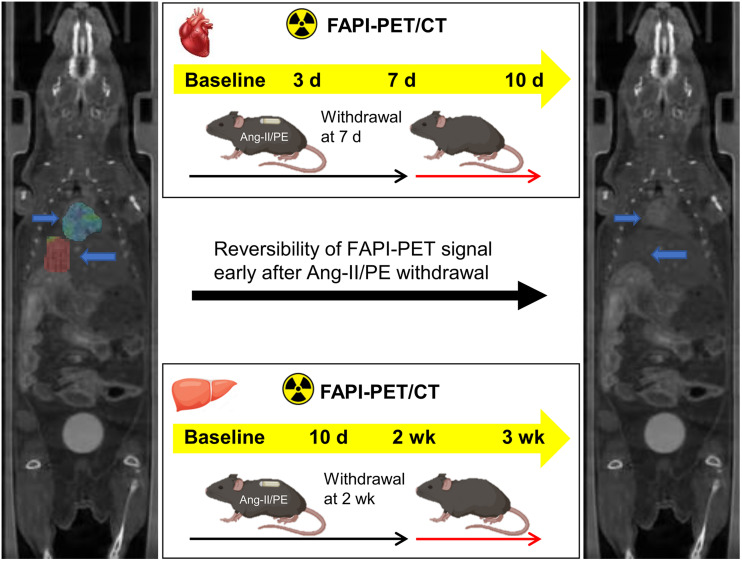 Figure 1
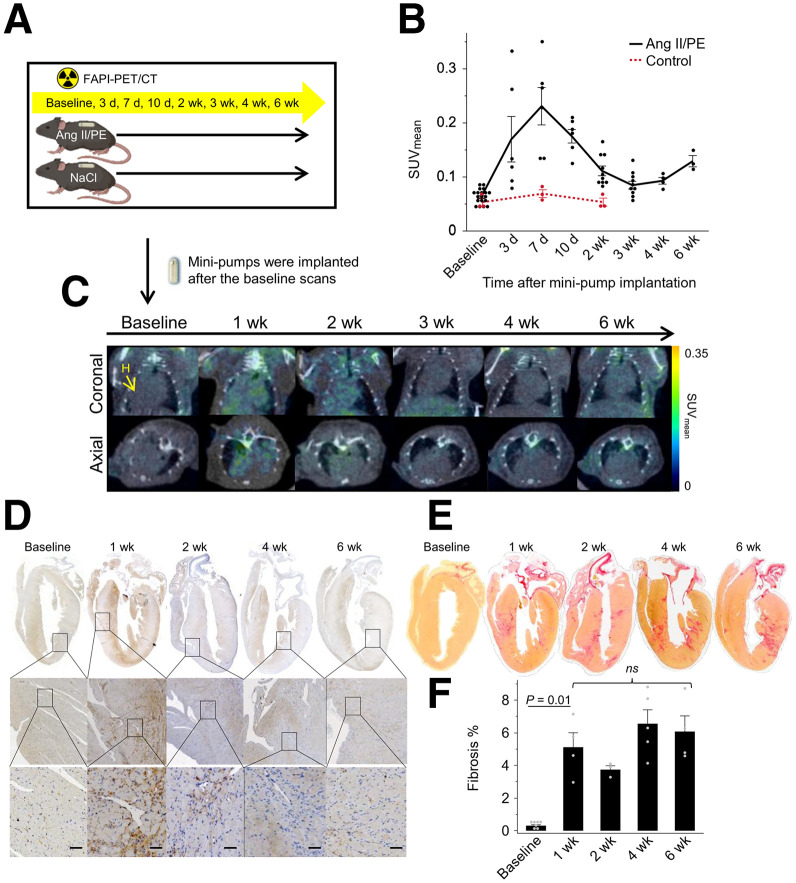 Figure 2
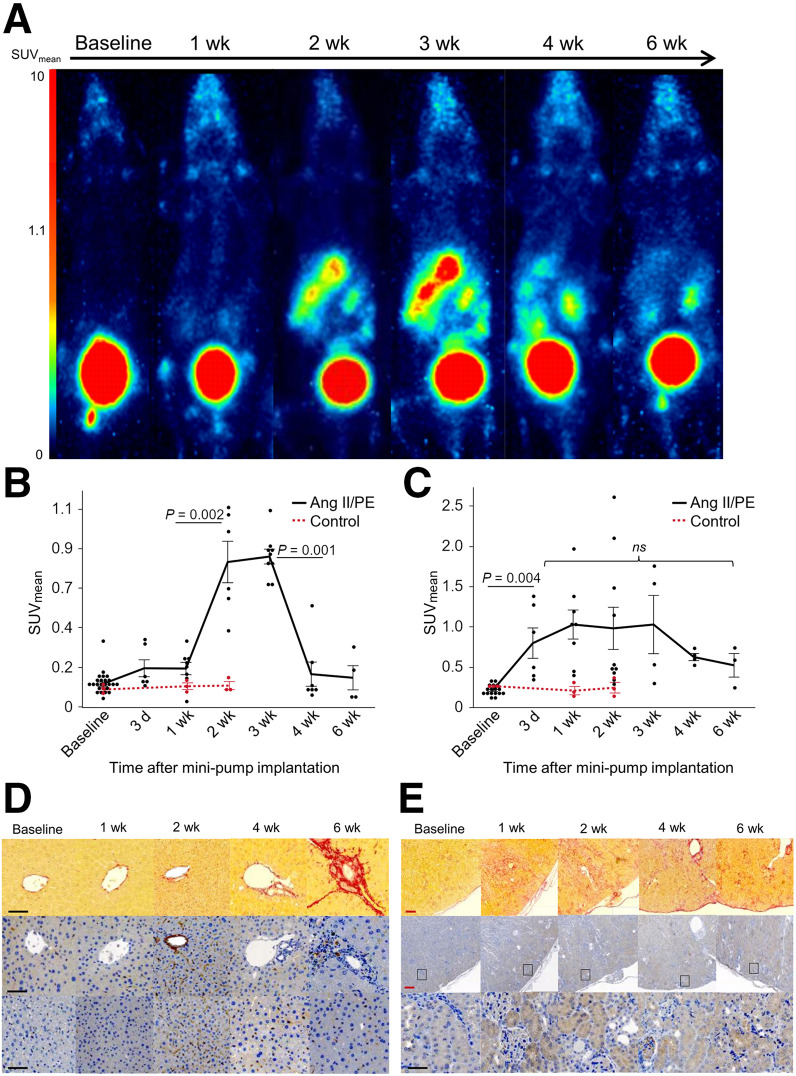 Figure 3
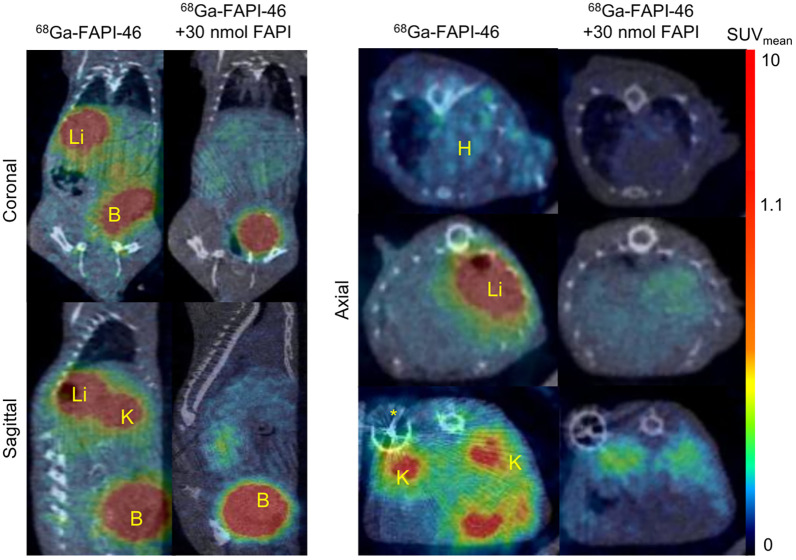 Figure 4
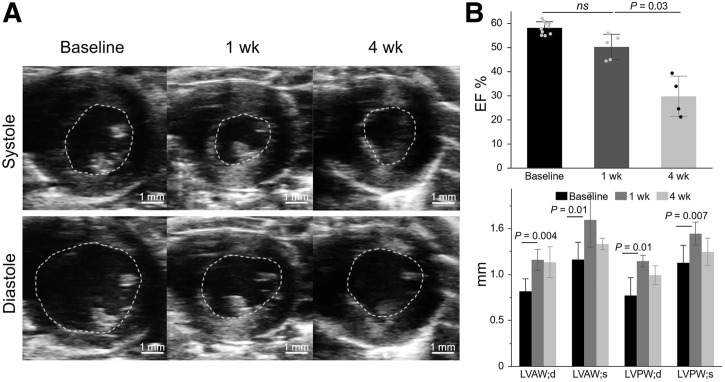 Figure 5
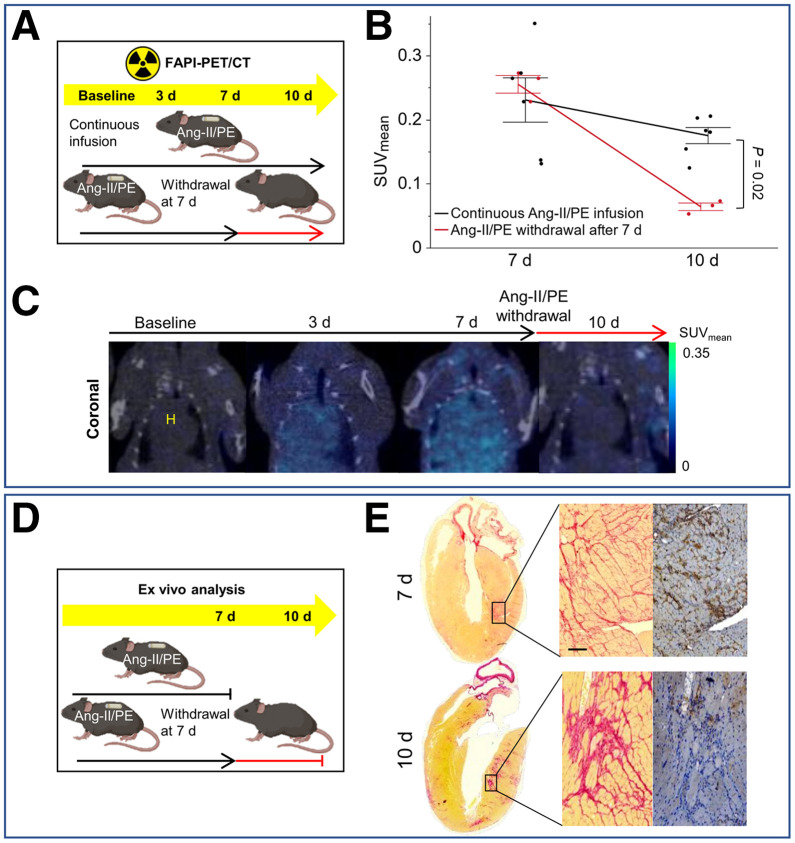 Figure 6
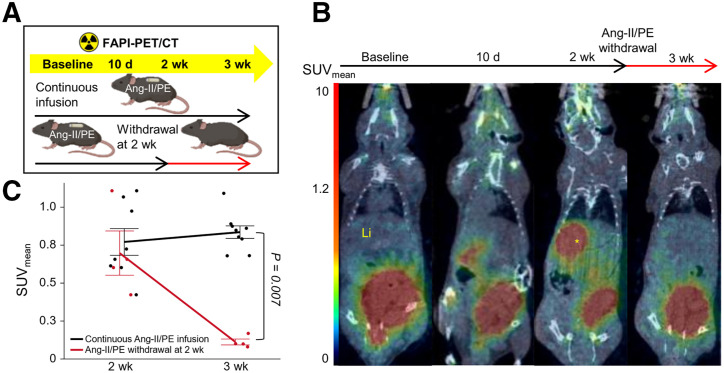 Figure 7
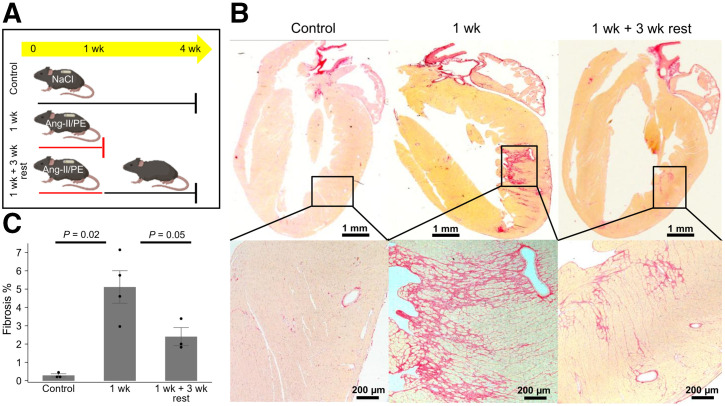 Figure 8
Peer Reviews
No public reviews on file for this paper yet. If you reviewed it on a platform where reviews are public (OpenReview, ICLR, NeurIPS, ICML), you can paste yours below so the community can read it here.
Videos
No videos yet. Explain this paper in a talk, walkthrough, or lecture? Add one.
Taxonomy
TopicsPeptidase Inhibition and Analysis · Neuropeptides and Animal Physiology · Protease and Inhibitor Mechanisms