Embedding muscle fibers in hydrogel improves viability and preserves contractile function during prolonged ex vivo culture
Leander A. Vonk, Osman Esen, Daan Hoomoedt, Rajvi M.N. Balesar, Coen A.C. Ottenheijm, Tyler J. Kirby

TL;DR
Using a 3D hydrogel environment improves the survival and function of muscle fibers in lab cultures compared to traditional 2D methods.
Contribution
A 3D hydrogel system preserves muscle fiber contractility and morphology during prolonged ex vivo culture.
Findings
Muscle fibers cultured in 3D hydrogel show improved viability and reduced dedifferentiation compared to 2D cultures.
Contractility loss in cultured fibers is linked to microtubule network changes, not sarcomere dysfunction.
Low-serum fibrin/Geltrex hydrogel supports long-term contractile function in ex vivo muscle fibers.
Abstract
Ex vivo muscle fiber cultures help scientists study skeletal muscle disease mechanisms, but long-term use causes structural decline and loss-of-function. Vonk, Esen et al. report that 3D culture environments preserve muscle fiber health and contractility better than 2D systems, offering an improved model for drug screening and testing genetic interventions. Ex vivo culture of isolated muscle fibers can serve as an important model for in vitro research on mature skeletal muscle fibers. Nevertheless, this model has limitations for long-term studies due to structural loss and dedifferentiation following prolonged culture periods. This study aimed to investigate how ex vivo culture affects muscle fiber contraction and to improve the culture system to preserve muscle fiber morphology and sarcomere function. Additionally, we sought to determine which culture-induced changes can negatively…
Genes, proteins, chemicals, diseases, species, mutations and cell lines named across the full text — each resolved to its canonical identifier and authoritative record.
Click any figure to enlarge with its caption.
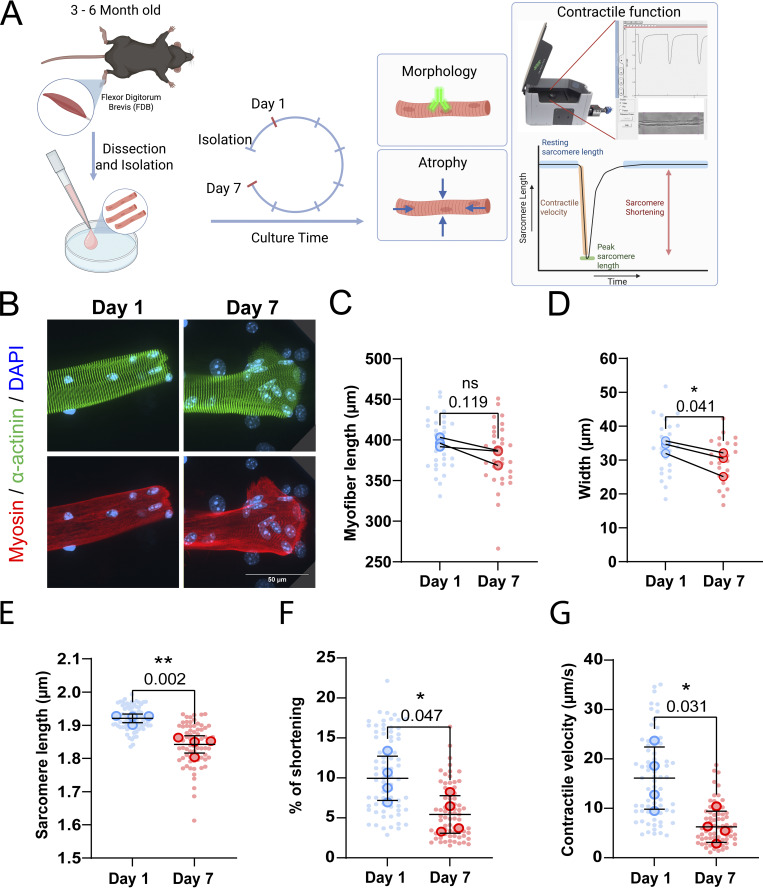 Figure 1
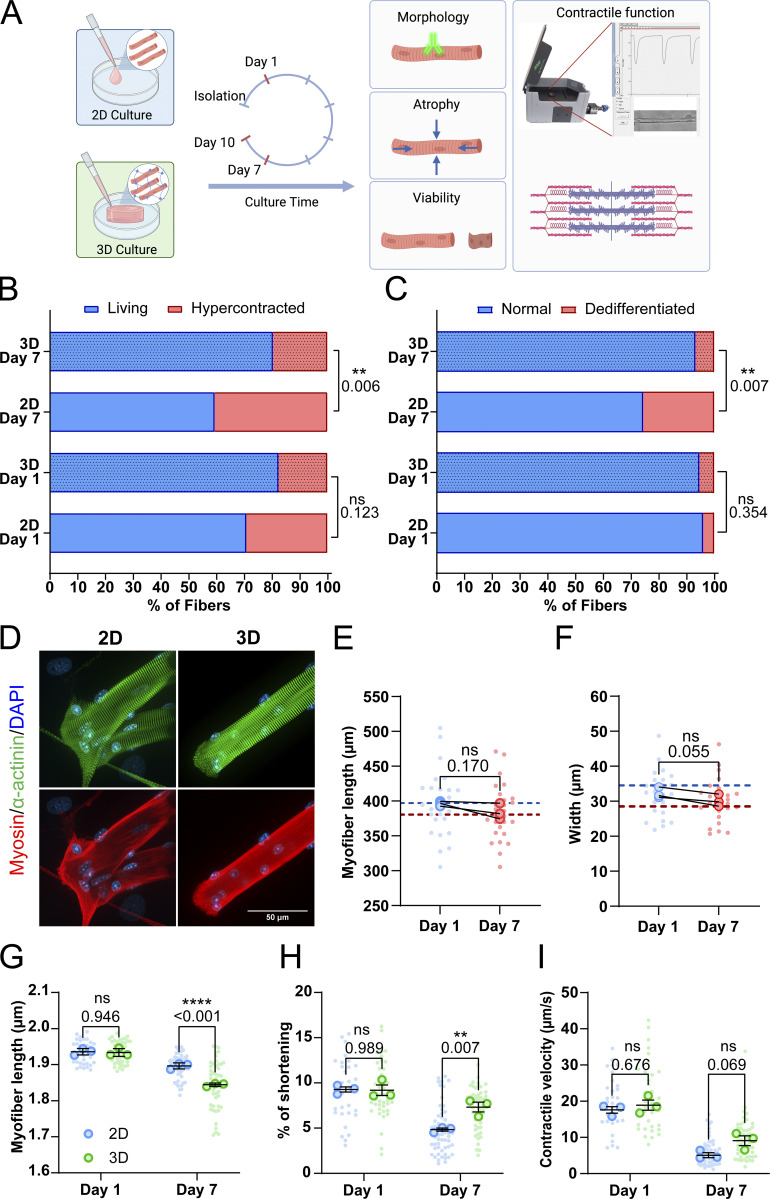 Figure 2
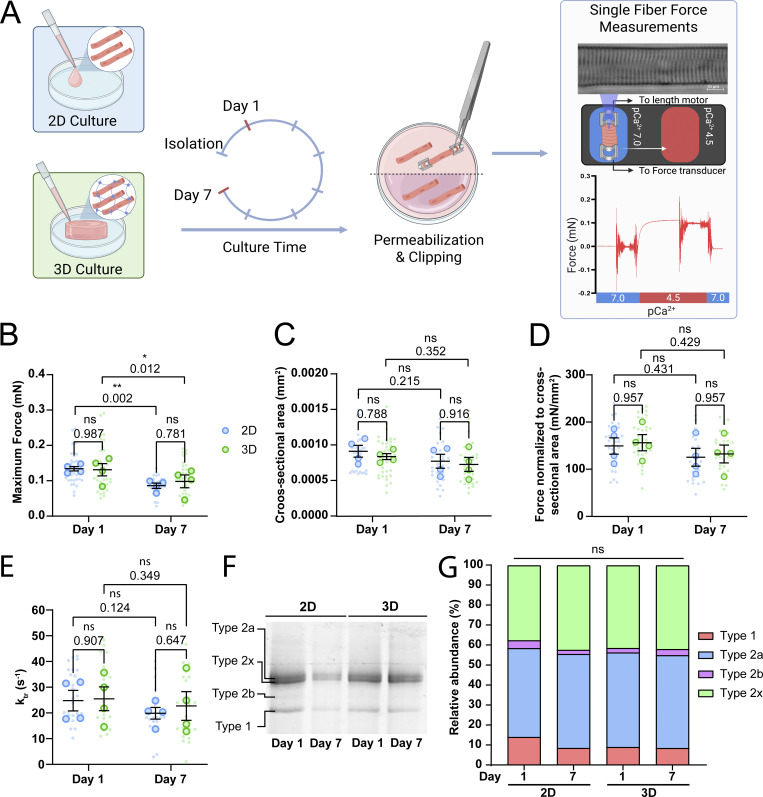 Figure 3
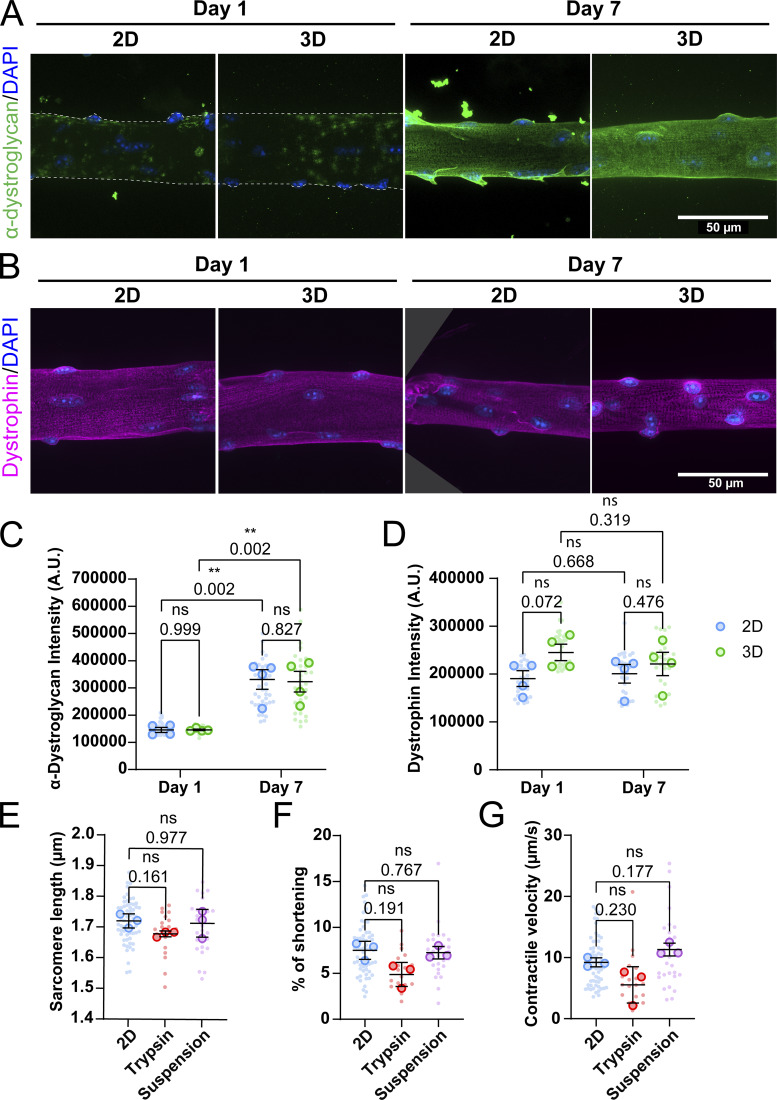 Figure 4
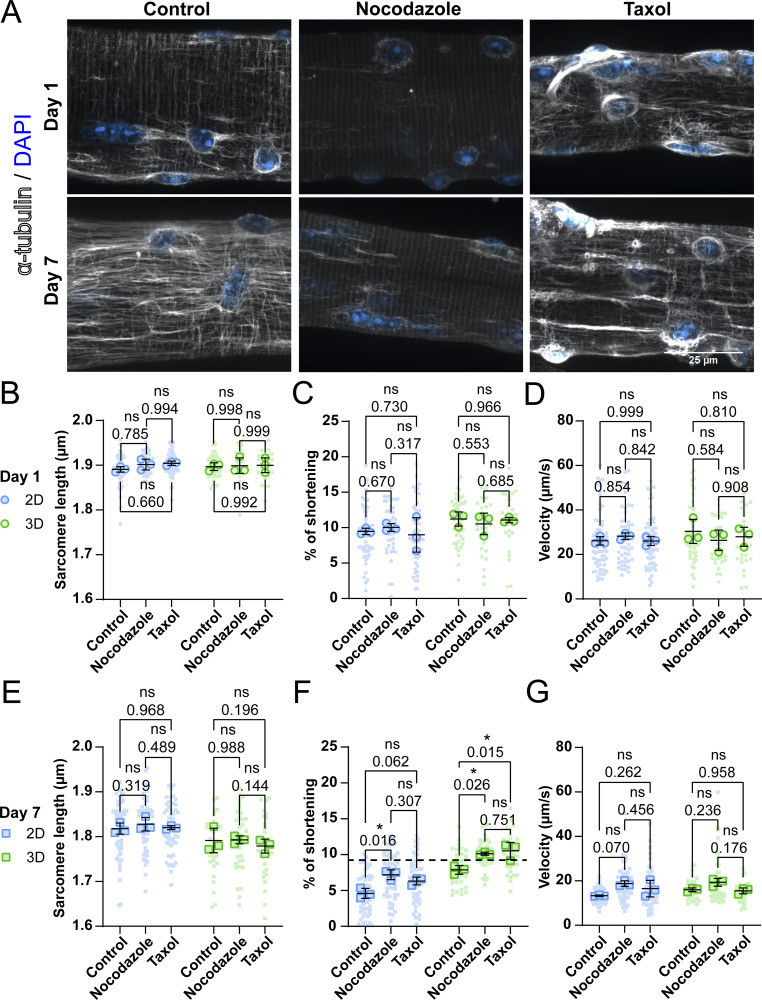 Figure 5
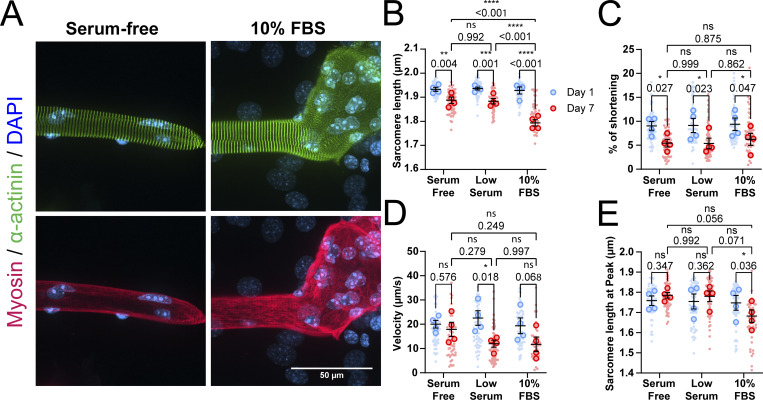 Figure 6
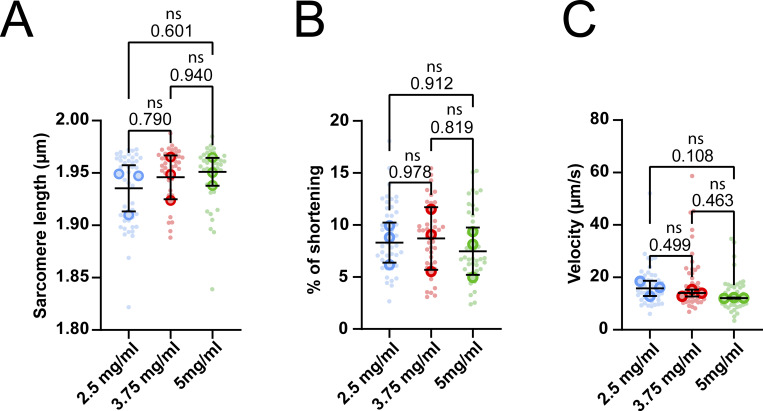 Figure 7
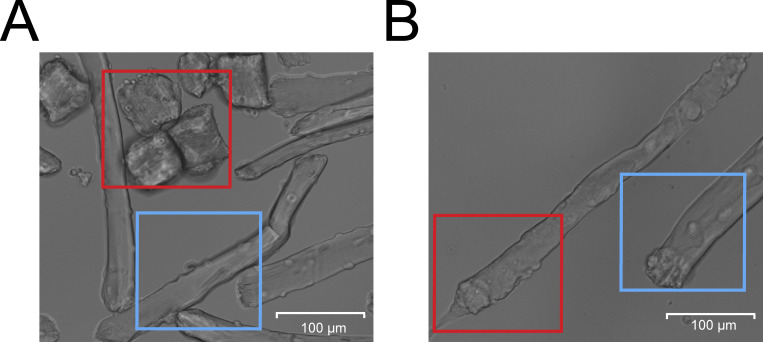 Figure 8
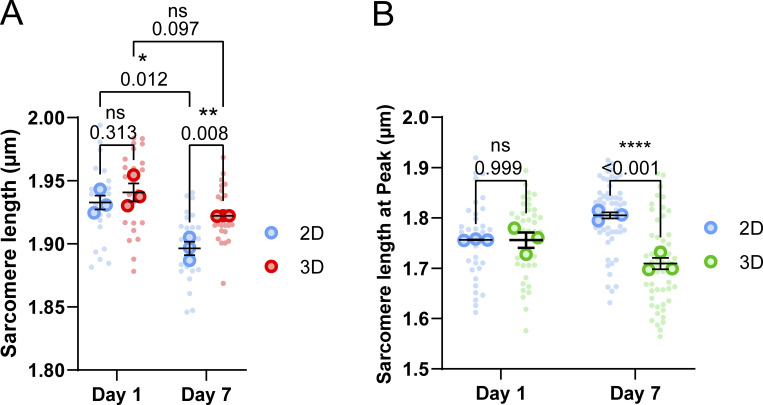 Figure 9
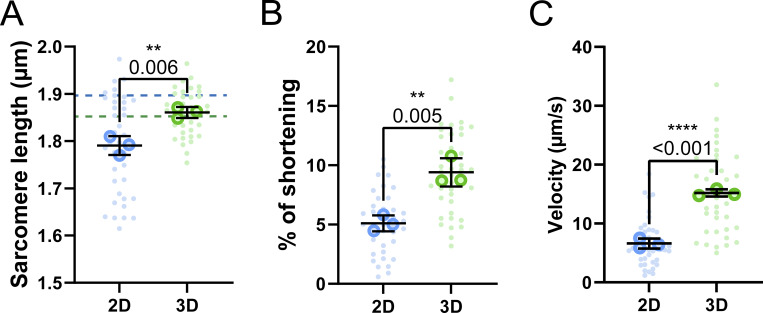 Figure 10
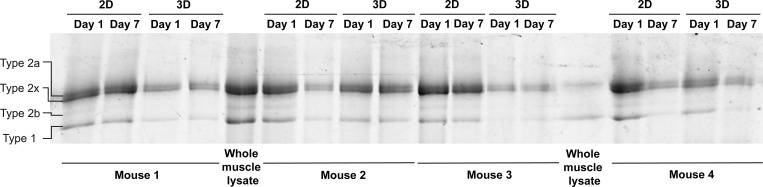 Figure 11
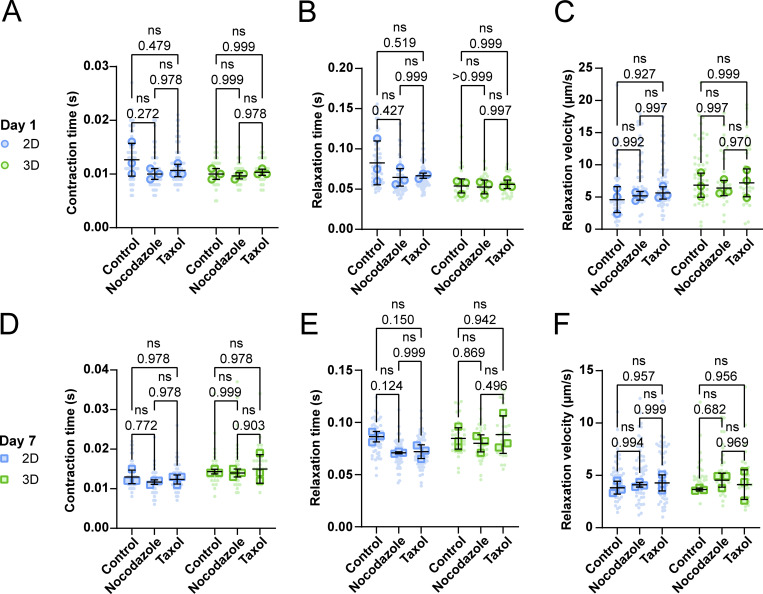 Figure 12
Peer Reviews
No public reviews on file for this paper yet. If you reviewed it on a platform where reviews are public (OpenReview, ICLR, NeurIPS, ICML), you can paste yours below so the community can read it here.
Videos
No videos yet. Explain this paper in a talk, walkthrough, or lecture? Add one.
Taxonomy
TopicsMuscle Physiology and Disorders · Tissue Engineering and Regenerative Medicine · 3D Printing in Biomedical Research