Elevated SLC1A5 links to inflamed endothelial cells and proteinuria in membranous nephropathy patients
Qingqin Tang, Yi Ling, Jianzhong Li, Bin Feng, Sheng Zhang, Deyu Xu, Ling Zhou, Lei Shen, Guoyuan Lu, Mingyu Chen, Longwei Qiao, Yuting Liang

TL;DR
This study finds that elevated SLC1A5 is linked to inflamed endothelial cells and proteinuria in membranous nephropathy patients, suggesting it could be a useful biomarker.
Contribution
The study identifies SLC1A5 as a novel serum biomarker and reveals new macrophage-endothelial cell interactions in membranous nephropathy.
Findings
Transcriptome analysis identified 95 differentially expressed genes, mainly in immune and metabolic pathways.
SLC1A5 was strongly correlated with proteinuria and confirmed as a key gene in MN pathogenesis.
Macrophage-endothelial cell communication and pro-inflammatory subtypes were linked to disease progression.
Abstract
Membranous nephropathy (MN) is an autoimmune glomerular disorder characterized by persistent proteinuria. Elucidating its pathophysiological mechanisms and signaling pathways is crucial for improving diagnostic and therapeutic strategies. We performed differential analysis on the MN glomerular transcriptome and assessed immune infiltration. Single-cell analysis identified key genes’ subcellular localization, while pseudotime and cell communication analyses determined subpopulations linked to MN progression. Genes causally related to MN onset were screened using Mendelian randomization, and serum core genes were correlated with proteinuria via ELISA. Transcriptome analysis revealed 95 differentially expressed genes, predominantly enriched in immune and metabolic pathways. Macrophage polarization played a pivotal role in MN, with monocytes/macrophages and endothelial cells identified as…
Genes, proteins, chemicals, diseases, species, mutations and cell lines named across the full text — each resolved to its canonical identifier and authoritative record.
Click any figure to enlarge with its caption.
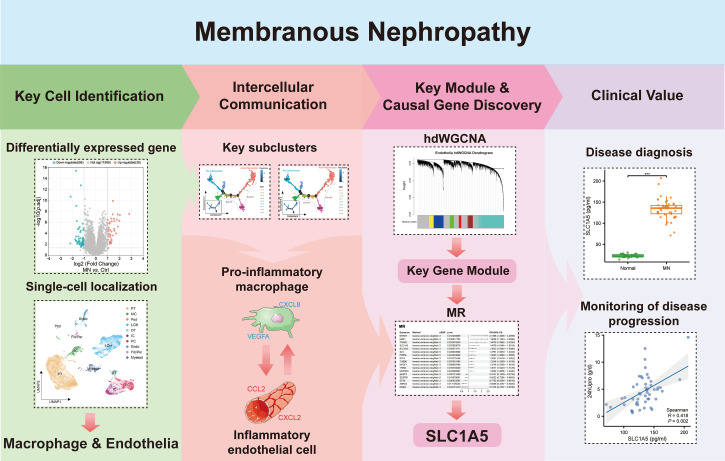 Figure 1
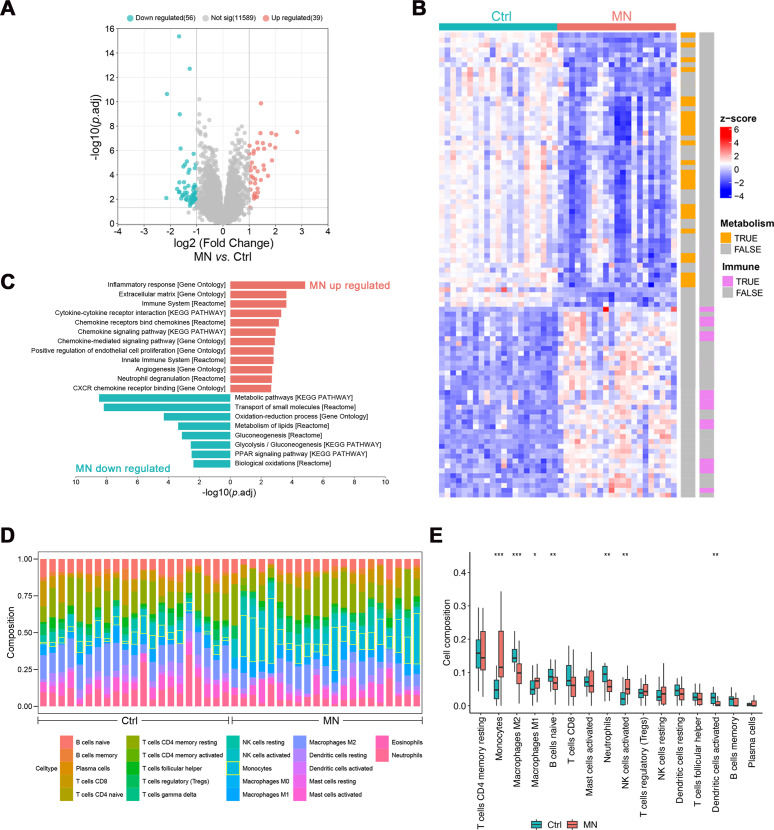 Figure 2
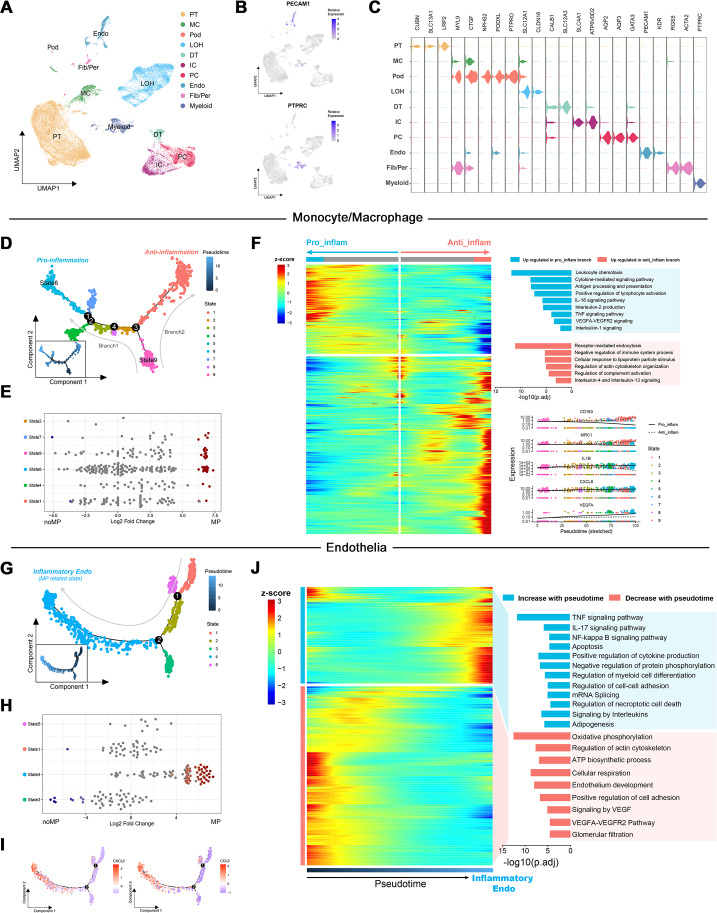 Figure 3
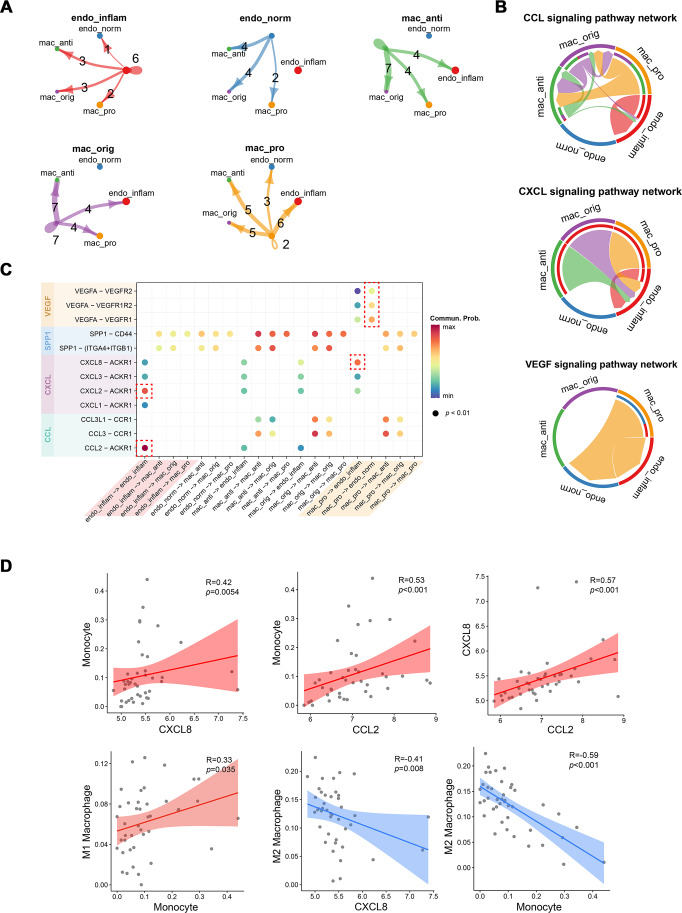 Figure 4
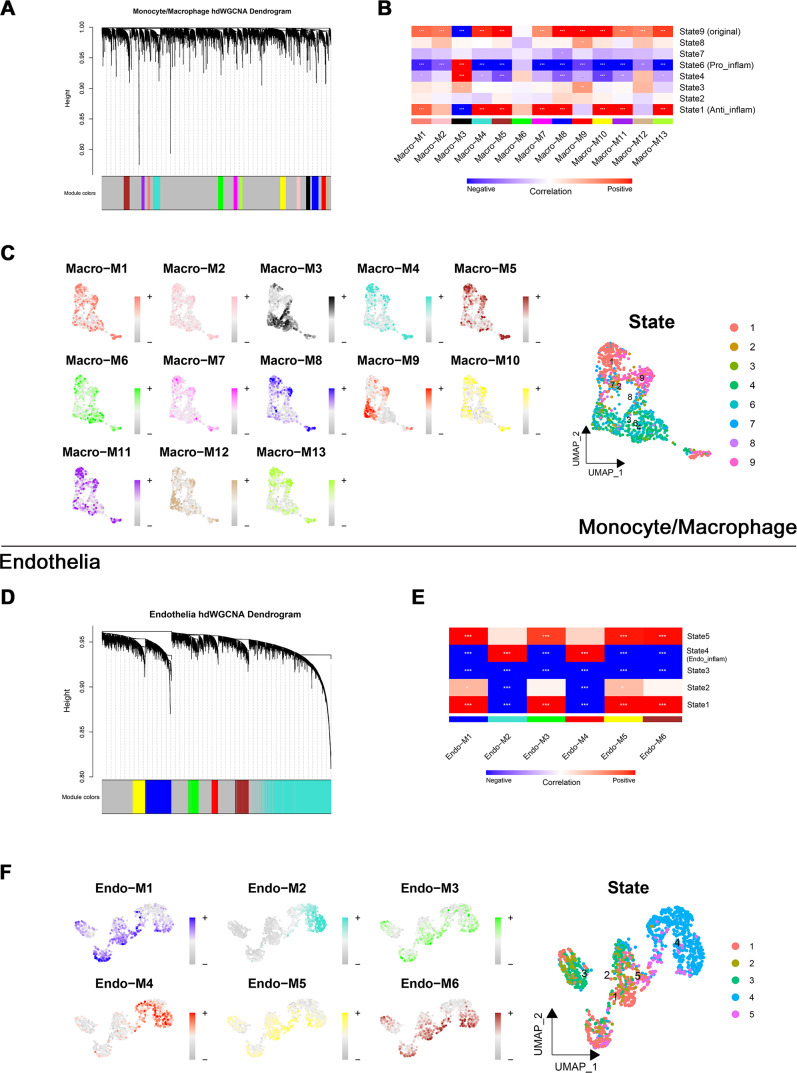 Figure 5
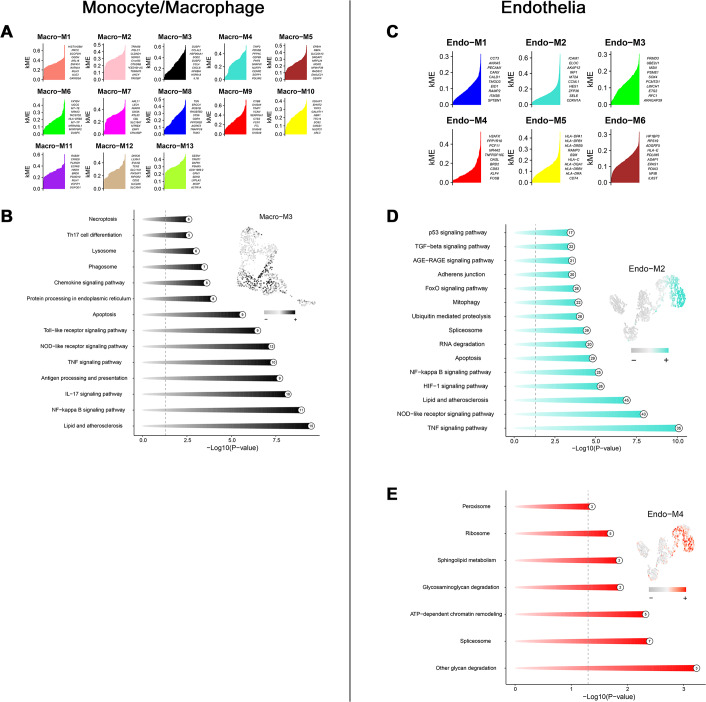 Figure 6
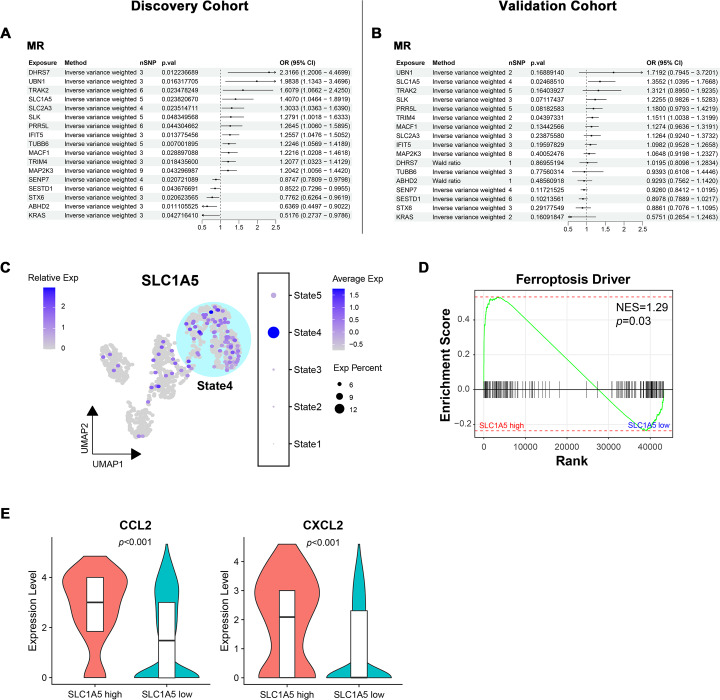 Figure 7
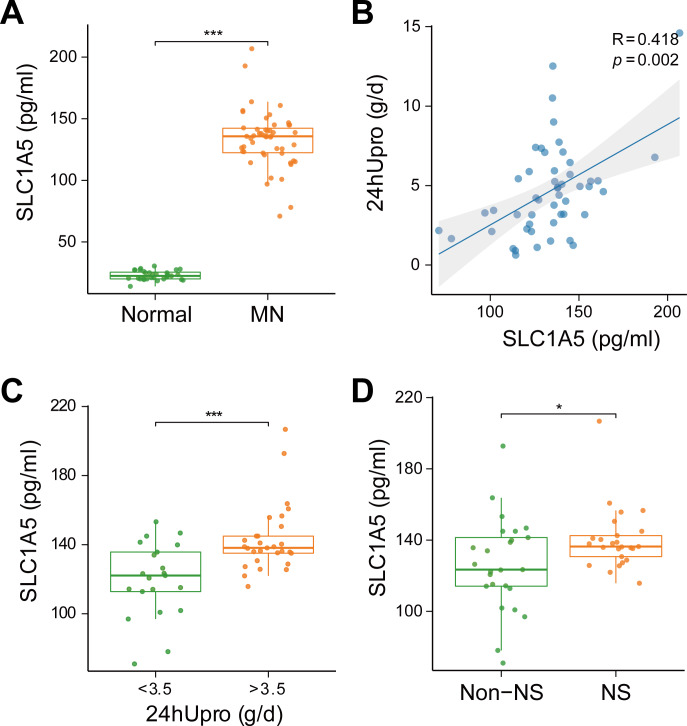 Figure 8
Peer Reviews
No public reviews on file for this paper yet. If you reviewed it on a platform where reviews are public (OpenReview, ICLR, NeurIPS, ICML), you can paste yours below so the community can read it here.
Videos
No videos yet. Explain this paper in a talk, walkthrough, or lecture? Add one.
Taxonomy
TopicsRenal Diseases and Glomerulopathies · Chronic Kidney Disease and Diabetes · Genetic and Kidney Cyst Diseases