Sleep in a mouse model of fragile X syndrome is resistant to metabolic manipulations
Mariela Lopez Valencia, Ricardo A Velázquez Aponte, Joseph A Baur, Thomas A Jongens, Amita Sehgal

TL;DR
Mice with fragile X syndrome show sleep issues that are not improved by metformin or high-fat diets, suggesting their sleep problems are not caused by metabolism.
Contribution
The study reveals that sleep deficits in fragile X syndrome mice are not due to metabolic dysfunction, challenging prior assumptions.
Findings
Metformin did not improve sleep in Fmr1 knockout mice but increased their activity.
High-fat diets disrupted sleep in controls but not in Fmr1 knockout mice.
Fmr1 knockout mice showed similar glucose tolerance to wild type despite hyperphagia.
Abstract
Fragile X Syndrome is the most prevalent known genetic cause of intellectual disability (ID), affecting around 1 in 4 000 individuals, and is also highly associated with autism spectrum disorder (ASD). Humans with the disorder and animal models display sleep and metabolic abnormalities. Given growing evidence of links between sleep and metabolism, we sought to determine if metabolic abnormalities underlie sleep deficits in mice lacking the Fragile X messenger ribonucleoprotein 1 (FMR1) gene. We found that metformin, a drug that targets metabolic pathways and has been shown to alleviate other symptoms in FXS, did not rescue sleep in mutant mice. Instead, metformin enhanced activity of Fmr1 knockout (KO) mice. As a way of exaggerating possible metabolic phenotypes, we treated mice with a high fat diet (HFD) and found that although this disrupted the sleep pattern in controls, it did not…
Genes, proteins, chemicals, diseases, species, mutations and cell lines named across the full text — each resolved to its canonical identifier and authoritative record.
Click any figure to enlarge with its caption.
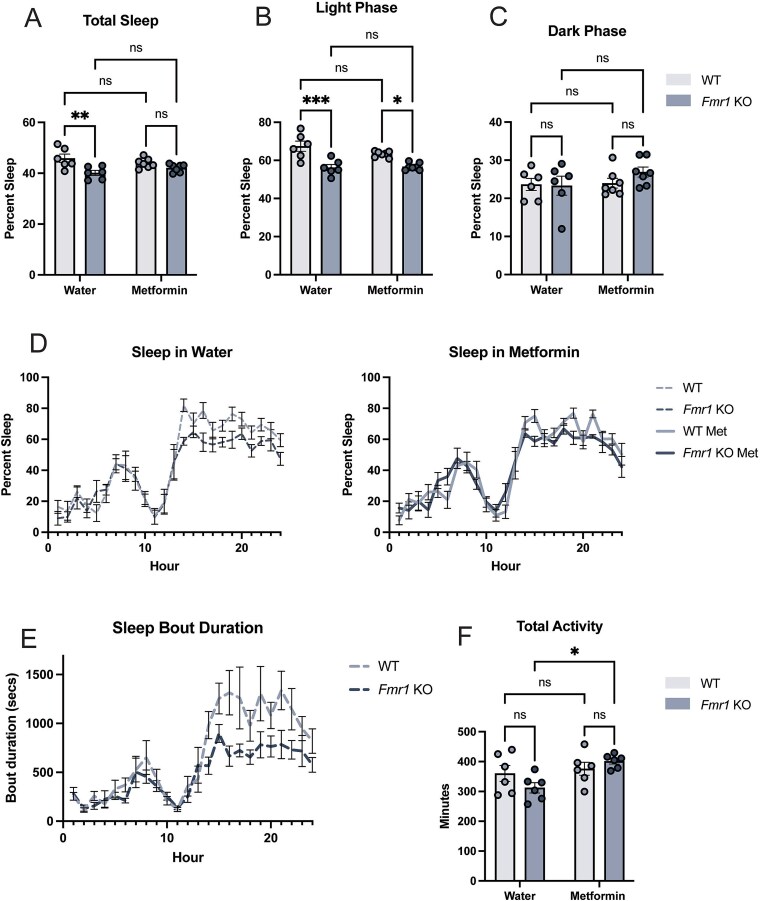 Figure 1
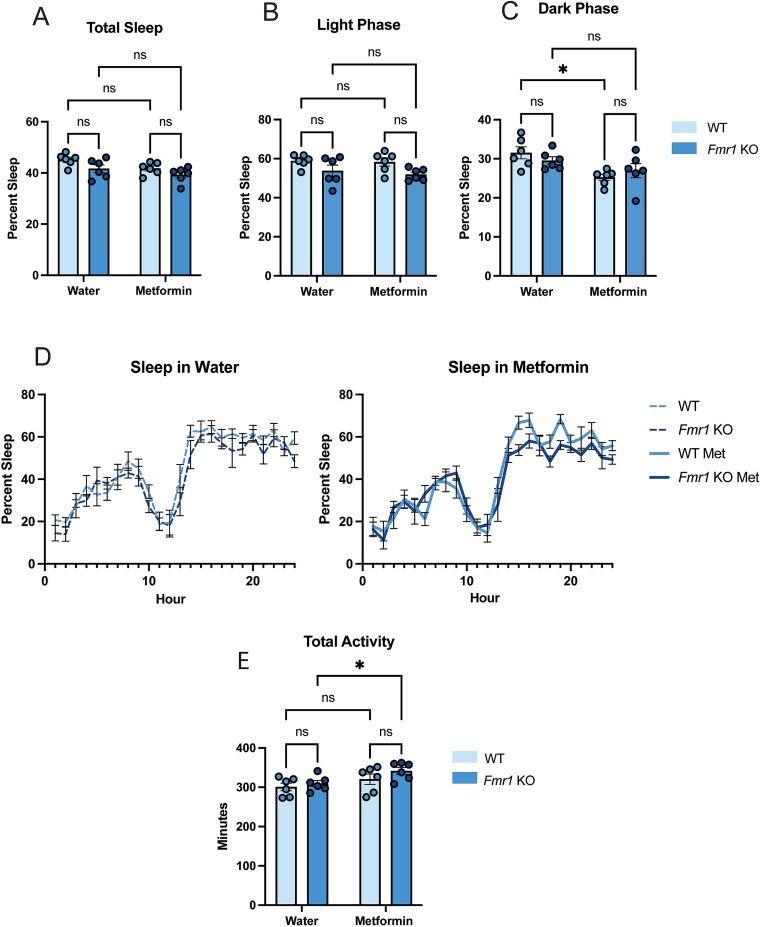 Figure 2
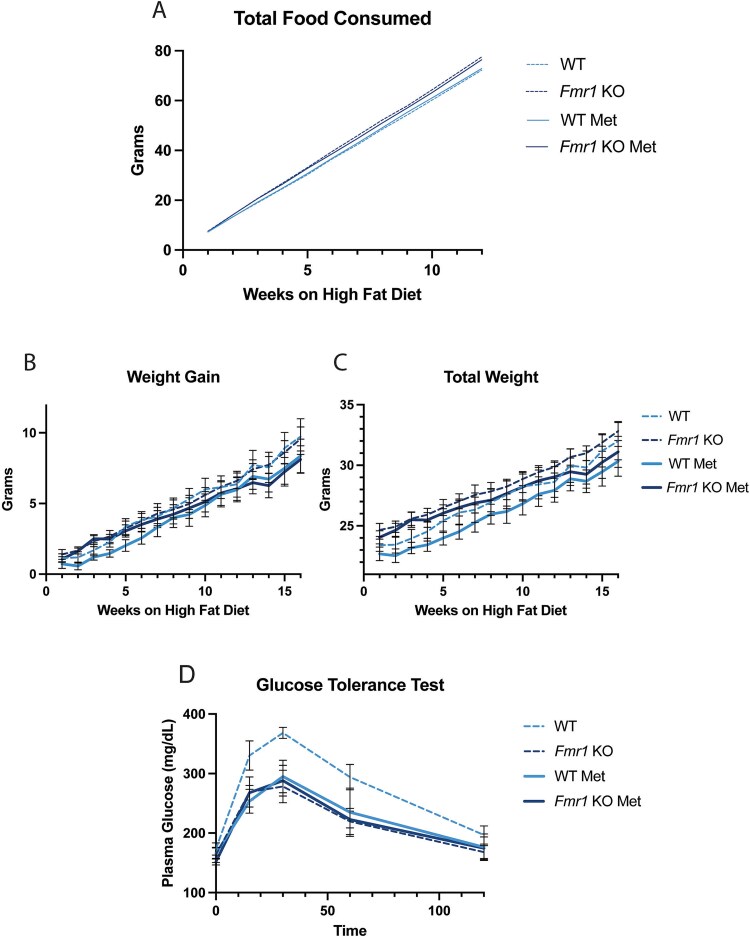 Figure 3
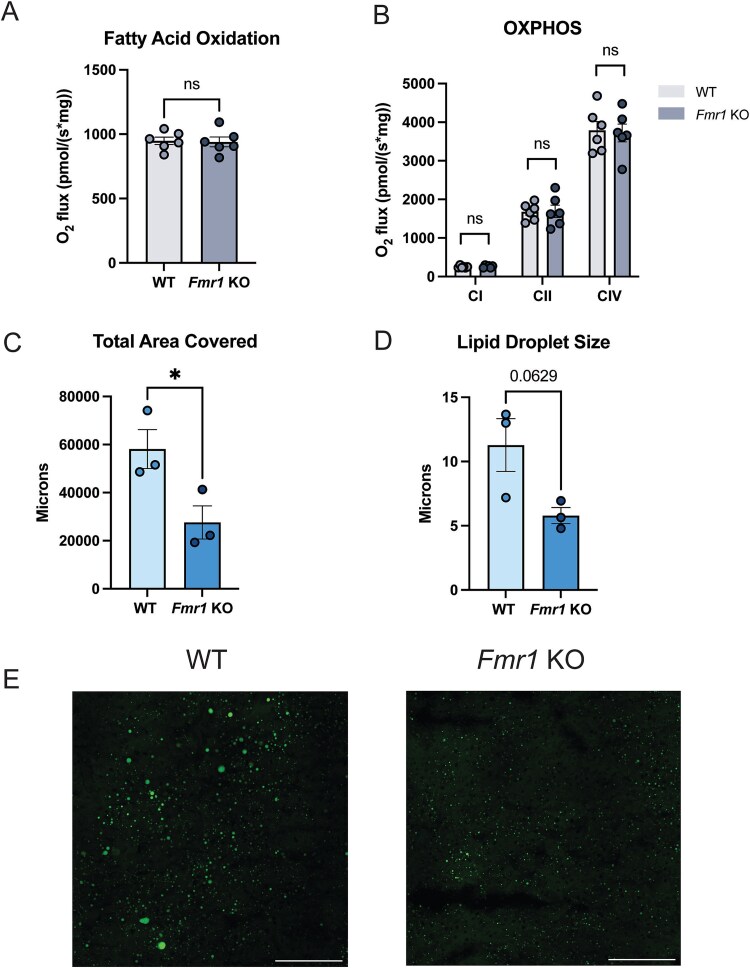 Figure 4
Peer Reviews
No public reviews on file for this paper yet. If you reviewed it on a platform where reviews are public (OpenReview, ICLR, NeurIPS, ICML), you can paste yours below so the community can read it here.
Videos
No videos yet. Explain this paper in a talk, walkthrough, or lecture? Add one.
Taxonomy
TopicsGenetics and Neurodevelopmental Disorders · Pancreatic function and diabetes · Autism Spectrum Disorder Research