SOX2 Is a Potential Diagnostic Biomarker and Anticancer Target in Cutaneous Squamous Cell Carcinoma in Dystrophic Epidermolysis Bullosa: A Case Series Study
Clara Harrs, Marieke Bolling, Peter van den Akker, Bart Koopman, Barbara Horváth, Gilles Diercks, Léon van Kempen

TL;DR
This study suggests that SOX2 could be a useful biomarker for diagnosing and treating aggressive skin cancer in patients with dystrophic epidermolysis bullosa.
Contribution
The study identifies SOX2 as a potential diagnostic biomarker and anticancer target specific to EB-associated cutaneous squamous cell carcinoma.
Findings
SOX2 mRNA and protein expression were upregulated in EB-cSCCs compared to non-EB-cSCCs.
SOX2 expression was also observed in EB-PEH, with evidence of transition to SOX2-positive cells in one case.
These findings suggest SOX2 may be involved in the progression from EB-PEH to EB-cSCC.
Abstract
A serious complication in epidermolysis bullosa (EB), particularly in recessive dystrophic EB, is the development of aggressive cutaneous squamous cell carcinoma with a high risk for metastasis and poor survival outcomes. The current standard of care is insufficient, and there is a critical need for safe and effective management options for this life-threatening complication in EB. Moreover, the pathophysiologic processes behind the aggressiveness of EB-associated cutaneous squamous cell carcinoma (EB-cSCC) remain elusive. Especially little is known about genetic drivers specific for EB-cSCC, and information about the molecular profile of these highly malignant tumors could lead to novel insights about the underlying pathogenesis. In addition, EB-associated pseudoepitheliomatous hyperplasia (EB-PEH) is difficult to distinguish from EB-cSCC histologically and could be a premalignant…
Genes, proteins, chemicals, diseases, species, mutations and cell lines named across the full text — each resolved to its canonical identifier and authoritative record.
Click any figure to enlarge with its caption.
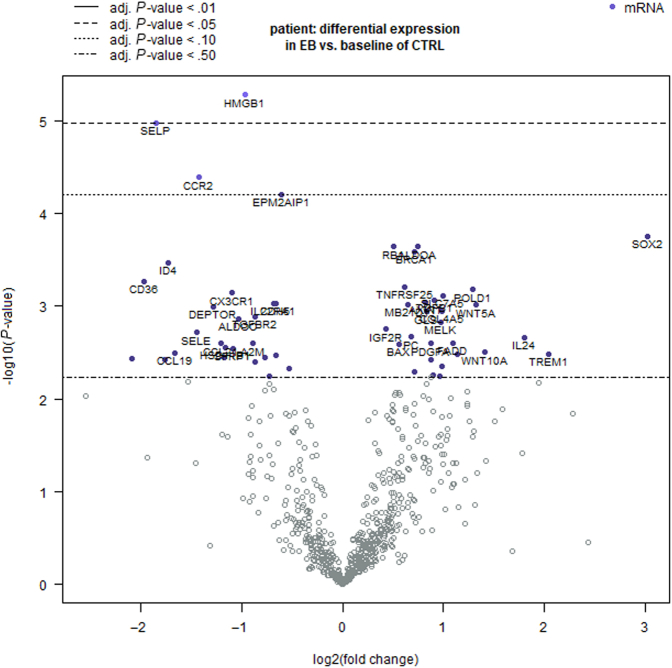 Figure 1
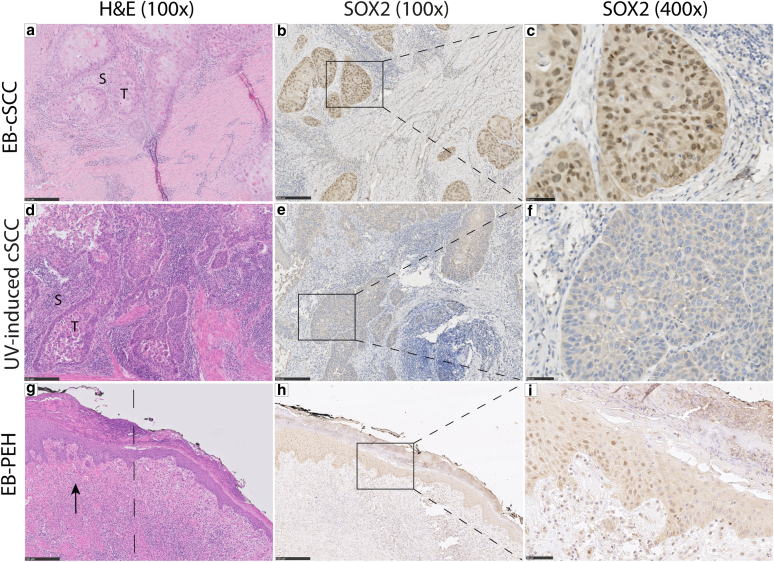 Figure 2
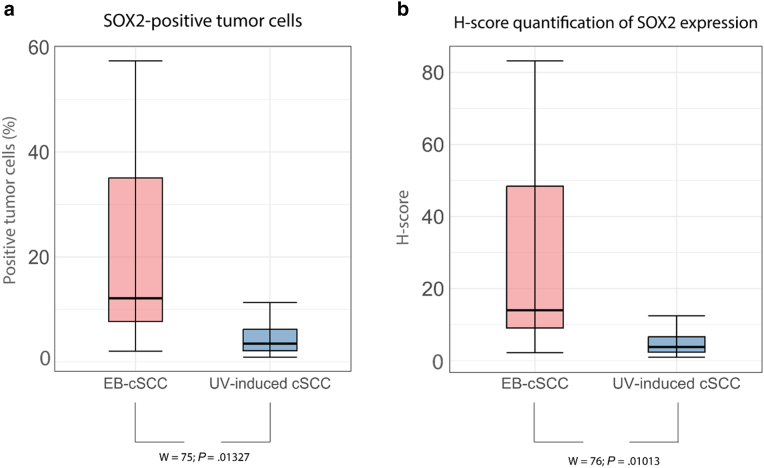 Figure 3
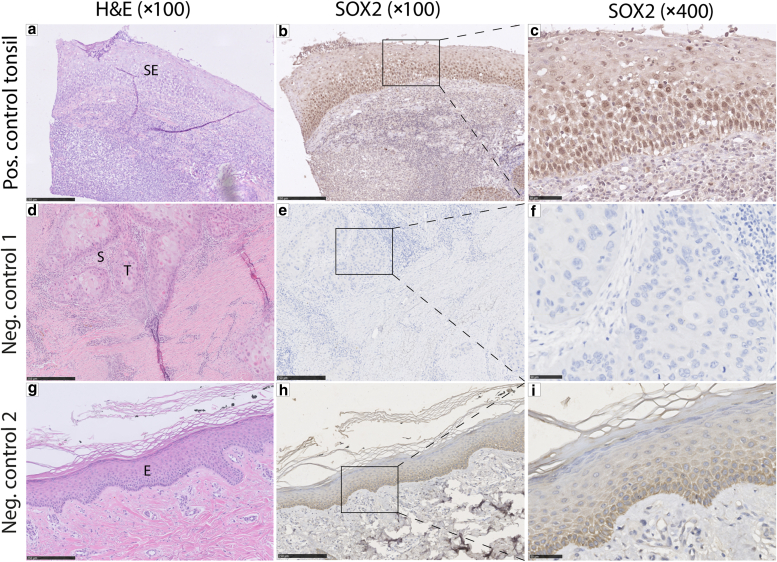 Figure 4
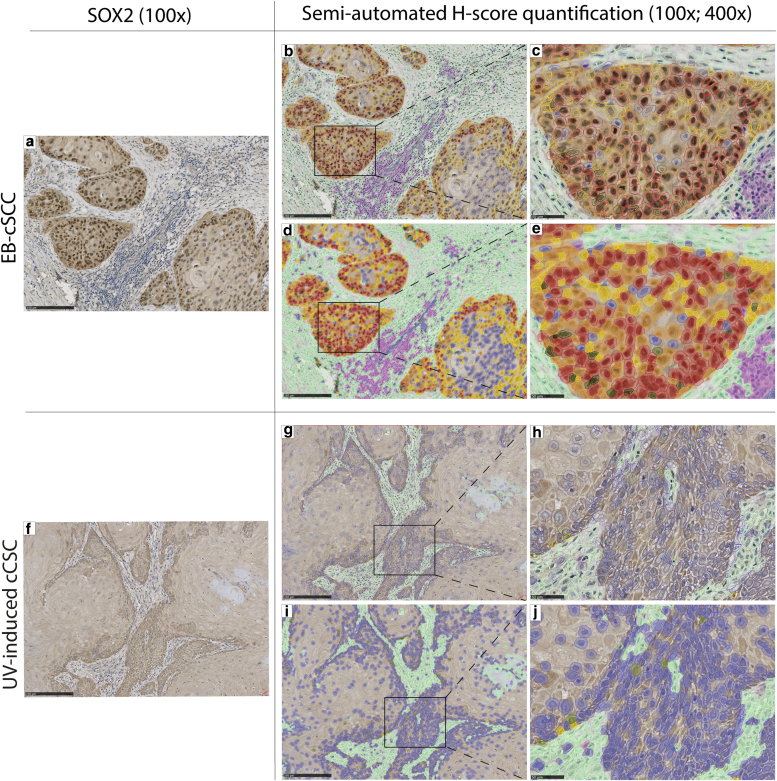 Figure 5
Peer Reviews
No public reviews on file for this paper yet. If you reviewed it on a platform where reviews are public (OpenReview, ICLR, NeurIPS, ICML), you can paste yours below so the community can read it here.
Videos
No videos yet. Explain this paper in a talk, walkthrough, or lecture? Add one.
Taxonomy
TopicsSkin and Cellular Biology Research · Autoimmune Bullous Skin Diseases · Dermatological and Skeletal Disorders