Exploring the Phytochemical and Physical Stability of Phycocyanin, Anthocyanins, and Betacyanin in a Cheesecake Product
Cristina Selin, Anda Tanislav, Laura Stan, Bernadette‐Emőke Teleky, Călina Ciont (Nagy), Florica Ranga, Vlad Mureşan, Andruţa Mureşan, Dan Cristian Vodnar, Mihaela Mihai, Ionela Daniela Morariu, Oana Lelia Pop

TL;DR
This study examines how natural colorants in cheesecake hold up with different sweeteners, finding that some combinations better preserve color and health benefits.
Contribution
The study introduces a comparative analysis of sweetener effects on natural pigments and antioxidants in cheesecake, offering practical insights for functional food development.
Findings
Xylitol-sweetened cheesecake retained the highest betacyanin concentration over 5 days.
Dextrose and fructose enhanced pigment stability and antioxidant properties more than xylitol and sorbitol.
Phycocyanin and cyanidin-3-glucoside showed robust stability across all sweeteners tested.
Abstract
Color has been recognized as a paramount sensory attribute in the food industry. Although synthetic colorants have traditionally been used to ensure consistent color in food products, growing concerns about their possible toxicity and environmental impact have led to a shift toward using natural, biobased pigments. This study explored the phytochemical stability of three natural colorants (phycocyanin, anthocyanins, and betacyanin) incorporated in a cheesecake product and their interactions with various sweeteners (sucrose, fructose, sorbitol, dextrose, and xylitol). The fillings and cakes were analyzed for their phytochemical composition, color, and antioxidant properties. Phycocyanin and cyanidin‐3‐glucoside confirmed robust stability across all sweeteners. In contrast, xylitol‐sweetened cheesecake retained the highest betacyanin concentration (7.81 mg/g) and maintained it over the…
Genes, proteins, chemicals, diseases, species, mutations and cell lines named across the full text — each resolved to its canonical identifier and authoritative record.
Click any figure to enlarge with its caption.
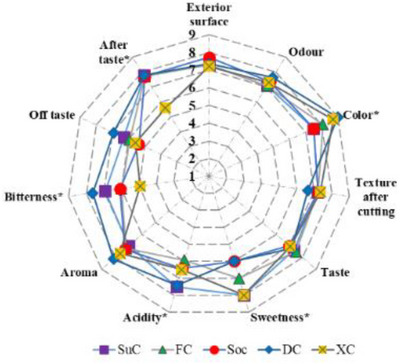 Figure 1
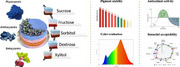 Figure 2
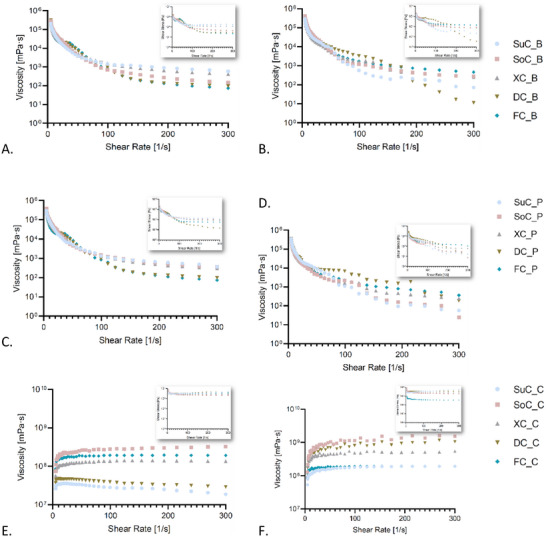 Figure 3
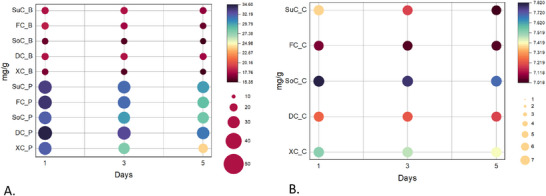 Figure 4
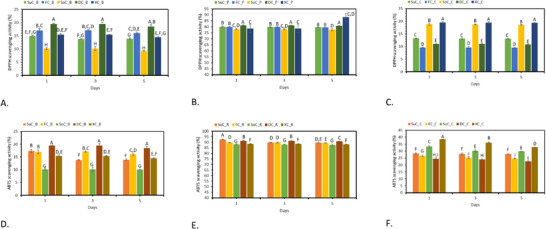 Figure 5
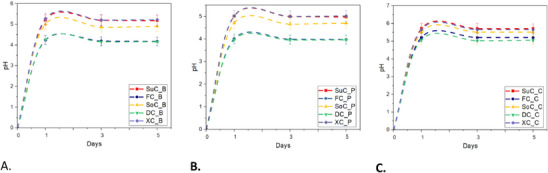 Figure 6
Peer Reviews
No public reviews on file for this paper yet. If you reviewed it on a platform where reviews are public (OpenReview, ICLR, NeurIPS, ICML), you can paste yours below so the community can read it here.
Videos
No videos yet. Explain this paper in a talk, walkthrough, or lecture? Add one.
Taxonomy
TopicsBotanical Research and Applications · Phytochemicals and Antioxidant Activities · Polysaccharides Composition and Applications