Rapid cyclic stretching of cultured human visceral smooth muscle cells promotes a synthetic, proinflammatory phenotype
Sharon M. Wolfson, Katherine Beigel, Sierra E. Anderson, Brooke Deal, Molly Weiner, Se-Hwan Lee, Deanne M. Taylor, Su Chin Heo, Robert O. Heuckeroth, Sohaib K. Hashmi

TL;DR
Stretching bowel smooth muscle cells rapidly changes their behavior to become proinflammatory, which could contribute to bowel diseases.
Contribution
Demonstrates that high-frequency mechanical stress rapidly induces a synthetic, proinflammatory phenotype in human intestinal smooth muscle cells.
Findings
High-frequency cyclic stretching alters gene expression in smooth muscle cells, promoting a synthetic and proinflammatory state.
Loaded cells show increased expression of cytokines and altered axon guidance molecules and growth factors.
Mechanical stress may convert contractile smooth muscle cells into fibroblast-like or proinflammatory cells.
Abstract
Bowel smooth muscle experiences mechanical stress constantly during normal function and pathologic mechanical stressors in disease states. We tested the hypothesis that pathologic mechanical stress could alter transcription to induce smooth muscle phenotypic class switching. To test this hypothesis, primary human intestinal smooth muscle cells (HISMCs), seeded on electrospun aligned poly-ε-caprolactone nano-fibrous scaffolds, were subjected to pathologic, high-frequency (1 Hz) uniaxial 3% cyclic stretch (loaded) or kept unloaded in culture for 6 hours. RNA-Seq, quantitative PCR (qPCR), and quantitative IHC defined loading-induced changes in gene expression. NicheNet predicted how differentially expressed genes might affect HISMCs and other bowel cells. These studies show loading induced differential expression of 4,537 HISMC genes. Loaded HISMCs had a less contractile phenotype, with…
Genes, proteins, chemicals, diseases, species, mutations and cell lines named across the full text — each resolved to its canonical identifier and authoritative record.
Click any figure to enlarge with its caption.
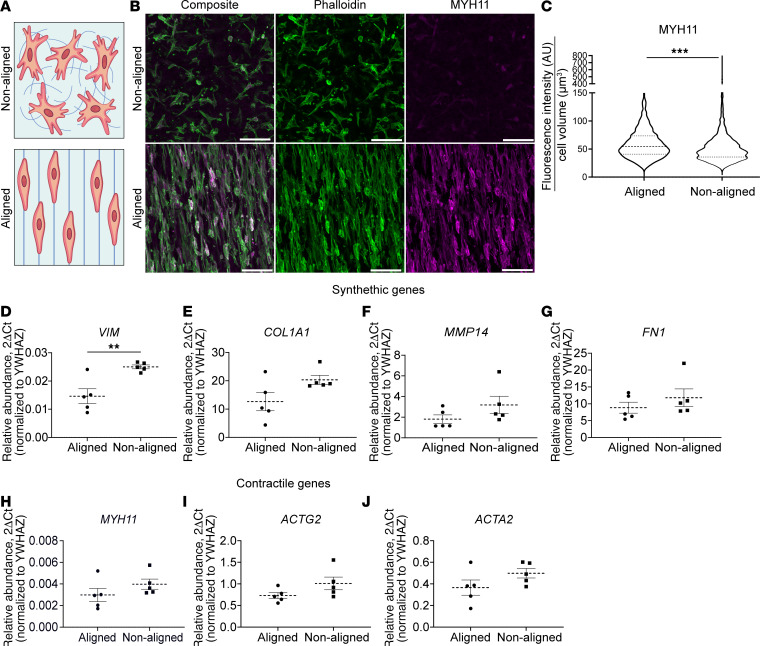 Figure 1
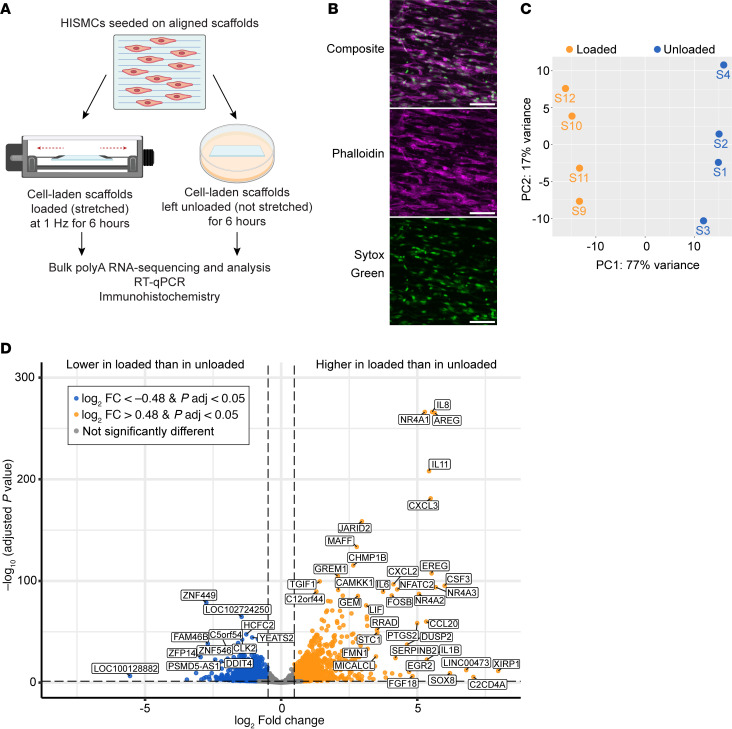 Figure 2
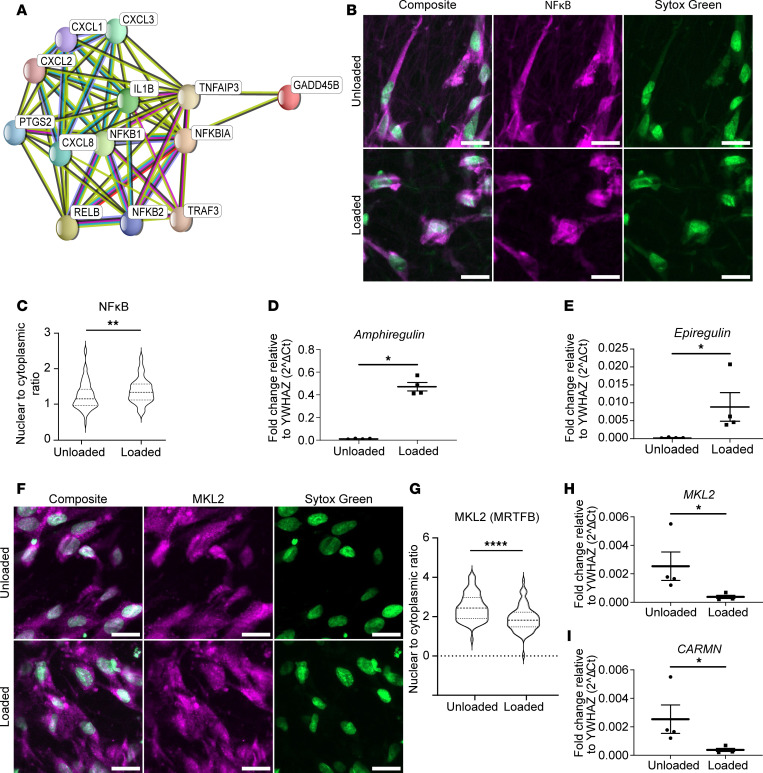 Figure 3
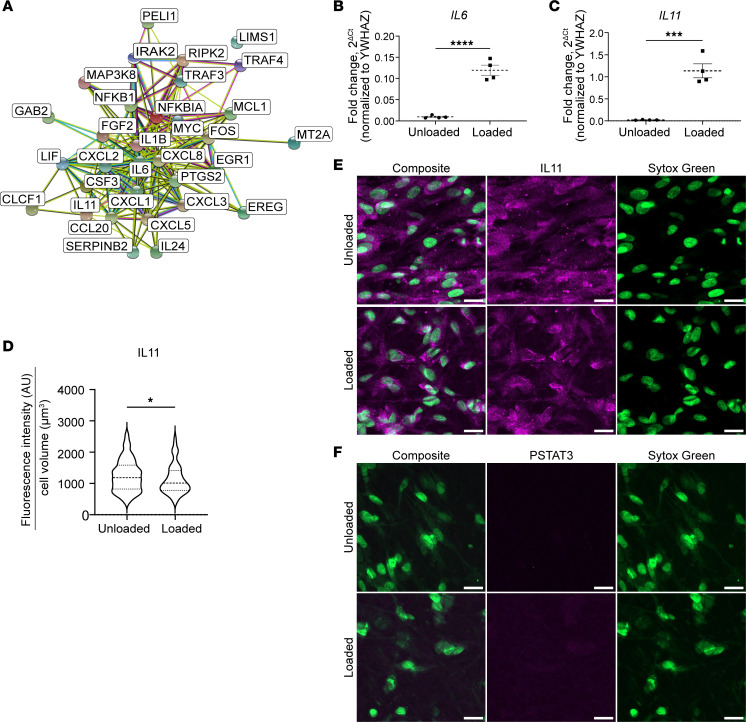 Figure 4
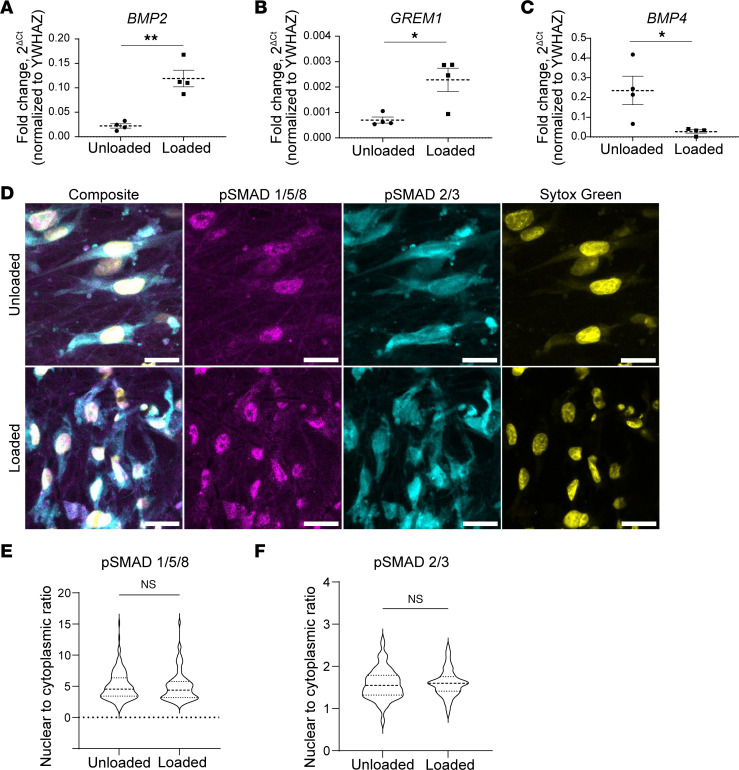 Figure 5
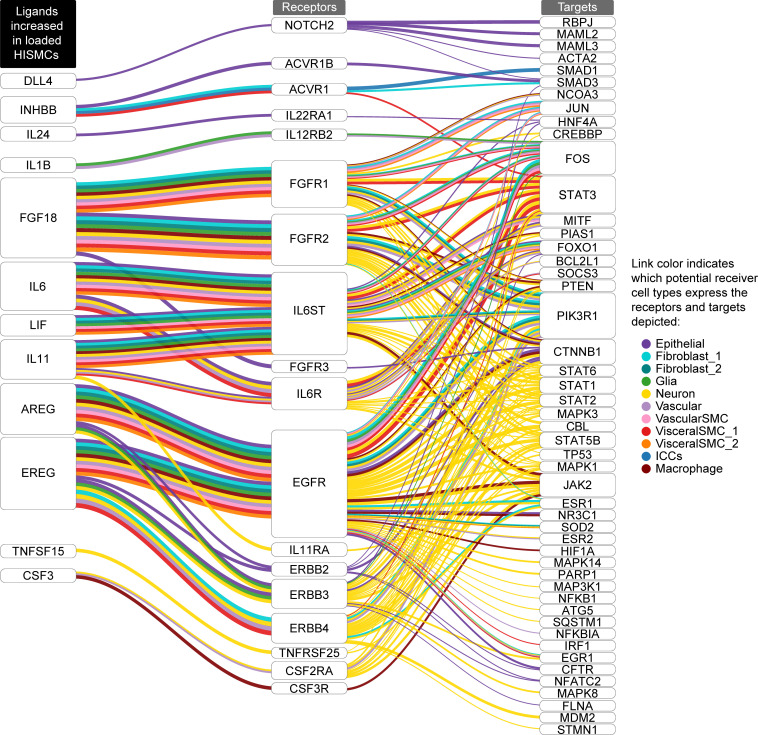 Figure 6
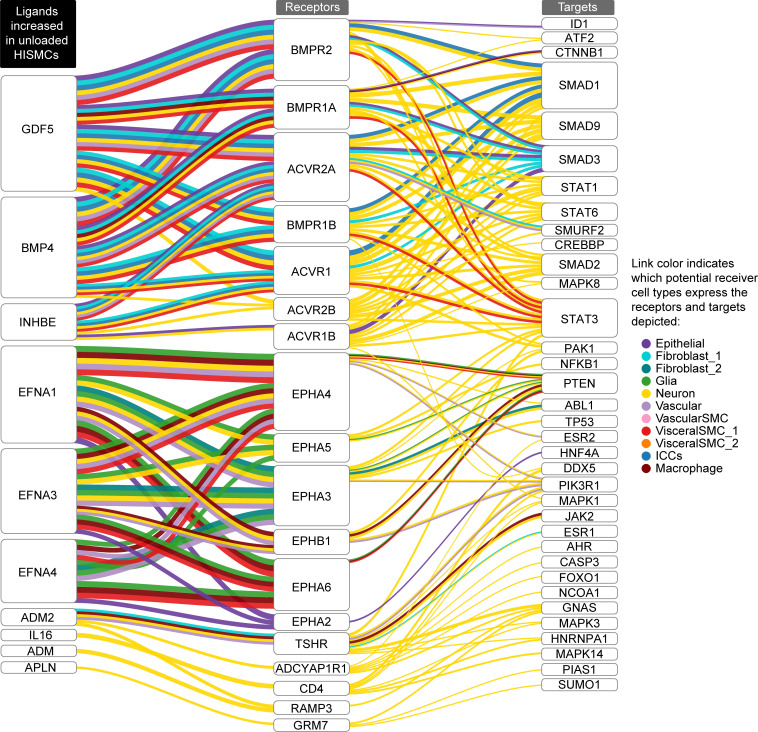 Figure 7
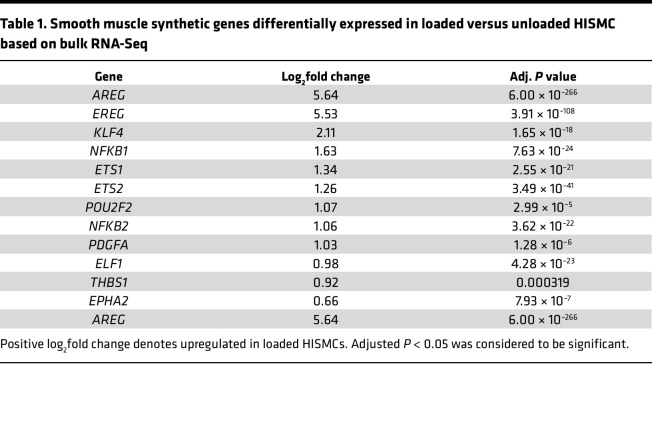 Figure 8
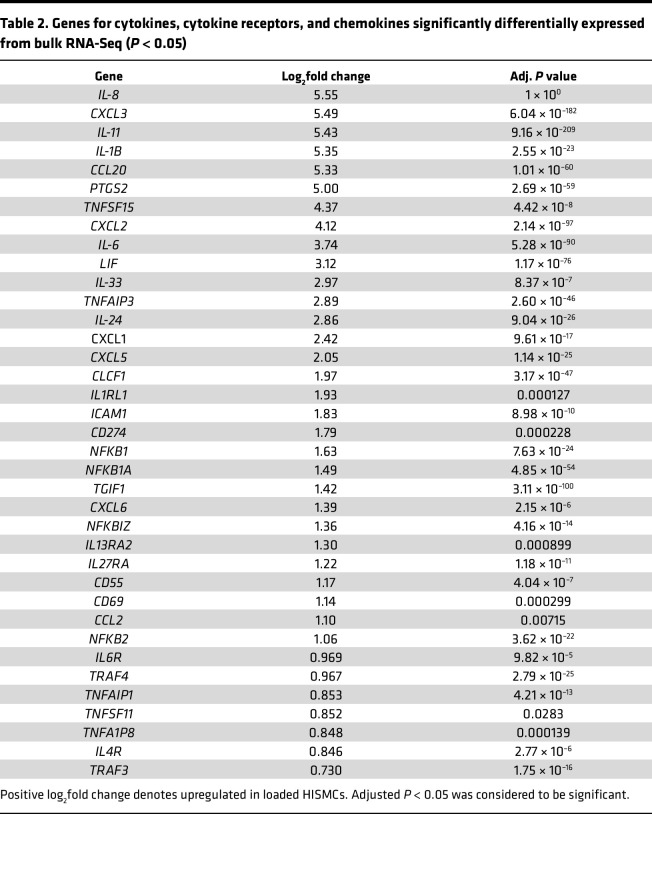 Figure 9
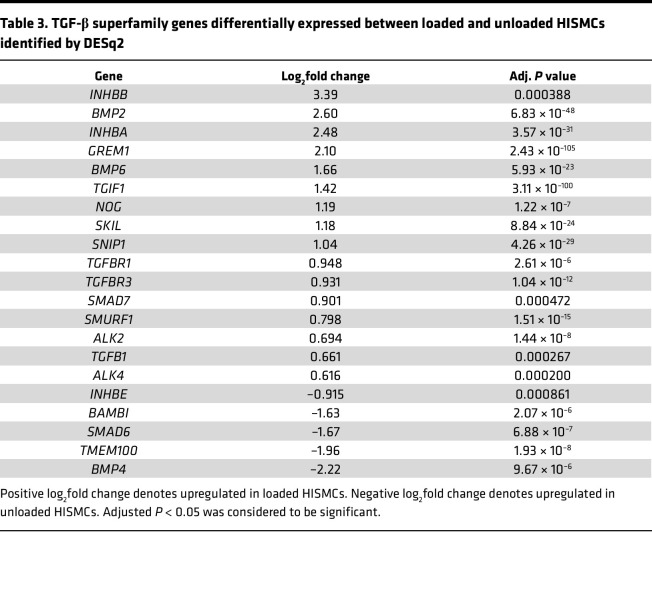 Figure 10
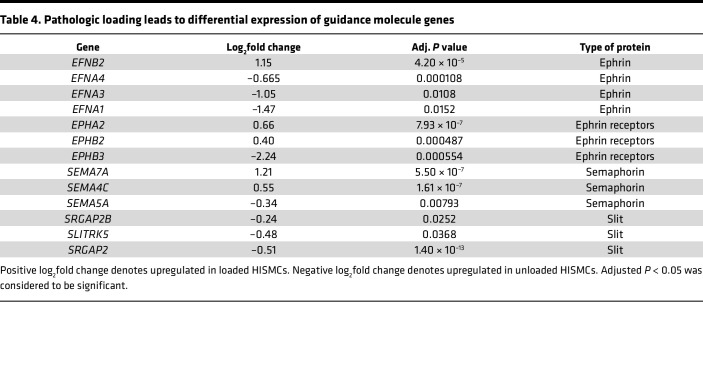 Figure 11
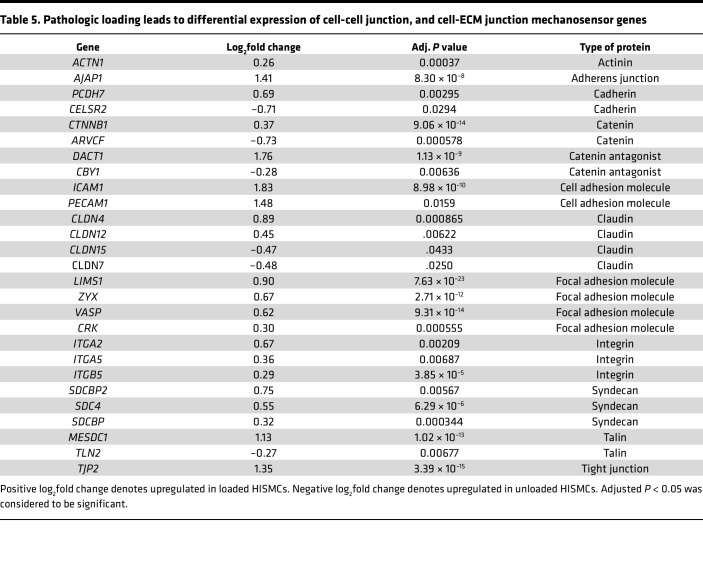 Figure 12
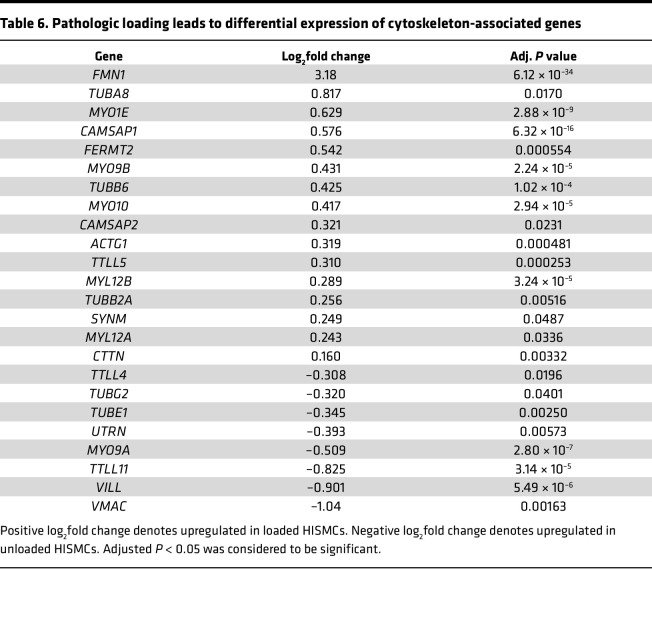 Figure 13
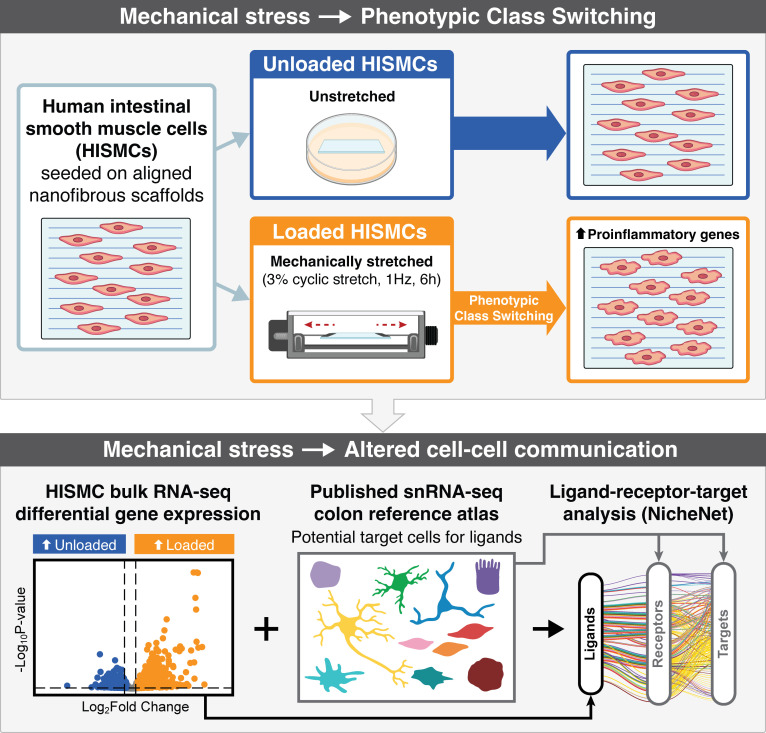 Figure 14
Peer Reviews
No public reviews on file for this paper yet. If you reviewed it on a platform where reviews are public (OpenReview, ICLR, NeurIPS, ICML), you can paste yours below so the community can read it here.
Videos
No videos yet. Explain this paper in a talk, walkthrough, or lecture? Add one.
Taxonomy
TopicsCellular Mechanics and Interactions · Cancer Cells and Metastasis