Histamine-induced RPS6 phosphorylation in dendritic cells is associated with the severity of peanut allergic reactions
Florent Fauchère, Andreas Thiel, Margitta Worm, Julian Braun

TL;DR
This study finds that histamine signaling in dendritic cells after basophil activation increases RPS6 phosphorylation, which is linked to the severity of peanut allergies in adults.
Contribution
The study identifies a novel age-dependent mechanism linking histamine signaling and RPS6 phosphorylation in dendritic cells to food allergy severity.
Findings
RPS6 phosphorylation in dendritic cells is increased via histamine receptor 2 signaling after IgE-dependent basophil activation.
In adults, increased RPS6 phosphorylation in conventional DCs correlates with peanut allergy severity.
This association is not observed in children, suggesting age-dependent differences in allergy mechanisms.
Abstract
The phosphorylation of the ribosomal protein S6 (RPS6) was reported to be increased in myeloid cell subsets after stimulation with peanut extract in peanut-allergic individuals or with anti-IgE antibodies in both allergic and nonallergic donors. The mechanisms driving this increase of RPS6 phosphorylation (pS6) and its clinical impacts remain to be elucidated. Therefore, we investigated the mechanism of pS6 induction in plasmacytoid DCs (pDCs) and conventional DCs (cDCs) using whole blood stimulated with peanut extract or anti-IgE antibodies. This approach included in vitro basophil depletion and the application of receptor antagonists. Clinical associations with differential pS6 were performed with data from a well-defined cohort of peanut-allergic individuals participating in the food intervention trial TINA. Our findings revealed an increase of pS6 in pDCs and cDCs via histamine…
Genes, proteins, chemicals, diseases, species, mutations and cell lines named across the full text — each resolved to its canonical identifier and authoritative record.
Click any figure to enlarge with its caption.
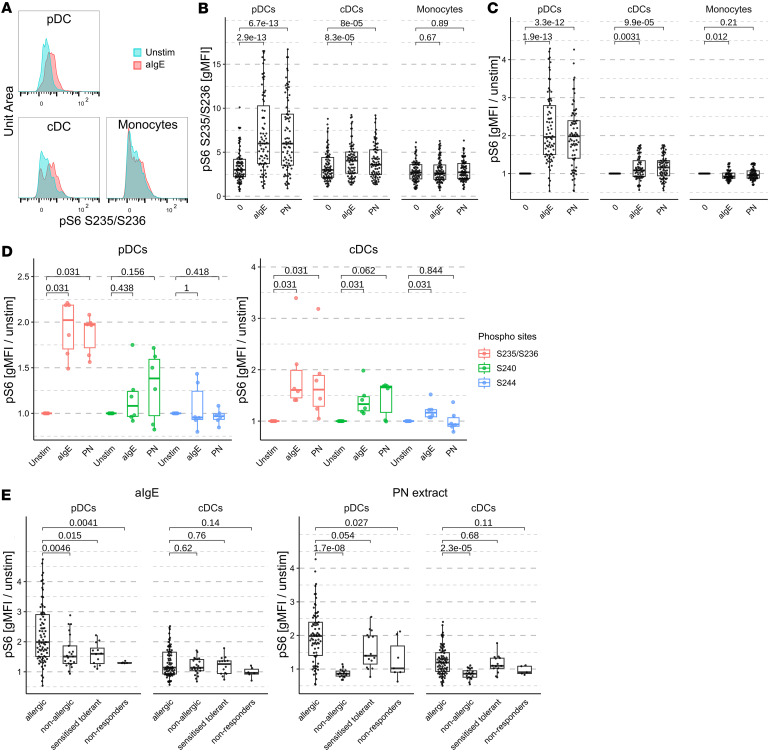 Figure 1
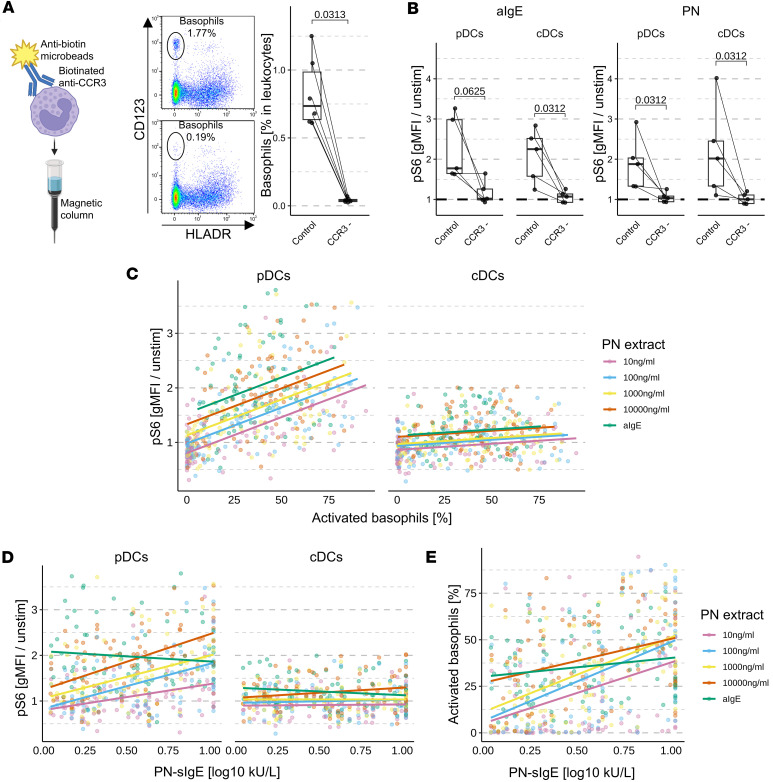 Figure 2
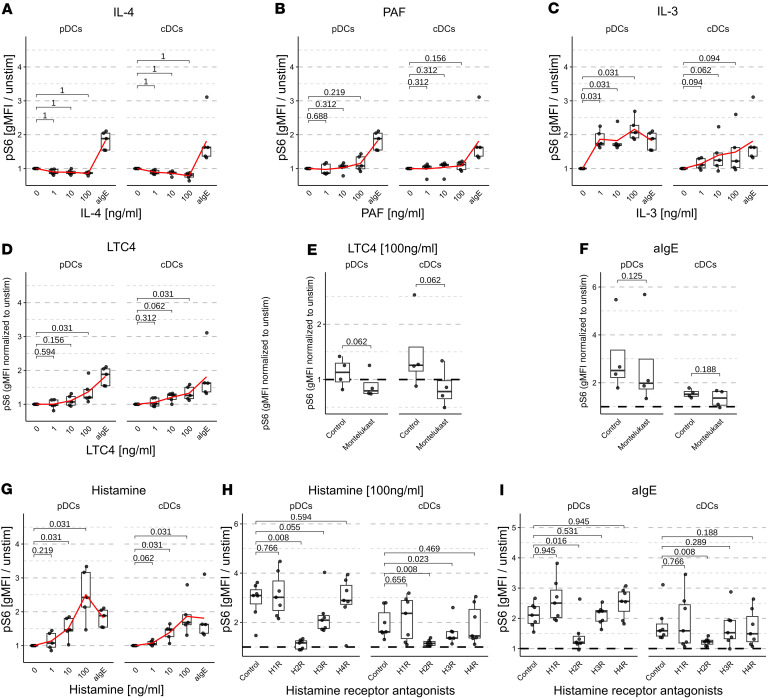 Figure 3
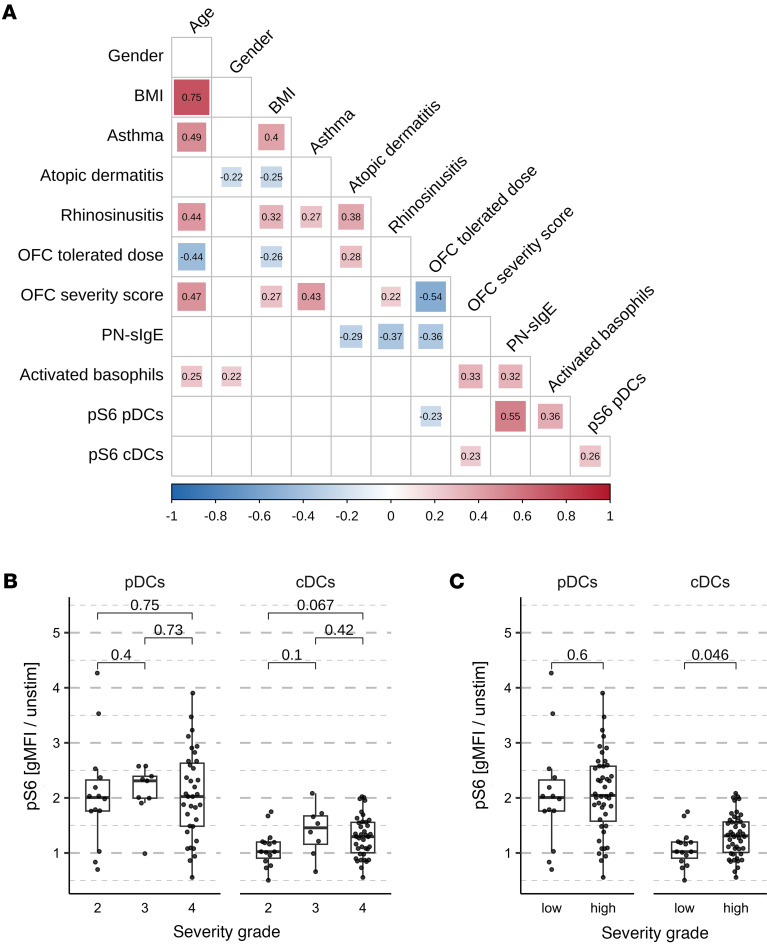 Figure 4
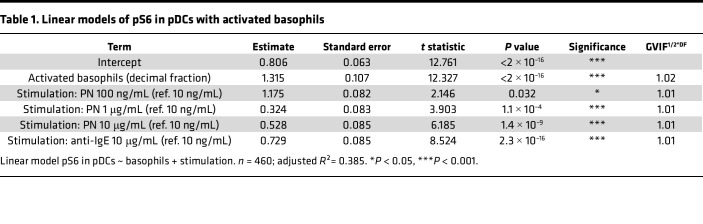 Figure 5
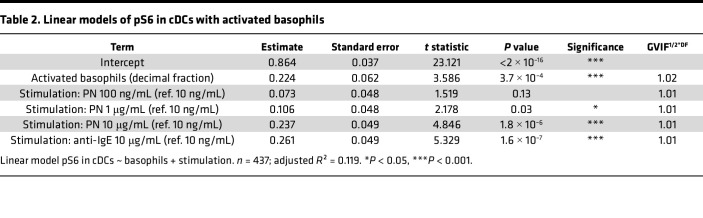 Figure 6
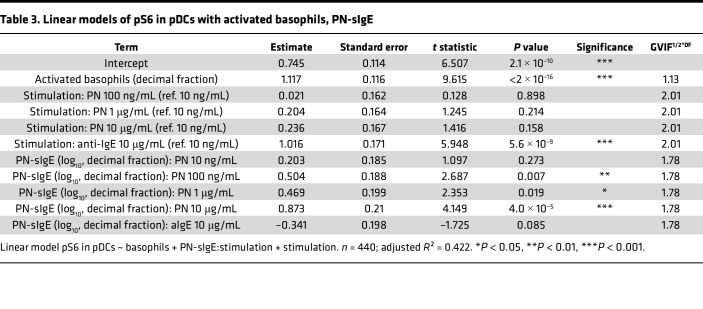 Figure 7
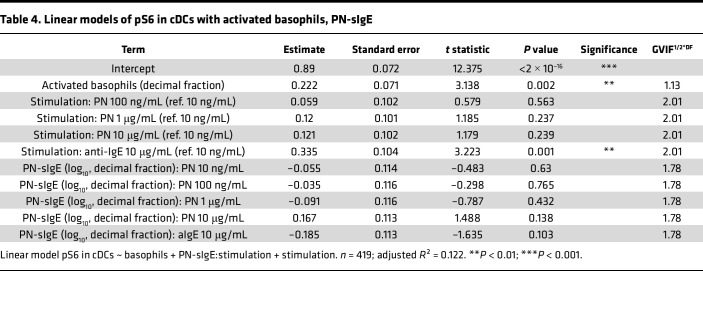 Figure 8
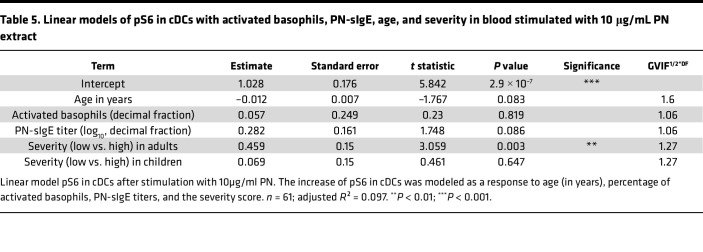 Figure 9
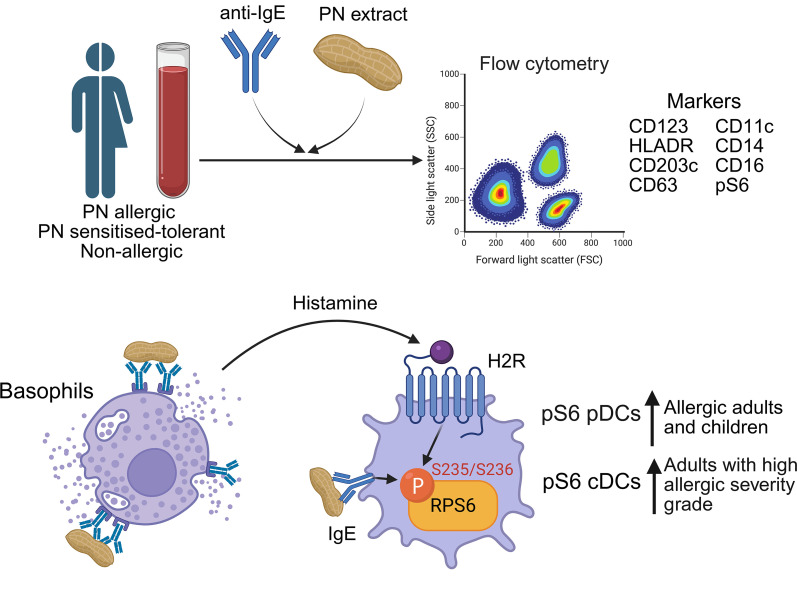 Figure 10
Peer Reviews
No public reviews on file for this paper yet. If you reviewed it on a platform where reviews are public (OpenReview, ICLR, NeurIPS, ICML), you can paste yours below so the community can read it here.
Videos
No videos yet. Explain this paper in a talk, walkthrough, or lecture? Add one.
Taxonomy
TopicsFood Allergy and Anaphylaxis Research · Mast cells and histamine · Monoclonal and Polyclonal Antibodies Research