CRB3 and NF2 orchestrate cytoskeletal dynamics to control epithelial barrier assembly
Shuling Fan, Saranyaraajan Varadarajan, Vicky Garcia-Hernandez, Sven Flemming, Arturo Raya-Sandino, Ben Margolis, Charles A. Parkos, Asma Nusrat

TL;DR
CRB3 and NF2 proteins help control the structure of intestinal barriers by regulating cell tension and junctions, which is important for maintaining gut health and responding to inflammation.
Contribution
The study reveals a novel CRB3-NF2 signaling pathway that regulates intestinal epithelial barrier function through RhoA/ROCK signaling and actomyosin contractility.
Findings
CRB3 deficiency leads to impaired intestinal barrier function and hypercontractile actomyosin networks.
CRB3 interacts with NF2 to regulate junctional tension and AJC assembly.
ROCK-II or myosin II inhibition can reverse the effects of CRB3 loss on junctional architecture.
Abstract
The gastrointestinal epithelium depends on the apical junctional complex (AJC), composed of tight and adherens junctions, to regulate barrier function. Here, we identify the apical polarity protein Crumbs homolog 3 (CRB3) as an important regulator of AJC assembly and barrier function in intestinal epithelium. Using primary murine colonic epithelial cells (colonoids) from inducible, conditional Crb3-knockout (Crb3ERΔIEC) and control (Crb3fl/fl) mice, we show that CRB3 deficiency compromised barrier function that was associated with a hypercontractile perijunctional actomyosin network and impaired AJC assembly. Loss of CRB3 exacerbated proinflammatory cytokine–induced AJC remodeling, leading to increased intestinal permeability. Crb3ERΔIEC cells exhibited increased RhoA activity and junctional tension, which could be reversed by ROCK-II or myosin II inhibition, restoring junctional…
Genes, proteins, chemicals, diseases, species, mutations and cell lines named across the full text — each resolved to its canonical identifier and authoritative record.
Click any figure to enlarge with its caption.
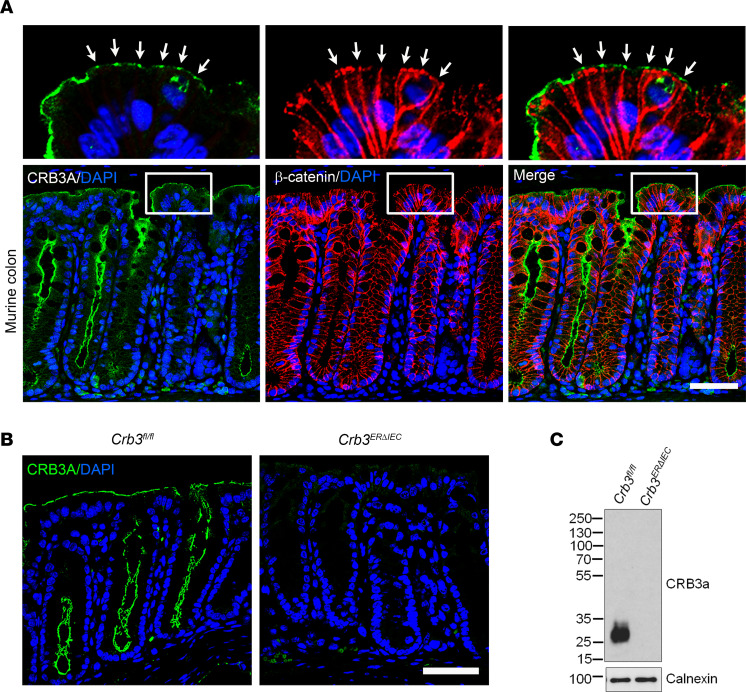 Figure 1
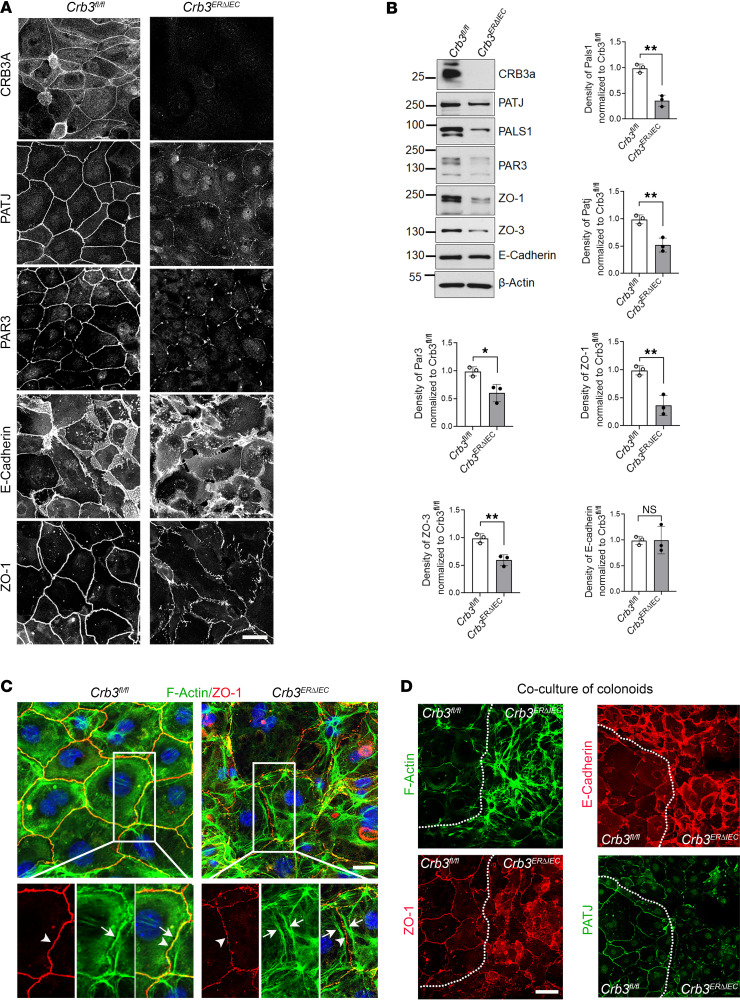 Figure 2
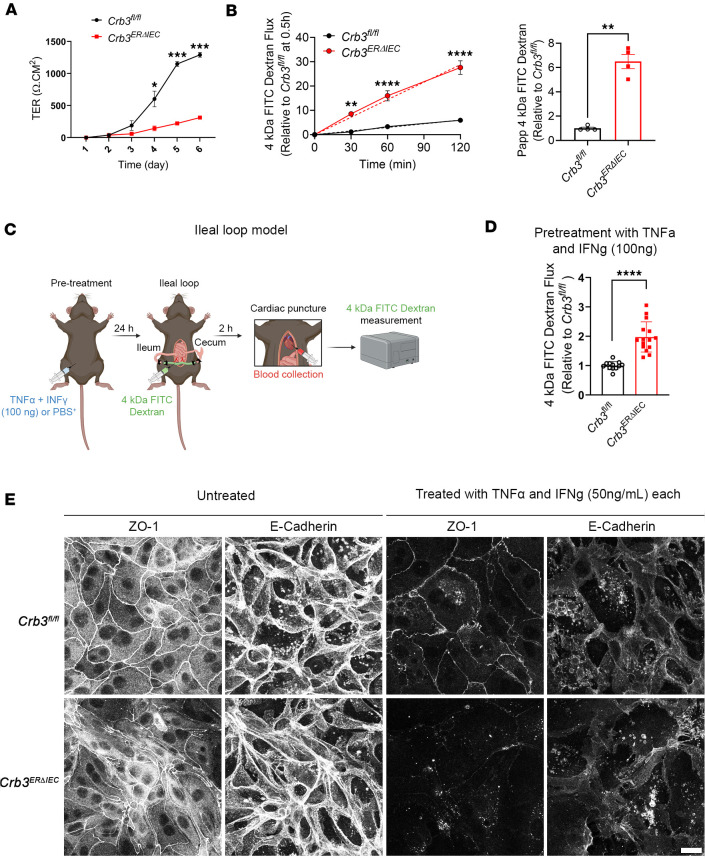 Figure 3
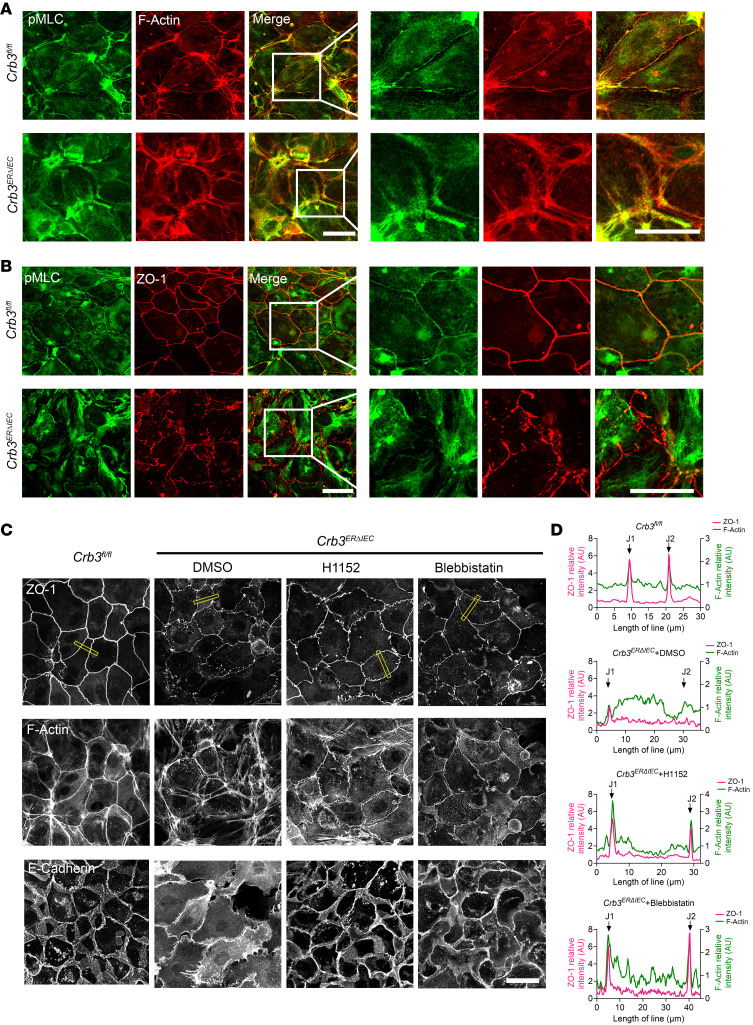 Figure 4
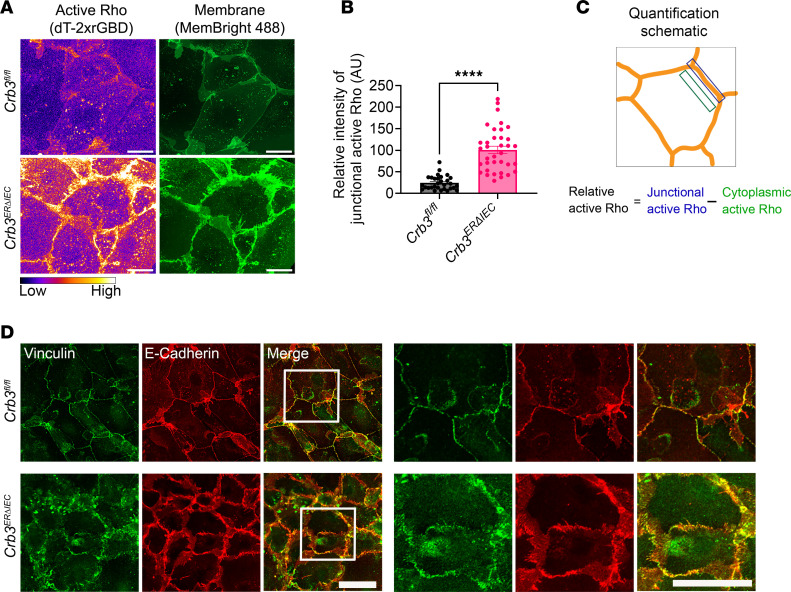 Figure 5
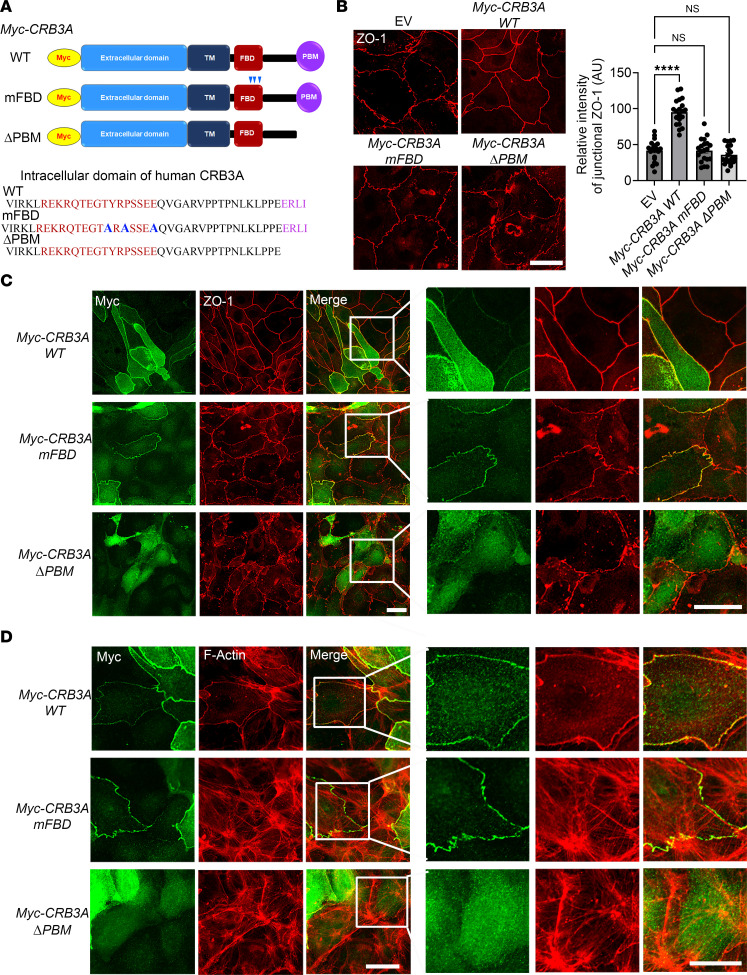 Figure 6
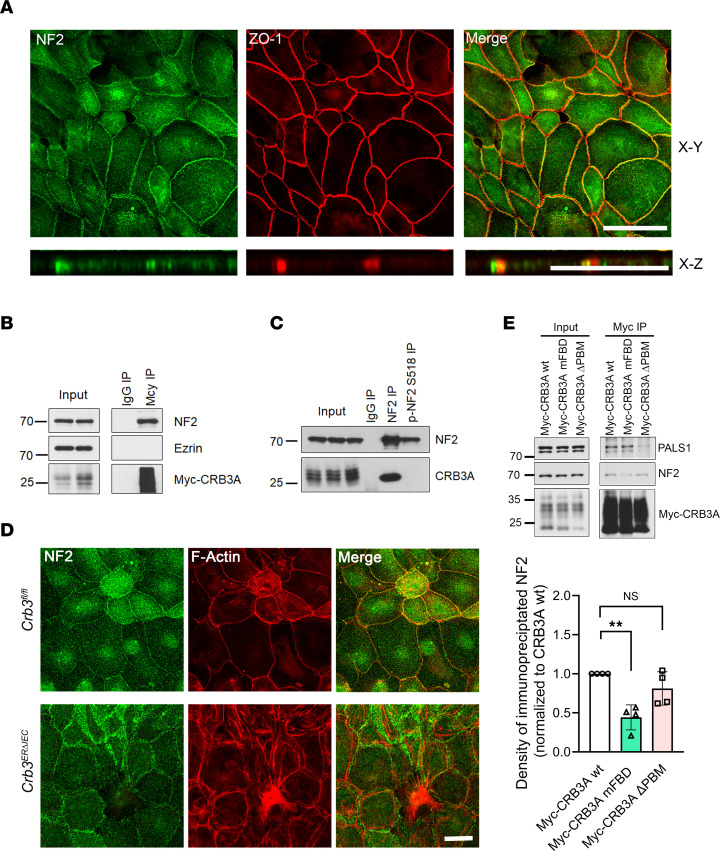 Figure 7
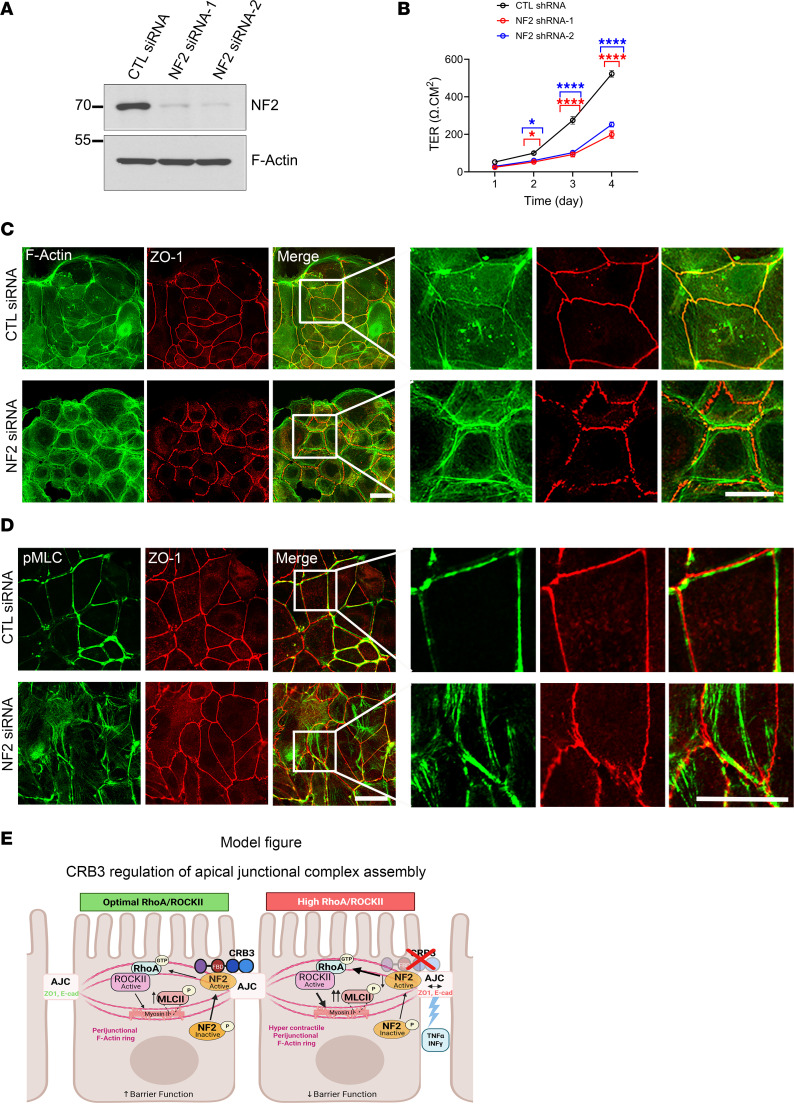 Figure 8
Peer Reviews
No public reviews on file for this paper yet. If you reviewed it on a platform where reviews are public (OpenReview, ICLR, NeurIPS, ICML), you can paste yours below so the community can read it here.
Videos
No videos yet. Explain this paper in a talk, walkthrough, or lecture? Add one.
Taxonomy
TopicsMicrotubule and mitosis dynamics · Cellular transport and secretion · Endoplasmic Reticulum Stress and Disease