Impact of environmental contaminants in fish on cell death and oxidative stress using in vivo, in vitro, and molecular docking
Saber Abdelkader Saïdi, Othman Ahmed Alghamdi, Mohiuddin Khan Warsi, ElFeki Abdelfattah, Jos van Pelt

TL;DR
This study shows that high iron levels in Red Sea fish may pose health risks by causing oxidative stress and cell damage in rats and liver cells.
Contribution
The study combines in vivo, in vitro, and molecular docking approaches to assess iron toxicity from Red Sea fish for the first time.
Findings
Fe2+ significantly altered aminotransferase activity and increased oxidative stress markers in rats.
Fe(III) potentiated H2O2 toxicity in FTO2B cells and increased SOD gene expression.
Fe2+-Protoporphyrin showed strong binding to SOD and Catalase, suggesting possible enzymatic inhibition.
Abstract
Fish species from the Red Sea constitute excellent food sources but may be unsafe to consume because their bioaccumulation of iron (Fe) is greater than the recommended concentration. We investigated the safety concerns related to the consumption of fish containing iron. In this study, Wistar rats were treated with Fe(II) and Fe(III) at a total dose of ~200 mg/kg body weight. For cytotoxicity testing, human liver WRL-68, human hepatoma HepG2, and rat liver FTO2B cells were exposed to Fe(II) and Fe(III). Computational tools were utilized to assess the molecular interactions of iron with critical oxidative stress markers and predict potential toxicological outcomes. The in vivo results showed that only treatment with Fe2+ significantly (P < 0.05) changed aminotransferase activity compared to the control and caused an alteration in the oxidative balance, which was reflected by increases…
Genes, proteins, chemicals, diseases, species, mutations and cell lines named across the full text — each resolved to its canonical identifier and authoritative record.
Click any figure to enlarge with its caption.
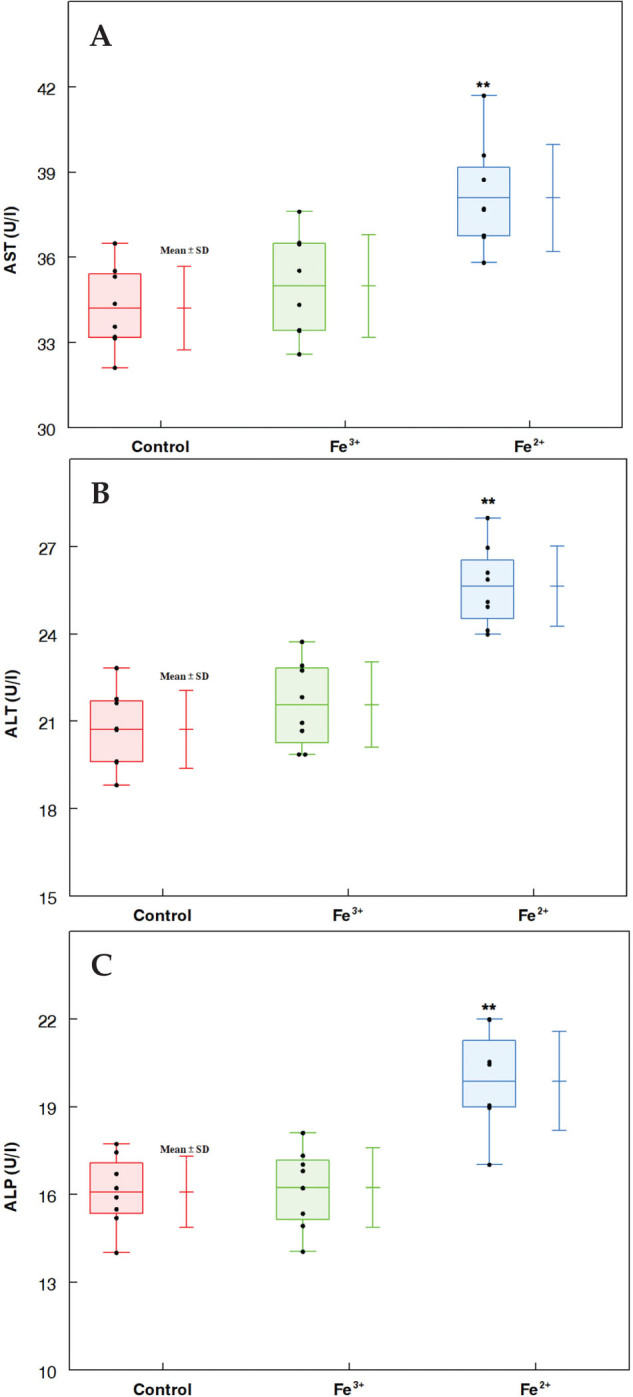 Figure 1
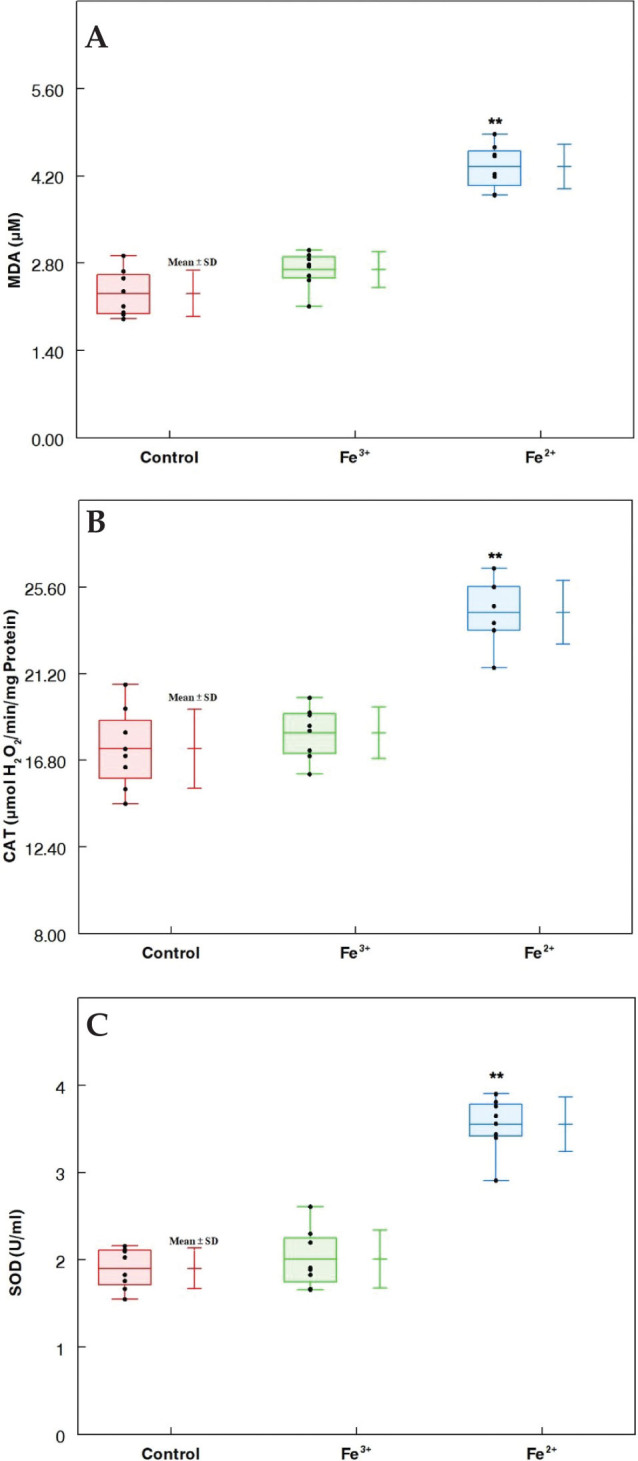 Figure 2
 Figure 3
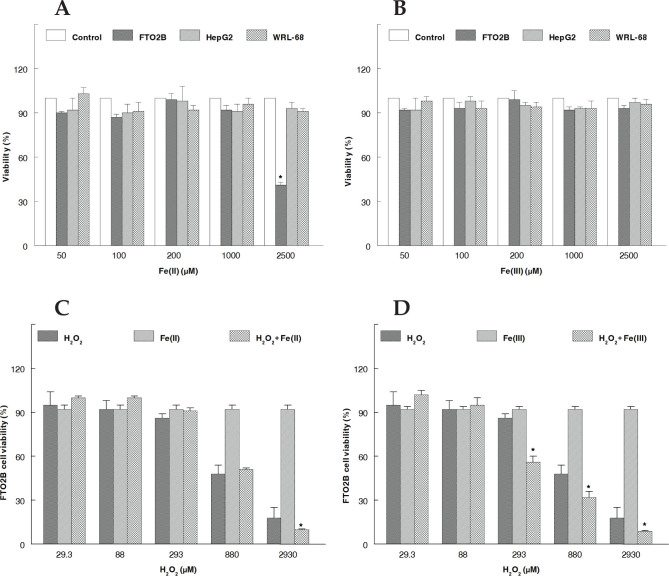 Figure 4
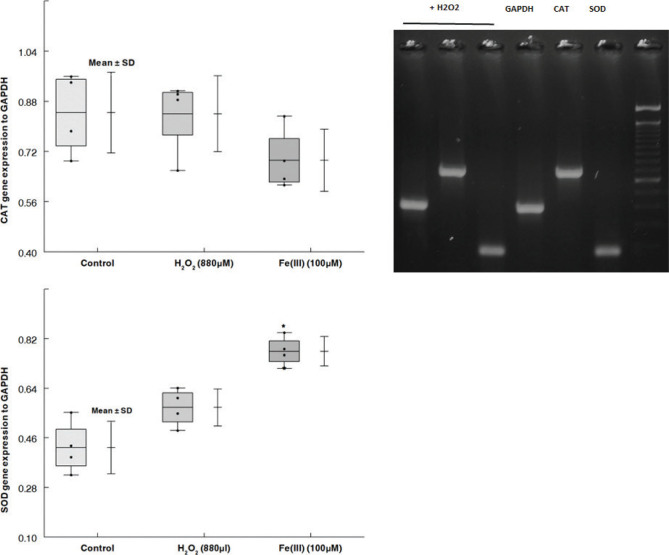 Figure 5
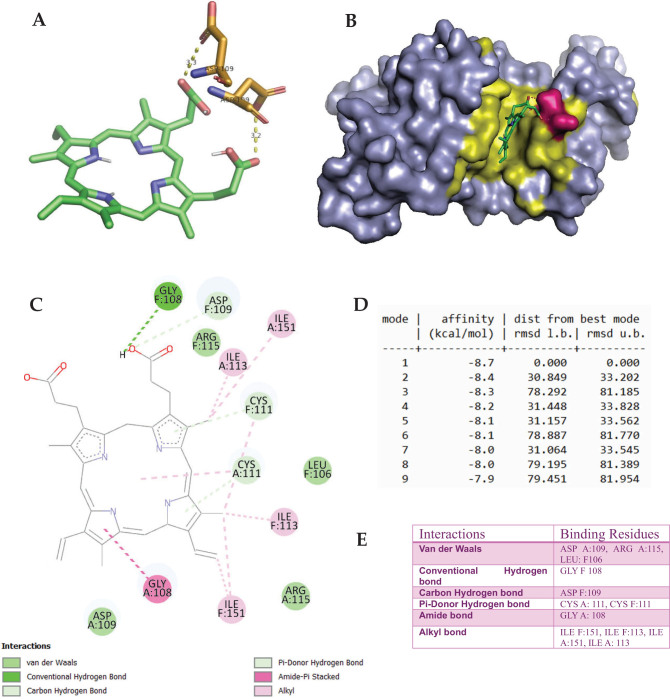 Figure 6
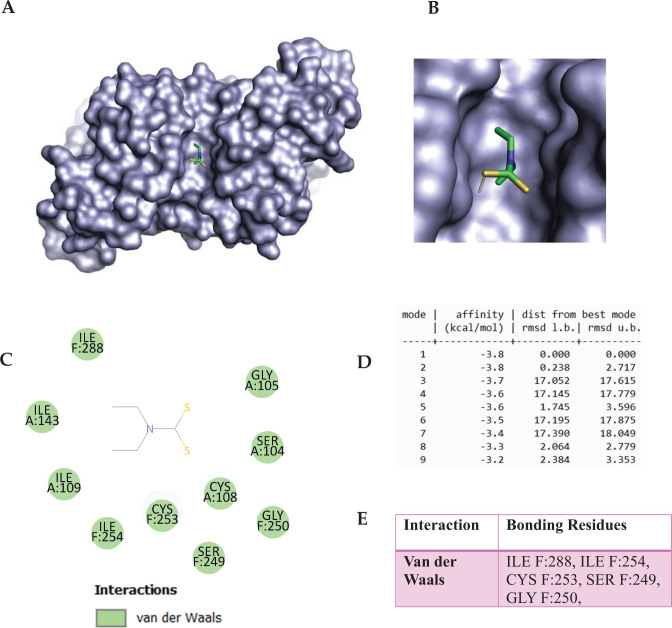 Figure 7
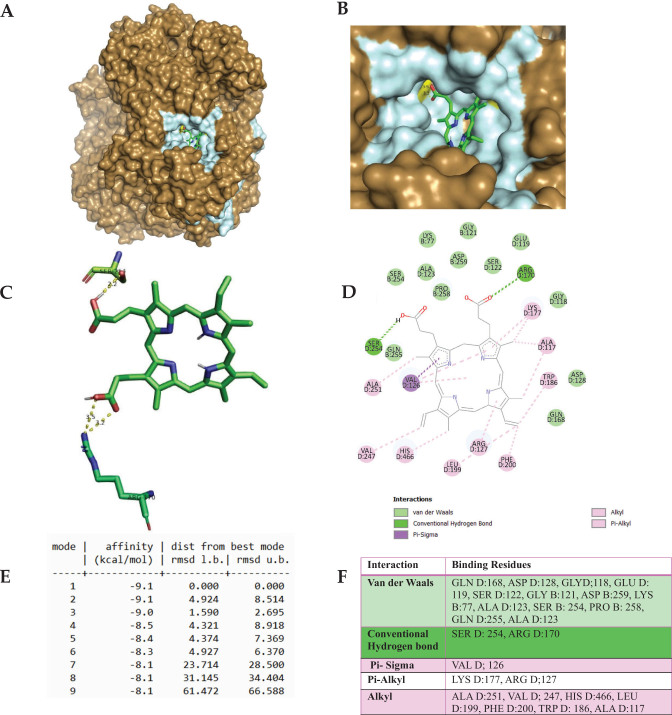 Figure 8
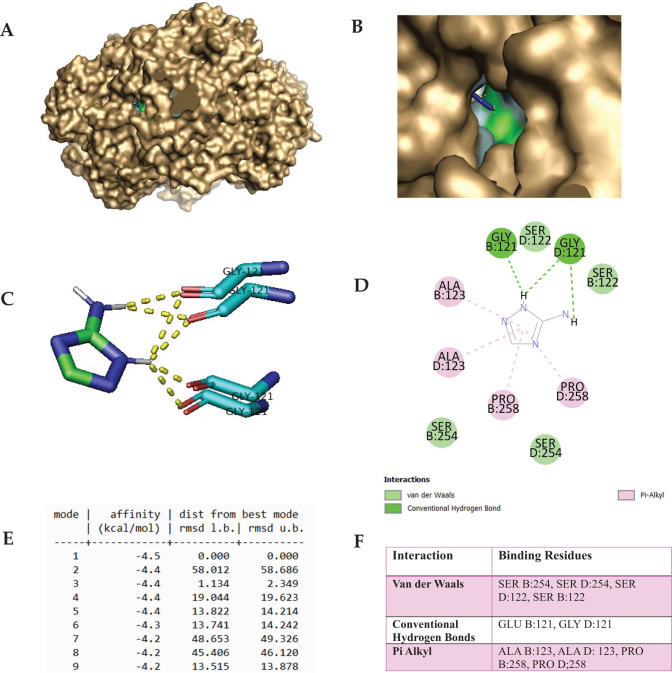 Figure 9
Peer Reviews
No public reviews on file for this paper yet. If you reviewed it on a platform where reviews are public (OpenReview, ICLR, NeurIPS, ICML), you can paste yours below so the community can read it here.
Videos
No videos yet. Explain this paper in a talk, walkthrough, or lecture? Add one.
Taxonomy
TopicsEnvironmental Toxicology and Ecotoxicology