Targeting oncogenic fusion-driven NUT carcinoma with CRISPR-Cas9 genome editing
Maxim F. Carle, Tahereh Mohammadian Gol, Justin S. Antony, Alicia Roig-Merino, Mary E. Carter, Ulrich M. Lauer, Markus Mezger, Linus D. Kloker

TL;DR
This study shows that CRISPR-Cas9 can disrupt a cancer-causing gene fusion in NUT carcinoma, potentially leading to new and effective treatments.
Contribution
The study demonstrates CRISPR-Cas9's effectiveness in directly targeting and disrupting the BRD4::NUTM1 fusion gene in NUT carcinoma.
Findings
CRISPR-Cas9 successfully disrupted the BRD4::NUTM1 fusion gene in NUT carcinoma cell lines.
Genetic disruption led to reduced cell proliferation, cell-cycle arrest, and apoptosis in cancer cells.
The results suggest CRISPR-based strategies could be effective for treating fusion-driven cancers.
Abstract
NUT carcinoma (NC) is a highly aggressive malignancy characterized by an oncogenic fusion gene incorporating the NUTM1 gene. To date, no established treatment options exist. CRISPR-Cas9 technology allows precise genomic targeting, thereby presenting a promising therapeutic strategy for cancers with well-defined genomic alterations such as oncogenic fusion genes. In this study, we investigated the effects of CRISPR-Cas9-mediated disruption of the BRD4::NUTM1 fusion gene in NC cell lines using multiple single guide RNAs (sgRNAs) to target different sites of both fusion partner genes. Our experiments identified promising sgRNA candidates that were shown to successfully disrupt the BRD4::NUTM1 fusion gene at the DNA level, thus leading to an efficient knockout of the aberrant fusion protein. This genetic disruption resulted in profound functional impairments in NC cells, which included a…
Genes, proteins, chemicals, diseases, species, mutations and cell lines named across the full text — each resolved to its canonical identifier and authoritative record.
Click any figure to enlarge with its caption.
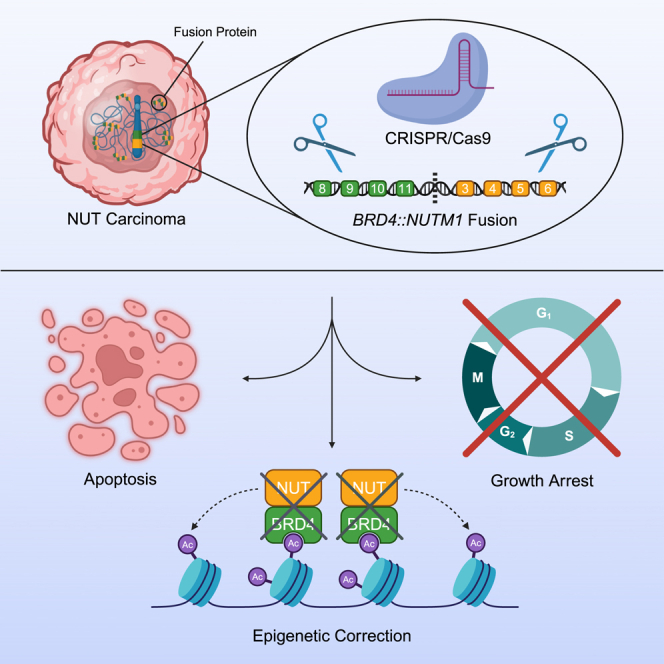 Figure 1
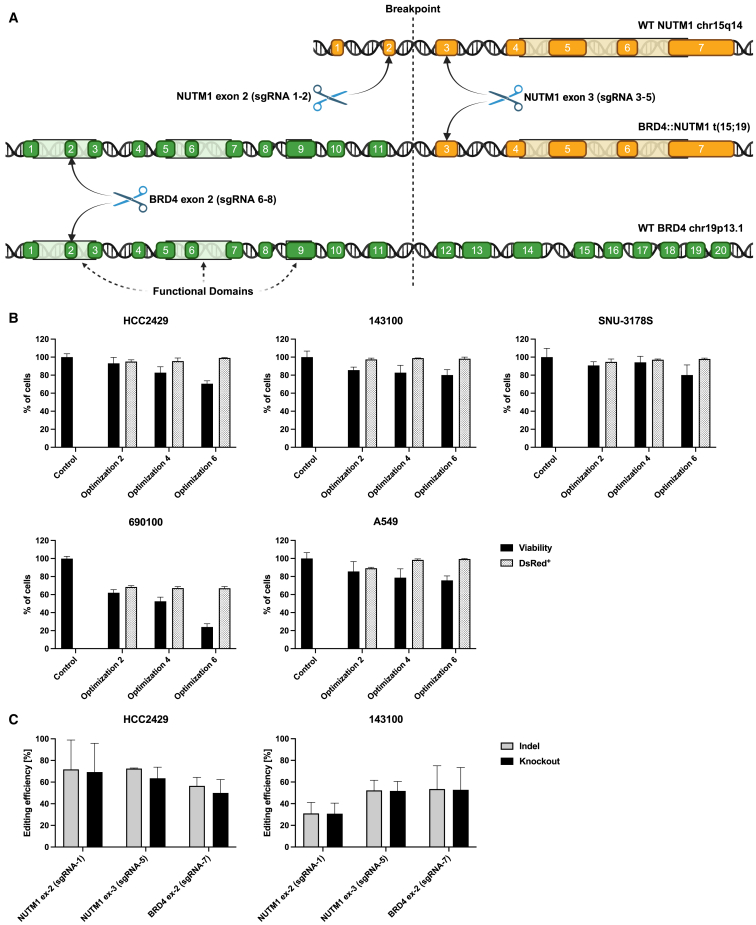 Figure 2
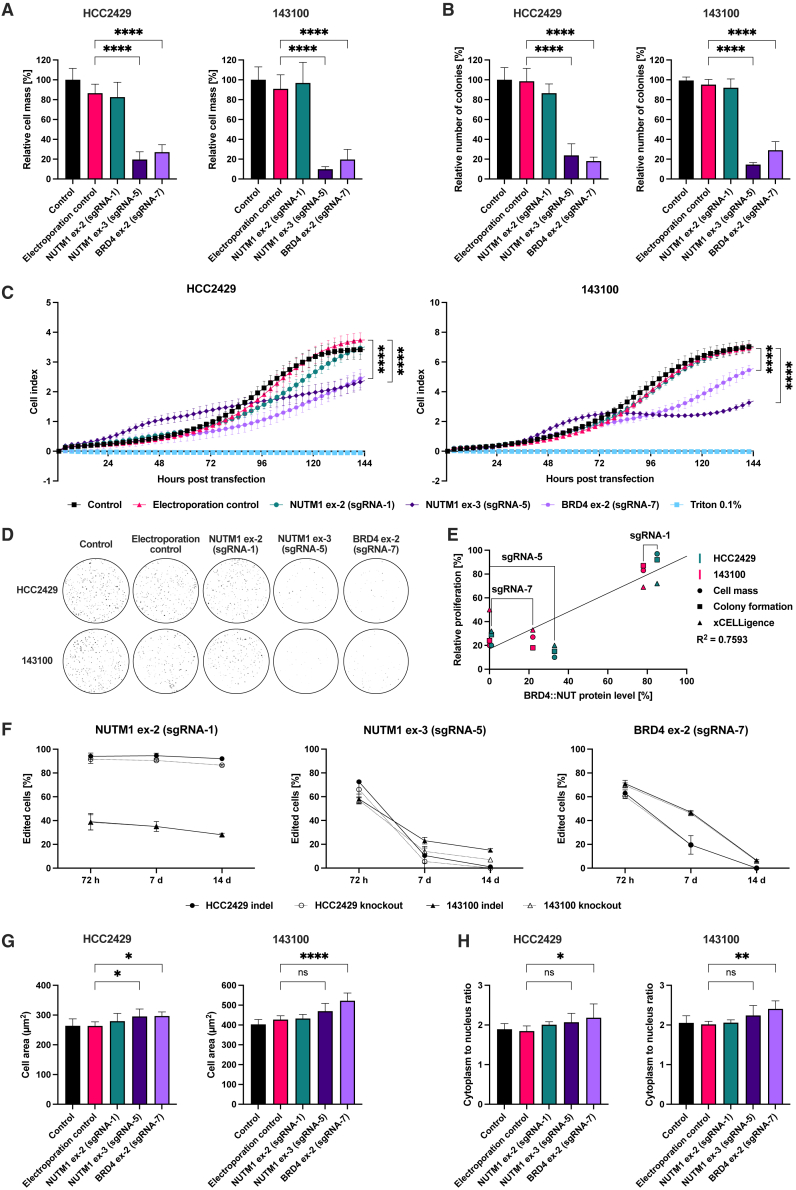 Figure 3
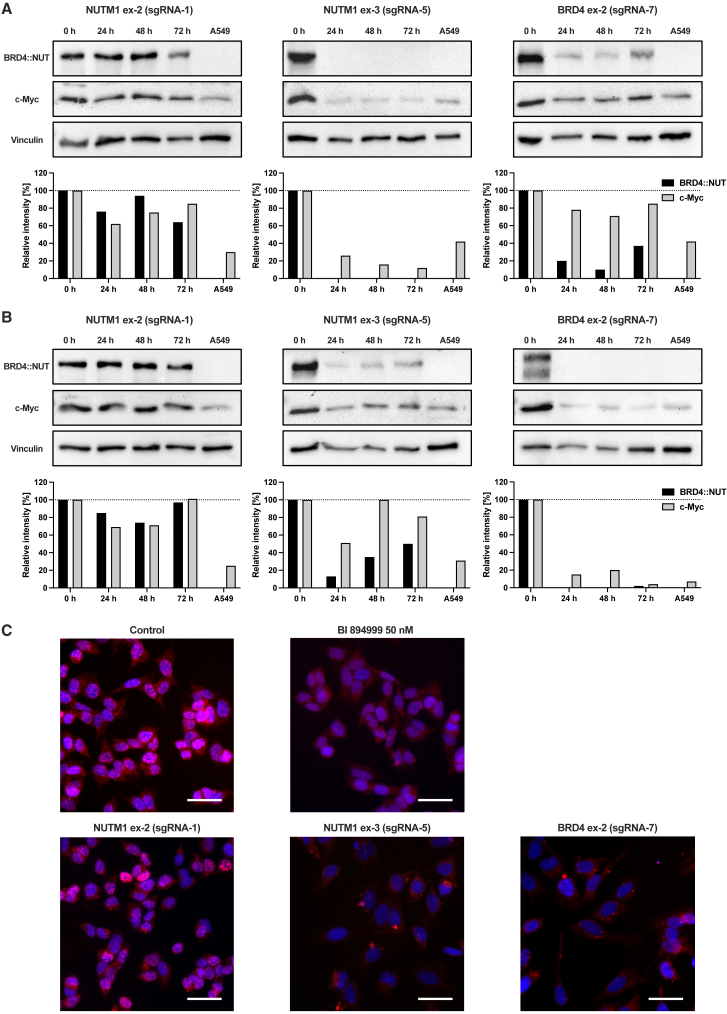 Figure 4
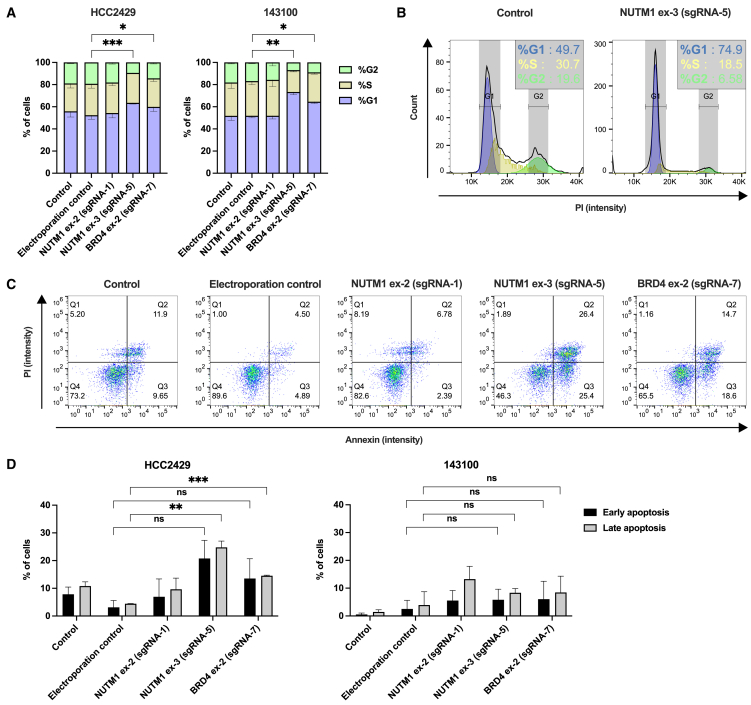 Figure 5
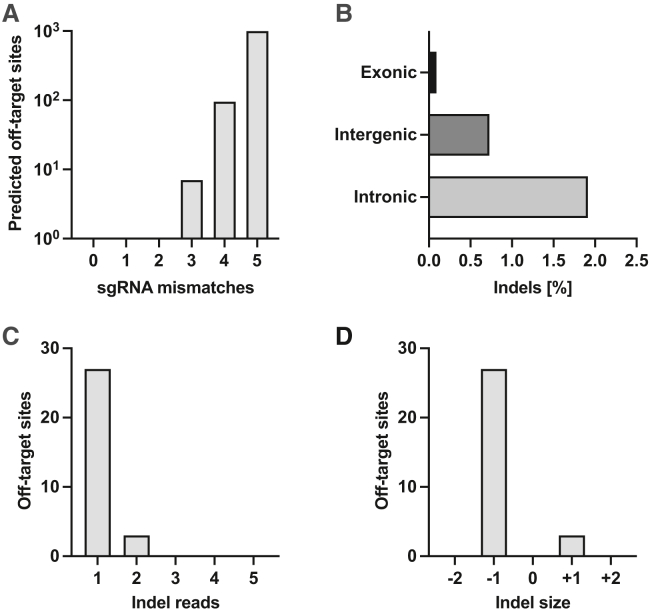 Figure 6
Peer Reviews
No public reviews on file for this paper yet. If you reviewed it on a platform where reviews are public (OpenReview, ICLR, NeurIPS, ICML), you can paste yours below so the community can read it here.
Videos
No videos yet. Explain this paper in a talk, walkthrough, or lecture? Add one.
Taxonomy
TopicsProtein Degradation and Inhibitors · Ubiquitin and proteasome pathways · CRISPR and Genetic Engineering