Impact of Near‐Positivity Violations on IPTW‐Estimated Marginal Structural Survival Models With Time‐Dependent Confounding
Marta Spreafico

TL;DR
This paper explores how near-positivity violations affect causal estimates in survival analysis using inverse probability weighting.
Contribution
The study introduces simulation algorithms to investigate near-positivity violations in IPTW-based survival models.
Findings
Near-positivity violations can destabilize IPTW estimators, increasing variance and bias.
Aggressive weight truncation worsens estimator performance in survival analysis.
The study highlights the importance of the positivity assumption in longitudinal causal inference.
Abstract
In longitudinal observational studies, marginal structural models (MSMs) are used to analyze the causal effect of an exposure on the (time‐to‐event) outcome of interest, while accounting for exposure‐affected time‐dependent confounding. In the applied literature, inverse probability of treatment weighting (IPTW) has been widely adopted to estimate MSMs. An essential assumption for IPTW‐based MSMs is positivity, which requires that, for any combination of measured confounders among individuals, there is a nonzero probability of receiving each treatment strategy. Positivity is crucial for valid causal inference through IPTW‐based MSMs, but is often overlooked compared to confounding bias. Near‐positivity violations, where certain treatments are theoretically possible but rarely observed due to randomness, are common in practical applications, particularly when the sample size is small,…
Genes, proteins, chemicals, diseases, species, mutations and cell lines named across the full text — each resolved to its canonical identifier and authoritative record.
Click any figure to enlarge with its caption.
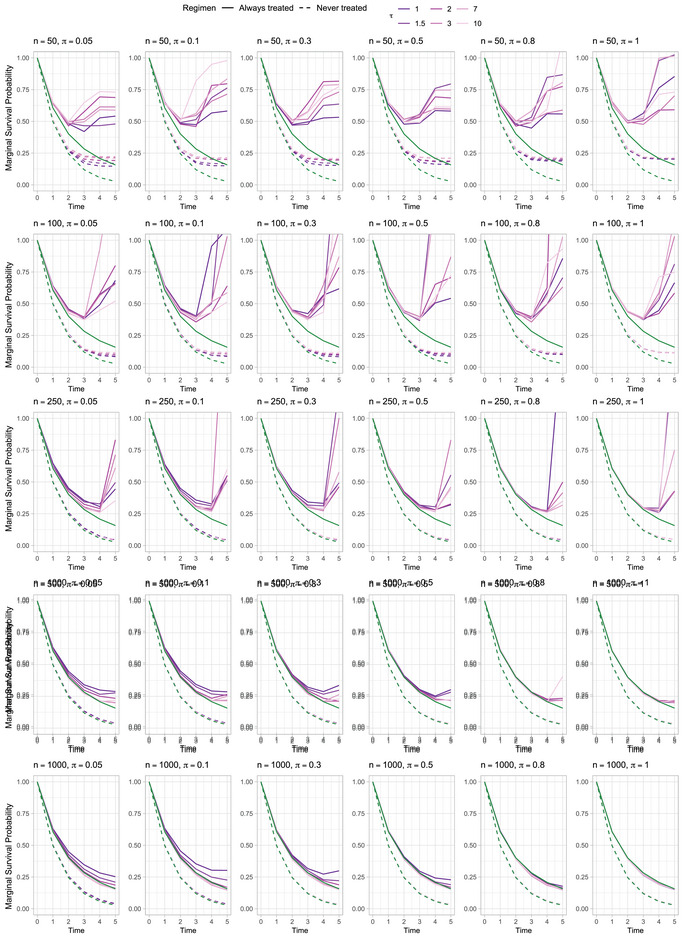 Figure 1
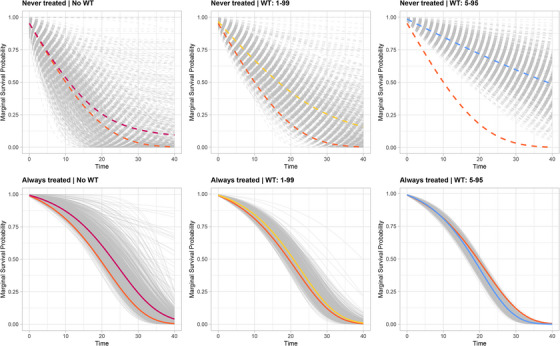 Figure 2
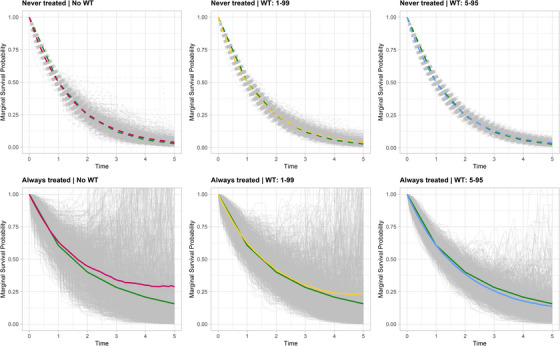 Figure 3
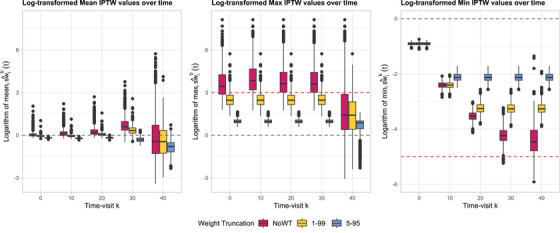 Figure 4
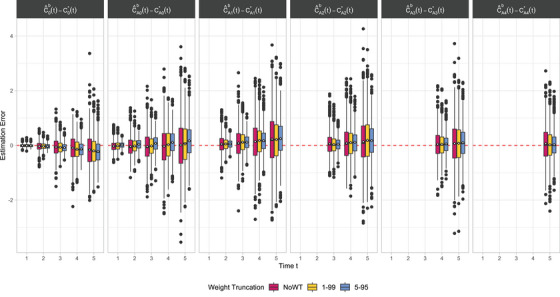 Figure 5
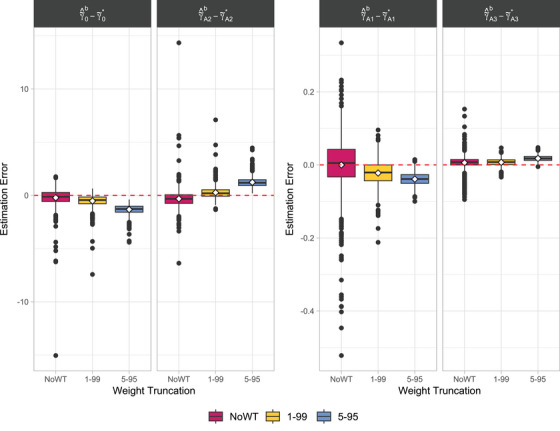 Figure 6
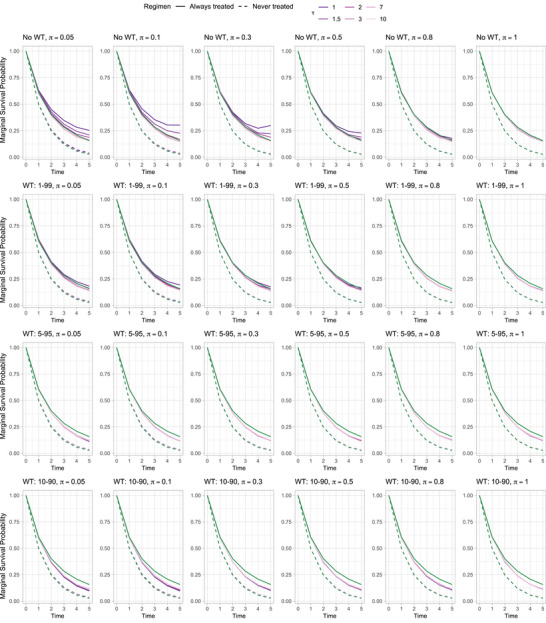 Figure 7
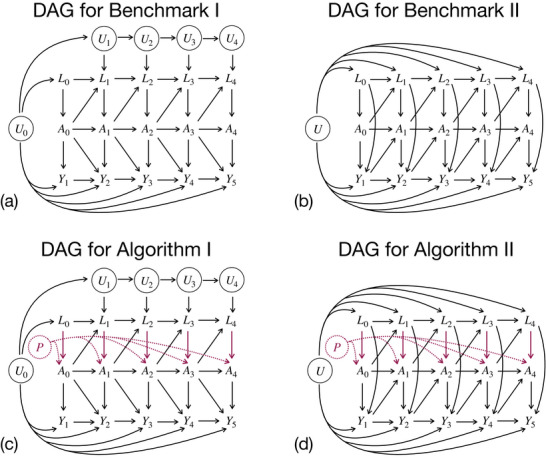 Figure 8
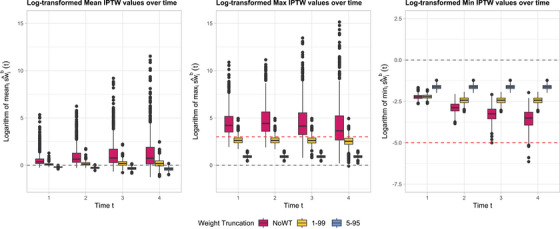 Figure 9
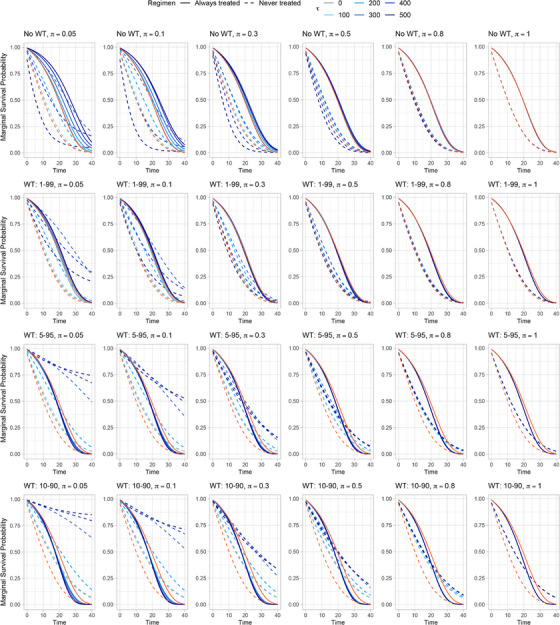 Figure 10
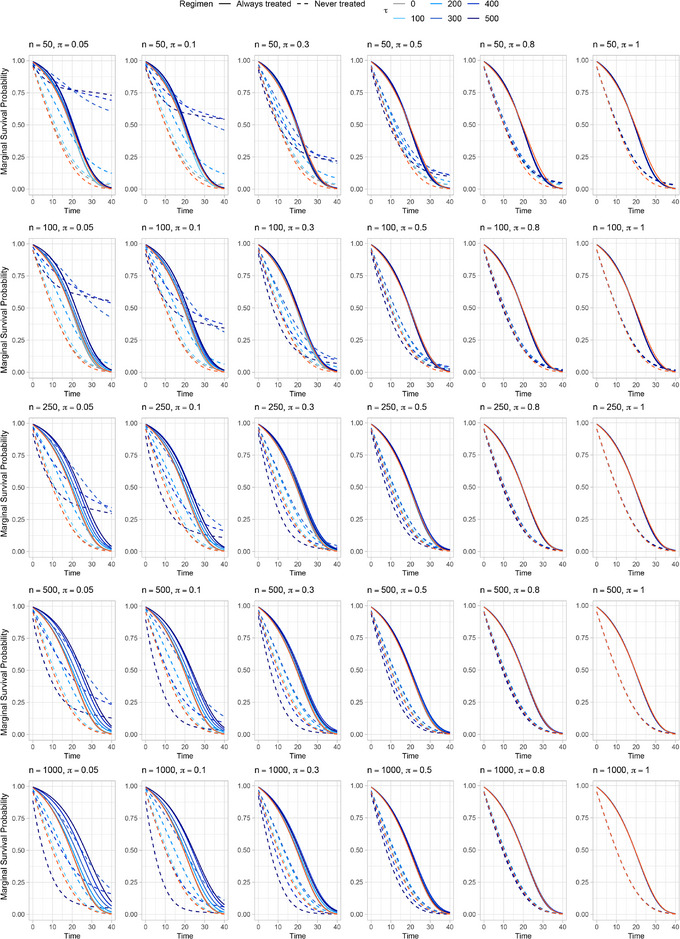 Figure 11
Peer Reviews
No public reviews on file for this paper yet. If you reviewed it on a platform where reviews are public (OpenReview, ICLR, NeurIPS, ICML), you can paste yours below so the community can read it here.
Videos
No videos yet. Explain this paper in a talk, walkthrough, or lecture? Add one.
Taxonomy
TopicsAdvanced Causal Inference Techniques · Statistical Methods and Bayesian Inference · Genetic Associations and Epidemiology