Paradoxical sex differences in a hamster model of angiotensin II-dependent hypertension and associated renal injury
Hong Ji, Laura German do Nascimento, Jungeun Ahn, Dong Hyang Kwon, Gabrielle Williams, Xie Wu, Robert C. Speth, Seth A. Hawks, Nisha K. Duggal, Juan M. Saavedra, Kathryn Sandberg, Aline M. A. de Souza

TL;DR
Female Syrian hamsters show greater blood pressure increases and kidney damage than males when exposed to angiotensin II, revealing sex-specific differences in hypertension and kidney disease.
Contribution
A novel Syrian hamster model of angiotensin II-induced hypertension is developed, highlighting sex-specific responses in blood pressure and kidney injury.
Findings
Female hamsters exhibited a 50 mmHg increase in blood pressure compared to 27 mmHg in males after angiotensin II infusion.
Females showed more severe kidney damage, including tubular necrosis, glomerular sclerosis, and vascular injury.
Angiotensin II reduced RAS components (ACE, ACE2, AT1R) and elevated inflammatory markers (IL-6, IL-1β) only in females.
Abstract
Biological sex is a critical determinant in cardiovascular and renal disease outcomes. Although angiotensin II (Ang II) infusion is widely used to model hypertension in mice and rats, little is known about its effects in the Syrian hamster, a small rodent increasingly used for translational research. This study aimed to develop a model of chronic Ang II-induced hypertension in Syrian hamsters and investigate sex-specific differences in blood pressure, renal pathology, and components of the renin-angiotensin system (RAS). Male and female Syrian hamsters (8–9 weeks old) were infused subcutaneously with Ang II (200 ng/kg/min) or saline via osmotic minipumps for four weeks. Mean arterial pressure (MAP) and kidney wet weight were determined on the euthanasia day. The kidneys were analyzed for renal pathology; renal RAS enzymes (ACE and ACE2) were measured by colorimetric assay and qPCR;…
Genes, proteins, chemicals, diseases, species, mutations and cell lines named across the full text — each resolved to its canonical identifier and authoritative record.
Click any figure to enlarge with its caption.
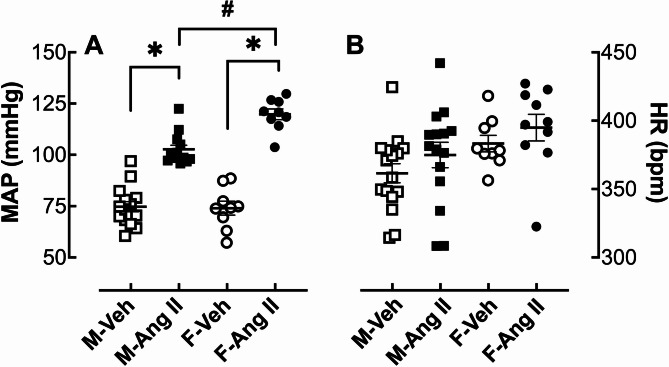 Figure 1
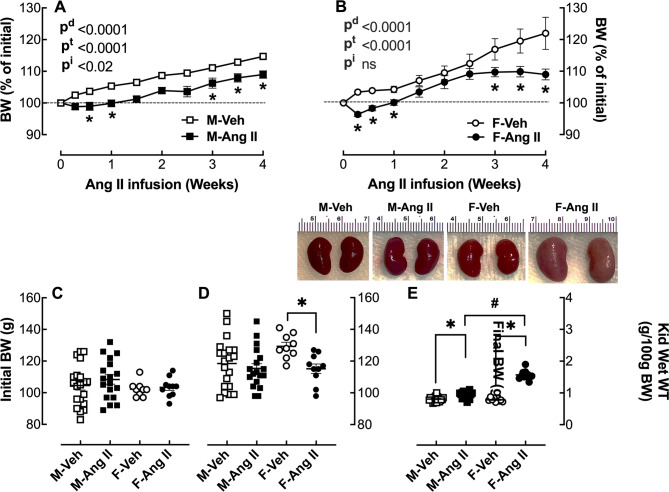 Figure 2
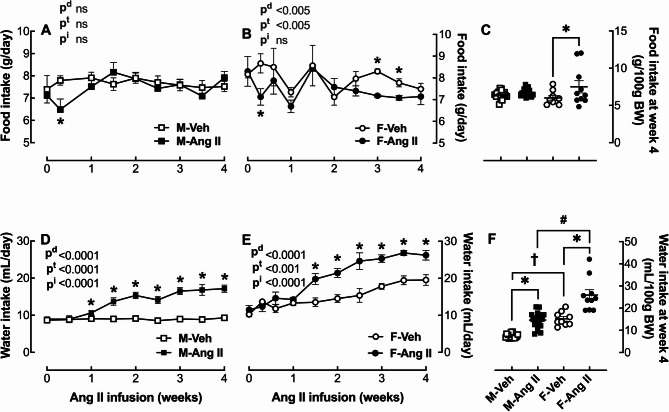 Figure 3
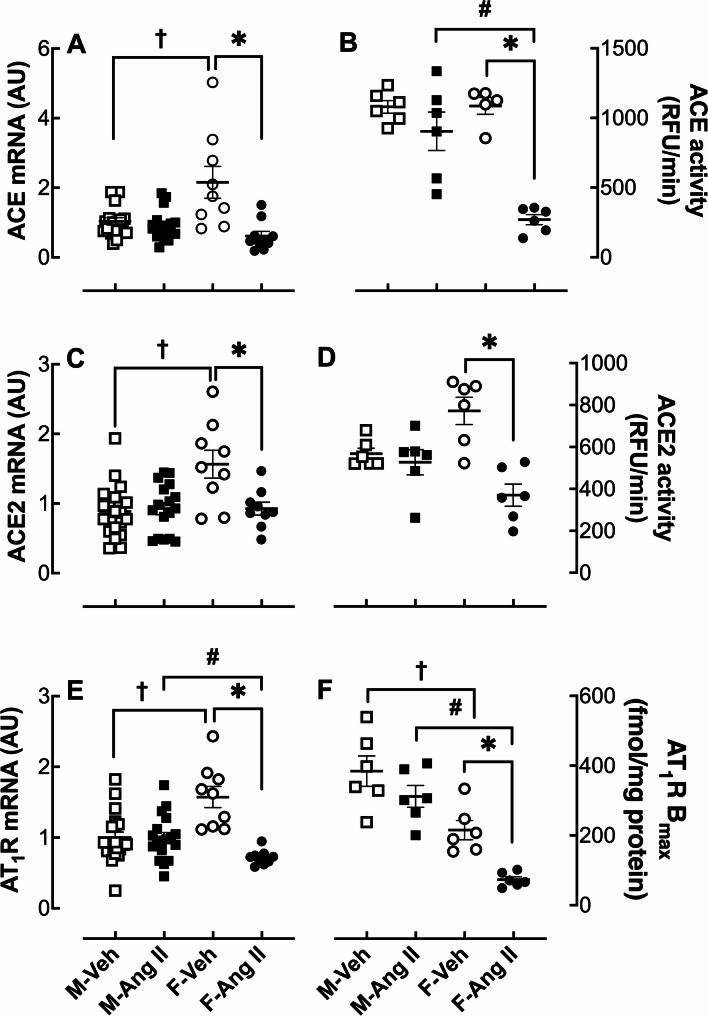 Figure 4
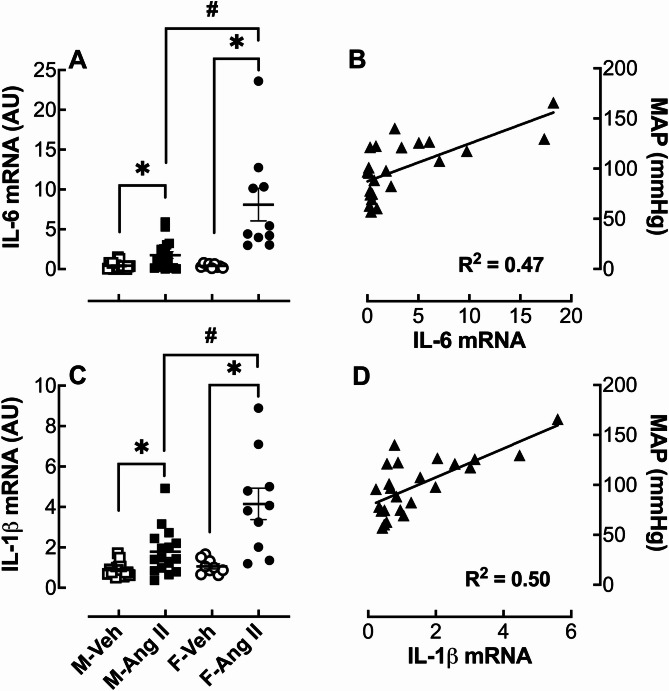 Figure 5
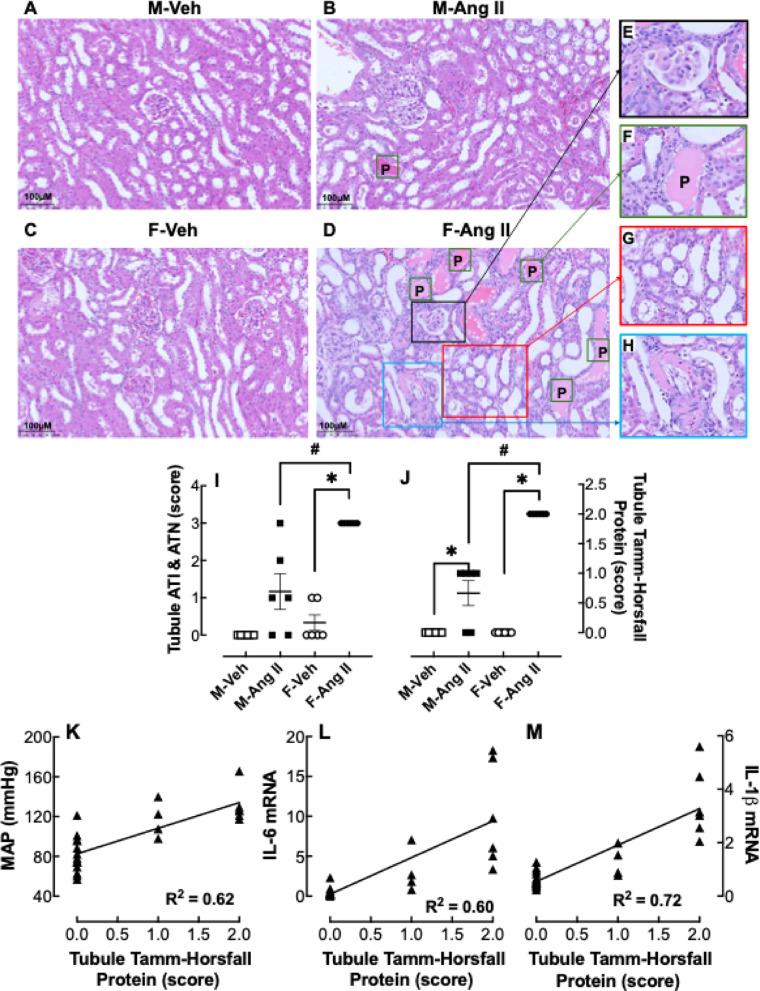 Figure 6
Peer Reviews
No public reviews on file for this paper yet. If you reviewed it on a platform where reviews are public (OpenReview, ICLR, NeurIPS, ICML), you can paste yours below so the community can read it here.
Videos
No videos yet. Explain this paper in a talk, walkthrough, or lecture? Add one.
Taxonomy
TopicsRenin-Angiotensin System Studies · Blood Pressure and Hypertension Studies · Sodium Intake and Health