Expanding clinical phenotype in CACNA1C related disorders: familial mesial temporal lobe epilepsy
Chengzhe Wang, Xintong Guo, Yue Liu, Dingju Long, Heyu Zhang, Sijing Yin, Yinchao Li, Yicong Liu, Guanzhong Ni, Ziyi Chen

TL;DR
This study identifies a new CACNA1C gene variant linked to a milder form of familial mesial temporal lobe epilepsy, expanding the known clinical features of this disorder.
Contribution
The study reports a novel CACNA1C variant and expands the clinical phenotype of CACNA1C-related disorders.
Findings
A novel CACNA1C variant (c.5480G > A, p.R1827Q) was identified in a family with FMTLE.
The variant is associated with a milder clinical phenotype compared to previous reports.
Bioinformatics and molecular dynamics simulations suggest the variant causes structural changes in the protein.
Abstract
To provide new insights into the pathological mechanisms of epilepsy associated with variants in the calcium channel voltage-dependent L-type alpha1C subunit gene (CACNA1C, NM_001129837) and to expand the phenotype of CACNA1C-associated neurological disorders: familial mesial temporal lobe epilepsy (FMTLE). We conducted a comprehensive analysis of clinical data from a family affected by FMTLE and carried out genetic screening of CACNA1C variants through whole-exome sequencing combined with Sanger sequencing for validation. The clinical characteristics of FMTLE were systematically reviewed, and the pathogenic potential of the identified variant was assessed following the guidelines established by the American College of Medical Genetics and Genomics (ACMG). To explore the underlying pathogenic mechanisms, we utilized bioinformatics tools alongside molecular dynamics simulation methods.…
Genes, proteins, chemicals, diseases, species, mutations and cell lines named across the full text — each resolved to its canonical identifier and authoritative record.
Click any figure to enlarge with its caption.
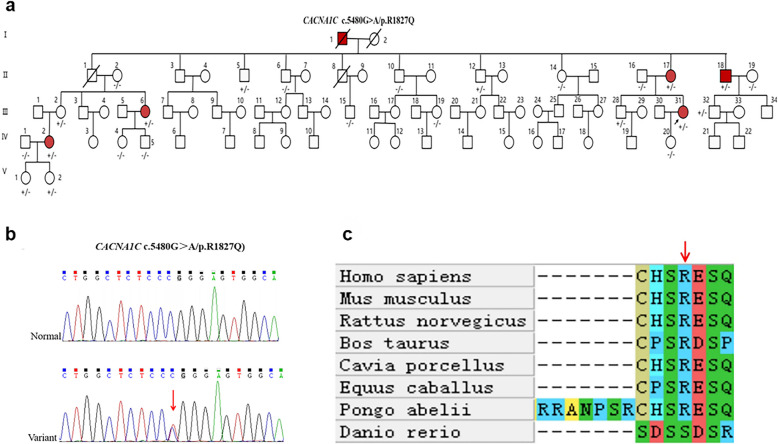 Figure 1
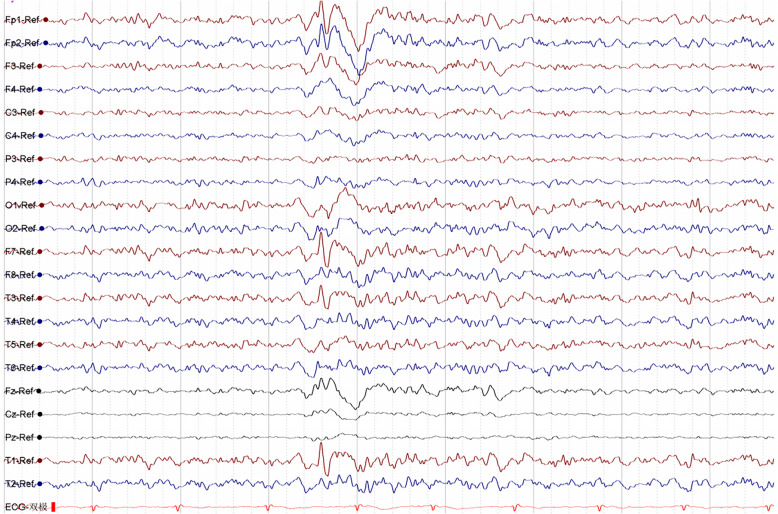 Figure 2
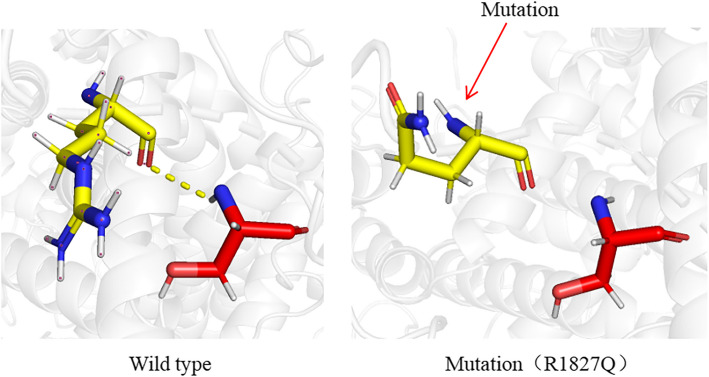 Figure 3
Peer Reviews
No public reviews on file for this paper yet. If you reviewed it on a platform where reviews are public (OpenReview, ICLR, NeurIPS, ICML), you can paste yours below so the community can read it here.
Videos
No videos yet. Explain this paper in a talk, walkthrough, or lecture? Add one.
Taxonomy
TopicsEpilepsy research and treatment · Genomics and Rare Diseases · Genetic Neurodegenerative Diseases