Downregulation of PDIA4 inhibits proliferation and migration in human oral squamous cell carcinoma
Yue Hu, Wei Zhang, Fuyu Zhang, Qiaoyun Liu, Hao Yang

TL;DR
This study shows that PDIA4 promotes oral cancer growth and poor outcomes, suggesting it could be a new target for treatment.
Contribution
The study identifies PDIA4 as a novel prognostic biomarker and therapeutic target in oral squamous cell carcinoma.
Findings
High PDIA4 expression correlates with poor prognosis and reduced immunotherapy response in oral cancer patients.
Downregulating PDIA4 inhibits cancer cell proliferation and migration via the FoxO1/p21CIP1 pathway.
PDIA4 levels are negatively linked to CD4 and CD8 T cell infiltration but positively linked to M0 macrophages and regulatory T cells.
Abstract
Protein disulfide isomerase family A member 4 (PDIA4), a member of the protein disulfide isomerase family, has been associated with the progression of cancer. Nevertheless, its specific function in oral squamous cell carcinoma (OSCC) is not yet well understood. To assess the prognostic significance and functional profile of the PDIA4, survival analysis and GSEA were conducted. Additionally, we examined the differences in immune infiltration and immunotherapy response between groups with low and high expression levels of PDIA4. Subsequently, RT-qPCR and western blot assays were employed to verify PDIA4 expression in OSCC tissues. The functional implications of PDIA4 in OSCC cells were also investigated. Analysis of the TCGA-OSCC dataset revealed a notable increase in PDIA4 expression in OSCC tissues, as verified by RT-qPCR and western blot analyses. Additionally, elevated PDIA4 levels…
Genes, proteins, chemicals, diseases, species, mutations and cell lines named across the full text — each resolved to its canonical identifier and authoritative record.
Click any figure to enlarge with its caption.
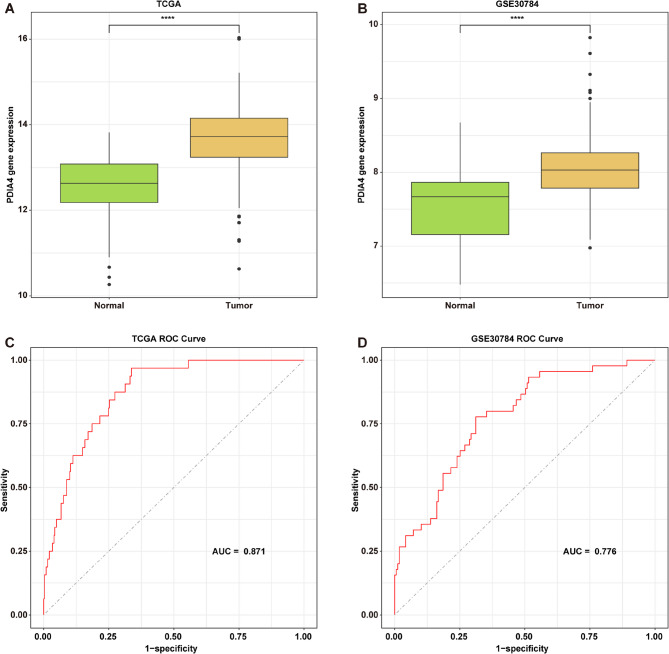 Figure 1
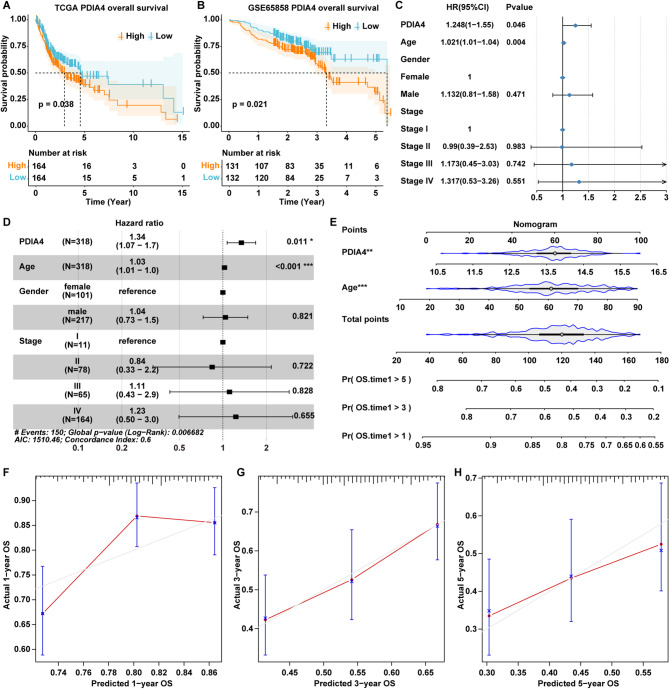 Figure 2
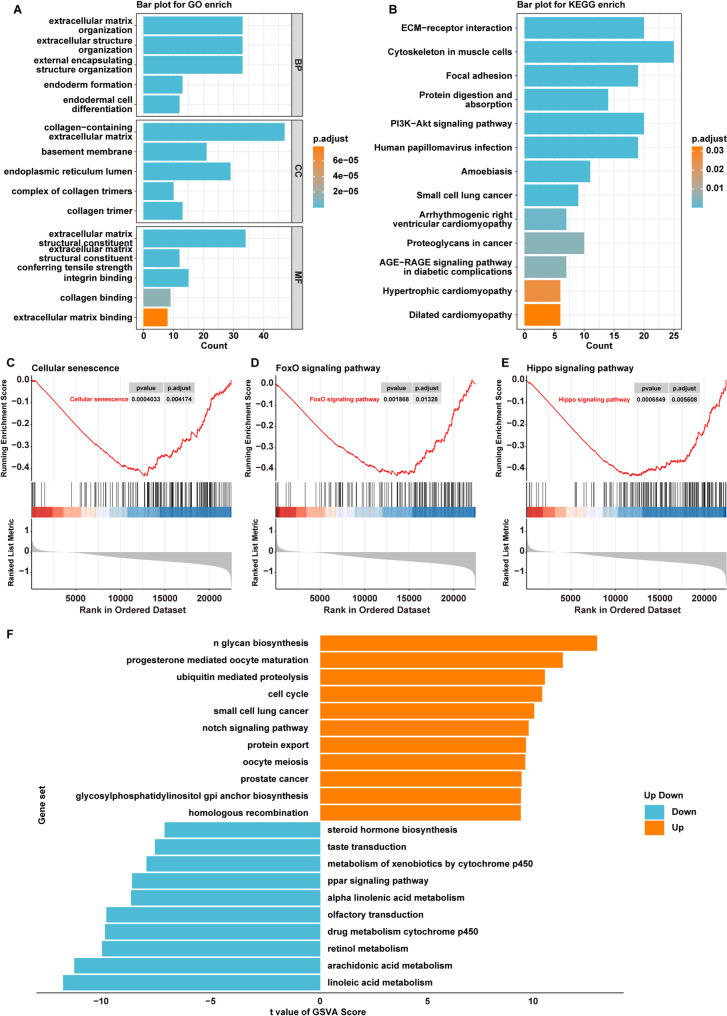 Figure 3
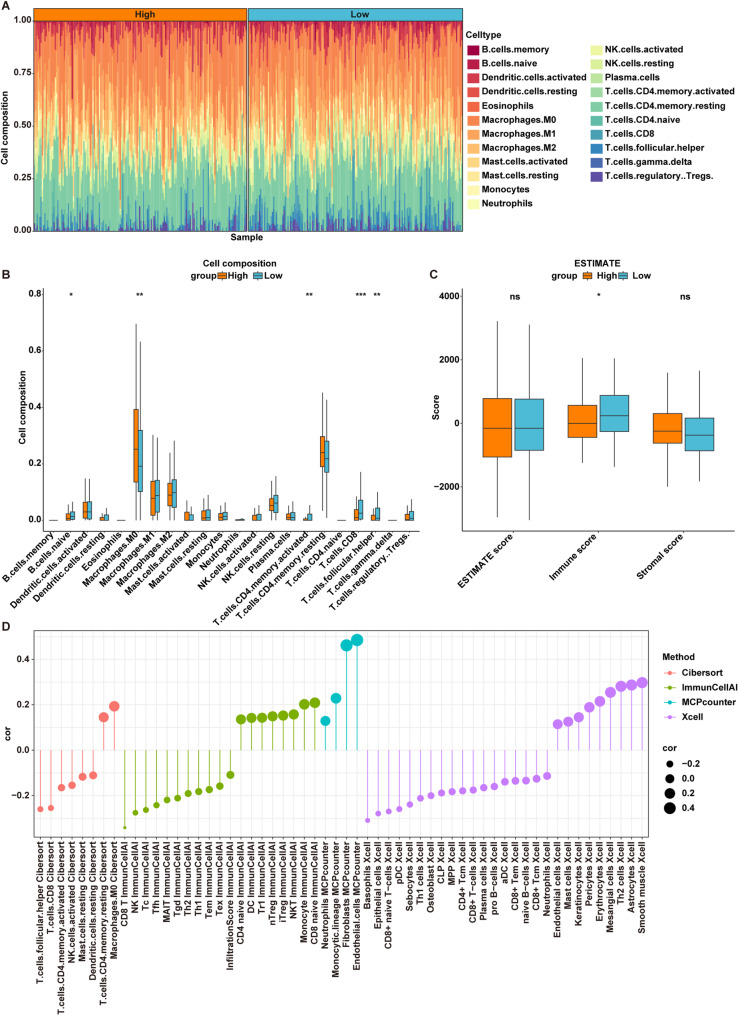 Figure 4
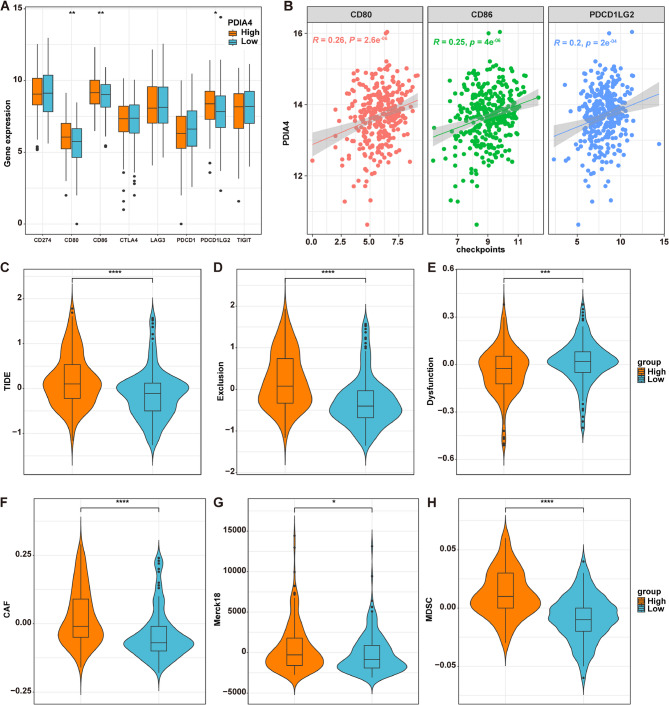 Figure 5
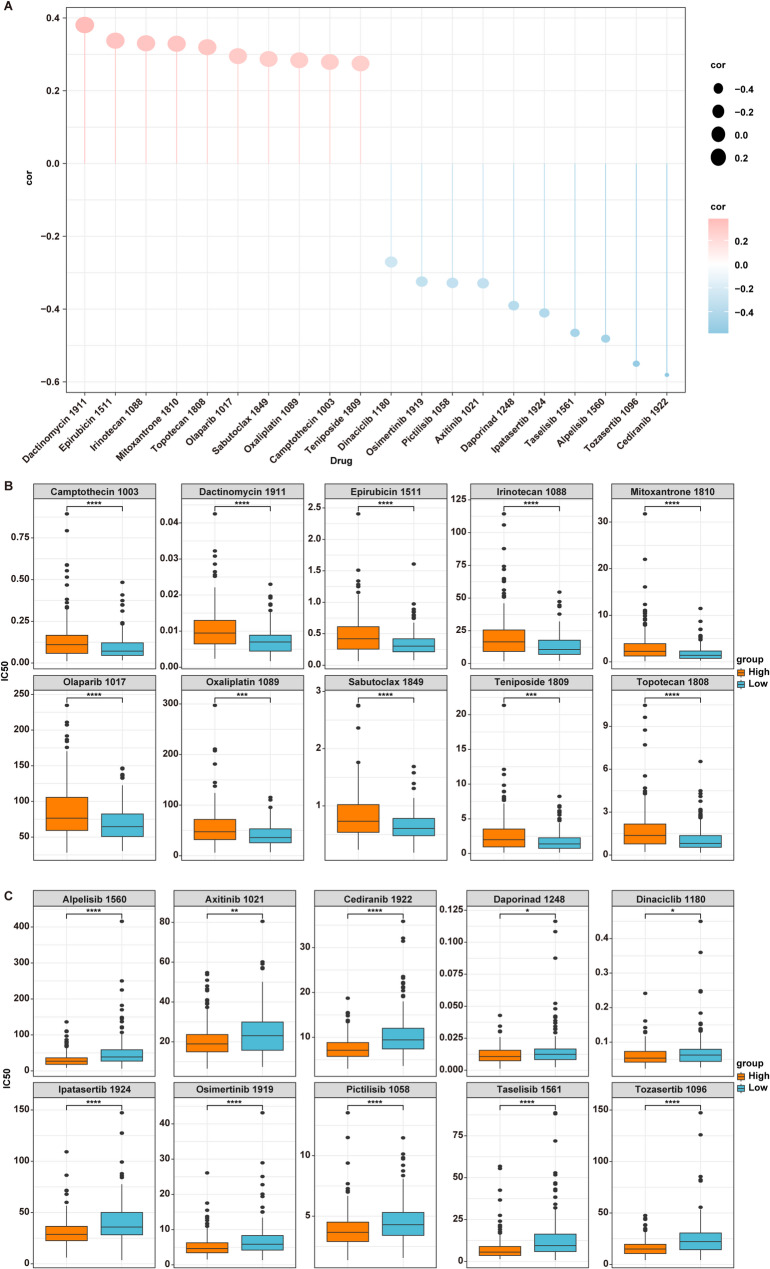 Figure 6
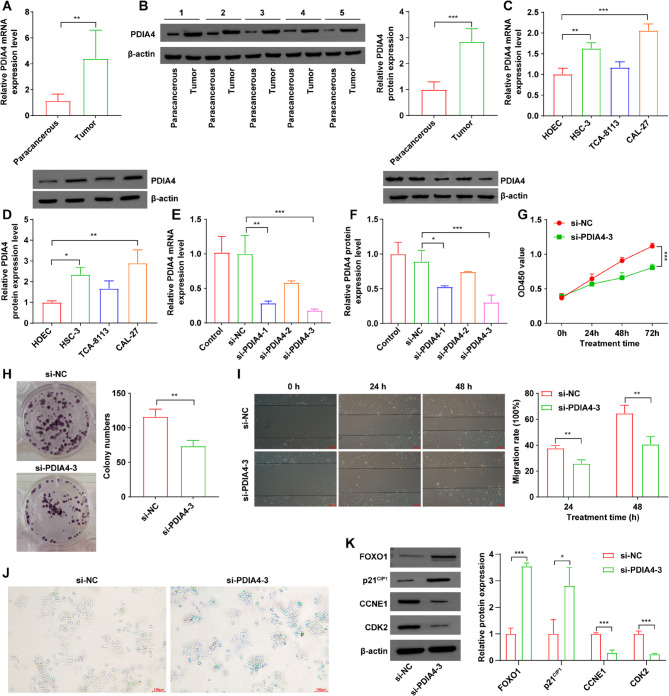 Figure 7
Peer Reviews
No public reviews on file for this paper yet. If you reviewed it on a platform where reviews are public (OpenReview, ICLR, NeurIPS, ICML), you can paste yours below so the community can read it here.
Videos
No videos yet. Explain this paper in a talk, walkthrough, or lecture? Add one.
Taxonomy
TopicsUbiquitin and proteasome pathways · Protein Kinase Regulation and GTPase Signaling · Proteoglycans and glycosaminoglycans research