Sulfur starvation induces an Fe-replete response and attenuates virulence pathways in Pseudomonas aeruginosa PAO1
Chidozie G. Ugochukwu, Tonia S. Schwartz, Tonya N. Zeczycki, Douglas C. Goodwin, Holly R. Ellis

TL;DR
Sulfur starvation in Pseudomonas aeruginosa causes reduced iron uptake and increased antioxidant defenses, which may help protect the bacteria from oxidative stress and reduce virulence.
Contribution
The study reveals a novel sulfur-iron axis that links sulfur starvation to iron homeostasis and virulence regulation in Pseudomonas aeruginosa.
Findings
Sulfur starvation upregulates antioxidant genes and downregulates iron uptake systems in Pseudomonas aeruginosa.
Reduced iron acquisition correlates with repression of virulence factors like quorum-sensing components and efflux pumps.
The sulfur-iron axis may offer new therapeutic strategies for targeting bacterial pathogenicity through nutritional immunity.
Abstract
Understanding bacterial responses to nutrient limitation is critical for developing targeted antimicrobial strategies. Sulfur starvation uniquely induces not only genes responsible for sulfur scavenging but also prominent antioxidant defenses. However, the biological rationale behind the simultaneous induction of antioxidants during sulfur limitation remains largely unexplored. Our study addresses this gap by integrating transcriptomic, proteomic, and targeted metabolomic data from Pseudomonas aeruginosa PAO1 grown under sulfur-free conditions. As anticipated, transcripts and proteins involved in sulfur assimilation and metabolism—including members of the msu, ssu, and cys operons—were upregulated, along with key antioxidant enzymes such as Ohr, LsfA, and SodB. Unexpectedly, however, genes encoding iron uptake systems (pyoverdine, pyochelin, and heme metabolism operons) were markedly…
Genes, proteins, chemicals, diseases, species, mutations and cell lines named across the full text — each resolved to its canonical identifier and authoritative record.
Click any figure to enlarge with its caption.
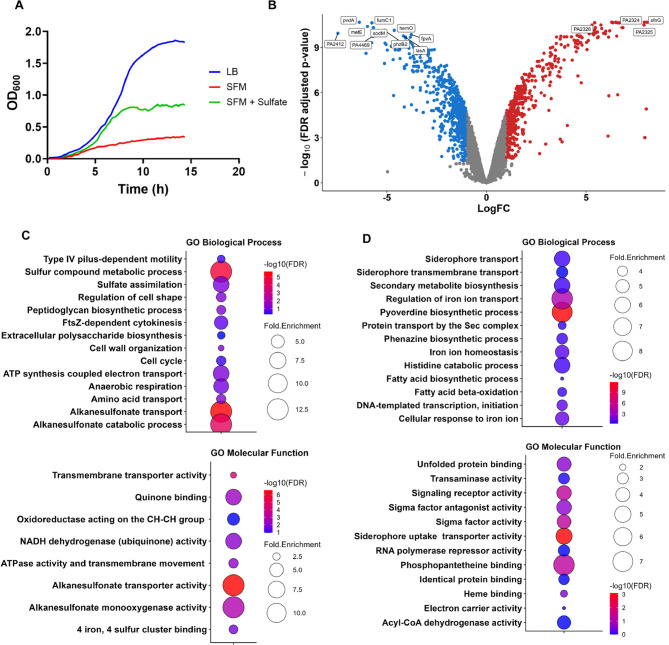 Figure 1
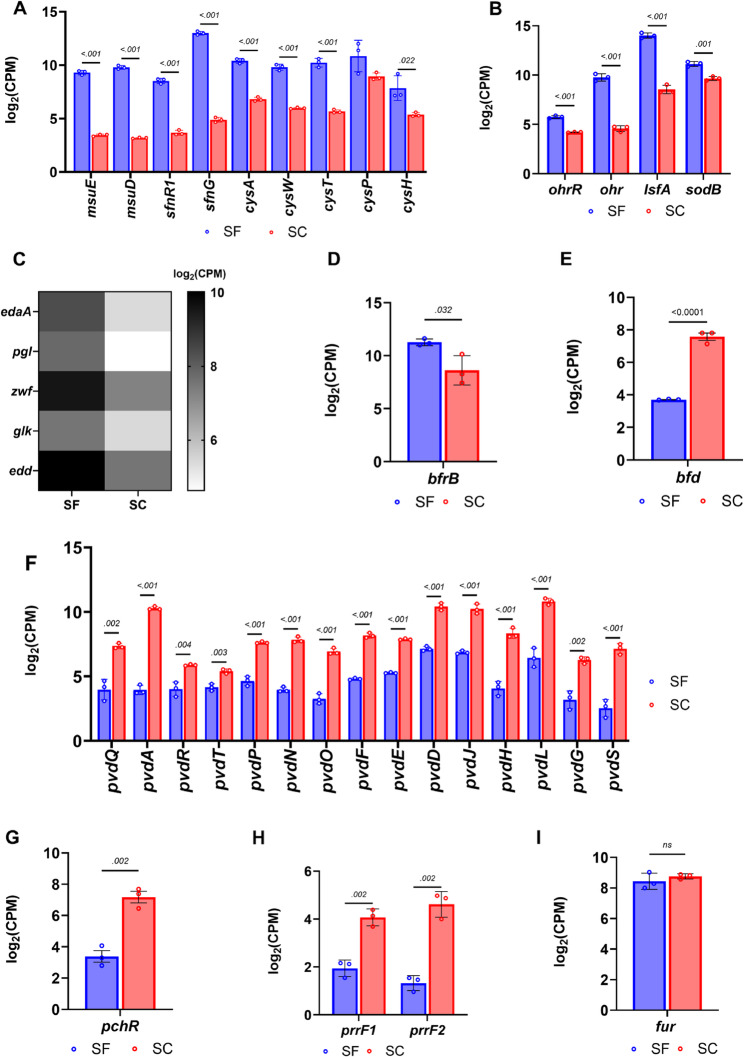 Figure 2
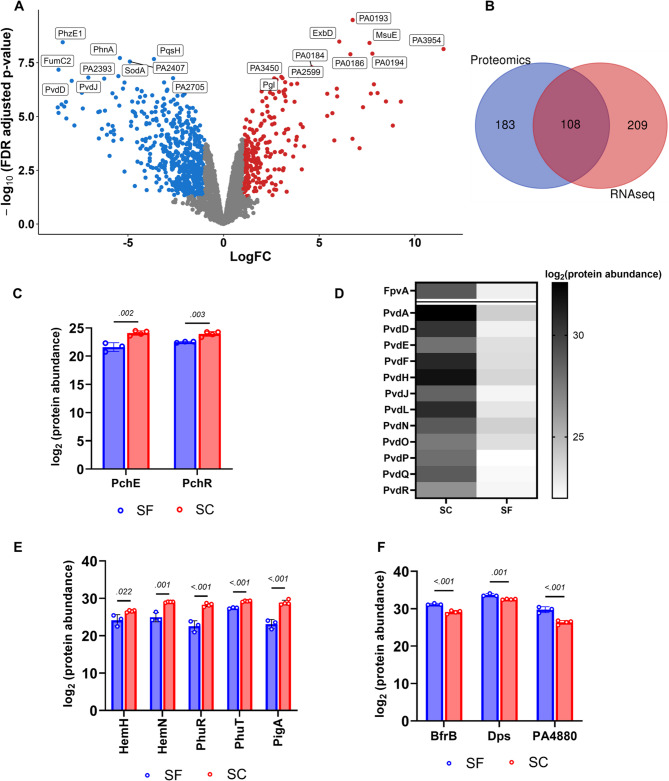 Figure 3
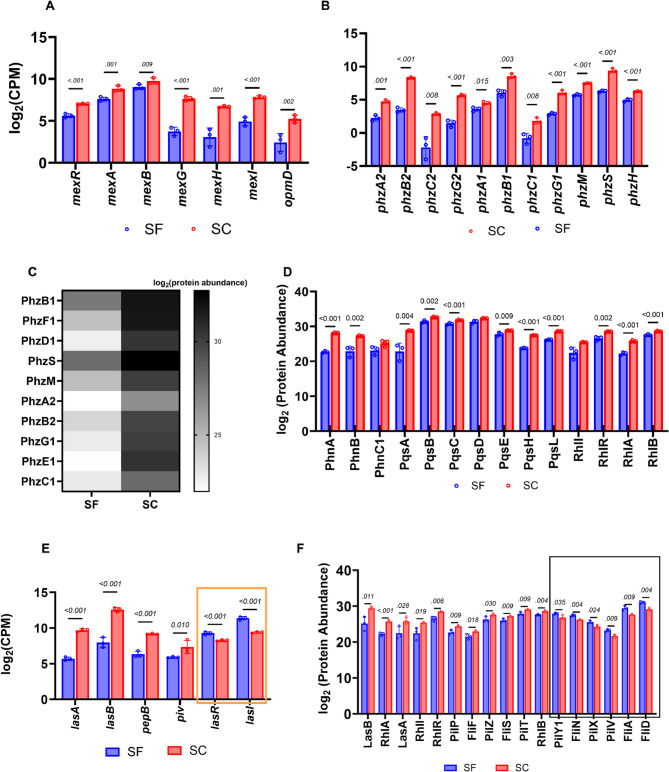 Figure 4
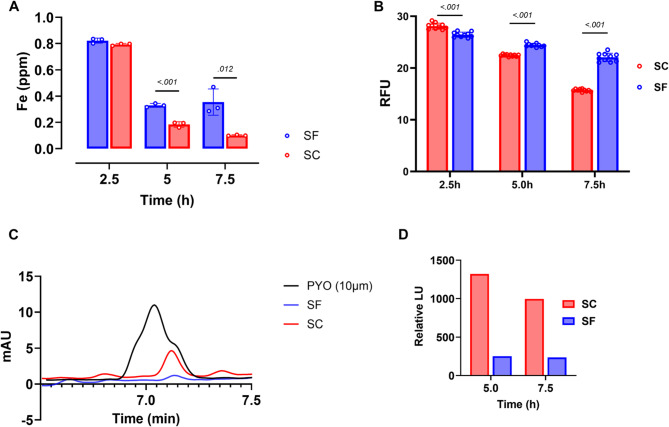 Figure 5
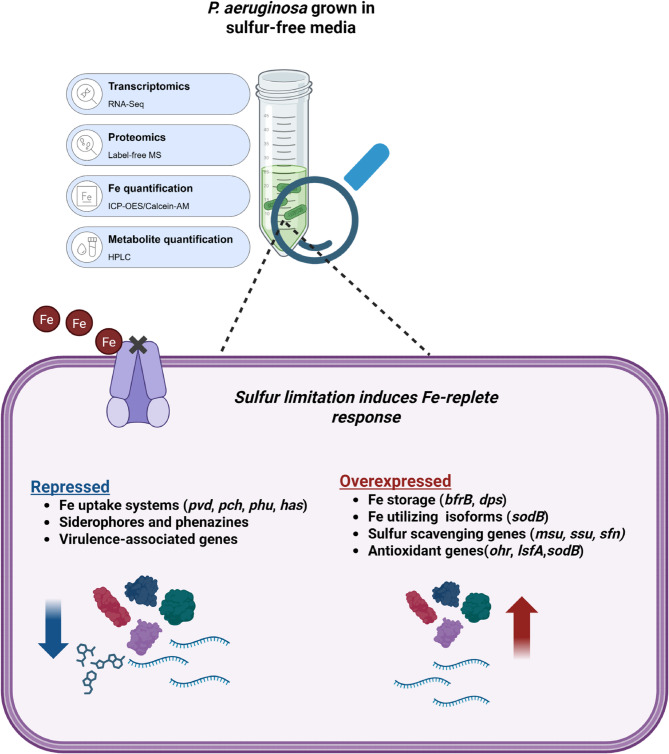 Figure 6
Peer Reviews
No public reviews on file for this paper yet. If you reviewed it on a platform where reviews are public (OpenReview, ICLR, NeurIPS, ICML), you can paste yours below so the community can read it here.
Videos
No videos yet. Explain this paper in a talk, walkthrough, or lecture? Add one.
Taxonomy
TopicsBacterial Genetics and Biotechnology · Metalloenzymes and iron-sulfur proteins · Bacterial biofilms and quorum sensing