Balint groups for improving the ability of doctors and medical students to manage the doctor–patient relationship: a systematic review, quantitative meta-analysis and qualitative meta-synthesis of intervention studies
Luxinyi Xu, Xiaomei Cui, Yu Wang, Chuanchuan He, Lijun Dong, Dongmei Li, Yinglong Li, Yuan Yao, Liqin Shan, Zhengfen Xu

TL;DR
Balint groups help doctors and medical students improve communication and empathy with patients, based on a review of 56 studies.
Contribution
First systematic review combining quantitative and qualitative evidence on Balint groups' impact on doctor-patient relationships.
Findings
Balint group participants showed higher communication and empathy scores and lower anxiety compared to controls.
Balint groups significantly reduced emotional exhaustion and increased personal accomplishment among healthcare workers.
Qualitative analysis confirmed improved doctor-patient communication and team cooperation through Balint groups.
Abstract
Balint groups are a crucial method for improving the relationship between medical students/doctors and patients. Nevertheless, no review has examined the effects of Balint groups in this regard. This study aimed to conduct quantitative meta-analyses and qualitative meta-syntheses based on a systematic review to provide references for improving doctor‒patient relationships. We searched six databases from inception through October 2024. Two reviewers independently conducted screening and quality assessment. Quantitative data were analyzed using meta-analysis methods with standard mean differences (SMDs) and 95% confidence intervals (CI) in RevMan 5.4.1, while qualitative results were summarized using meta-synthesis methods. A total of 56 studies were included, including 45 quantitative studies and 11 qualitative studies. Two, fifty-one, and three studies were rated as having a low risk…
Genes, proteins, chemicals, diseases, species, mutations and cell lines named across the full text — each resolved to its canonical identifier and authoritative record.
Click any figure to enlarge with its caption.
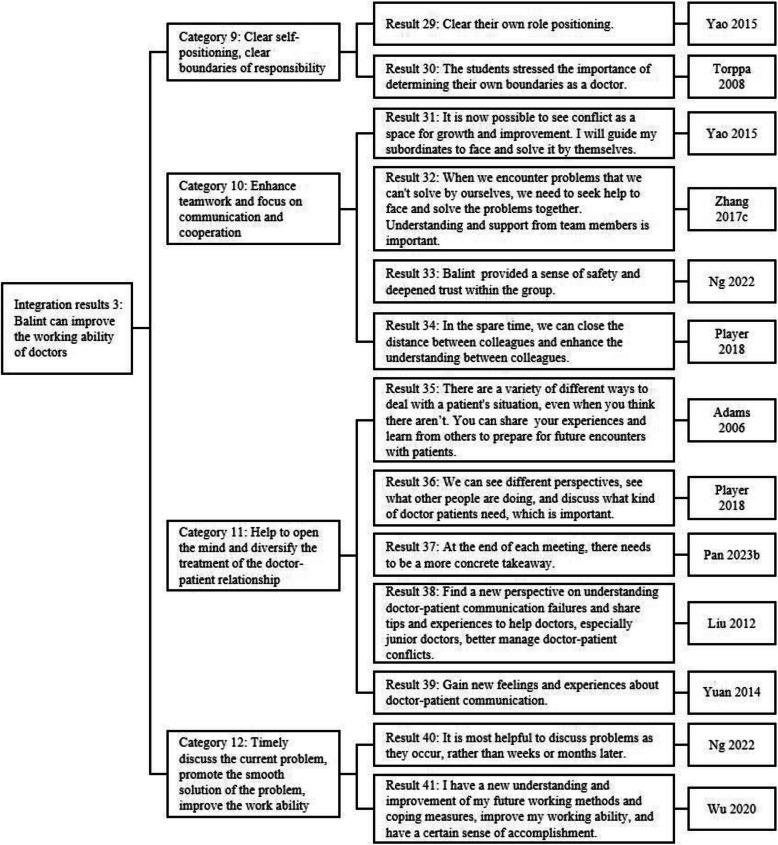 Figure 10
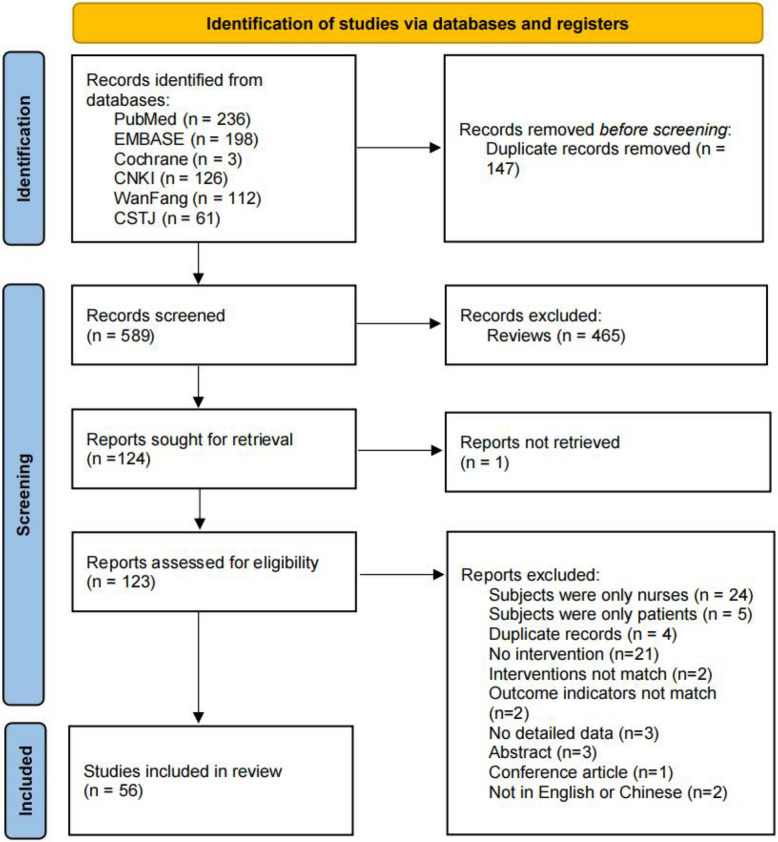 Figure 1
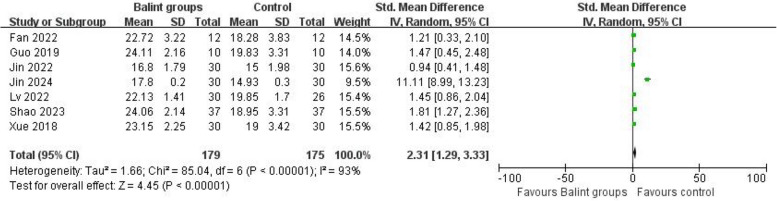 Figure 2
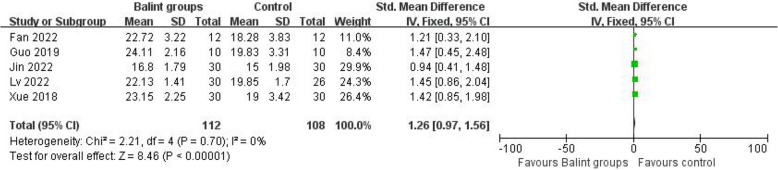 Figure 3
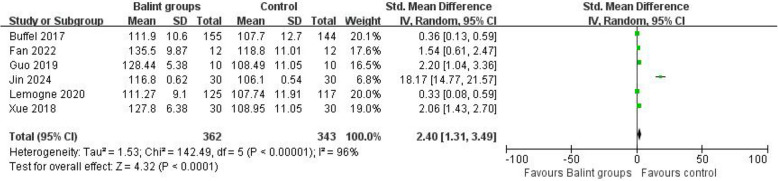 Figure 4
 Figure 5
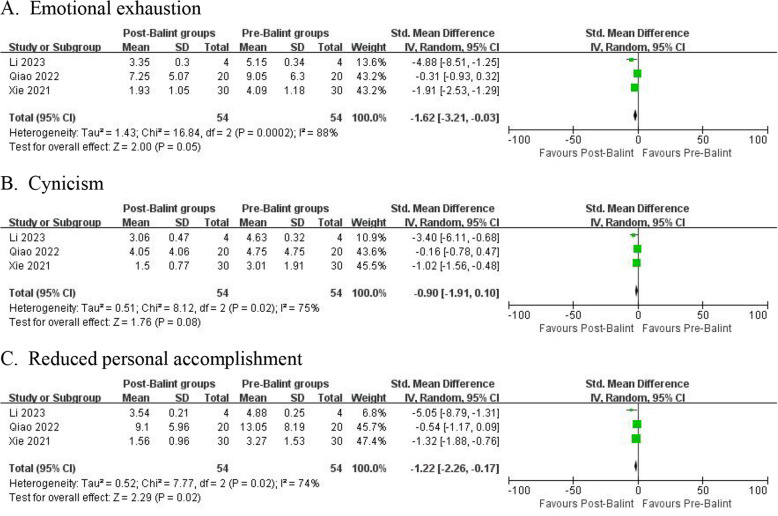 Figure 6
 Figure 7
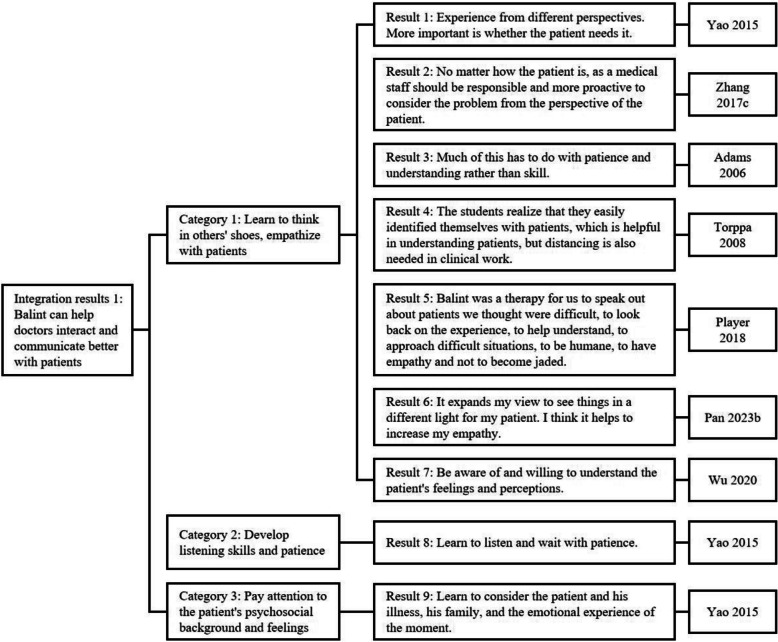 Figure 8
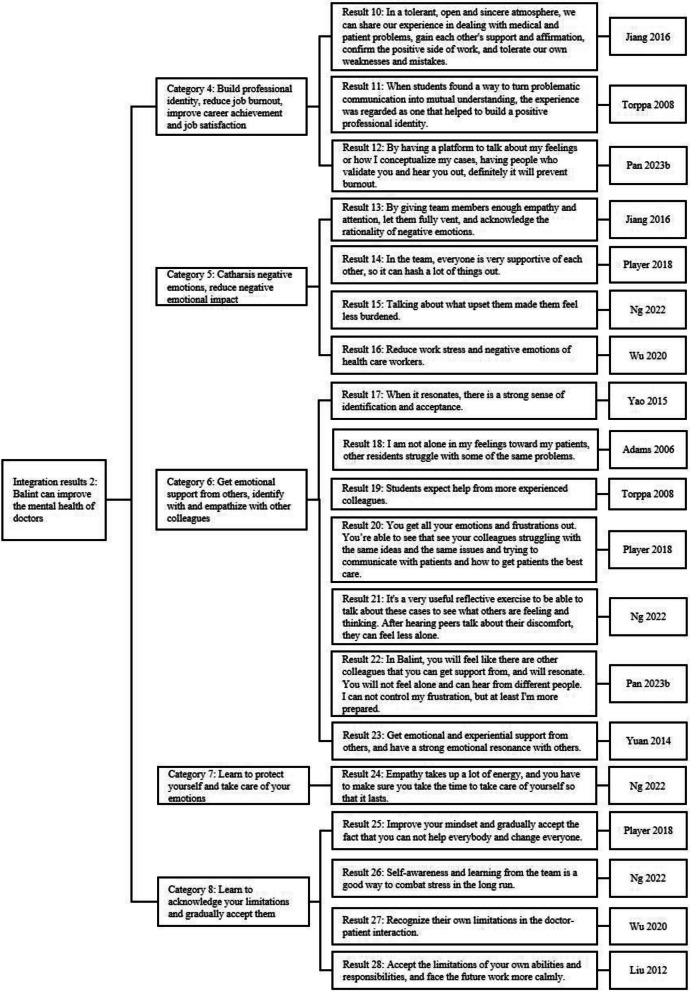 Figure 9
Peer Reviews
No public reviews on file for this paper yet. If you reviewed it on a platform where reviews are public (OpenReview, ICLR, NeurIPS, ICML), you can paste yours below so the community can read it here.
Videos
No videos yet. Explain this paper in a talk, walkthrough, or lecture? Add one.
Taxonomy
TopicsPatient-Provider Communication in Healthcare · Healthcare professionals’ stress and burnout · Innovations in Medical Education