A Case Series of Angular Sign of Henle Fiber Layer Hyperreflectivity (ASHH): A Novel Optical Coherence Tomography (OCT) Biomarker
Konstantinos Flindris, Athanasios Kaliardas, Ioannis Koumpoulis, Ioannis Melissourgos

TL;DR
A new OCT biomarker called ASHH helps detect acute macular photoreceptor injury in various eye conditions, aiding in diagnosis and monitoring recovery.
Contribution
The paper introduces ASHH as a novel OCT biomarker for acute photoreceptor injury in diverse retinal conditions.
Findings
ASHH was identified in three distinct cases of macular disorders, including APMPPE and ocular trauma.
Serial OCT showed ASHH hyperreflectivity reduced over time, with variable structural sequelae and favorable visual outcomes.
Recognizing ASHH improves clinic-imaging correlation and provides a reproducible method for monitoring retinal recovery.
Abstract
The angular sign of Henle fiber layer (HFL) hyperreflectivity (ASHH) is a newly described optical coherence tomography (OCT) biomarker of acute macular photoreceptor injury. It appears on OCT as a hyperreflective band along the oblique HFL, extending from the outer plexiform layer (OPL) to the ellipsoid zone (EZ). ASHH occurs in macular disorders of ischemic, inflammatory, or mechanical/traumatic origin. This case series describes three patients with ASHH in distinct conditions and discusses its clinical relevance. A 24-year-old man with acute posterior multifocal placoid pigment epitheliopathy (APMPPE) presented with acute bilateral painless central vision loss and placoid macular lesions after a respiratory infection. OCT showed an ASHH indicative of photoreceptor disruption. A 28-year-old man sustained blunt ocular trauma from an ice projectile with commotio retinae. Early OCT…
Genes, proteins, chemicals, diseases, species, mutations and cell lines named across the full text — each resolved to its canonical identifier and authoritative record.
Click any figure to enlarge with its caption.
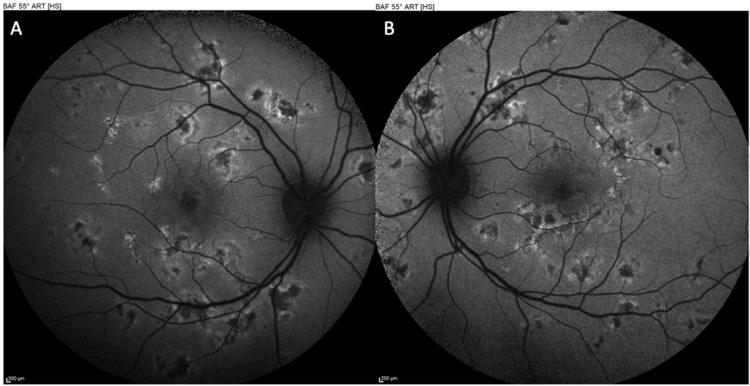 Figure 1
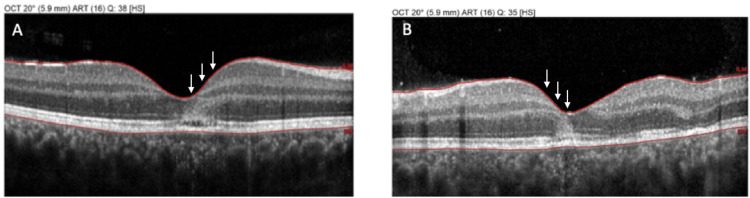 Figure 2
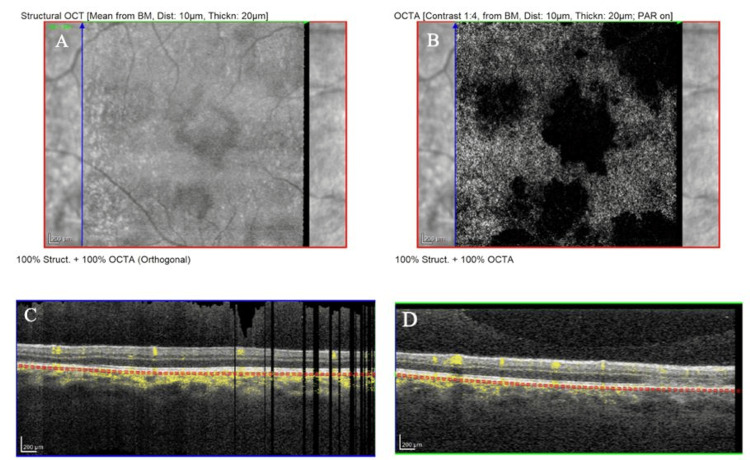 Figure 3
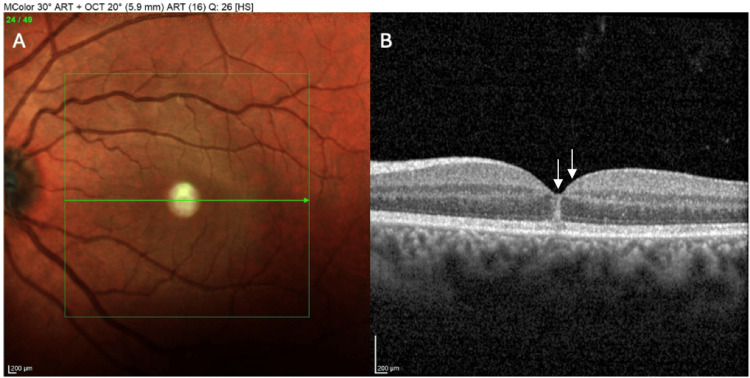 Figure 4
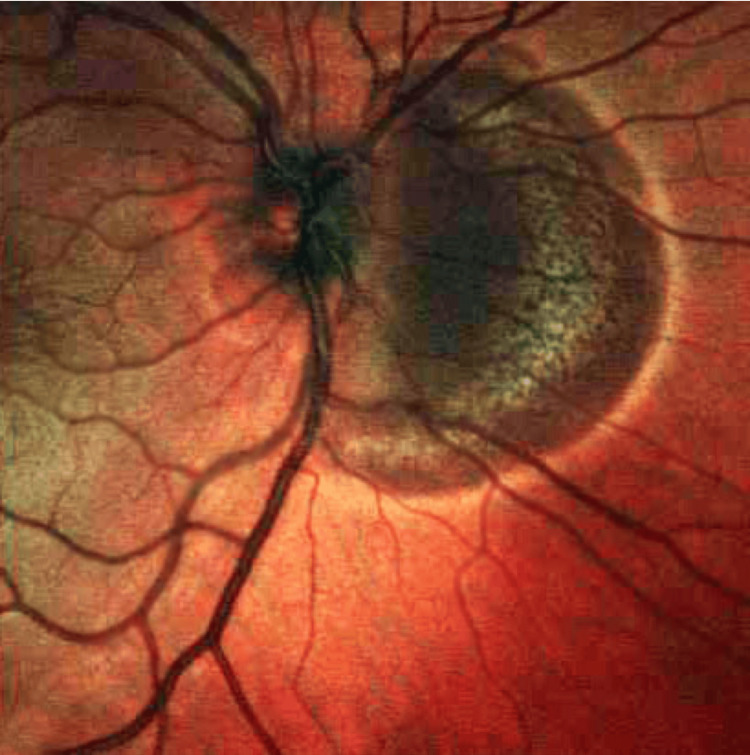 Figure 5
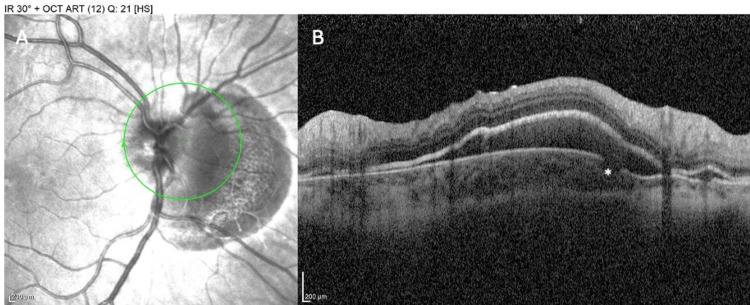 Figure 6
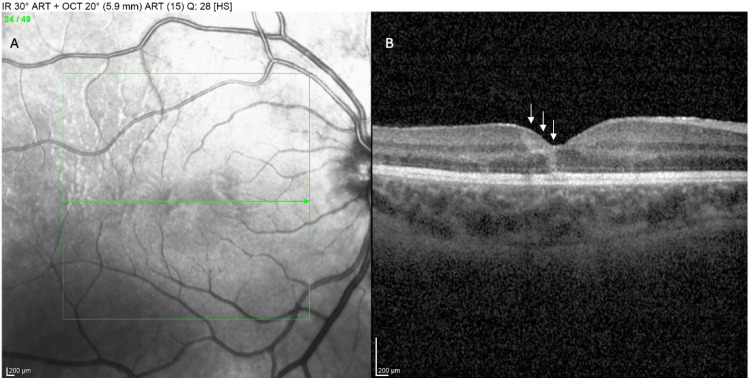 Figure 7
Peer Reviews
No public reviews on file for this paper yet. If you reviewed it on a platform where reviews are public (OpenReview, ICLR, NeurIPS, ICML), you can paste yours below so the community can read it here.
Videos
No videos yet. Explain this paper in a talk, walkthrough, or lecture? Add one.
Taxonomy
TopicsOptical Coherence Tomography Applications · Glaucoma and retinal disorders · Retinal Diseases and Treatments