Synergistic InSe quantum dots–mesoporous Ta2O5 nanostructure for ultrasensitive electrochemical detection of antibiotics in environmental samples
Chou-Yi Hsu, Yousry Sadoon Rasheed, Yasir Qasim Almajidi, Ali Kamil Kareem, Subbulakshmi Ganesan, Alok Kumar Mishra, T. Krithiga, Sanjeev Kumar, Wesam R. Kadhum, Shayan Amiri

TL;DR
A new sensor using InSe quantum dots and mesoporous Ta2O5 detects antibiotics in water with high sensitivity and accuracy.
Contribution
A synergistic InSe QD–mesoporous Ta2O5 nanostructure is developed for ultrasensitive antibiotic detection in environmental samples.
Findings
The sensor achieves a detection limit of ∼2.5 × 10⁻¹¹ M for antibiotics like tetracycline and ciprofloxacin.
The sensor shows excellent stability over 30 days and recovery rates above 92% in various water samples.
The combination of InSe QDs and Ta2O5 provides high electrocatalytic activity and selectivity.
Abstract
Antibiotic contamination in water resources threatens ecosystems and public health, demanding sensitive and practical monitoring methods. We present an electrochemical sensor based on indium selenide (InSe) quantum dots integrated with mesoporous tantalum pentoxide (Ta2O5), forming a synergistic nanostructure with high electrocatalytic activity. The platform enables ultrasensitive detection of antibiotics such as tetracycline, ciprofloxacin, and amoxicillin, achieving a detection limit of ∼2.5 × 10⁻¹¹ M. The large surface area of Ta2O5 facilitates analyte diffusion, while InSe QDs enhance charge transfer, together ensuring excellent sensitivity, selectivity, and reproducibility (RSD <2%). The sensor retains stability over 30 days and demonstrates recovery rates above 92% in tap, river, and wastewater samples. Offering simplicity and low cost compared to conventional analytical methods,…
Genes, proteins, chemicals, diseases, species, mutations and cell lines named across the full text — each resolved to its canonical identifier and authoritative record.
Click any figure to enlarge with its caption.
 Figure 1
 Figure 2
 Figure 3
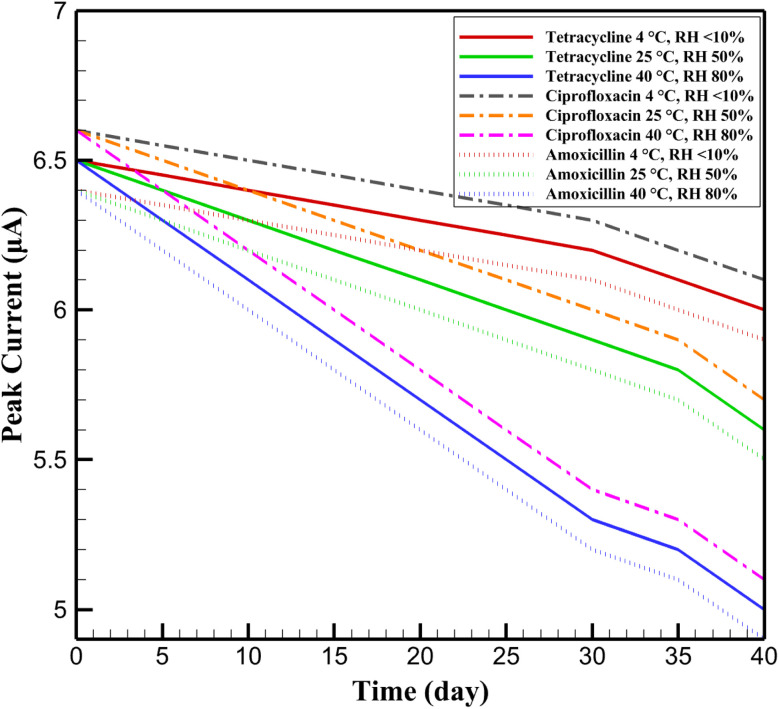 Figure 4
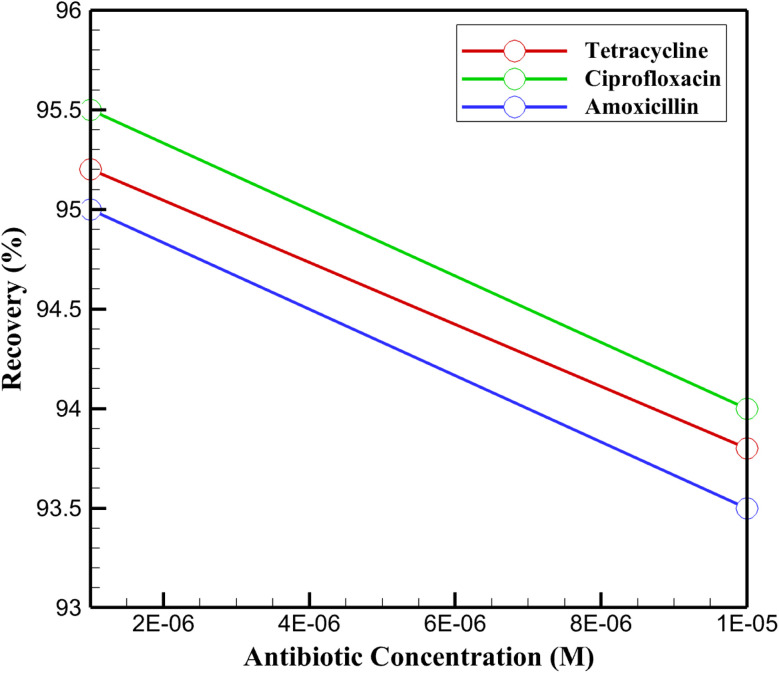 Figure 5
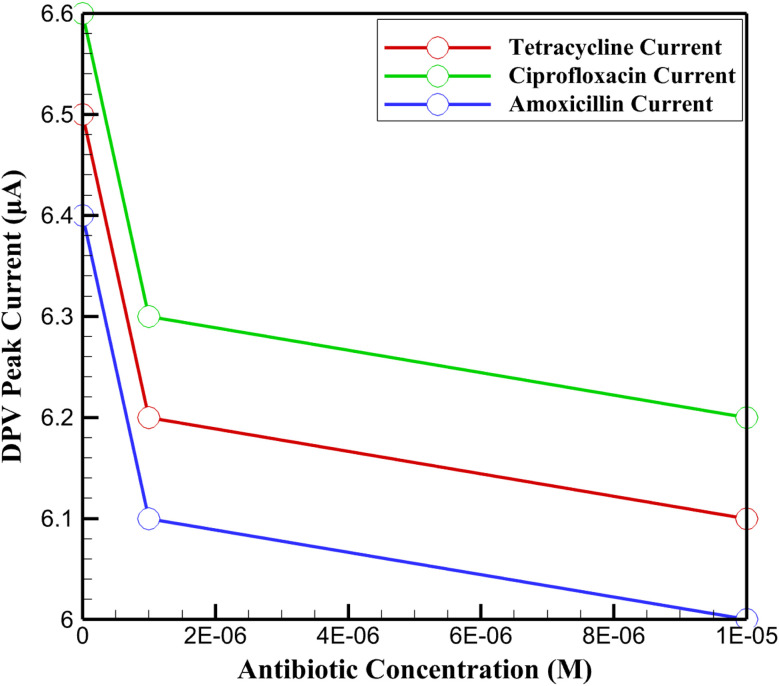 Figure 6
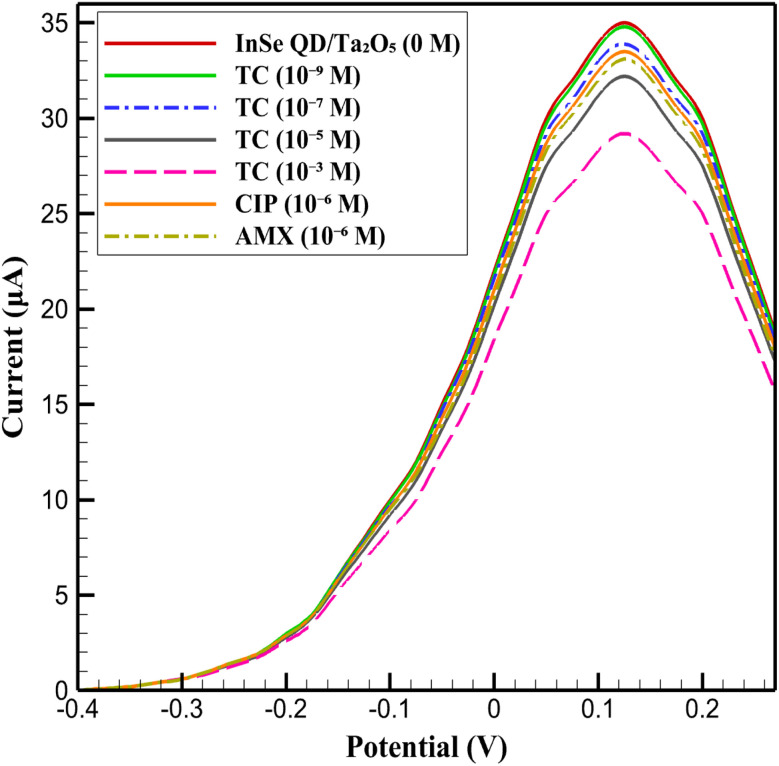 Figure 7
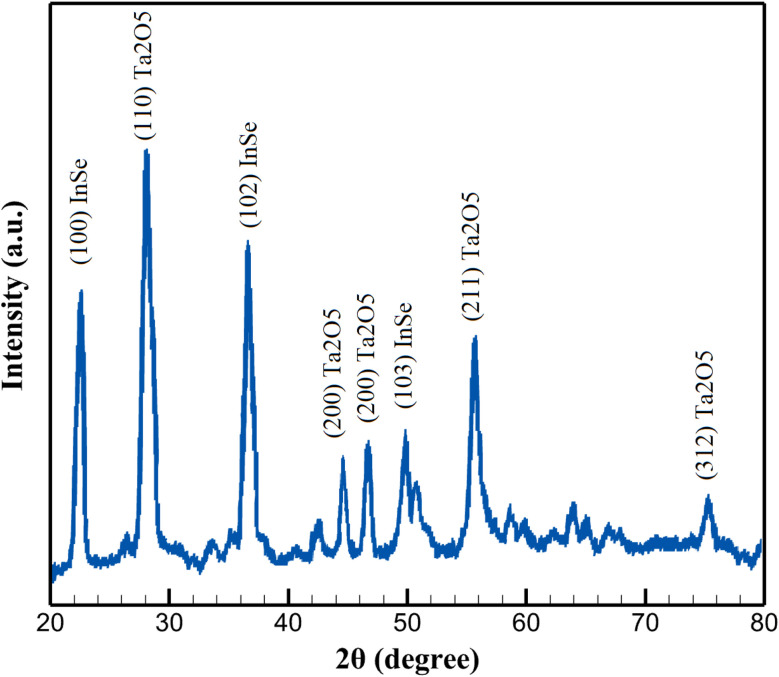 Figure 8
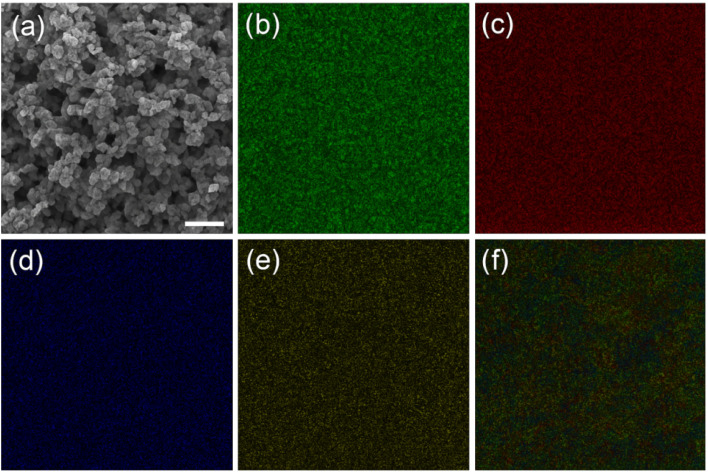 Figure 9
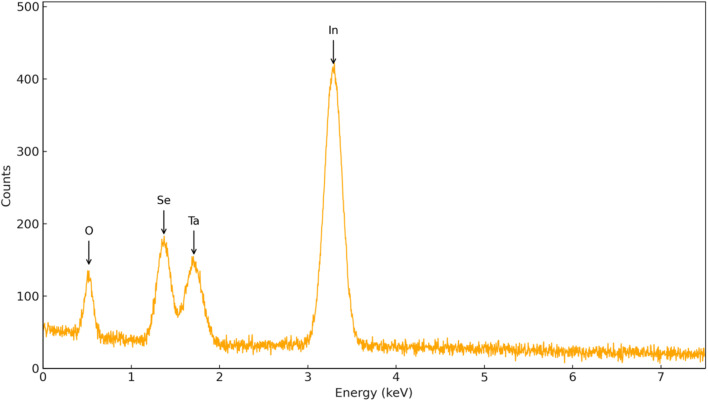 Figure 10
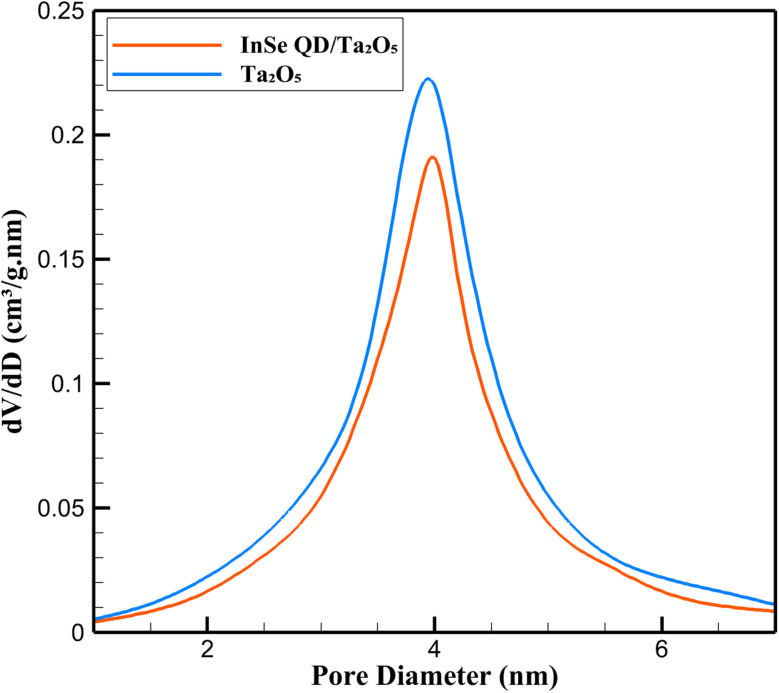 Figure 11
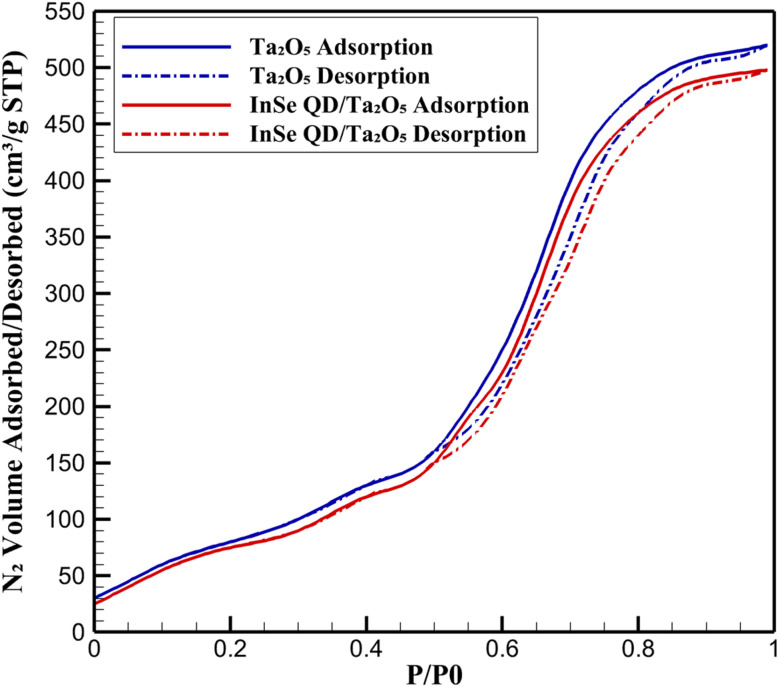 Figure 12
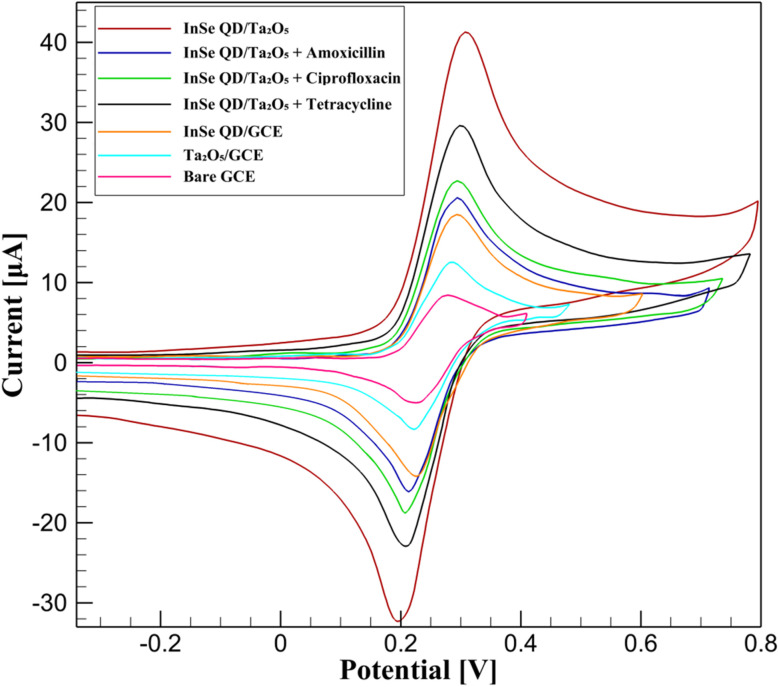 Figure 13
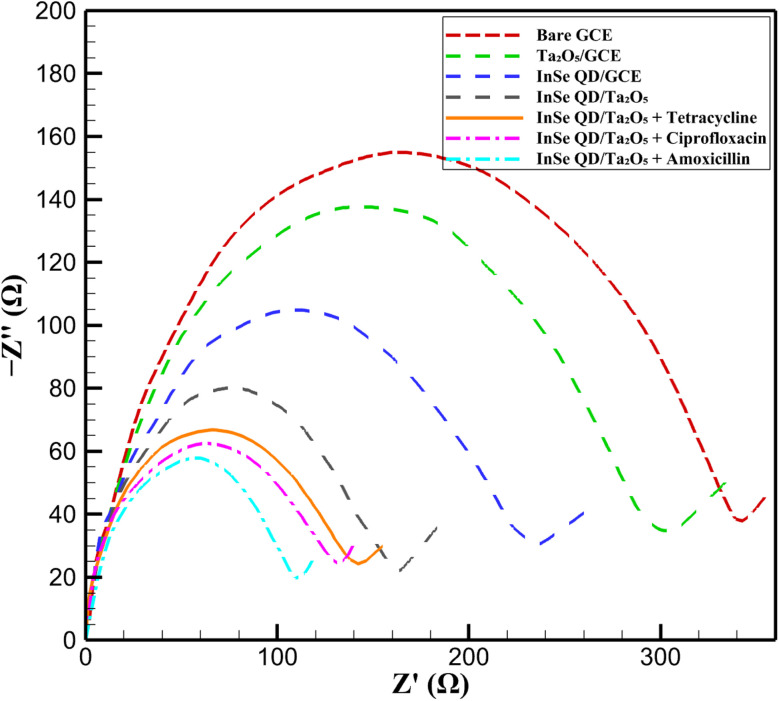 Figure 14
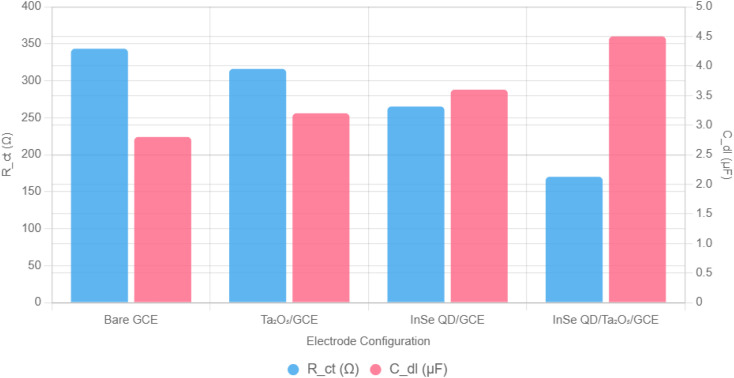 Figure 15
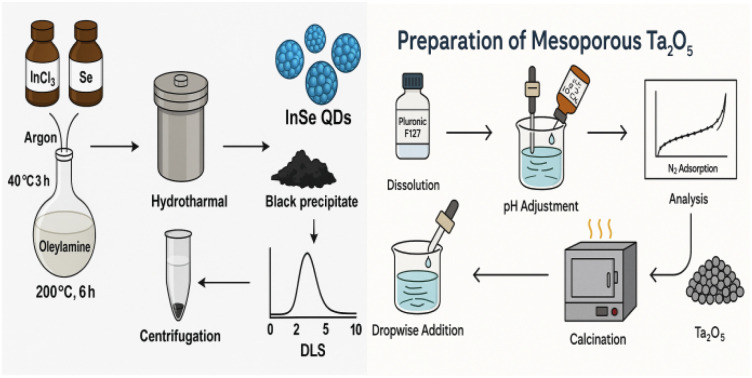 Figure 16
Peer Reviews
No public reviews on file for this paper yet. If you reviewed it on a platform where reviews are public (OpenReview, ICLR, NeurIPS, ICML), you can paste yours below so the community can read it here.
Videos
No videos yet. Explain this paper in a talk, walkthrough, or lecture? Add one.
Taxonomy
TopicsElectrochemical sensors and biosensors · Biosensors and Analytical Detection · Advanced biosensing and bioanalysis techniques