Charge Distribution and Lithium Oxide Stability Modeled by Reactive Force Field
Vjeran Gomzi, Jakov Juvančić

TL;DR
This paper introduces a new method for modeling lithium and lithium oxide charge distributions to improve battery design simulations.
Contribution
A novel ACKS2-based reactive force field is developed and optimized to better model lithium and lithium oxide structures.
Findings
The ACKS2 method improves charge distribution modeling compared to previous electronegativity equilibration methods.
The new force field successfully reproduces lithium and lithium-oxide crystal structures with vacuum layers.
Optimized parameters enhance the accuracy of theoretical atomic charge predictions.
Abstract
Understanding the reactive properties of lithium and its oxides plays an important role in the modeling and design of lithium batteries. For the investigation of reasonably large structures, the use of molecular dynamics is usually the method of choice because of its calculation efficiency. The shortcoming of this approach is that the electron distribution is approximated by parameters obtained semiempirically or approximated at different levels from first-principles calculations. A novel method based on Kohn–Sham density functional theory, approximated to the second order (ACKS2), for modeling the charge distribution has recently been introduced. The method resolves two major problems from which the previous electronegativity equilibration method suffers, although some shortcomings remain. Here, we first verify the effect that the charge calculation method has on theoretical…
Genes, proteins, chemicals, diseases, species, mutations and cell lines named across the full text — each resolved to its canonical identifier and authoritative record.
Click any figure to enlarge with its caption.
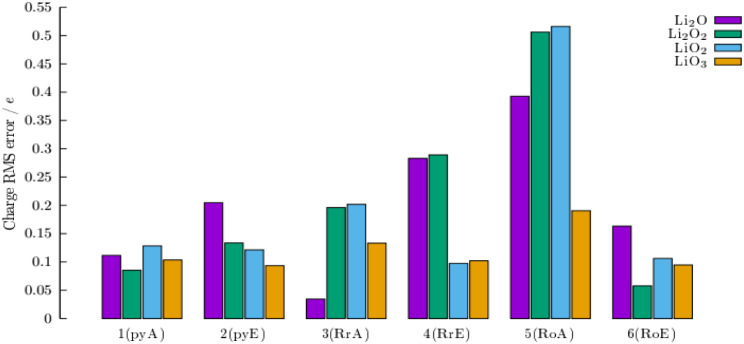 Figure 1
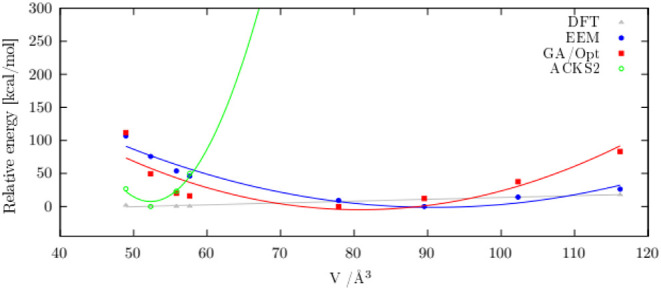 Figure 2
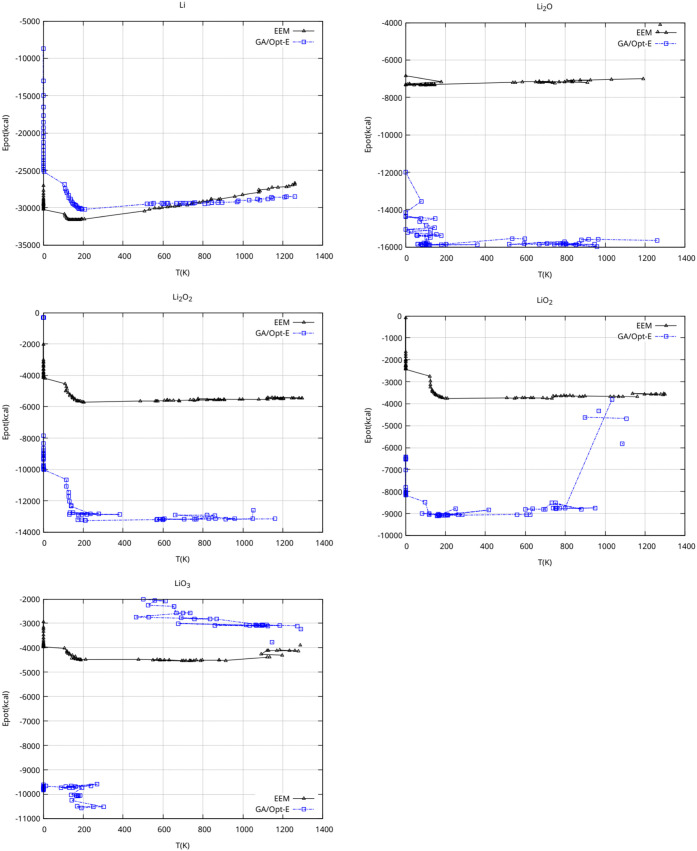 Figure 3
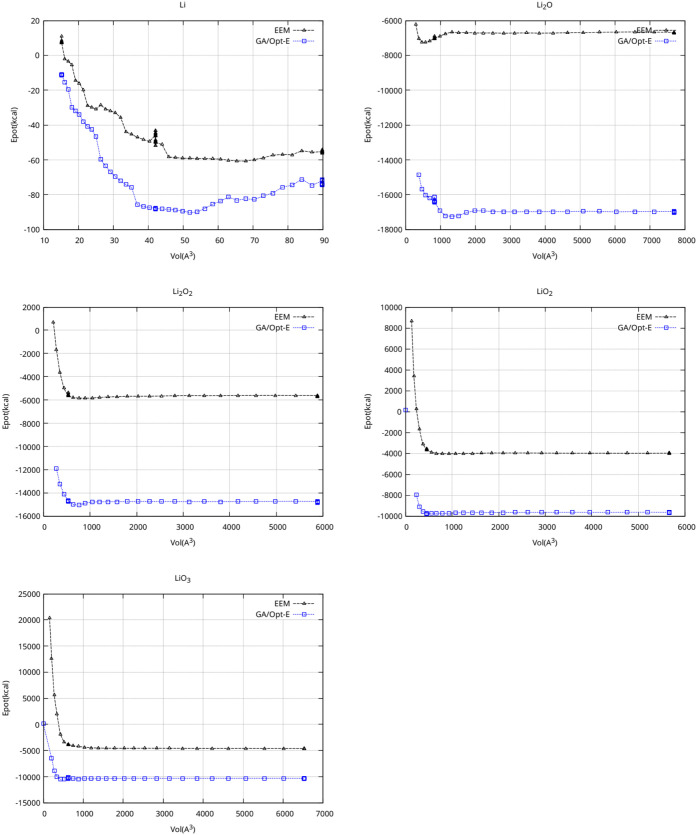 Figure 4
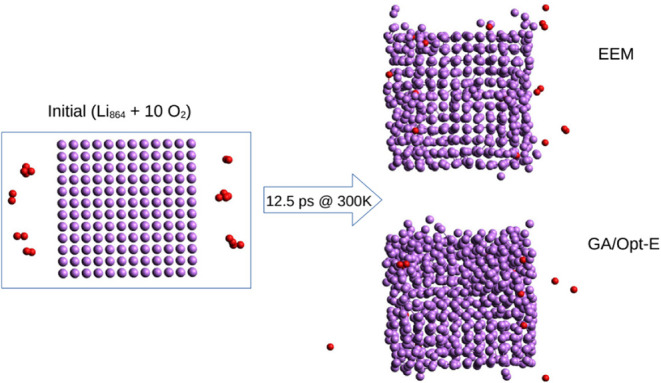 Figure 5
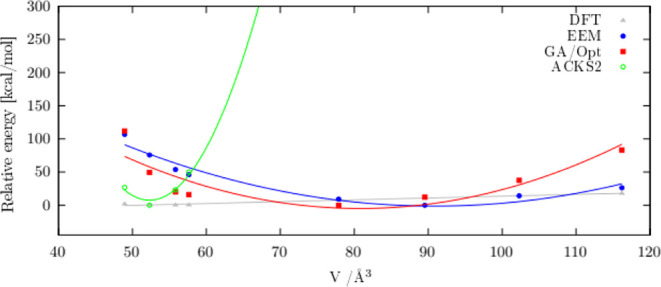 Figure 6
 Figure 7
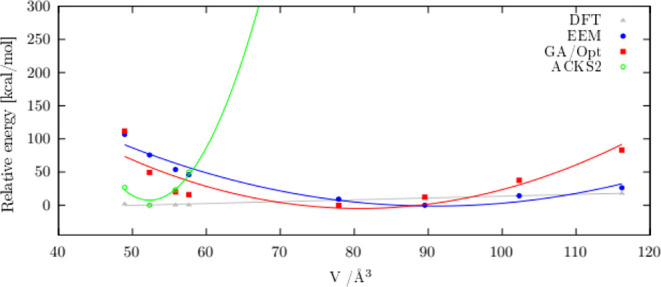 Figure 8
 Figure 9
 Figure 10
 Figure 11
 Figure 12
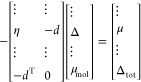 Figure 13
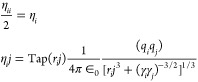 Figure 14
 Figure 15
 Figure 16
 Figure 17
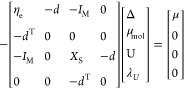 Figure 18
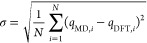 Figure 19
 Figure 20
 Figure 21
 Figure 22
 Figure 23
 Figure 24
 Figure 25
 Figure 26
 Figure 27
 Figure 28
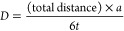 Figure 29
 Figure 30
 Figure 31
 Figure 32
 Figure 33
 Figure 34
 Figure 35
Peer Reviews
No public reviews on file for this paper yet. If you reviewed it on a platform where reviews are public (OpenReview, ICLR, NeurIPS, ICML), you can paste yours below so the community can read it here.
Videos
No videos yet. Explain this paper in a talk, walkthrough, or lecture? Add one.
Taxonomy
TopicsAdvancements in Battery Materials · Advanced Battery Technologies Research · Semiconductor materials and devices