Unveiling the hidden burden: estimating the proportion of undiagnosed depression, hypertension and diabetes – a modelling study using survey data from adults in England, 2011–2019
Benjamin Barr, Anna Head, Brendan Collins, Chris Kypridemos

TL;DR
This study estimates how many people in England have undiagnosed depression, hypertension, and diabetes from 2011 to 2019, showing trends and disparities across different groups.
Contribution
The study introduces a novel method combining survey data and microsimulation to estimate undiagnosed cases of three chronic conditions across diverse population segments.
Findings
The proportion of undiagnosed diabetes and depression decreased between 2011 and 2019, while undiagnosed hypertension remained stable.
For hypertension, people in more deprived areas were less likely to be undiagnosed, whereas the opposite was true for depression.
Younger men and those over 70 were less likely to be diagnosed with depression, hypertension, or diabetes compared to middle-aged individuals.
Abstract
A large proportion of chronic conditions are undiagnosed, preventing early treatment, and leading to poorer outcomes. Understanding how levels of underdiagnosis vary between diseases and population groups over time is crucial for effectively allocating resources and targeting interventions to increase diagnosis rates. We used two annual national surveys: the Health Survey for England (cross-sectional) and the UK Household Longitudinal Survey, to identify people with diabetes, hypertension and depression. Diagnosed cases were defined as a self-report of being told by a nurse or doctor as having a condition; undiagnosed cases were defined as those where screening tools used in the survey identified clinical signs of the condition but the individual did not self-report a diagnosis. We used logistic regression to estimate the proportion of people with these three conditions who are…
Genes, proteins, chemicals, diseases, species, mutations and cell lines named across the full text — each resolved to its canonical identifier and authoritative record.
Click any figure to enlarge with its caption.
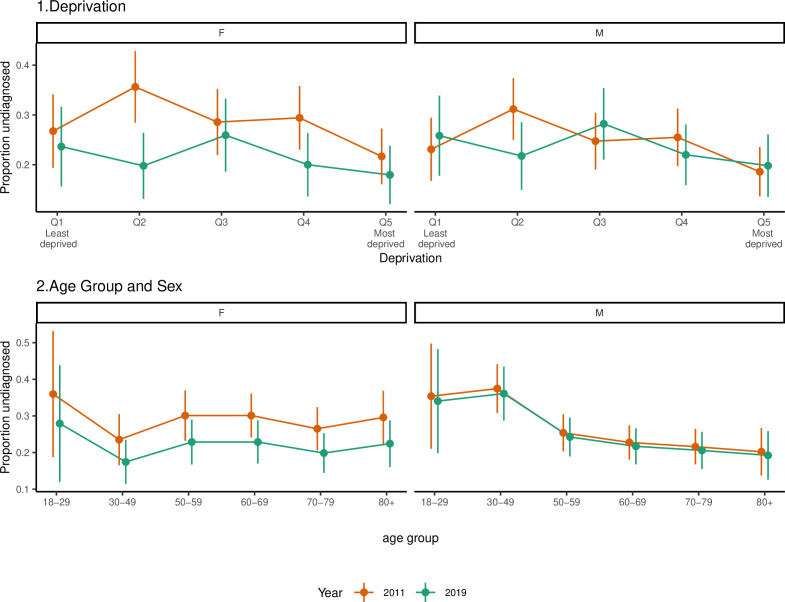 Figure 1
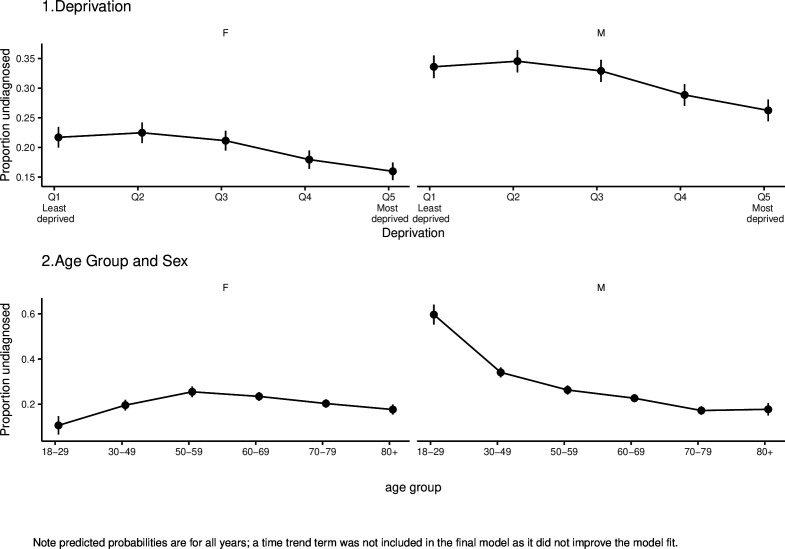 Figure 2
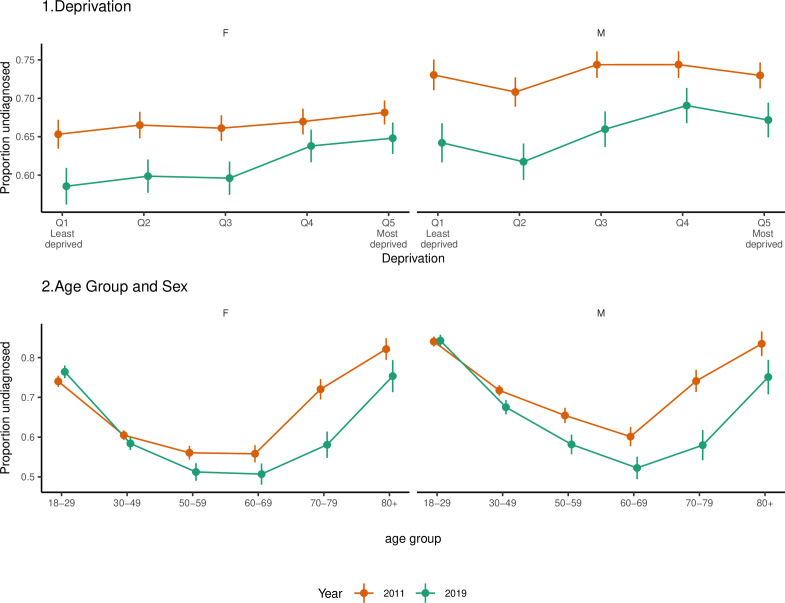 Figure 3
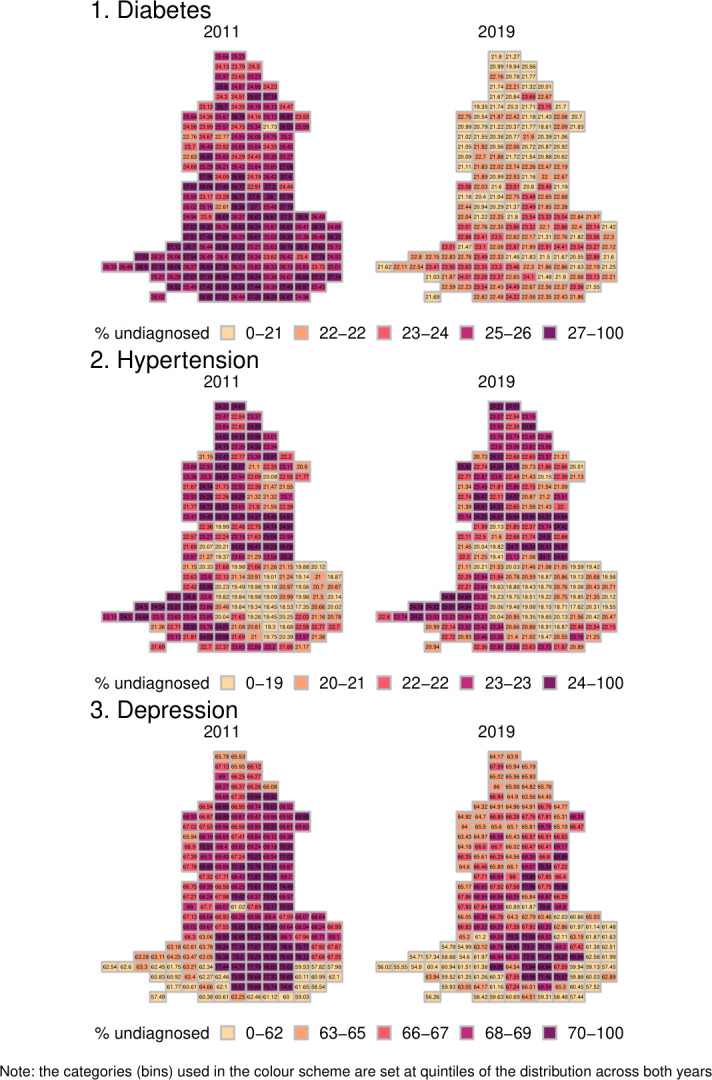 Figure 4
Peer Reviews
No public reviews on file for this paper yet. If you reviewed it on a platform where reviews are public (OpenReview, ICLR, NeurIPS, ICML), you can paste yours below so the community can read it here.
Videos
No videos yet. Explain this paper in a talk, walkthrough, or lecture? Add one.
Taxonomy
TopicsChronic Disease Management Strategies · Dementia and Cognitive Impairment Research · Cardiac Health and Mental Health