Enantioselective radical chemistry: a bright future ahead
Anna C Renner, Sagar S Thorat, Hariharaputhiran Subramanian, Mukund P Sibi

TL;DR
This paper reviews different methods for making enantioselective radical reactions, which are important for creating chiral molecules in chemistry.
Contribution
The paper highlights recent advances in catalytic asymmetric strategies for enantioselective radical chemistry.
Findings
Chiral Lewis acid catalysis and organocatalysis are effective for enantioselective radical reactions.
Photoredox and chiral transition-metal catalysis offer new pathways for asymmetric radical transformations.
Electrochemistry is a promising approach for achieving enantioselectivity in radical reactions.
Abstract
This perspective is focused on enantioselective free radical reactions. It describes several important catalytic asymmetric strategies applied to enantioselective radical reactions, including chiral Lewis acid catalysis, organocatalysis, photoredox catalysis, chiral transition-metal catalysis and photoenzymatic catalysis. The application of electrochemistry to asymmetric radical transformations is also discussed.
Genes, proteins, chemicals, diseases, species, mutations and cell lines named across the full text — each resolved to its canonical identifier and authoritative record.
Click any figure to enlarge with its caption.
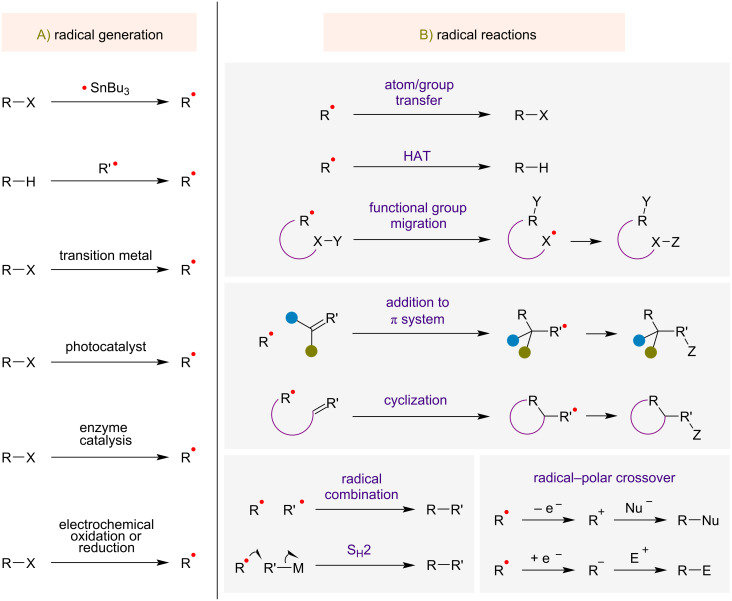 Figure 1
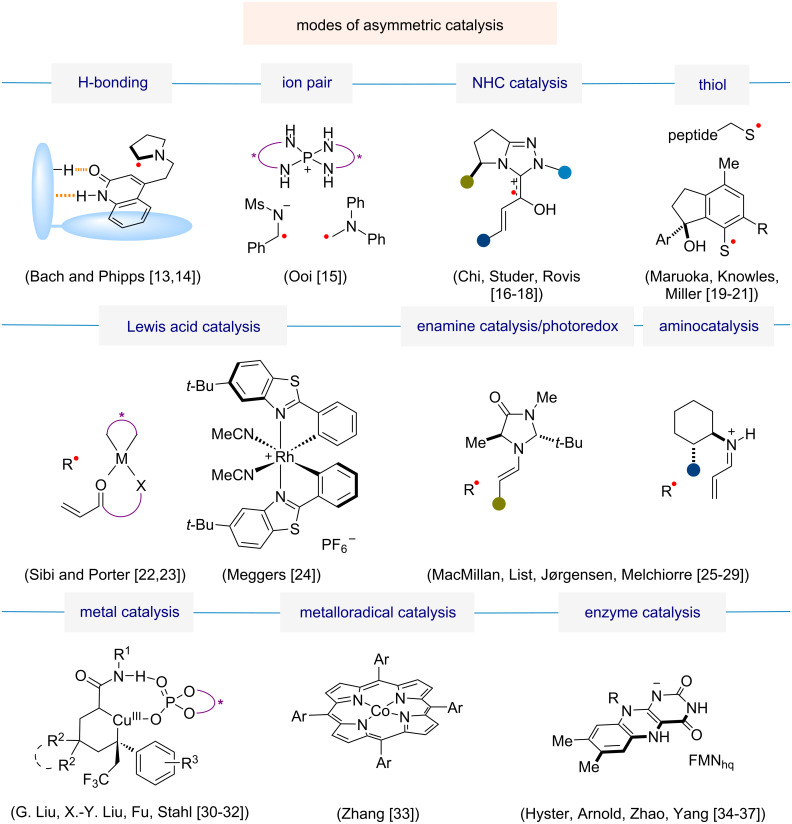 Figure 2
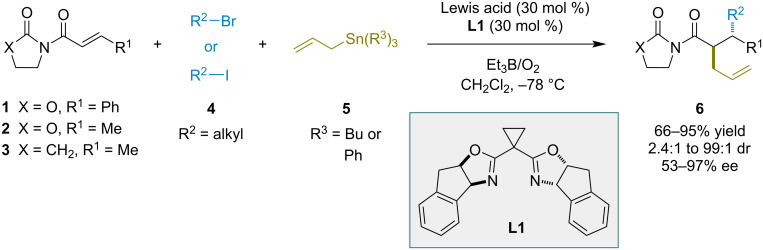 Figure 3
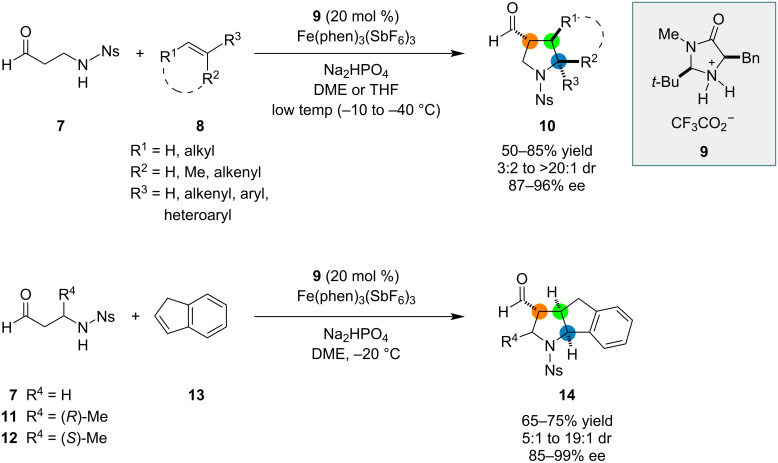 Figure 4
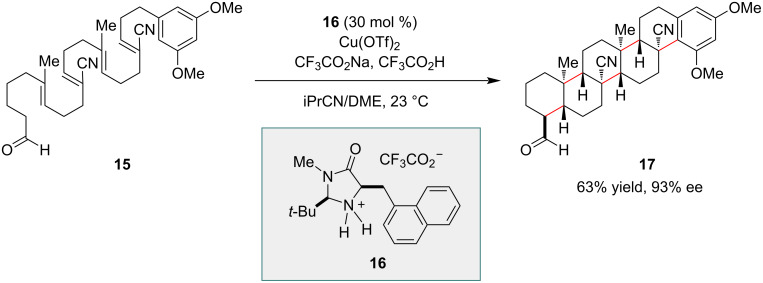 Figure 5
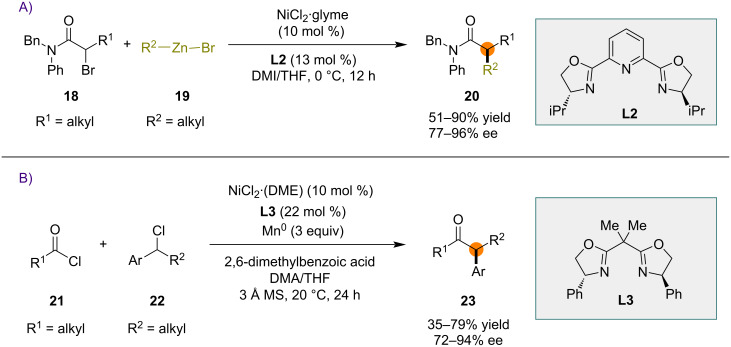 Figure 6
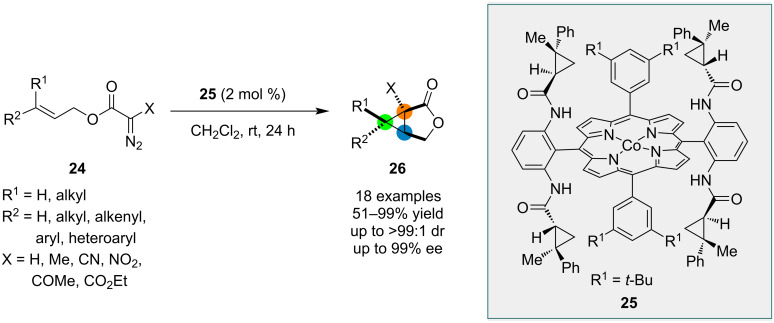 Figure 7
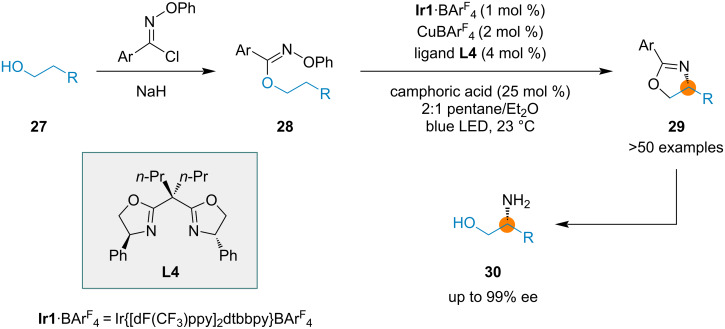 Figure 8
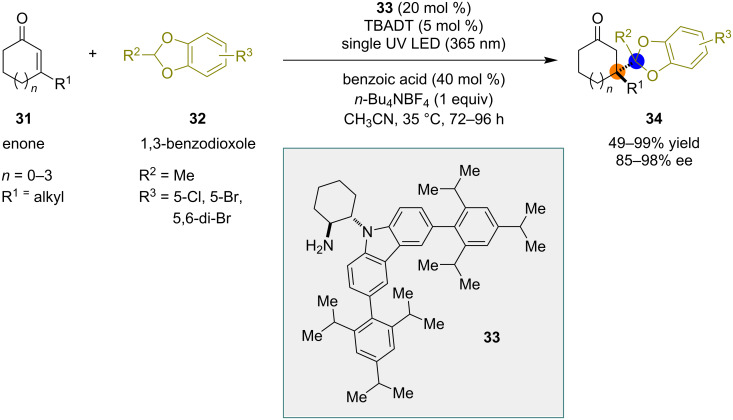 Figure 9
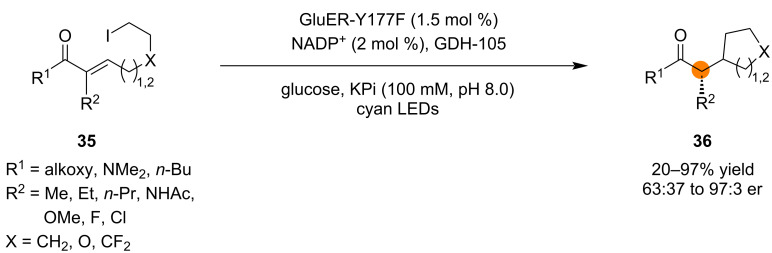 Figure 10
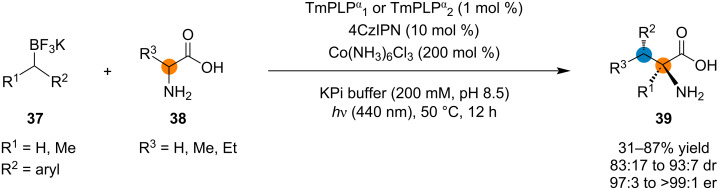 Figure 11
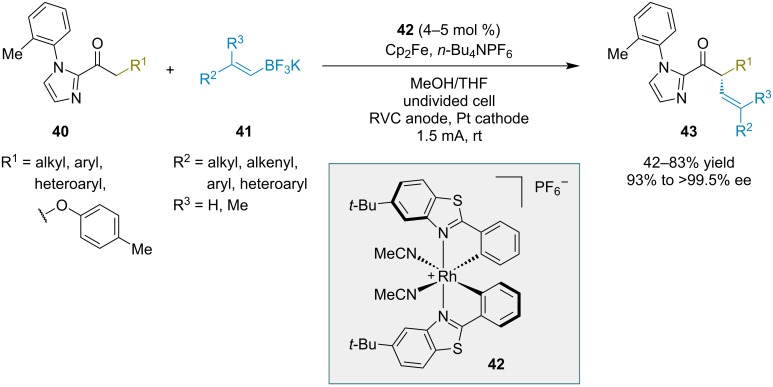 Figure 12
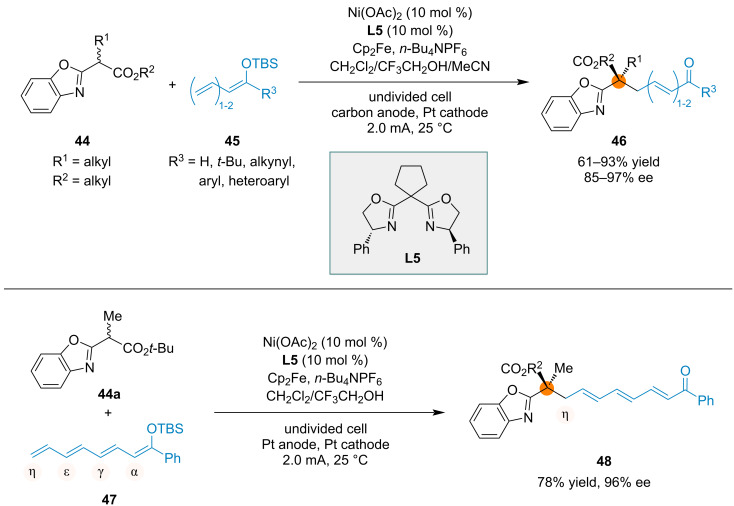 Figure 13
Peer Reviews
No public reviews on file for this paper yet. If you reviewed it on a platform where reviews are public (OpenReview, ICLR, NeurIPS, ICML), you can paste yours below so the community can read it here.
Videos
No videos yet. Explain this paper in a talk, walkthrough, or lecture? Add one.
Taxonomy
TopicsRadical Photochemical Reactions · Organoboron and organosilicon chemistry · Asymmetric Hydrogenation and Catalysis