Programmable soliton dynamics in all-Josephson-junction logic cells and networks
Vsevolod I Ruzhickiy, Anastasia A Maksimovskaya, Sergey V Bakurskiy, Andrey E Schegolev, Maxim V Tereshonok, Mikhail Yu Kupriyanov, Nikolay V Klenov, Igor I Soloviev

TL;DR
The paper introduces a new design for Josephson junction networks that allows for programmable control of soliton dynamics, enabling robust and flexible logic and computing systems.
Contribution
The novel contribution is a tunable Josephson junction cell design that enables programmable soliton control and unidirectional propagation.
Findings
A structural asymmetry in transmission lines creates a Josephson diode for unidirectional soliton propagation.
Programmable kinetic inductance allows selective activation or deactivation of diode functionality.
Artificial inhomogeneity improves robustness in all-Josephson-junction logic and neuromorphic systems.
Abstract
We demonstrate the programmable control of kinetic soliton dynamics in all-Josephson-junction (all-JJ) networks through a novel tunable cell design. This cell enables on-demand switching of transmission lines and operates across defined parameter regimes supporting diverse dynamical modes. By introducing a structural asymmetry into a transmission line, we implement a Josephson diode that enforces unidirectional soliton propagation. The programmability of the kinetic inductance then provides a crucial mechanism to selectively enable or disable this diode functionality. By engineering artificial inhomogeneity into the circuit architecture, we enhance robustness in all-JJ logic circuits, 2D transmission line all-JJ lattices, and neuromorphic computing systems.
Genes, proteins, chemicals, diseases, species, mutations and cell lines named across the full text — each resolved to its canonical identifier and authoritative record.
Click any figure to enlarge with its caption.
 Figure 1
 Figure 2
 Figure 3
 Figure 4
 Figure 5
 Figure 6
 Figure 7
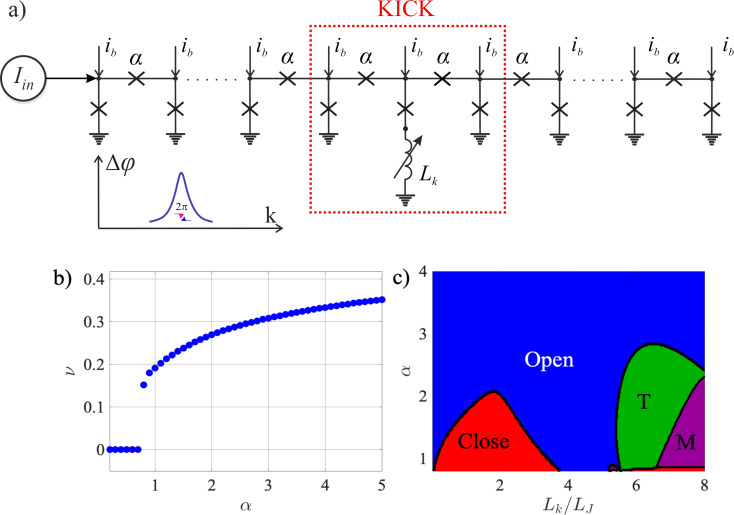 Figure 8
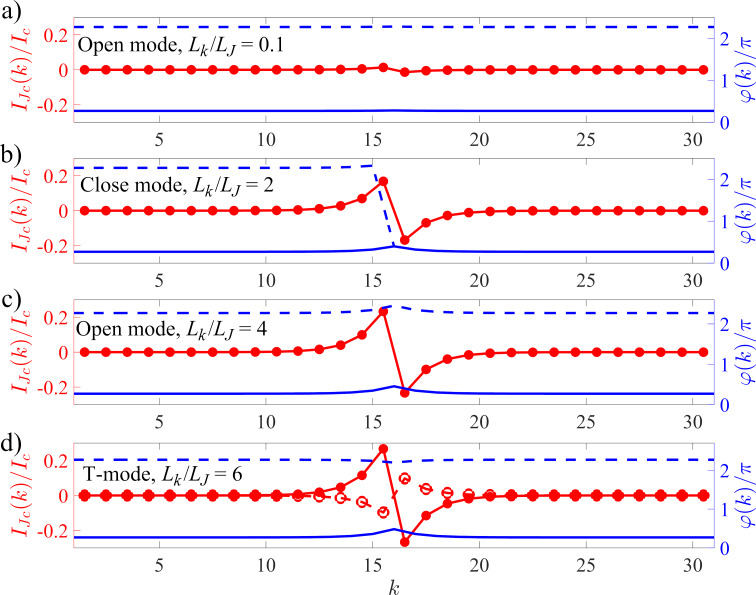 Figure 9
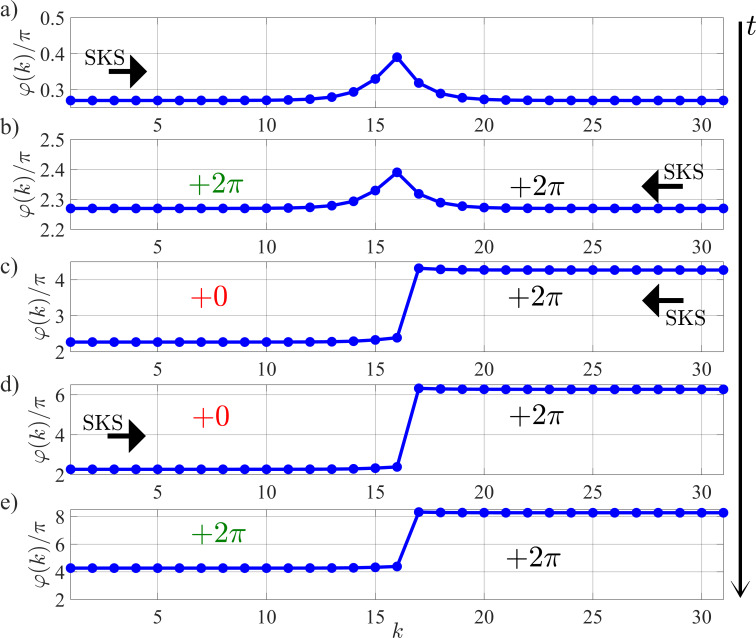 Figure 10
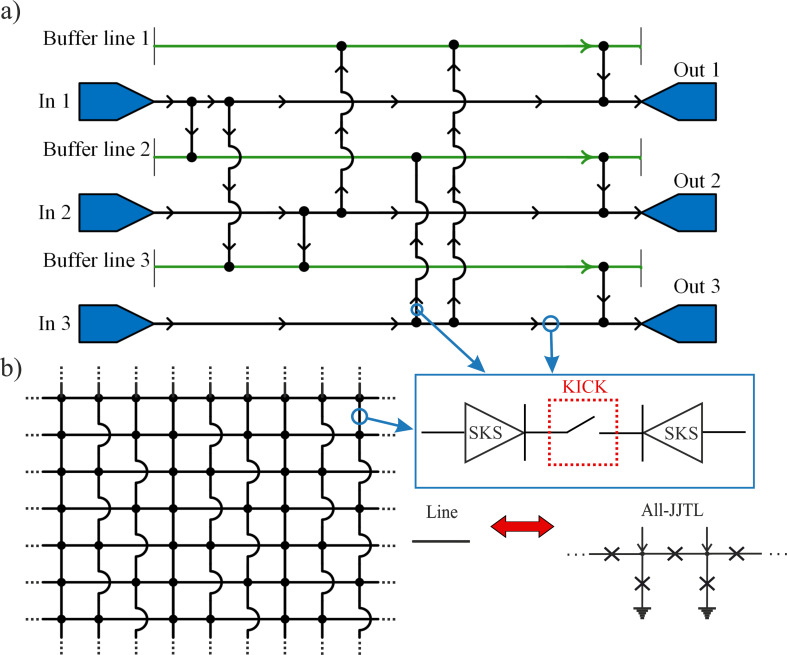 Figure 11
 Figure 12
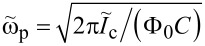 Figure 13
 Figure 14
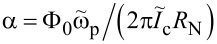 Figure 15
 Figure 16
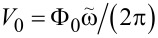 Figure 17
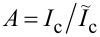 Figure 18
 Figure 19
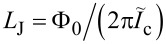 Figure 20
 Figure 21
 Figure 22
 Figure 23
 Figure 24
 Figure 25
 Figure 26
 Figure 27
 Figure 28
 Figure 29
Peer Reviews
No public reviews on file for this paper yet. If you reviewed it on a platform where reviews are public (OpenReview, ICLR, NeurIPS, ICML), you can paste yours below so the community can read it here.
Videos
No videos yet. Explain this paper in a talk, walkthrough, or lecture? Add one.
Taxonomy
TopicsNonlinear Photonic Systems · Neural Networks and Reservoir Computing · Optical Network Technologies