Peroxodisulphuric acid synthesis in a flow electrolyser and its potential utilisation for black mass leaching
Aigerim Tazhibayeva, Altynai Tanash, Yaroslav Zhigalenok, Saken Abdimomyn, Seiilbek Malik, Kaiyrgali Zhumadil, Sergey Nechipurenko, Fyodor Malchik

TL;DR
This paper shows how to make peroxodisulphuric acid using an electrolyser and tests its use for recovering materials from old lithium-ion batteries.
Contribution
The study introduces a flow electrolyser for synthesizing peroxodisulphuric acid and explores its application in battery recycling.
Findings
Peroxodisulphuric acid was synthesized at 180 g L−1 with 1.5 Wh g−1 energy consumption.
The acid extracted nearly all lithium but only partially dissolved transition metals.
A three-step process is proposed to improve metal recovery using the acid.
Abstract
This study demonstrates the electrochemical synthesis of peroxodisulfuric acid (H2S2O8) in a coaxial flow-type electrolyser. It evaluates its potential as a leaching agent for the black mass from spent lithium-ion batteries. The optimised synthesis (conditions: flow rate, current density) achieved high concentrations of (H2S2O8) (≈180 g dm−3) at a specific energy consumption of nearly 1.5 Wh g−1. The leaching performance of H2S2O8 was compared with that of conventional systems, including aqua regia and 2 M H2SO4 + H2O2. While aqua regia completely dissolved the NMC phase, and the H2SO4/H2O2 mixture ensured nearly full transition metal leaching, H2S2O8 leaching resulted in only partial dissolution of Ni (≈61%), Co (≈61%), and Mn (≈5%). However, lithium was fully extracted (≈99.6%) due to dual dissolution from residual electrolyte salts and chemical deintercalation from the cathode…
Genes, proteins, chemicals, diseases, species, mutations and cell lines named across the full text — each resolved to its canonical identifier and authoritative record.
Click any figure to enlarge with its caption.
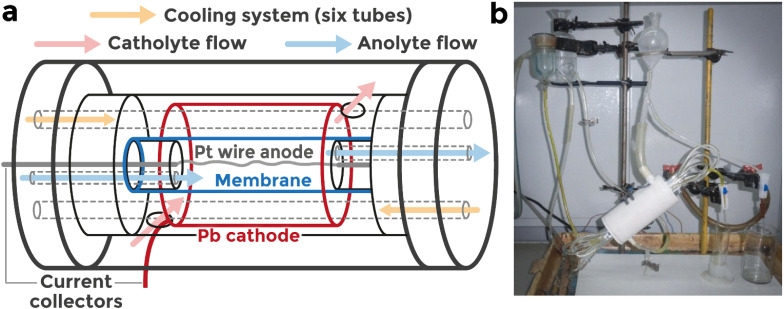 Figure 1
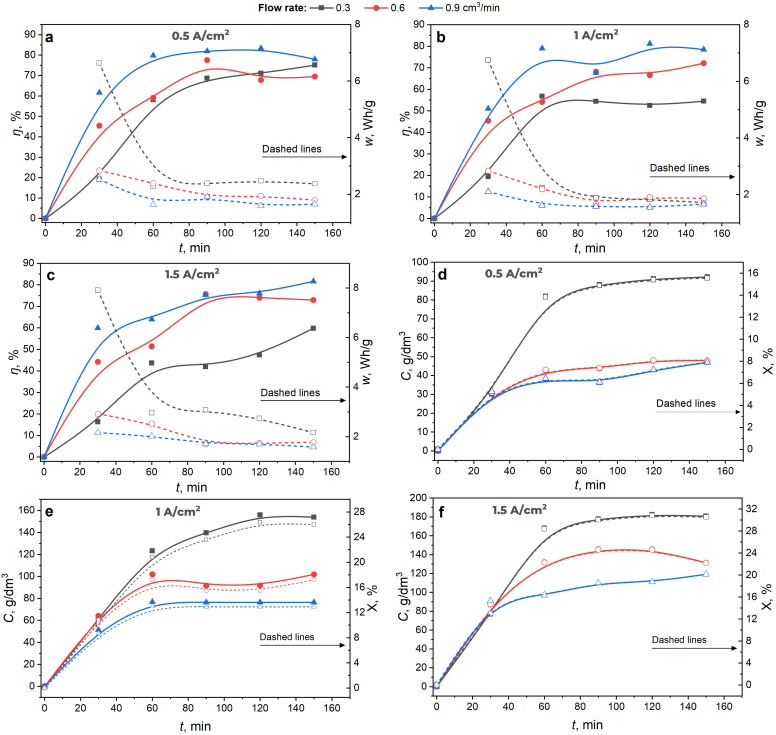 Figure 2
 Figure 3
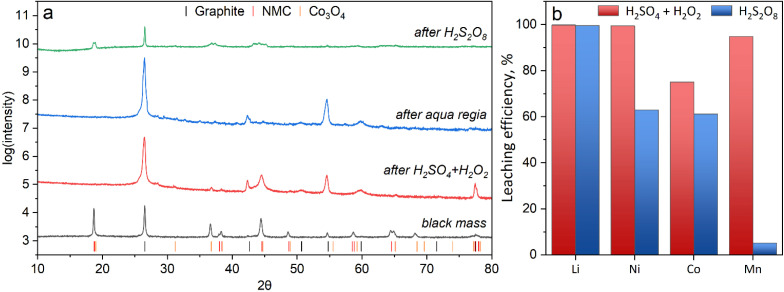 Figure 4
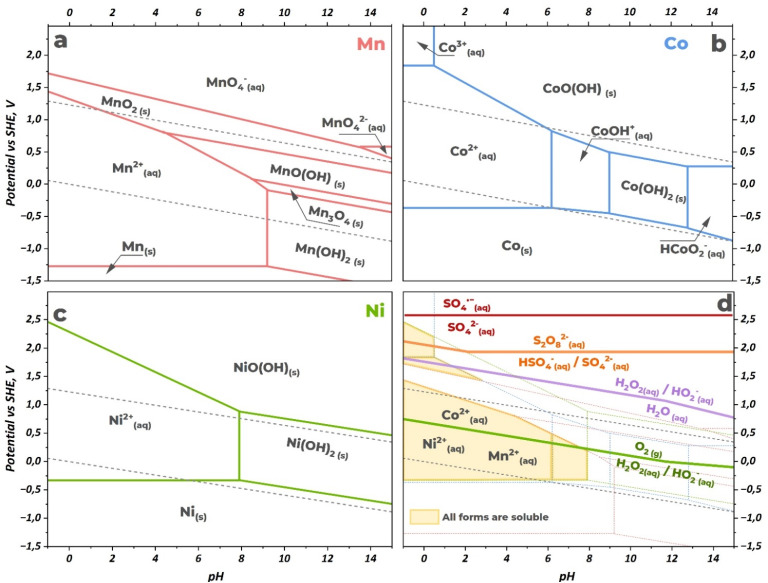 Figure 5
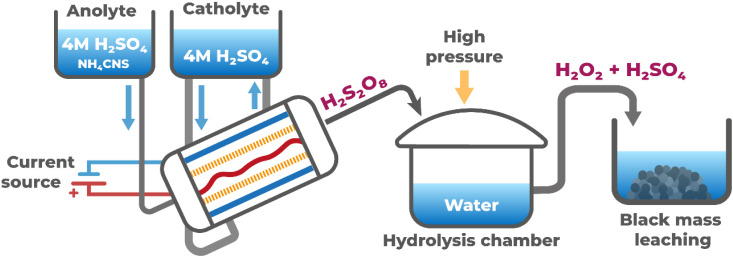 Figure 6
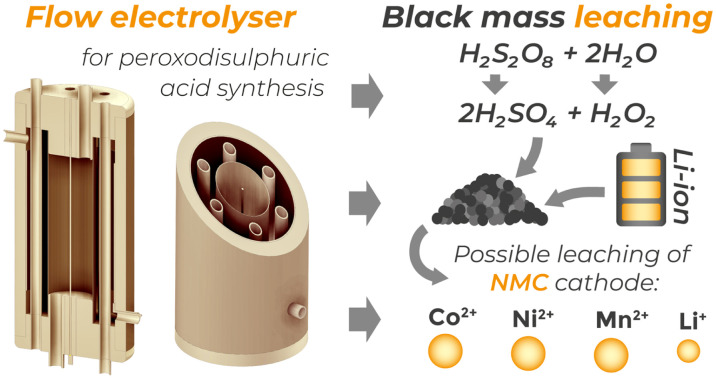 Figure 7
 Figure 8
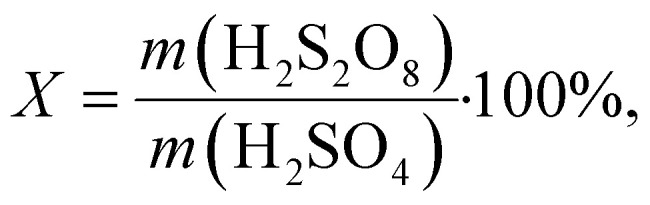 Figure 9
 Figure 10
 Figure 11
 Figure 12
 Figure 13
 Figure 14
 Figure 15
 Figure 16
 Figure 17
 Figure 18
Peer Reviews
No public reviews on file for this paper yet. If you reviewed it on a platform where reviews are public (OpenReview, ICLR, NeurIPS, ICML), you can paste yours below so the community can read it here.
Videos
No videos yet. Explain this paper in a talk, walkthrough, or lecture? Add one.
Taxonomy
TopicsAdvanced Battery Materials and Technologies · Extraction and Separation Processes · Advancements in Battery Materials