Predictors of aspiration, lower respiratory tract infection, and respiratory failure among individuals with Rett Syndrome: analysis of real-world claims data in the United States
Krithika Rajagopalan, Nazia Rashid, Dilesh Doshi, Daksha Gopal

TL;DR
This study identifies risk factors for respiratory issues in Rett Syndrome patients using U.S. claims data, finding that neurological and respiratory disorders are key predictors.
Contribution
The study provides novel insights into predictors of aspiration, lower respiratory tract infection, and respiratory failure in Rett Syndrome using real-world data.
Findings
Neurological and respiratory disorders are significant predictors of aspiration, LRTI, and RF in Rett Syndrome patients.
Gastrointestinal disorders predict LRTI and RF, while musculoskeletal disorders are linked only to RF.
Confirmatory models validated the role of baseline disorders in predicting respiratory outcomes.
Abstract
Rett (RTT) syndrome, a rare, neurodevelopmental disorder affects multiple organ-systems (i.e., gastrointestinal, respiratory), with diverse clinical manifestations. While gastrointestinal manifestations are well-known, respiratory manifestations [i.e., aspiration, lower respiratory tract infection (LRTI), and respiratory failure (RF)] and associated predictors are not well-studied. This real-world data analysis evaluated the predictors of aspiration, LRTI, and RF among RTT individuals in the United States. A retrospective database analysis using IQVIA's Anonymized Patient Level database from 08/01/2020 to 03/31/2023 was conducted to identify newly diagnosed RTT individuals with ≥1 RTT diagnostic claim (ICD-10-CM: F84.2) between 02/01/2021 and 03/31/2022. Index date was the first RTT diagnostic claim. Eligible sample included individuals with 6-months pre-index and 12-months post-index…
Genes, proteins, chemicals, diseases, species, mutations and cell lines named across the full text — each resolved to its canonical identifier and authoritative record.
Click any figure to enlarge with its caption.
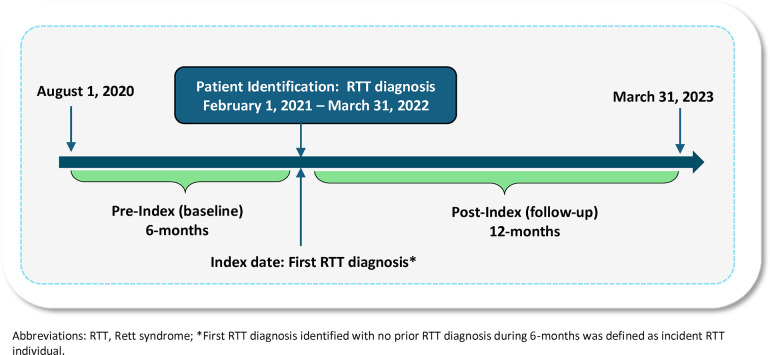 Figure 1
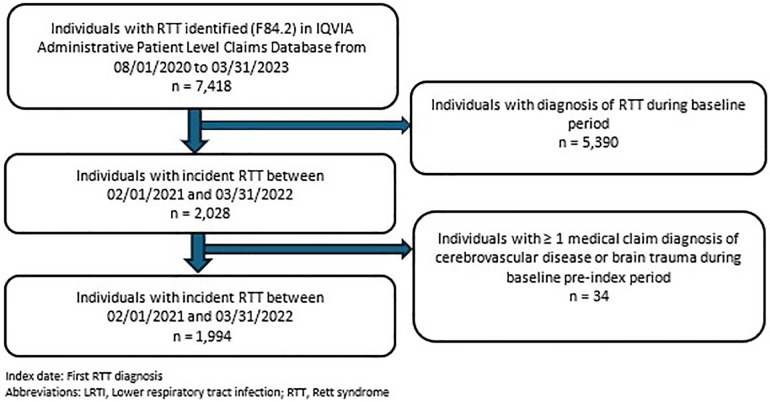 Figure 2
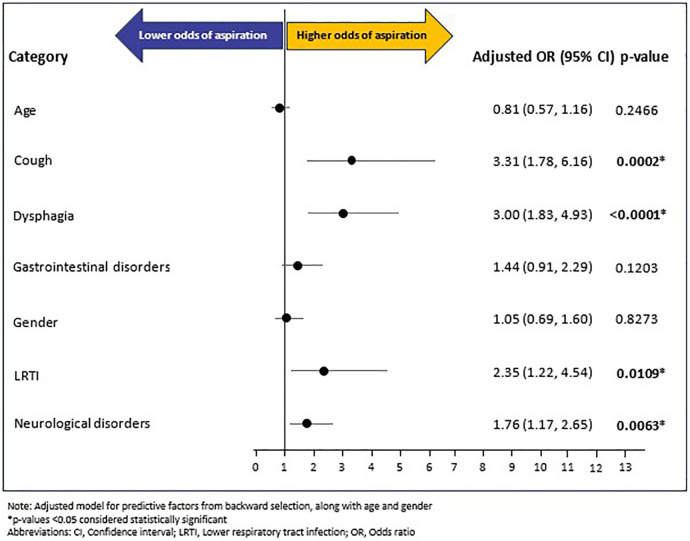 Figure 3
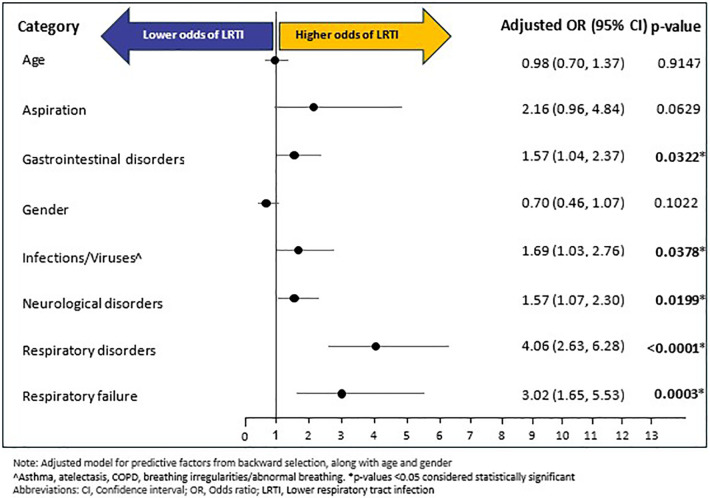 Figure 4
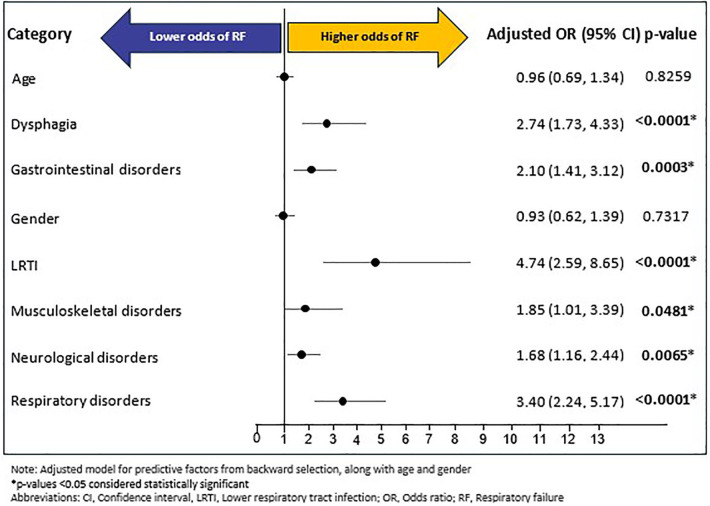 Figure 5
Peer Reviews
No public reviews on file for this paper yet. If you reviewed it on a platform where reviews are public (OpenReview, ICLR, NeurIPS, ICML), you can paste yours below so the community can read it here.
Videos
No videos yet. Explain this paper in a talk, walkthrough, or lecture? Add one.
Taxonomy
TopicsGenetics and Neurodevelopmental Disorders · Family and Disability Support Research · Autism Spectrum Disorder Research