Understanding Ureteropelvic Junction Obstruction From a Scientometric Perspective: How Is the Global Research Activity and Collaboration Going?
Boshen Shu, Shufeng Zhang, Jian Gao, Lin Wang, Xiaohui Wang

TL;DR
This paper analyzes global research trends on ureteropelvic junction obstruction using scientometric methods to understand activity and collaboration patterns.
Contribution
The study provides a scientometric analysis of UPJO research, highlighting global trends and collaboration patterns from 1945 to 2024.
Findings
The United States contributed the most publications on UPJO research.
Recent keywords like 'assisted laparoscopic pyeloplasty' emerged since 2020.
Research is concentrated in high-income countries, suggesting a need for international collaboration.
Abstract
Ureteropelvic junction obstruction (UPJO) has been identified as the most prevalent cause of prenatally diagnosed hydronephrosis, characterized by a reduction in urine flow from the renal pelvis into the ureter. Management of this condition poses a significant clinical challenge, given the difficulty in differentiating between mild and benign cases and those with the potential to progress to severe renal impairment. This study is aimed at clarifying the global research activity and collaborative trends in UPJO research by undertaking a scientometric analysis, with the objective of providing valuable insights into the state of UPJO research. Publications relevant to UPJO published between 1945 and 2024 were retrieved from the Web of Science Core Collection (WoSCC) database. The metrological software and graphing tools utilized included Bibliometrix 4.1.1, VOSviewer 1.6.20, GraphPad…
Genes, proteins, chemicals, diseases, species, mutations and cell lines named across the full text — each resolved to its canonical identifier and authoritative record.
Click any figure to enlarge with its caption.
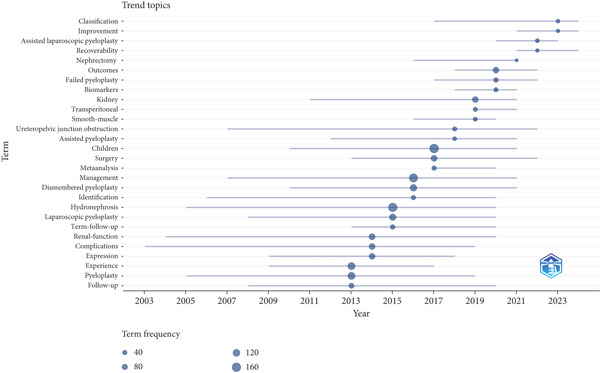 Figure 1
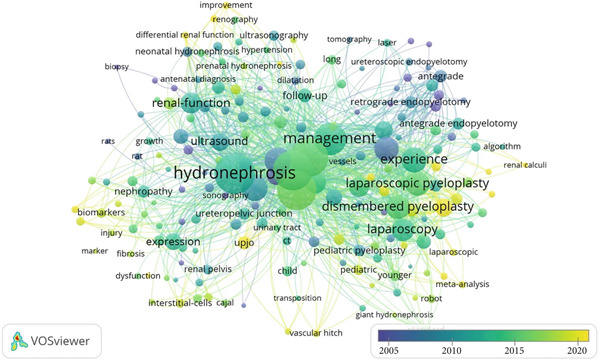 Figure 2
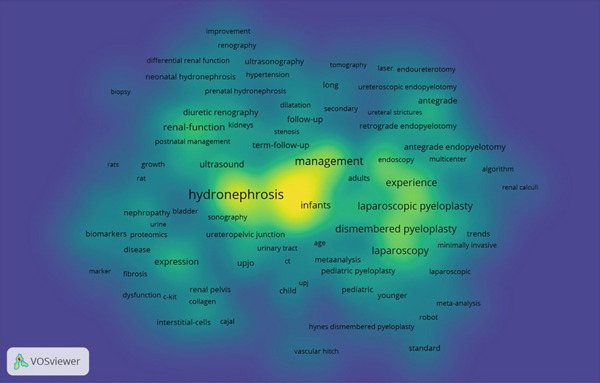 Figure 3
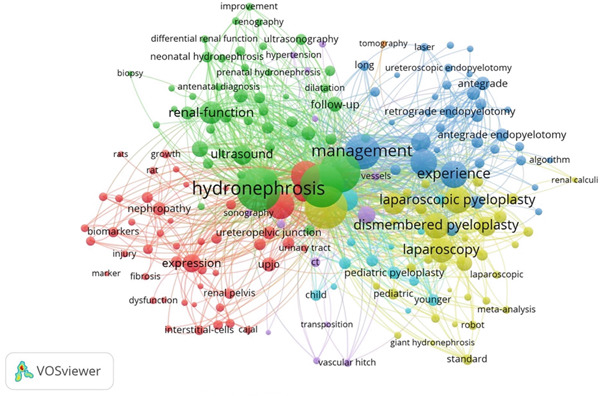 Figure 4
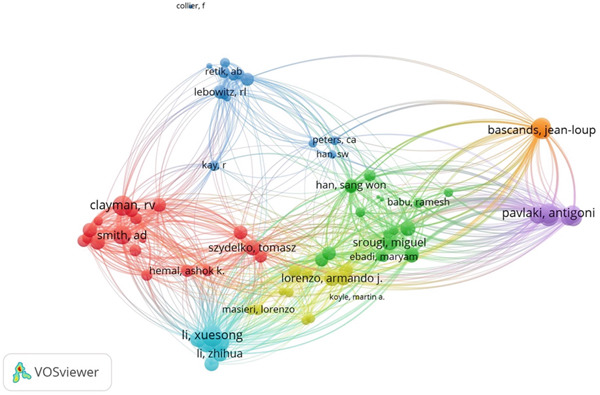 Figure 5
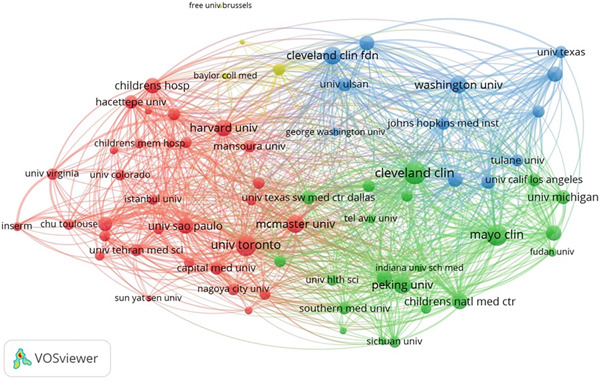 Figure 6
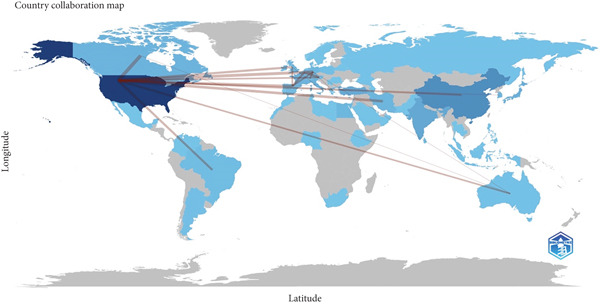 Figure 7
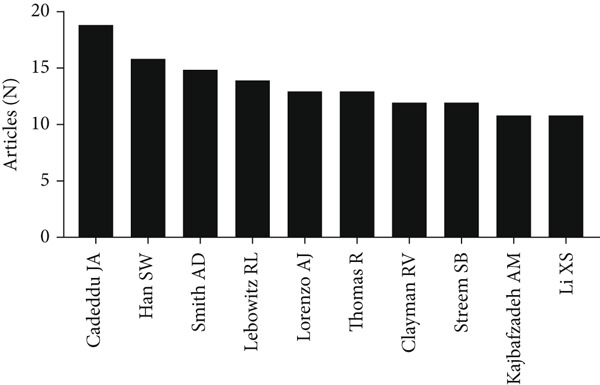 Figure 8
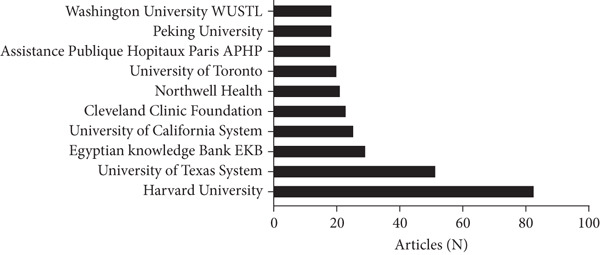 Figure 9
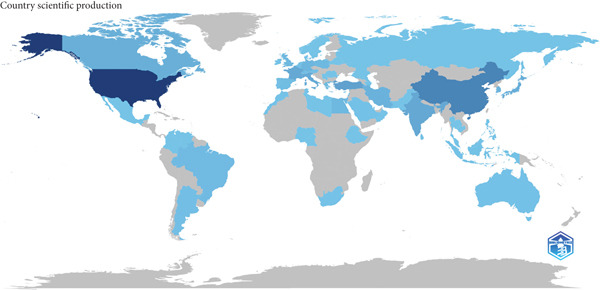 Figure 10
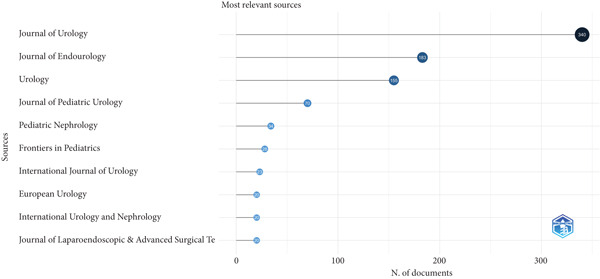 Figure 11
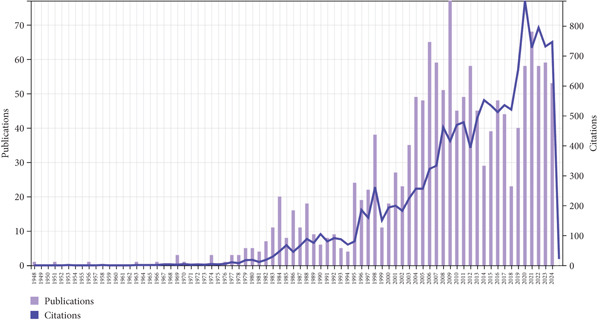 Figure 12
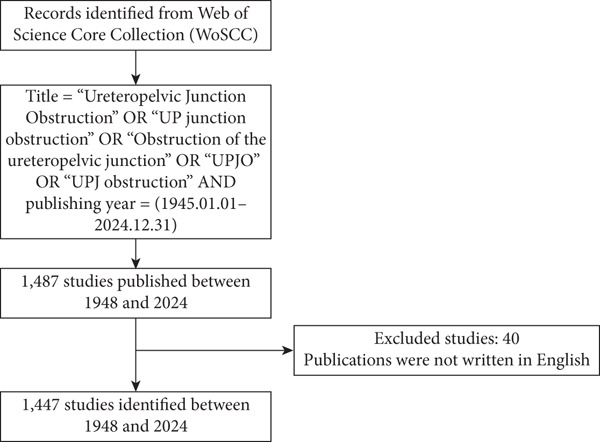 Figure 13
Peer Reviews
No public reviews on file for this paper yet. If you reviewed it on a platform where reviews are public (OpenReview, ICLR, NeurIPS, ICML), you can paste yours below so the community can read it here.
Videos
No videos yet. Explain this paper in a talk, walkthrough, or lecture? Add one.
Taxonomy
TopicsPediatric Urology and Nephrology Studies · Kidney Stones and Urolithiasis Treatments · Ureteral procedures and complications