A practical approach for the stable isolation and cultivation of chicken gonadal primordial germ cells with mitotically inactivated STO feeder cells
Hyeon Yang, Bo Ram Lee, Jae-Yeong Lee, Keon Bong Oh, Poongyeon Lee, Seunghoon Lee, Yong Jin Jo, Haesun Lee, Seokho Kim, Jingu No, Jae Yong Han, Sung June Byun

TL;DR
This paper presents a reliable method to isolate and grow chicken germ cells in the lab, which is important for creating genetically modified chickens.
Contribution
A practical and stable method for culturing chicken primordial germ cells using mitotically inactivated STO feeder cells is introduced.
Findings
PGCs proliferated robustly, reaching over 10⁵ cells within one month.
Expression of PGC-specific markers and pluripotency genes was confirmed.
Injected PGCs successfully migrated to recipient embryonic gonads.
Abstract
Establishing chicken primordial germ cells (PGCs) in vitro is critical for producing genetically modified (GM) chickens. Efficient and reliable isolation and cultivation of PGCs remain significant challenges in advancing avian genetic modifications. To address these challenges, we employed a streamlined and practical approach for the efficient isolation and stable cultivation of chicken gonadal PGCs. Chicken gonadal PGCs were isolated from embryonic gonads, surgically removed and dissociated using trypsin. The PGCs were isolated by exploiting differential adhesion properties, allowing fibroblasts to attach while PGCs remained suspended. Cultivation was performed with mitotically inactivated SIM mouse embryo-derived thioguanine-resistant (STO) feeder cells under optimized culture conditions. PGCs proliferated robustly, reaching over 105 cells within one month, which is comparable to…
Genes, proteins, chemicals, diseases, species, mutations and cell lines named across the full text — each resolved to its canonical identifier and authoritative record.
Click any figure to enlarge with its caption.
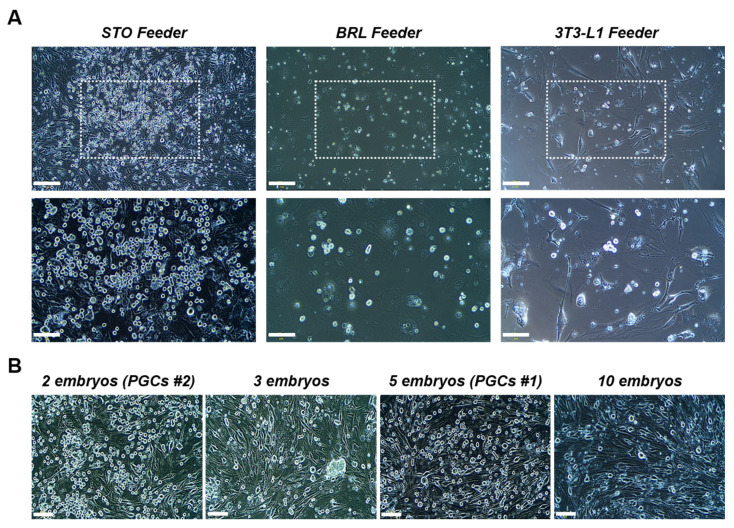 Figure 1
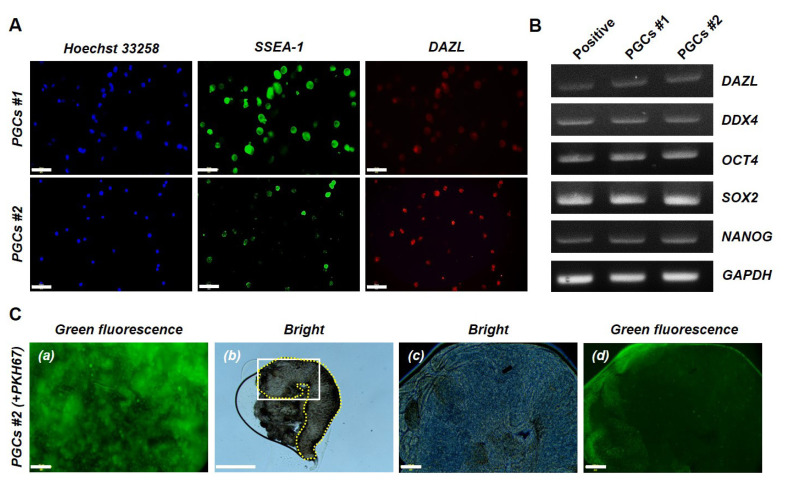 Figure 2
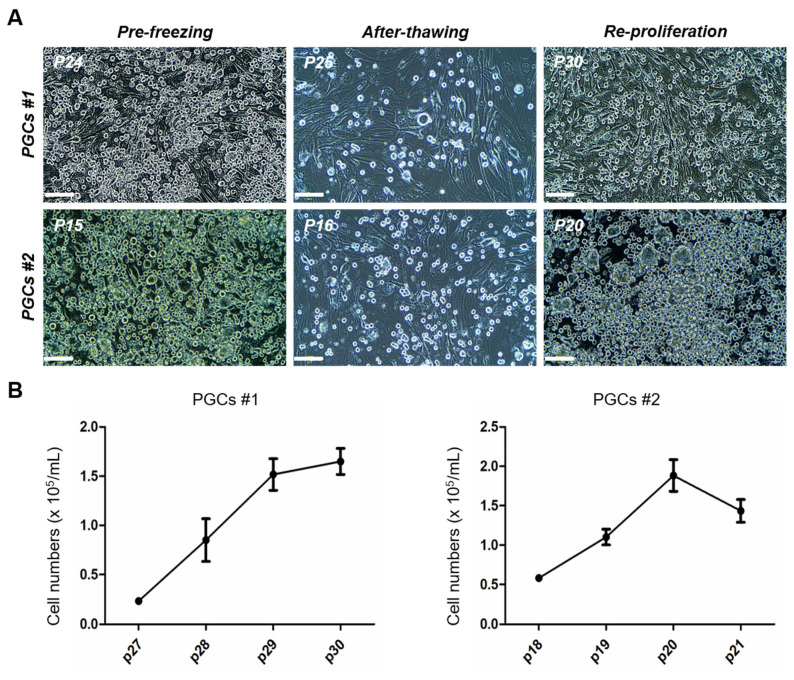 Figure 3
 Figure 4
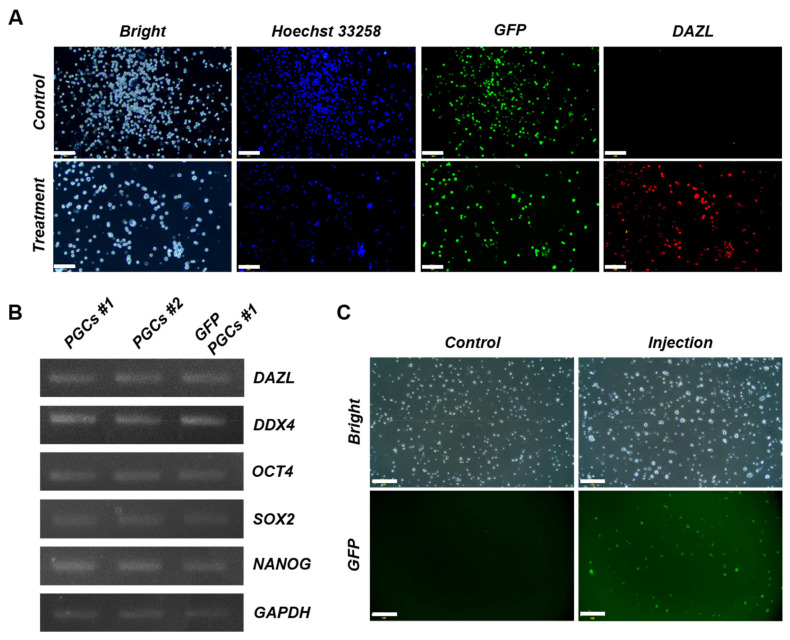 Figure 5
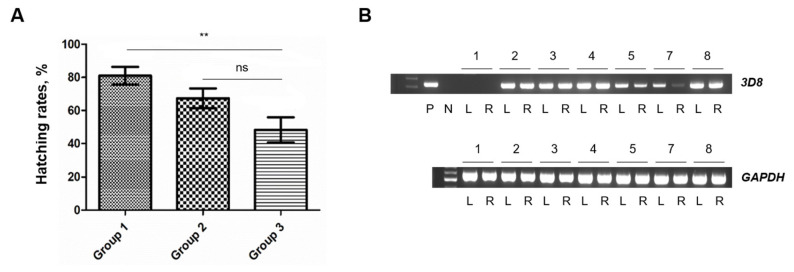 Figure 6
Peer Reviews
No public reviews on file for this paper yet. If you reviewed it on a platform where reviews are public (OpenReview, ICLR, NeurIPS, ICML), you can paste yours below so the community can read it here.
Videos
No videos yet. Explain this paper in a talk, walkthrough, or lecture? Add one.
Taxonomy
TopicsAnimal Genetics and Reproduction · CRISPR and Genetic Engineering · Chromosomal and Genetic Variations