Cavities and Calories: Exploring the Relationship Between Early Childhood Caries and Body Mass Index
Surbhi Sharma, Meenakshi Sharma, Tripti Sharma, Abhishek Haldiya, Kamal Soni, Hage Monju

TL;DR
This study finds a link between underweight preschool children and higher rates of early childhood dental caries, suggesting a need for combined health approaches.
Contribution
The study identifies a novel association between underweight status and early childhood caries in preschoolers.
Findings
Early childhood caries prevalence was 34.2% in the study population.
Underweight children had significantly higher caries rates (49.4%) compared to normal or higher BMI children.
No significant association was found between caries and age or gender.
Abstract
Background: Early childhood dental health is a key determinant of overall health and well-being. Healthy dentition ensures proper mastication, clear speech, and acceptable appearance, all of which contribute to a child's nutrition, communication, and social development. In recent years, growing attention has been directed toward the association between dental caries and children's physical growth. Body mass index (BMI), widely recognized as an indicator of nutritional status and growth patterns, has been explored in this context. Aberrant BMI values, whether indicative of undernutrition or overweight, may influence oral health outcomes, while conversely, dental caries can impair dietary intake and thereby affect BMI and growth trajectories in early childhood. Aim: This study aimed to explore the association between early childhood caries and growth status, measured by BMI, in children…
Genes, proteins, chemicals, diseases, species, mutations and cell lines named across the full text — each resolved to its canonical identifier and authoritative record.
Click any figure to enlarge with its caption.
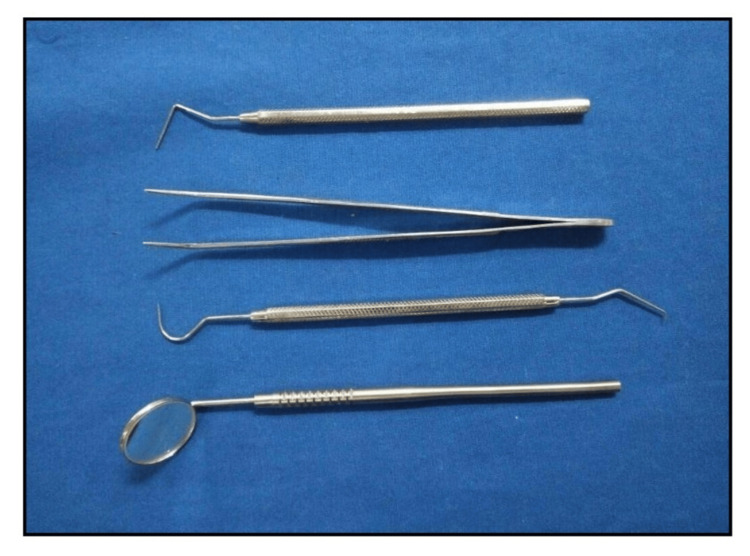 Figure 1
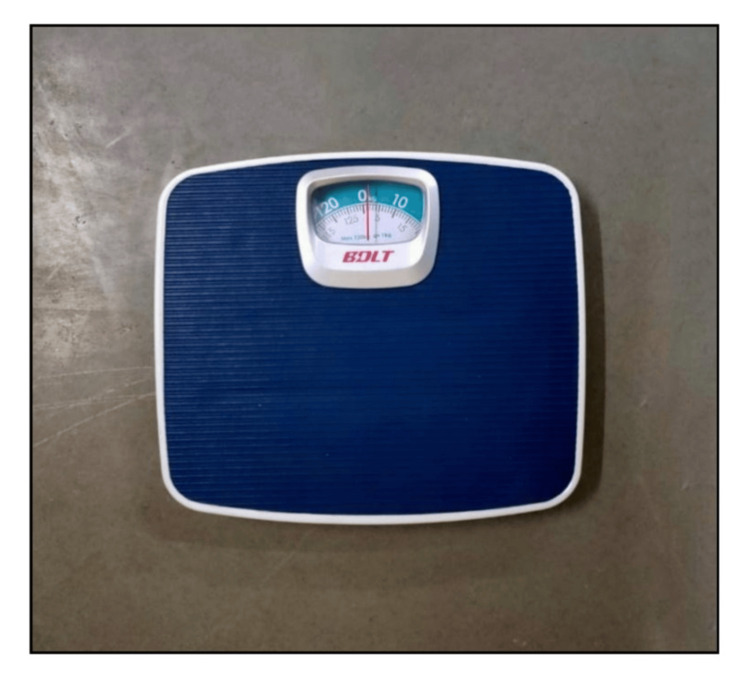 Figure 2
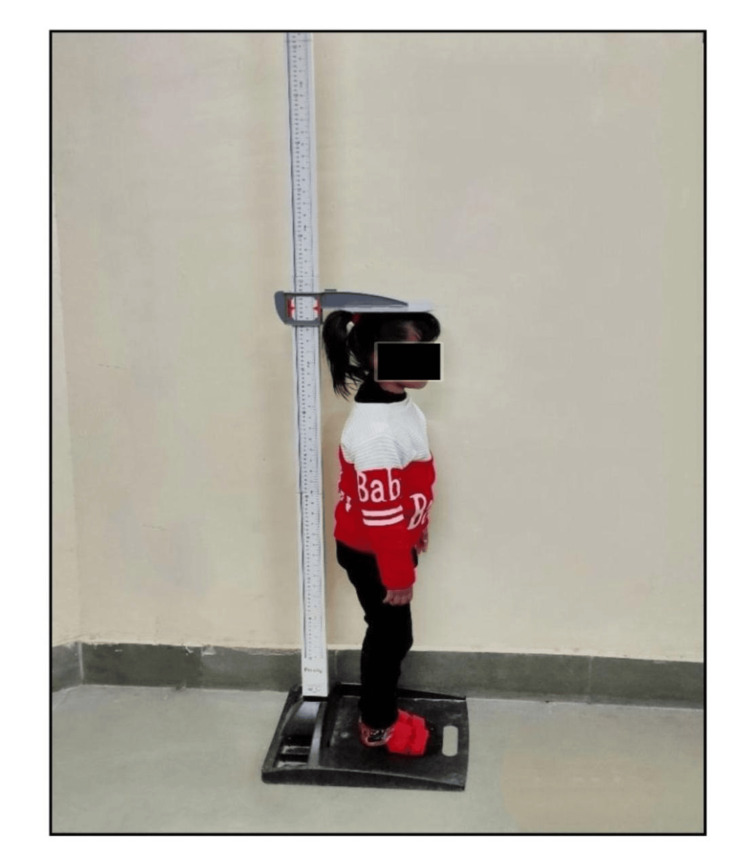 Figure 3
| Study subjects | N | Percentage |
| Gender | ||
| Male | 152 | 58.5 |
| Female | 108 | 41.5 |
| Age (in years) | ||
| 3 | 64 | 24.6 |
| 4 | 59 | 22.7 |
| 5 | 72 | 27.7 |
| 6 | 65 | 25 |
| Caries status | ||
| ECC absent | 171 | 65.8 |
| ECC present | 89 | 34.2 |
| S. no. | Age (in years) | Underweight (according to BMI) | Normal (according to BMI) | Overweight (according to BMI) | Obese (according to BMI) |
| 1 | 3 | <14.3 | 14.3-17.3 | 17.3-18.25 | >18.25 |
| 2 | 4 | <14.01 | 14.01-16.9 | 16.9-17.83 | >17.83 |
| 3 | 5 | <13.5 | 13.5-16.8 | 16.8-18.22 | >18.22 |
| 4 | 6 | <13.4 | 13.4-17.6 | 17.6-19.64 | >19.64 |
| S. no. | Age (in years) | Underweight (according to BMI) | Normal (according to BMI) | Overweight (according to BMI) | Obese (according to BMI) |
| 1 | 3 | <14 | 14-17.2 | 17.2-18.26 | >18.26 |
| 2 | 4 | <13.7 | 13.7-16.8 | 16.8-18.04 | >18.04 |
| 3 | 5 | <13.5 | 13.5-16.8 | 16.8-18.22 | >18.22 |
| 4 | 6 | <13.42 | 13.42-17.06 | 17.06-18.8 | >18.8 |
| Description of the study subjects | ECC absent (%) | ECC present (%) | Chi-squared value (χ²) | P-value | Significance |
| Age (in years) | |||||
| 3 | 43 (67.2%) | 21 (32.8%) | 2.619 | 0.454 | Non-significant |
| 4 | 34 (57.6%) | 25 (42.4%) | |||
| 5 | 51 (70.8%) | 21 (29.2%) | |||
| 6 | 43 (66.2%) | 22 (33.8%) | |||
| Gender | |||||
| Male | 99 (65.1%) | 53 (34.9%) | 0.015 | 0.901 | Non-significant |
| Female | 72 (66.7%) | 36 (33.3%) | |||
| BMI categories | Mean BMI score | ECC present (%) | ECC absent (%) | Total | Chi-squared value (χ²) | P-value | Significance |
| Underweight | 11.58 | 38 (49.4%) | 39 (50.6%) | 100% | 14.136 | 0.003 | Significant |
| Normal | 15.01 | 39 (27.3%) | 104 (72.7%) | 100% | |||
| Overweight | 17.28 | 6 (23.1%) | 20 (76.9%) | 100% | |||
| Obese | 18.37 | 3 (21.4%) | 11 (78.6%) | 100% |
Peer Reviews
No public reviews on file for this paper yet. If you reviewed it on a platform where reviews are public (OpenReview, ICLR, NeurIPS, ICML), you can paste yours below so the community can read it here.
Videos
No videos yet. Explain this paper in a talk, walkthrough, or lecture? Add one.
Taxonomy
TopicsDental Health and Care Utilization · Diet and metabolism studies · Nutritional Studies and Diet
Introduction
Early childhood dental health is crucial for the overall well-being and development of young children [1]. Establishing proper oral hygiene habits during infancy sets the foundation for sustained oral health throughout childhood and adolescence and into adulthood [2]. Dental caries is one of the most common chronic diseases among children globally and presents a significant burden on healthcare systems due to its treatment demands and potential complications [1].
The status of primary teeth has a strong correlation with the health of permanent dentition, underscoring the importance of identifying and addressing risk factors for caries in early childhood [3]. The American Academy of Pediatric Dentistry (AAPD) defines early childhood caries (ECC) as the presence of one or more decayed (non-cavitated or cavitated), missing (due to caries), or filled surfaces in any primary tooth in a child under 71 months of age. Severe ECC is characterized by more extensive involvement, such as smooth surface lesions or decay in anterior teeth, depending on the child's age [4].
ECC is a significant public health issue affecting infants and preschool-aged children worldwide [5]. In India, various studies report ECC prevalence ranging from 25% to 70%, with particularly high rates observed in southern regions [6]. The burden is even greater in disadvantaged populations of both developing and industrialized countries, where undernutrition is also a prevalent concern [7].
ECC is understood to have a multifactorial etiology, influenced by biological, environmental, and socio-behavioral determinants. Psychosocial factors, including maternal mental health, low educational attainment, and poverty, further increase the likelihood of caries in early childhood [8]. Dietary behaviors, widespread consumption of sugary snacks and drinks between meals, have been strongly associated with ECC development [5].
In recent years, there has been growing interest in the association between dental health and physical growth in children. Body mass index (BMI) is a widely used metric for assessing nutritional and growth status, calculated from height and weight. It is typically expressed in kg/m² and is applicable in children over 24 months of age [9,10]. BMI is both age- and gender-specific and can be converted into standardized z-scores for cross-age comparisons [10].
Despite extensive global research, there is a lack of localized data on the prevalence of ECC and its association with other factors in the Jaipur district of Rajasthan. Therefore, this study was designed to evaluate the relationship between ECC, BMI, and socioeconomic status among children aged 3-6 years.
Materials and methods
Study design and population
The study population consisted of 260 children aged 3-6 years, attending the Department of Pedodontics and Preventive Dentistry at Rajasthan University of Health Sciences College of Dental Sciences, Jaipur, India. The inclusion criteria required the children to fall within the specified age range (3-6 years), with or without the presence of carious lesions, and to be accompanied by a parent or legal guardian capable of providing informed consent. The presence or absence of ECC was subsequently determined through clinical examination in accordance with the World Health Organization (WHO) criteria. Children with developmental dental anomalies, with physical or mental disabilities, or whose guardians refused participation were excluded.
A cross-sectional observational study was conducted to assess the relationship between ECC and BMI in preschool-aged children. The research adhered to standardized clinical and anthropometric assessment protocols and was executed within a pediatric dental outpatient department setting.
The sample size was calculated based on the following equation: \begin{document}\text{Sample size}=\text{z}^{2}\times\left(\text{p}\right)\times\left(1-\text{p}\right)/\text{e}^{2}\end{document} . Here, z is the critical value of the normal distribution at the required confidence level, p is the sample proportion, and e is the margin of error (5%). Hence, \begin{document}\text{n}=1.96^{2}\times0.20\times0.80/0.05^{2}=246\end{document} . Thus, the minimum sample size required was calculated to be approximately 246.
To account for a possible 10% non-response or attrition rate, the sample size was inflated: \begin{document}\text{Adjusted sample size}=246/0.90=273\end{document} . However, due to logistical and operational feasibility, the final sample size was set at 260 children aged 3-6 years, which still meets the power requirements for the study.
Based on a confidence interval of 95%, a type I error of 5%, and a prevalence of 20% based on previous studies [11], the sample size was estimated to be 236. Taking a 10% attrition rate, the sample size was increased to 260.
Ethical consideration
The study protocol was reviewed and approved by the Ethics Committee of Rajasthan University of Health Sciences College of Dental Sciences (approval number: EC/PG-07/2021). Informed written consent was obtained from the parents or legal guardians of all participating children, in accordance with the ethical standards of the Declaration of Helsinki.
After ethical clearance, the study proceeded with the enrollment of 260 eligible children, whose demographic distribution is summarized in Table 1.
Clinical examination
Under the guidance of a senior faculty member, the first author (Surbhi Sharma), a postgraduate trainee in pediatrics, performed the clinical examination. Reliability was confirmed through pre-study inter- and intra-examiner testing using Cohen's kappa, which produced a value of 0.87, indicating excellent agreement. To ensure consistency, all evaluations were conducted by a single calibrated examiner. The decayed, missing, and filled teeth indices (DMFT (Decayed, Missing, Filled permanent Teeth)/deft (decayed, extracted, filled primary (baby) teeth)) were used to measure dental caries in compliance with WHO standards [12]. A weighing machine and stadiometer were used to record weight and height in order to compute BMI, in addition to oral examinations. Throughout the process, standard infection control protocols were closely followed, which included the use of face masks, disposable gloves, and cleaned instruments (Figure 1).
Diagnostic armamentarium
BMI
BMI was calculated by entering the recorded weight (Figure 2) and height (Figure 3) of the subjects into the Centers for Disease Control and Prevention (CDC) online Child and Teen BMI Percentile Calculator. BMI-for-age percentiles were used to categorize the children following CDC guidelines: those below the 5th percentile were considered underweight, 5th to less than 85th percentile as normal weight, 85th to less than 95th percentile as overweight, and at or above the 95th percentile as obese [10].
Weighing machine for weight measurement
Stadiometer for height measurement
CDC growth charts [10] were used as a standard reference for the BMI of boys and girls. To simplify the comparison of the BMI of the subjects, the following data were extracted from the above CDC growth charts for the BMI of boys and girls between two and 20 years of age and converted into tabular form (Tables 2-3) according to the percentile criteria as given by CDC.
Statistical analysis
The data for the present study were entered into Microsoft Excel 2007 (Microsoft Corporation, Redmond, Washington, United States) and analyzed using IBM SPSS Statistics for Windows, Version 23.0 (IBM Corp., Armonk, New York, United States). The descriptive statistics included frequency and percentages. The level of significance for the present study was fixed at 5%. The intergroup comparison for the difference in frequency between independent groups was done using the chi-squared test.
Nature of Data
The data comprised categorical variables, including the presence or absence of ECC, age, gender, and BMI categories (underweight, normal, overweight, and obese).
Descriptive Statistics
Frequencies and percentages were calculated to describe the distribution of study participants by age, gender, caries status, and BMI categories.
Test of Association
The chi-squared test was applied to assess associations between ECC and independent variables (age, gender, and BMI categories). Chi-squared tests were performed using raw frequency counts of ECC presence/absence across categories (age, gender, BMI). Percentages were calculated only for descriptive reporting, not for statistical testing. A p-value of <0.05 was considered statistically significant. The variables in this study, including ECC status, BMI categories, age, and gender, were categorical in nature. Normality testing is applicable only for continuous data; hence, it was not relevant here. Instead, frequencies and percentages were calculated to describe the data. The chi-squared test, a non-parametric method, was appropriately used to assess associations between categorical variables. Therefore, the analysis did not require normality checks.
Results
In this study, the distribution of ECC was analyzed in relation to age, gender, and BMI. The intergroup comparison for the difference in frequency between independent groups was done using the chi-squared test. Among the 260 children assessed, ECC prevalence varied modestly by age group: 32.8% of three-year-olds, 42.4% of four-year-olds, 29.2% of five-year-olds, and 33.8% of six-year-olds exhibited ECC. However, this variation was not statistically significant (χ²=2.614; p=0.454). Regarding gender, 34.9% of males and 33.3% of females had ECC, a difference also found to be statistically non-significant (χ²=0.065; p=0.874).
Table 4 demonstrates a lack of statistically significant differences in ECC prevalence across age and gender groups, indicating that these variables may not independently influence ECC distribution in this cohort.
In contrast, the association between ECC and BMI categories showed statistically significant differences. Among underweight children (mean BMI 11.58), 49.4% had ECC. This prevalence was notably lower in children with normal weight (mean BMI 15.01), where 27.3% had ECC. The rates dropped further to 23.1% among both overweight (mean BMI 17.28) and obese (mean BMI 18.37) children. This trend indicated a significant association between lower BMI and higher ECC prevalence (χ²=14.136; p=0.001), highlighting a potential link between undernutrition and increased dental caries in early childhood.
Table 5 reveals a statistically significant association between ECC and BMI, particularly underscoring the heightened prevalence of ECC among underweight children compared to their peers who are normal, overweight, or obese, where the rates are considerably lower and similar.
Discussion
The present study demonstrates a significant positive association between ECC and underweight status among children, aligning with a growing body of literature suggesting a complex, bidirectional relationship between oral health and nutritional status. Untreated dental caries can have a profound impact on children's overall development, particularly by influencing growth patterns such as BMI, weight, and height.
One mechanism explaining this association is the pain and discomfort caused by ECC, which may limit a child's ability to chew properly and reduce appetite, leading to inadequate nutritional intake [10]. Moreover, chronic dental infections and inflammation can activate systemic immune responses, diverting energy and metabolic resources away from growth [13]. This is especially concerning in populations where nutritional deficiencies already exist, compounding the risk of stunted growth and underweight.
Our findings are consistent with studies conducted in various socioeconomic and geographic contexts. In the Philippines, Benzian et al. [13] found untreated severe dental decay to be a significant, independent predictor of low BMI among 12-year-old children. Similarly, a randomized controlled trial by Monse et al. [14] showed improvements in weight and BMI following dental treatment in underweight Filipino children, reinforcing the link between oral health and growth.
Additionally, Oliveira et al. [15] explored the correlation between caries and nutritional status in Brazilian children, noting that children with ECC were more likely to be undernourished. Their findings, supported by Soares et al. [16], point toward both direct effects, such as difficulty eating, and indirect effects, like social and economic barriers to accessing both oral and general healthcare.
Socioeconomic disparities further mediate this relationship. Studies like those by Elamin et al. [3] and Knoblauch et al. [8] highlighted how lower socioeconomic status contributes to both a higher prevalence of ECC and an increased risk of undernutrition due to limited access to balanced diets and health services.
The role of diet and socioeconomic conditions in moderating the ECC-BMI relationship is further emphasized by Bahuguna et al. [17], who reported that children from lower socioeconomic backgrounds consuming high-sugar diets had both a higher prevalence of dental caries and a tendency toward altered BMI outcomes. Furthermore, Hooley et al. [18], in a systematic review, found conflicting evidence across studies, suggesting that the association between caries and BMI is likely influenced by multiple interacting factors, including nutrition, socioeconomic status, and oral hygiene behaviors.
In light of this evidence, ECC should be viewed not merely as a localized dental issue but as a systemic health concern with the potential to hinder physical development. Preventive strategies must address not only caries management but also broader determinants of health, including nutrition, education, and access to healthcare services.
Limitations
Although the study employed a strong design with standardized methodology and calibrated examination, certain limitations should be acknowledged. First, being a hospital-based cross-sectional study, the findings may not be fully generalizable to the broader community, as children who do not seek dental care were not represented. The relatively modest sample size, restricted to a single geographic location, may further limit external validity. In addition, the cross-sectional nature of the study precludes establishing causal relationships between ECC and BMI. Furthermore, while clinical examinations followed WHO guidelines, the absence of radiographic assessment might have led to the underestimation of caries prevalence. Lastly, potential confounding variables such as dietary patterns, parental education, and socioeconomic status, although considered in the study, may still influence the observed associations.
Conclusions
The present study highlights a noteworthy association between ECC and underweight status among preschool-aged children. Nearly half of the underweight children examined were affected by ECC, suggesting that poor oral health may coincide with impaired growth outcomes. This finding adds to the growing body of evidence that dental caries should not be viewed in isolation but rather as part of a broader health profile that includes nutrition, growth, and systemic well-being.
However, the cross-sectional design of this study limits the ability to infer causality, and the hospital-based sample may reduce the generalizability of results to the wider community. Therefore, these findings should be interpreted as indicating a potential relationship between ECC and being underweight, rather than as evidence of a direct causal effect. It remains possible that underlying factors, such as dietary habits, socioeconomic conditions, or limited healthcare access, contribute simultaneously to both dental caries and nutritional status.
Despite these limitations, the study carries meaningful implications. Regular dental screening of underweight children could serve as an early warning sign for broader health concerns, while education programs for parents may encourage healthier dietary practices and improved oral hygiene. Integrating oral health promotion with pediatric nutrition initiatives could be particularly valuable, especially in socioeconomically disadvantaged populations where both malnutrition and caries are prevalent.
Looking ahead, further research, particularly well-designed longitudinal and interventional studies, is needed to confirm the direction and strength of the ECC-BMI relationship, identify causal mechanisms, and evaluate whether integrated preventive strategies can lead to measurable improvements in both dental and general health outcomes. Such efforts will help strengthen the evidence base and guide the development of comprehensive, multidisciplinary child health programs.
The reference list from the paper itself. Each links out to its DOI / PubMed record.
- 1Early childhood caries: current evidence for aetiology and prevention J Paediatr Child Health Gussy MG Waters EG Walsh O Kilpatrick NM 37434220061648738810.1111/j.1440-1754.2006.00777.x · doi ↗ · pubmed ↗
- 2Dental caries affects body weight, growth and quality of life in pre-school children Br Dent J Sheiham A 62562620120061712823110.1038/sj.bdj.4814259 · doi ↗ · pubmed ↗
- 3Dental caries and their association with socioeconomic characteristics, oral hygiene practices and eating habits among preschool children in Abu Dhabi, United Arab Emirates - the NOPLAS project BMC Oral Health Elamin A Garemo M Gardner A 1041820182988415810.1186/s 12903-018-0557-8PMC 5994070 · doi ↗ · pubmed ↗
- 4Definition of early childhood caries (ECC) Dentistry AAOP 2007 https://www.aapd.org/assets/1/7/d_ecc.pdf
- 5Early childhood caries: prevalence, risk factors, and prevention Front Pediatr Anil S Anand PS 157520172877018810.3389/fped.2017.00157 PMC 5514393 · doi ↗ · pubmed ↗
- 6Prevalence of dental caries and its association with Snyder test among preschool children in anganwadis of a North Indian city Int J Public Health Dent Sonika R Goel S Vijaylakshmi S Goel NK 11012012
- 7Prevalence and socio-behavioral influence of early childhood caries, ECC, and feeding habits among 6-36 months old children in Uganda and Tanzania BMC Oral Health Masumo R Bardsen A Mashoto K Åstrøm AN 241220122283477010.1186/1472-6831-12-24PMC 3434064 · doi ↗ · pubmed ↗
- 8The association between socioeconomic status, psychopathological symptom burden in mothers, and early childhood caries of their children P Lo S One Knoblauch U Ritschel G Weidner K Mogwitz S Hannig C Viergutz G Lenk M 014201910.1371/journal.pone.0224509 PMC 681654731658278 · doi ↗ · pubmed ↗