Bidirectional modulation of reward-guided decision making by dopamine
Ana Antonia Dias Maile, Theo O. J. Gruendler, Adrian G. Fischer, Hannah Kurtenbach, Luca F. Kaiser, Monja I. Froböse, Gerhard Jocham

TL;DR
This study shows that dopamine affects how people weigh different aspects of rewards when making decisions, without changing the decision strategy itself.
Contribution
The study reveals that dopamine modulates the influence of reward attributes on choices in a bidirectional manner, independent of decision strategies.
Findings
Amisulpride reduced the influence of reward magnitude and probability on choices.
L-DOPA increased the influence of reward magnitude and probability on choices.
Dopamine manipulations did not alter statistically optimal decision-making behavior.
Abstract
The neuromodulator dopamine is known to play a key role in reward-guided decision making, where choice options are often characterized by multiple attributes. Different decision strategies can be used to merge these choice attributes with personal preferences (e.g., risk preferences) and integrate them into a single subjective value. While the influence of dopamine on risk preferences has been investigated, it is unknown whether dopamine is also involved in arbitrating between decision strategies. In the present study, we investigate the effects of pharmacological dopamine manipulations on arbitrating between different decision strategies in a healthy sample. 31 healthy male participants performed a reward-guided decision-making task under the influence of the dopamine D2/D3-receptor antagonist amisulpride (400 mg), the dopamine precursor L-DOPA (100 mg L-DOPA + 25 mg cardidopa), or…
Genes, proteins, chemicals, diseases, species, mutations and cell lines named across the full text — each resolved to its canonical identifier and authoritative record.
Click any figure to enlarge with its caption.
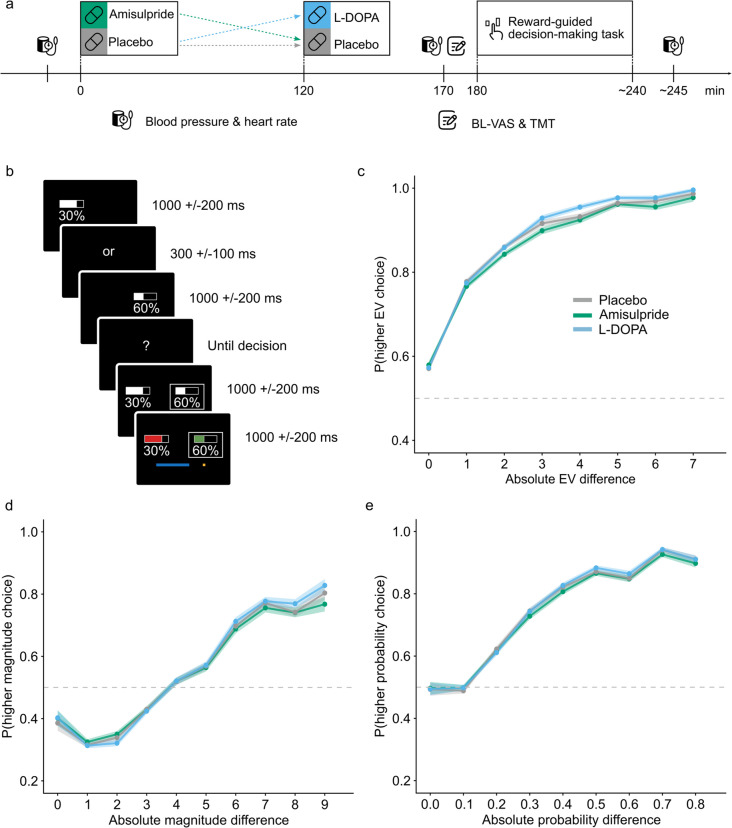 Figure 1
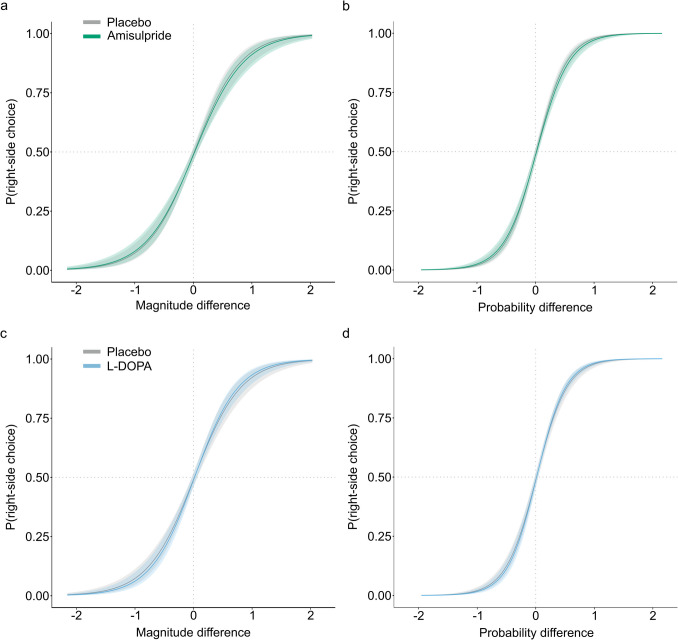 Figure 2
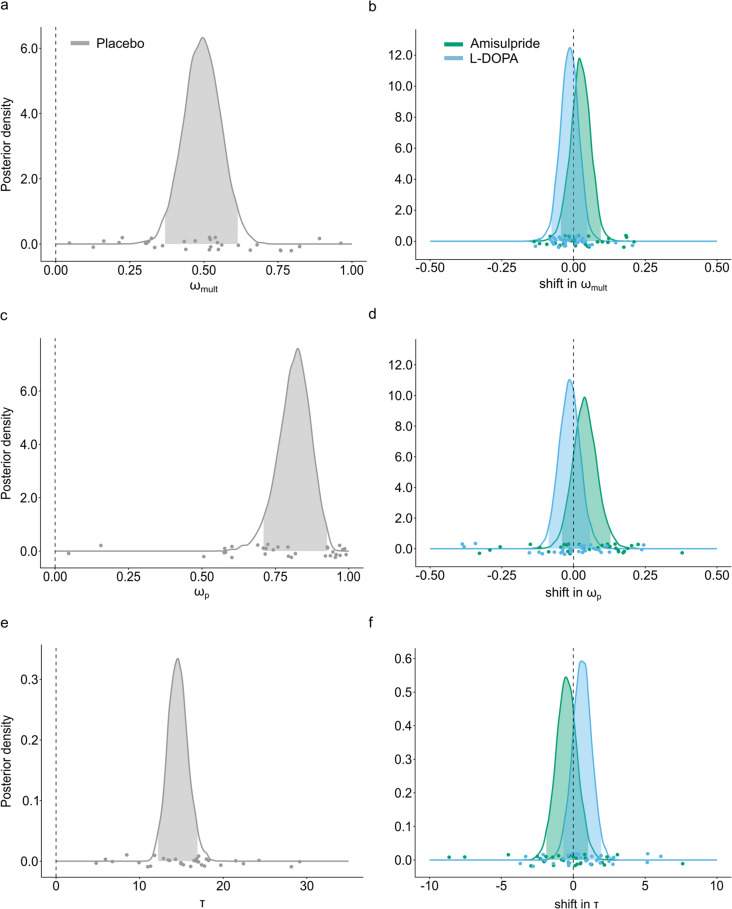 Figure 3
- —Heinrich-Heine-Universität Düsseldorf (3102)
Peer Reviews
No public reviews on file for this paper yet. If you reviewed it on a platform where reviews are public (OpenReview, ICLR, NeurIPS, ICML), you can paste yours below so the community can read it here.
Videos
No videos yet. Explain this paper in a talk, walkthrough, or lecture? Add one.
Taxonomy
TopicsNeural and Behavioral Psychology Studies · Attention Deficit Hyperactivity Disorder · Neurotransmitter Receptor Influence on Behavior
Introduction
Consider the daily commute to work and the choice of transportation: While biking boosts environmental and financial benefits, it is less comfortable and restricted by weather conditions. In contrast, driving provides flexibility and comfort, yet it has environmental and financial drawbacks. The choice of transportation thus follows from the direct comparison of various choice attributes, demanding the use of decision strategies and attribute weighting (e.g., risk preferences). Two lines of evidence suggest that decision strategies and preferences are controlled by dopamine. First, patients with the neurodegenerative disorder Parkinson's Disease (PD), which is characterized by a profound dorsal striatal dopamine depletion, exhibit motoric deficits (e.g., tremor and bradykinesia) often accompanied by an increase in risk aversive behavior (Cherkasova et al. 2019; Kobayashi et al. 2019). Conversely, treating the dopamine deficit with the dopamine-precursor levodopa (L-DOPA; Connolly and Lang 2014) improves the motor symptoms but it can also increase risk seeking behavior and even cause pathological gambling (Evans et al. 2009; Molina et al. 2000; Weintraub et al. 2006).
Second, pharmacological studies in healthy volunteers have shown increased risk seeking after increasing dopamine concentrations by administering L-DOPA (Rutledge et al. 2015). Conversely, similar effects were found when administering the D_2_/D_3_-receptor antagonist amisulpride (Burke et al. 2018). Importantly, dopaminergic effects on risk preferences are valence-specific and were exclusively observed in the context of rewards, not losses (Burke et al. 2018; Rutledge et al. 2015). In previous work, choices were usually modelled using Prospect Theory, which posits that, following a non-linear distortion, reward probabilities and magnitudes are multiplicatively combined into an expected value (EV) which is then used to guide decisions (Kahneman and Tversky 2013; Tversky and Kahneman 1986). However, an alternative possibility would be that participants do not use such integrated EV at all, but instead rely on simpler heuristics, such as directly comparing attributes and using a weighted combination of attribute differences. Recent evidence suggests that choices of both humans and non-human primates are best characterized by a mixture of such an additive and a multiplicative strategy (Farashahi et al. 2019; Figner and Voelki 2004; Scholl et al. 2014). These results further suggested that the degree to which either of the two strategies prevails varies as a function of uncertainty about option attributes (Farashahi et al. 2019). Despite the known role of dopamine in both decision making and risk preferences, the effects of dopamine on arbitrating between decision strategies remain untested.
Therefore, in the present study we investigated the role of dopaminergic activity on decision strategies in reward-guided decision making, combining it with computational modeling approaches that take into account both multiplicative and additive strategies for value computation. Additionally, we sought to clarify the dopaminergic effect on risk preferences by including a parameter reflecting the relative balance between reliance on reward probability versus reward magnitude. Healthy participants performed a reward-guided decision-making task under the influence of either the D_2_/D_3_-receptor antagonist amisulpride (400 mg), the dopamine precursor L-DOPA (100 mg L-DOPA + 25 mg Carbidopa), or placebo in a double-blind within-subjects design. Notably, there was no significant dopaminergic effect on participants’ decision strategies or risk preferences. Instead, the weighting of choice attributes was shifted. The degree to which participants’ choices were governed by both reward magnitude and reward probability was diminished under amisulpride, but increased under L-DOPA.
Methods
Participants
A total of 33 participants took part in the study. Due to the pharmacological manipulation, participants were pre-screened on a separate day to exclude certain pre-existing medical conditions, including neurological or psychiatric disorders. Additionally, an electrocardiogram (ECG) was obtained from each potential participant and assessed by a cardiologist. Only healthy participants without ECG abnormalities were allowed to participate in the study. Due to the menstrual cycle-dependent interaction between gonadal steroids and the dopaminergic system (Becker et al. 1982; Creutz and Kritzer 2004; Dreher et al. 2007), we only included male participants, as in previous work (Jocham et al. 2011; Jocham et al. 2014a, b). Further exclusion criteria were drug abuse, and use of psychoactive drugs or medication in the two weeks before the experiment. Participants were instructed to abstain from alcohol and any other drugs of abuse during the entire course of the study.
Out of the initial 33 participants, two did not fully complete the study due to technical issues leading to the final sample of 31 participants. They were right-handed with normal or corrected-to-normal (N = 12) vision. On average, they were M = 25.71 years old (age range 21–32, SD = 3.20), body weight was M = 77.16 kg (weight range 62–90 kg, SD = 7.46). Six participants reported occasional smoking. All were naive to the purpose of the study and gave written informed consent. The present study was approved by the local ethics committee of the Medical Faculty of the Otto-von-Guericke-University Magdeburg (internal reference: 129/13) and is in line with the Helsinki Declaration of 1975. Participants were compensated for their efforts at a fixed rate, plus an additional bonus that depended on their performance during the decision-making task.
Procedure
The study comprised three pharmacological MEG-sessions in a pseudorandomized order across participants. MEG recordings will be disregarded for the purpose of the present study. Identical procedures were followed on the three sessions, only the drug (or placebo) administered differed (Fig. 1a). A physician screened participants before each session. In a double-blind cross-over design, participants received a single oral dose of either the dopamine D_2_/D_3_-receptor antagonist amisulpride (400 mg), the dopamine precursor levodopa (L-DOPA; 100 mg L-DOPA + 25 mg cardidopa), or placebo. Because of the different pharmacokinetics of L-DOPA and amisulpride, a dummy administration procedure was used. Participants ingested two pills separated by two hours, of which at least one always contained placebo. In the amisulpride condition, the active substance was contained in the first pill, whereas it was contained in the second pill in the L-DOPA condition. The decision-making task began approximately 1 h after ingestion of the second pill, corresponding to 1 h after L-DOPA administration and 3 h after amisulpride administration in line with the average time for the two drugs to reach peak plasma concentration (Le Bricon et al. 1996; Nutt 2008). Immediately prior to the reward-guided decision-making task, participants completed Bond & Lader visual analogue scales (BL-VAS; Bond and Lader 1974) and the trail-making task (TMT, Reitan 1958) to assess drug effects on mood and visual attention. Heart rate and blood pressure were monitored prior to the first drug (or placebo) administration, prior to the task and after the study, before participants were released by the study physician. Sessions were separated by at least 8 days to ensure complete washout of the drug before the next session (elimination half-life of amisulpride 12 h, L-DOPA with cardidopa 1.5 h).Fig. 1. Overview of study procedure, the experimental task and participants’ behavior. a Study procedures was standardized across all sessions, only the drug (or placebo) administered differed. Due to the different pharmacokinetics of L-DOPA and amisulpride, a dummy administration procedure was used: Participants ingested two pills separated by two hours, of which at least one always contained placebo. Approximately 3 h after the first pill and 1 h after the second pill, participants performed the reward-guided decision-making task. Heart rate and blood pressure were monitored at three different time points. Immediately prior to the task, participants completed Bond & Lader visual analogue scales (BL-VAS) and the trail-making task (TMT). b Task schematic and trial timeline. Each choice option was associated with a reward magnitude (width of the horizontal bar) and a reward probability (percentage). The left option was always presented first, followed by a short delay before the presentation of the right option. Participants were instructed to only respond once the question mark appeared. Lastly, they were given feedback on the outcome (reward/no reward) of both the chosen and the unchosen option and reward, if obtained, was added to the progress bar (blue bar at the bottom of the screen). c Probability of choosing the choice option with a higher expected value (EV) depending on the absolute EV difference between the two options. Note this is not the mean-centered EV and thus not independent of reward magnitude or probability. d Probability of choosing the option with higher reward magnitude depending on the absolute magnitude difference between the two options. e Probability of choosing the option with a higher reward probability depending on the absolute probability difference between the two options. In c-e, solid lines represent the average, shaded areas represent SEM across participants
Reward-guided decision-making task
Participants completed 500 trials of a reward-guided decision-making task plus 12 additional trials to familiarize themselves with the task beforehand (Fig. 1b). On each trial, choices were made between two options defined by two attributes each: a reward magnitude and a probability to obtain this reward. Reward magnitudes were presented as the width of a rectangular horizontal bar and reward probabilities as a percentage written underneath these bars. Therefore, both attributes were explicit and did not have to be learned. Reward outcomes were independent of each other, meaning either of the two options, both, or none of them could be rewarded. Option values were drawn from a reward schedule that was generated before the experiment, as in previous studies (Hunt et al. 2014, 2013; Jocham et al. 2014a, b; Jocham et al. 2012). This reward schedule was designed such that correlations between factors of interest (in particular between chosen and unchosen and between left and right option value) was minimized. Furthermore, we ensured that reward magnitude and probability were never identical for the two options. To make advantageous choices, participants needed to multiply magnitude and probabilities into an integrative value estimate referred to as EV. On some trials, however, both magnitude and probability of one option were higher than on the alternative option. We refer to these trials as ‘no brainer’ trials. These were limited to occur no more than in 17.8% of the 500 trials (89 trials).
The two options were presented sequentially such that on every trial, the left option was always presented first, followed by a short delay (200 ms-400 ms), which was followed by a presentation of the second option on the right side. Immediately after offset of the second option, a question mark appeared prompting participants to indicate their choice. Participants were instructed to refrain from responding while the second option was onscreen and only respond after the question mark had appeared. This design choice was made in order to separate sensorimotor cortical value representations from the execution of movement in the MEG signal. Note that this design precludes a meaningful analysis of reaction times.
Options were selected by button presses with the index finger of the left and right hand, respectively. If an option was rewarded on the current trial, the bar representing the reward magnitude turned green, if it was not rewarded, it turned red. When the chosen option was rewarded, an amount proportional to the reward magnitude of that option was added to the bonus and a blue progress bar displayed at the bottom of the screen indicated this to the participant. To motivate participants, the progress bar displayed earnings towards 2 € and reset itself after reaching this goal. All earned points counted towards the reward. Rewards were rounded to the next higher value in Euro. Even though the outcome of the unchosen option was irrelevant to the bonus, the outcome of both the chosen and the unchosen option was always presented to illustrate independence of outcomes and stimulate risk seeking (i.e., occasional win of low reward probabilities). Outcome presentation was followed by an inter-trial interval (blank screen). The stimuli were presented on a grey (RGB: 60, 60, 60) background with a contrast optimized for the MEG recording chamber (white: 130, 130, 130; green: 46, 139, 60; red: 178, 70, 70; blue: 5, 105, 204).
Statistical analyses
Mixed-effects modeling
Data analyses were conducted using R (R version 4.2.2; R Development Core Team 2022). All data and codes are made available on OSF (https://osf.io/rnc94/). To evaluate drug effects on decision making, behavioral data was first analyzed using linear mixed modeling, implemented in the lme4 package (version 3.1–3; Bates et al. 2015a). In contrast to analyses of variance (ANOVAs) and linear regressions, this approach allows taking into account both within- and between-subject variability (Brown 2021; Harrison et al. 2018; Jaeger 2008). Since the dependent variable was choice (left vs. right), we used general linear mixed effects models with a binomial distribution. Fixed effects included drug (amisulpride vs. placebo and L-DOPA vs. placebo), the option values (magnitude, probability, mean-centered EV) and a repetition bias (i.e., a tendency to choose the same choice side as in the trial before irrespective of choice attributes). Additionally, the model encompassed the interaction of drug with the option values and repetition bias. To analyze the effects of drug on option values, these were converted into the z-scaled difference scores between the two options. Hence, a drug-induced shift in risk preferences would be evident from a differential (or asymmetric) change of the interaction regression weights for reward magnitude and probability, respectively. To reduce the risk for Type I error and increase power, it is recommended to use the full random effect structure (Barr et al. 2013). However, due to convergence issues, commonly following from an overly complex random effect structure for the data (Bates et al. 2015b), we followed the recommendation by Bates et al. (2015b) and ran a PCA to inspect the amount of explained variance. Random components that explain 0.00% of variance were not kept in the model. This approach allows systematically maximizing the random effect structure. Hence, linear mixed models included both a random intercept and a random slope for the within-subject factor drug and the option values (magnitude, probability, mean-centered EV). To investigate the task effects irrespective of drug, a separate linear mixed model was set up that included the option values and a repetition bias but disregarded the factor drug. Furthermore, where we observed significant drug effects on control measures (BL-VAS, TMT, heart rate and blood pressure), these effects were added to the task models as fixed effects and we verified that the effects of interest remained unchanged. A further control analysis encompassed adding the session number as fixed effects to control for putative order effects. All p-values are based on asymptotic Wald tests. R^2^ is reported for all models using the r.squaredGLMM procedure of the MuMIn package (version 1.48.4; Bartoń 2024).
Computational modeling
To analyze the drug effects on the underlying cognitive processes determining participants’ choice behavior, we used a Bayesian hierarchical model (similar to Swart et al. 2017). This method effectively incorporates the within-subject design enabling estimation of the group-level and subject-level parameters. However, due to practicability, we first identified the best fitting model using non-hierarchical models. The first model, the multiplicative model, assumes that reward magnitudes and probabilities are multiplicatively combined (Farashahi et al. 2019):
\documentclass[12pt]{minimal} \usepackage{amsmath} \usepackage{wasysym} \usepackage{amsfonts} \usepackage{amssymb} \usepackage{amsbsy} \usepackage{mathrsfs} \usepackage{upgreek} \setlength{\oddsidemargin}{-69pt} \begin{document}$${sv}_{i,t}={P}_{i,t}\cdot {M}_{i,t}$$\end{document}where svi,t is the subjective value, and Mi,t and Pi,t are the reward magnitude and probability, respectively, of option i presented on trial t (Farashahi et al. 2019).
In contrast, in the additive model, subjective values are computed from a weighted additive combination of reward magnitudes and probabilities:
\documentclass[12pt]{minimal} \usepackage{amsmath} \usepackage{wasysym} \usepackage{amsfonts} \usepackage{amssymb} \usepackage{amsbsy} \usepackage{mathrsfs} \usepackage{upgreek} \setlength{\oddsidemargin}{-69pt} \begin{document}$${sv}_{i,t}={\omega }_{p}\cdot {P}_{i,t}+(1-{\omega }_{p})\cdot {M}_{i,t}$$\end{document}where ωp is the relative weight given to probabilities relative to magnitudes. Values of ωp = 0.5 thus indicate equal influence of probability and magnitude. Values of ωp > 0.5 indicate that choices are more strongly influenced by probabilities than magnitudes, indicating risk aversion. In contrast, values of ωp < 0.5 indicate risk seeking (Scholl et al. 2014). For this purpose, magnitudes were scaled to values between 0.10–1.00 aligning them to the value range of reward probabilities.
The third model, the hybrid model assumes that participants use a weighted combination of both the multiplicative and additive strategy:
\documentclass[12pt]{minimal} \usepackage{amsmath} \usepackage{wasysym} \usepackage{amsfonts} \usepackage{amssymb} \usepackage{amsbsy} \usepackage{mathrsfs} \usepackage{upgreek} \setlength{\oddsidemargin}{-69pt} \begin{document}$$\begin{array}{l}{sv}_{i,t}=\omega_{mult}\cdot P_{i,t}\cdot M_{i,t}+(1-\omega_{mult})\cdot(\omega_p\cdot P_{i,t}+(1-\omega_p)\cdot M_{i,t})\end{array}$$\end{document}where the relative allocation between the multiplicative and additive response strategy is governed by the parameter ωmult (Farashahi et al. 2019; Scholl et al. 2014), which is bound between 0.00—1.00, with higher values of ωmult indicating a dominance of the multiplicative response strategy. In all models, choices were modelled using a softmax choice rule including an inverse temperature τ to capture choice stochasticity, which then generates a probability to choose action A (in this case, left or right):
\documentclass[12pt]{minimal} \usepackage{amsmath} \usepackage{wasysym} \usepackage{amsfonts} \usepackage{amssymb} \usepackage{amsbsy} \usepackage{mathrsfs} \usepackage{upgreek} \setlength{\oddsidemargin}{-69pt} \begin{document}$${p}_{A,t}=\frac{1}{{1+e}^{-\left({\Delta sv}_{t}\tau \right)}}$$\end{document}where Δsv is the subjective value difference (left minus right for A = left choice).
The linear mixed effect models revealed a (negative) choice repetition bias (see results). Therefore, we extended the best-fitting model by adding a choice bias. Furthermore, to relate to previous work and compare model fits, we used Prospect Theory. This included models where either only reward magnitude (Eq. 5), only reward probability (Eq. 6), or both (Eq. 7) were non-linearly distorted.
\documentclass[12pt]{minimal} \usepackage{amsmath} \usepackage{wasysym} \usepackage{amsfonts} \usepackage{amssymb} \usepackage{amsbsy} \usepackage{mathrsfs} \usepackage{upgreek} \setlength{\oddsidemargin}{-69pt} \begin{document}$${sv}_{i,t}={P}_{i,t}\cdot {{M}_{i,t}}^{\alpha }$$\end{document} \documentclass[12pt]{minimal} \usepackage{amsmath} \usepackage{wasysym} \usepackage{amsfonts} \usepackage{amssymb} \usepackage{amsbsy} \usepackage{mathrsfs} \usepackage{upgreek} \setlength{\oddsidemargin}{-69pt} \begin{document}$${sv}_{i,t}=\frac{{{P}_{i,t}}^{\gamma }}{{{({P}_{i,t}}^{\gamma }+(1-{{P}_{i,t})}^{\gamma })}^{\frac{1}{\gamma }}}\cdot {M}_{i,t}$$\end{document} \documentclass[12pt]{minimal} \usepackage{amsmath} \usepackage{wasysym} \usepackage{amsfonts} \usepackage{amssymb} \usepackage{amsbsy} \usepackage{mathrsfs} \usepackage{upgreek} \setlength{\oddsidemargin}{-69pt} \begin{document}$${sv}_{i,t}=\frac{{{P}_{i,t}}^{\gamma }}{{{({P}_{i,t}}^{\gamma }+(1-{{P}_{i,t})}^{\gamma })}^{\frac{1}{\gamma }}}\cdot {{M}_{i,t}}^{\alpha }$$\end{document}where α and γ are the parameters that describe the non-linear warping of objective into subjective attributes. For this purpose, reward magnitudes were not rescaled and thus ranged between 1–10. Models were implemented using the NLoptr package (version 2.0.3; Johnson 2008) with bound optimization by quadratic approximation (bobyca; Powell 2009). The maximum number of function evaluations (maxeval) was 10000 and the stopping criterion for relative change (xtol_rel) was set to 1.0e-08. Models were run with 100 iterations. The selection of the best-fitting model was based on the Bayes Information Criterion (BIC) for all testing sessions.
Next, the best-fitting model was implemented as a Bayesian hierarchical model to analyze the effects of the dopaminergic drugs. In this approach, group-level parameters (X) provide priors for the individual-level parameters (x), with x ~ N (X, σ). A half-Cauchy with a scale of 2 defined the hyperpriors for σ. With the exception for Xβ, the hyperpriors for X were centered around 0: Xmult,p ~ N (0, 2), Xβ ~ N (2, 3). An inverse logit transform constrained ωmult and ωp between 0.00–1.00. The inverse temperature τ was positively bounded through an exponential transform. Parameter initials were chosen by training the model on an independent dataset using a similar task (Kurtenbach et al. 2024). We further extended the model by incorporating six parameter shifts (three per drug), enabling analysis of drug-dependent effects on the model parameters (ωmult, ωp and τ). These were unconstrained and their hyperpriors were specified by N(0, 3). Initial values of the parameter shifts were set to 0.00. Additionally, we used a similar approach for the best-fitting of the three variants of the Prospect Theory model, enabling a comparison of the effects of the dopaminergic drugs within a flexible attribute weighting model with the traditionally used model (Figure S2). Bayesian hierarchical models were implemented using the RStan package (version 2.21.8; Stan Development Team 2023), which enables full Bayesian inference with Markov chain Monte Carlo (MCMC) sampling methods. There were four Markov chains, comprising 500 warm-up iterations and 2500 post burn-in iterations per chain (10000 total). The target average acceptance probability (adapt_delta) was set to 0.97. Model convergence was verified using the convergence and diagnostics criteria provided by RStan which include \documentclass[12pt]{minimal} \usepackage{amsmath} \usepackage{wasysym} \usepackage{amsfonts} \usepackage{amssymb} \usepackage{amsbsy} \usepackage{mathrsfs} \usepackage{upgreek} \setlength{\oddsidemargin}{-69pt} \begin{document}$$\widehat{R}$$\end{document} < 1.05.
To evaluate the best-fitting model’s ability to capture our data accurately, we conducted posterior predictive checks (Baribault and Collins 2023). We generated 500 simulated datasets based on the posterior distributions of subject-level parameters obtained from the Bayesian hierarchical model. These simulated datasets were compared and correlated with key behavioral features of the real data, e.g., likelihood of choosing the option with a higher EV, reward magnitude or reward probability.
Results
Bidirectional modulation of the reliance of choices on reward information by amisulpride and L-DOPA
In the reward-guided decision-making task, participants were more likely to choose the option with a higher EV, reward magnitude or probability, as evidenced by the descriptive statistics (Fig. 1c-e). This is also confirmed by the main effects of task manipulation in the linear mixed models: EV, magnitude and probability, operationalized as a difference score between the two options, have a significant main effect on choice behavior (EV: β = 0.90, SE = 0.12, z(39671) = 7.42, p < 0.001; magnitude: β = 2.51, SE = 0.24, z(39,671) = 10.31, p < 0.001; probability: β = 3.79, SE = 0.26, z(39671) = 14.37, p < 0.001; marginal R^2^GLMM = 0.672; table S1). Accordingly, participants seem to weight magnitudes and probabilities more strongly than the EV as indicated by the numerically higher regression weights. As for the dopaminergic interventions, amisulpride decreased the effect of both reward magnitude and probability on choice (β = −0.12, SE = 0.05, z(39655) = −2.26, p = 0.024; and β = −0.23, SE = 0.07, z(39655) = −3.38, p = 0.001; for the interaction of amisulpride with magnitude and probability, respectively, marginal R^2^GLMM = 0.674, Fig. 2a-b). In contrast, L-DOPA increased the weighting of reward magnitude and probability on choice (β = 0.17, SE = 0.06, z(39655) = 2.94, p = 0.003; and β = 0.21, SE = 0.07, z(39655) = 2.86, p = 0.004; for the interaction of L-DOPA with magnitude and probability, respectively, marginal R^2^GLMM = 0.674, Fig. 2c-d). Notably, neither of the dopaminergic drugs had an effect on the influence of EV on choice (β = −0.03, SE = 0.04, z(39655) = −0.60, p = 0.550; and β = 0.02, SE = 0.05, z(39655) = 0.35, p = 0.728; for the interaction of amisulpride and L-DOPA with EV; marginal R^2^GLMM = 0.674; table S2). Participants displayed a tendency to alternate between right and left choices from trial to trial, evident from a negative regression weight of the repetition bias (β = −0.10, SE = 0.04, z(39671) = −2.53, p = 0.011, marginal R^2^GLMM = 0.672; table S1). However, this bias was not affected by the dopaminergic interventions (β = −0.12, SE = 0.07, z(39655) = −1.65, p = 0.099; and β = 0.08, SE = 0.08, z(39655) = 1.00, p = 0.316; for the interaction of amisulpride and L-DOPA with the repetition bias; marginal R^2^GLMM = 0.674; table S2). Irrespectively, due to the significant impact of the repetition bias on choice behavior, it was taken into account in the following computational modeling. For a complete overview of the linear mixed model results see table S1 and S2.
We further confirmed that the drug effects were independent of the following potential confounds: All dopaminergic effects were independent of mood, visual attention, heart rate or blood pressure (note that L-DOPA increased participants’ calmness independently of the effects on choice behavior; tables S3-7). When controlling for session order, the reported effects of interest were still significant, however the interaction between amisulpride and reward magnitude was no longer significant (β = −0.08, SE = 0.06, z(39651) = −1.53, p = 0.127, marginal R^2^GLMM = 0.676; tables S8-S9).Fig. 2. General linear mixed model results. The plots indicate the modelled probability to select the right option as a function of reward magnitude (a, c) or reward probability (b, d) difference between right minus left option (z-scored difference values). Amisulpride significantly decreased the influence of both reward magnitude a and reward probability b on choice. In contrast, L-DOPA significantly increased the influence of both reward magnitude c and reward probability d on choice. Solid lines represent the average, shaded areas represent SEM across participants
Computational modeling shows no dopaminergic effect on decision strategies
The above results show that amisulpride and L-DOPA changed the degree to which choices were controlled by the individual choice attributes, magnitude and probability. Specifically, amisulpride decreased, and L-DOPA increased the effect of both reward magnitude and probability on choice behavior. Our computational models additionally allow us to further delineate whether these effects arise from an increase in choice stochasticity, as captured by the inverse softmax temperature (τ) and/or from a shift in risk preference (ωp), the relative importance of probability vs magnitude information. Additionally, the computational models allow insights into dopaminergic effects on the selection of decision strategies (ωmult). The best-fitting model for all testing sessions was the hybrid model without choice bias (BIC m = 314.67; Table 1 for model fits across sessions and Table S10 for model fits per session). In this model the parameter ωmult was estimated as Mdn = 0.49 (95%-HDI: 0.37–0.61, Fig. 3a). This suggests participants used a hybrid response strategy comprising of both a multiplicative and an additive approach instead of a purely multiplicative strategy as traditionally assumed by Prospect Theory. However, this response strategy was not significantly shifted by amisulpride (Mdn = 0.02, 95%-HDI: −0.04–0.10, Fig. 3b) or L-DOPA (Mdn = −0.01, 95%-HDI: −0.08–0.05, Fig. 3b) as the posterior distributions overlap with zero. This indicates no dopaminergic effect on the selection of decision strategies. The weight parameter ωp reflects the balance between reward probability and magnitude and thus gives insights into participants’ risk preferences. It was estimated to be Mdn = 0.82 (95%-HDI: 0.71–0.93, Fig. 3c). Hence, participants weighted probabilities more strongly than magnitudes causing risk averse behavior. This parameter was not significantly shifted by amisulpride (Mdn = 0.04, 95%-HDI: −0.04–0.13, Fig. 3d) or L-DOPA (Mdn = −0.01, 95%-HDI: −0.09–0.06, Fig. 3d). Therefore, the shifted weighting of choice attributes as observed in the linear mixed models, cannot be attributed to a dopaminergic shift in risk preferences. The inverse softmax temperature τ is estimated Mdn = 14.56 (95%-HDI: 12.20–16.92, Fig. 3e). It was not significantly shifted by amisulpride (Mdn = −0.46, 95%-HDI: −1.18–1.02, Fig. 3f) or L-DOPA (Mdn = 0.62, 95%-HDI: −0.68–1.94, Fig. 3f). Hence, there is no dopaminergic effect on participants’ choice stochasticity and thus this cannot clarify the dopaminergic shift of choice attributes found in the linear mixed models. Nevertheless, the direction of the drug shifts aligns with the direction of effects found in the linear mixed models: amisulpride decreases the reliance on choice attributes as demonstrated here by the numerically decreasing inverse softmax temperature leading to an increased choice stochasticity. In contrast, L-DOPA increased the weighting of choice attributes aligned with the numerically increased inverse softmax temperature and hence a decreased choice stochasticity. Table S11 depicts the parameter collinearities with all rs ≤ 0.50. Figure S1 shows the successful posterior predictive checks: the simulated data from the hybrid model reproduce the key features of our data indicated by the highly significant correlation between the real and simulated choice behavior (all rs ≥ 0.83 and p < 0.001). Further, the best-fitting Prospect Theory model included both a probability and magnitude distortion. Model results can be found in the Figure S2. Similar to the hybrid model, there were no significant drug shifts. Nevertheless, although it was not the best fitting model for our data, there was a trend effect for reduced probability distortion under amisulpride (Mdn = 0.11, 95%-HDI: −0.01–0.24), where 91.1% of the posterior distribution does not overlap with zero.Table 1. Model fits for the different computational models. Bayes Information Criterion (BIC) was used to compare model fits. Lower BIC indicates better fit. The hybrid model without a bias is the best fitting model. Values are mean (SE) across all sessionsBICHybrid model314.67 (10.21)Hybrid model with repetition bias319.56 (10.13)Additive model336.49 (9.49)Multiplicative model400.95 (10.47)Prospect Theory with magnitude distortion319.58 (10.38)Prospect Theory with probability distortion364.93 (10.18)Prospect Theory with magnitude and probability distortion317.69 (10.15)Fig. 3. Posterior distributions of the group level estimate of the parameters from the Bayesian hierarchical model. Panels on the left (a, c, e) are the posterior distributions of the three model parameters, the multiplicative weight ω_mult, the relative probability weight ωP_ and the softmax inverse temperature τ. Panels on the right (b, d, f) are the posterior distributions of the shift parameters, color-coded for each drug. Shaded areas in the distributions are the 95%-CI. Dots represent single-subject estimates. a Participants use a hybrid response strategy comprising of both a multiplicative and an additive decision strategy, as evident from median ω_mult_ = 0.49. b This response strategy is not significantly affected by amisulpride or L-DOPA (95%-CI overlaps with zero). c Participants choices are guided more by reward probabilities than reward magnitudes, as evident from ω_P_ higher than 0.5 (median ω_P_ = 0.82). d This relative weighting is not significantly shifted by amisulpride or L-DOPA (95%-CI overlaps with zero). e The softmax inverse temperature τ is not significantly shif fted by amisulpride or L-DOPA (f), since the 95%-CI overlaps with zero
Discussion
We investigated the effects of dopaminergic manipulation on reward-guided decision making in a double-blind within-subject design in healthy participants. We found that increasing dopaminergic transmission with L-DOPA increased the degree to which participants' choices were governed by both option attributes, reward magnitude and probability. Blockade of D_2_-like receptors with amisulpride had the opposite effect, decreasing the effect of both magnitude and probability on choice.
We investigated drug effects using two main approaches. Importantly, we do not intend to suggest that the approaches make independent claims, instead results are complementary, contributing to a more comprehensive understanding. First, linear mixed modeling allowed testing the task parameters that influenced participants’ choices, and how these were affected by drug. We found that the effects of reward magnitude and probability on choice were decreased under amisulpride, and increased under L-DOPA. However, the decreased effect of reward magnitude under amisulpride needs to be interpreted with caution as it was not robust to the control measure session order. In contrast, the weight of the integrated EV was affected by neither of the drugs. Because choosing on the basis of EV represents statistically optimal behavior, this implies that drugs did not affect optimal behavior. We also observed that regression weights for the individual attributes, reward probability and reward magnitude, were higher than those for EV, an issue that we will return to in the next paragraph. Further, in agreement with previous work (Pape and Siegel 2016; Rogge et al. 2022), we found an alternation bias. That is, above and beyond the effects of value-related parameters, participants displayed a tendency to alternate between right and left choices from trial to trial. However, in contrast to previous studies, this was not modulated by drug (e.g., Rutledge et al. 2009).
Our second approach is based on computational modeling. Traditionally, multi-attribute decision making is captured with models like Prospect Theory (Kahneman and Tversky 2013; Tversky and Kahneman 1986). These approaches typically involve applying non-linear weighting functions to reward magnitude and probability prior to multiplying them into an EV. This has recently been challenged by studies showing that behavior of both humans and non-human primates is best characterized by a more flexible mixture of decision strategies (Farashahi et al. 2019; Figner and Voelki 2004; Scholl et al. 2014), comprised of both EV (multiplicative strategy) and a direct comparison of option attributes (additive strategy). The dominance of either the multiplicative or additive strategy appears to depend on uncertainty where participants have been shown to shift to preferred use of the additive strategy during risky decision making or under heightened uncertainty (Farashahi et al. 2019; Figner and Voelki 2004). Our modeling results agree with these previous studies. We found that participants’ behavior was best described by a hybrid model incorporating a multiplicative and an additive strategy, which outperformed classic multiplicative models like Prospect Theory. Investigation of the parameter ω_mult, which captures the relative contribution of the two strategies, showed that participants' subjective values were guided to a similar degree by the multiplicative and additive component. This is in line with the linear mixed modeling regression results, where we also observed that magnitudes and probabilities influenced choice behavior numerically stronger than EV. Further, we reasoned that the dopaminergic change in weighting of the individual attributes, without a concomitant change in the role of EV, should be reflected in choice stochasticity. Therefore, we expected softmax inverse temperature to be decreased under amisulpride, and increased under L-DOPA, corresponding to more and less stochastic choices, respectively. We found no significant effects of amisulpride or L-DOPA on any of the three parameters of the Bayesian hierarchical model. Nevertheless, numerically, the direction of the drug shifts on the softmax temperature does align with our prediction: Participants’ choice behavior tended to get more stochastic under amisulpride, and less stochastic under L-DOPA. The lack of change in the relative probability weighting parameter ωP_ and the multiplicative term ω_mult_ is again consistent with our regression-based results. A change of ω_P_ would only be coherent if a drug affected the impact of probability and magnitude in opposite direction or at the very least if a change in the weight of probability was more/less pronounced than the change in the weight of magnitude. Likewise, a change in ω_mult_ should have readily been observed in the regression weight for EV.
Dopamine plays a key role in decision making, yet its involvement in arbitrating between multiplicative and additive decision strategies is not known. There is however evidence that dopamine influences risk preferences (Burke et al. 2018; Gross et al. 2021; Ojala et al. 2018; Petzold et al. 2019; Riba et al. 2008; Rigoli et al. 2016; Rutledge et al. 2015; White et al. 2007). For instance, increasing dopamine transmission with L-DOPA has been reported to increase risk seeking behavior (Rigoli et al. 2016; Rutledge et al. 2015). This effect appears to be mediated by participants’ impulsivity and by their sensitivity to reward (Petzold et al. 2019; White et al. 2007). In contrast, D_2_-receptor antagonism has been associated with a decreased risk aversion, as evident from a reduced probability distortion (Burke et al. 2018; Ojala et al. 2018). This is in line with our exploratory analyses on the Prospect Theory model (which was not the best fitting model for our data), where we also found a trend for amisulpride to reduce probability distortion (Fig. S2). Our linear mixed modeling effects and the non-significant shift of ω_P_ in our Bayesian hierarchical model diverge from these previous results. This might be caused by our task design: First, our reward-guided decision-making task consisted exclusively of a gain frame, without a loss frame. Risk preferences, and especially loss aversion, might depend on losing instead of just not receiving a reward. However, previous studies that have also exclusively included a gain frame found dopaminergic effects that were equivalent to studies including both a gain and loss frame (Ojala et al. 2018; Rutledge et al. 2015). Thus, this factor is unlikely to be the reason for our diverging effects. Second, the short offset in our task design between the presentation of the first and second choice option might have modulated the results by imposing a working memory component. The two-state model by Seamans and Yang suggests that dopamine switches prefrontal cortex networks between two states: state 1, dominated by D_2_-receptor activation, allows exploration of the input space, while state 2, dominated by D_1_-receptor activation, allows focusing on a limited set of representations leading to enhanced robustness of working memory representations (Seamans et al. 2001; Seamans and Yang 2004). We cannot rule out that the dopaminergic intervention might have had effects on working memory influencing the differential processing of the first relative to the second option. Third, our sample only included young male participants. This decreases external validity. Yet, studies with a similar pharmacological manipulation and task have found effects in a male-only sample that corresponded well with a mixed sample, suggesting that gender is not a cause for our diverging effects (e.g., Burke et al. 2018; Ojala et al. 2018). Nevertheless, it would be valuable to replicate our findings recruiting a more diverse group of participants. Fourth, similar pharmacological studies have found no effects of (indirect) dopamine agonists or D_2_-receptor antagonists on risk preferences (Acheson and de Wit 2008; Arrondo et al. 2015; Evers et al. 2017; Hamidovic et al. 2008; Symmonds et al. 2013; Zack and Poulos 2007).
In conclusion, participants’ behavior was best described by a hybrid model where additive and multiplicative decision strategies jointly contributed to subjective value. Further, our data suggest that dopamine does not affect the relative dominance of either of the two decision strategies. However, the degree to which choices were controlled by individual attributes, was increased by L-DOPA and decreased by amisulpride. Since we did not find evidence for a stronger shift of one option attribute compared to the other, we would argue that this cannot be interpreted as change in risk preferences. Our data thus provide evidence for a role of dopamine in controlling the influence of value parameters on choice, irrespective of decision strategies and risk preferences.
Supplementary Information
Below is the link to the electronic supplementary material.Supplementary file1 (DOCX 911 KB)
The reference list from the paper itself. Each links out to its DOI / PubMed record.
- 1Barr DJ, Levy R, Scheepers C, Tily HJ (2013) Random effects structure for confirmatory hypothesis testing: Keep it maximal. J Mem Lang 68(3). 10.1016/j.jml.2012.11.00110.1016/j.jml.2012.11.001PMC 388136124403724 · doi ↗ · pubmed ↗
- 2Bartoń K (2024) Mu M In: Multi-Model Inference. R package version 1.48.4, https://CRAN.R-project.org/package=Mu M In
- 3Johnson SG (2008) The N Lopt nonlinear-optimization package. In (Version 2.0.3) https://nlopt.readthedocs.io/en/latest/
- 4Ojala KE, Janssen LK, Hashemi MM, Timmer MHM, Geurts DEM, ter Huurne NP, Cools R, Sescousse G (2018) Dopaminergic drug effects on probability weighting during risky decision making. Eneuro 5(2). 10.1523/ENEURO.0330-18.201810.1523/ENEURO.0330-18.2018 PMC 588948129632870 · doi ↗ · pubmed ↗
- 5Petzold J, Kienast A, Lee Y, Pooseh S, London ED, Goschkes T, Smolka MN (2019) Baseline impulsivity may moderate L-DOPA effects on value-based decision-making. Sci Rep 9. 10.1038/s 41598-019-42124-x 10.1038/s 41598-019-42124-x PMC 644939430948756 · doi ↗ · pubmed ↗
- 6Stan Development Team (2023) R Stan: the R interface to Stan. In: (Version 2.21.8) https://mc-stan.org/
- 7Swart JC, Frobose MI, Cook JL, Geurts DE, Frank MJ, Cools R, den Ouden HE (2017) Catecholaminergic challenge uncovers distinct Pavlovian and instrumental mechanisms of motivated (in)action. Elife 6. 10.7554/e Life.2216910.7554/e Life.22169 PMC 543221228504638 · doi ↗ · pubmed ↗