Mental Health and Aging: Identifying Risk and Protective Factors of Anxiety and Depression in Older Women
Guilherme Augusto Santos Bueno, Renato Canevari Dutra da Silva, Elton Brás Camargo Júnior, Stephany Kindorly de Oliveira Bueno, Anabela Correia Martins, Ruth Losada de Menezes

TL;DR
This study identifies risk and protective factors for anxiety and depression in older women, including fear of falling and body fat as risks, and gait speed and muscle strength as protections.
Contribution
The study introduces a multidimensional approach combining clinical, functional, and electrophysiological factors to assess mental health risks in aging women.
Findings
Fear of falling and higher body fat percentage are significant risk factors for anxiety symptoms in older women.
Valence and gait speed act as protective factors against anxiety and depression in aging women.
Cortical excitation and expiratory pressure are protective against depressive symptoms.
Abstract
To identify risk and protective factors associated with anxiety and depression symptoms in older adult women, considering clinical, functional, and electrophysiological parameters. This cross‐sectional observational study involved 91 women aged 65 or older. Assessments included EEG‐derived valence and excitation levels, motor reaction time, body composition, and functional performance. Anxiety and depression were screened using the mind over mood anxiety inventory and the geriatric depression scale, respectively. Anxiety symptoms were present in 28.6% of participants and depressive symptoms in 27.5%. Risk factors for anxiety included fear of falling (OR = 2.023, 95% CI = 1.554–2.944, p = 0.007), presence of depressive symptoms (OR = 2.254, 95% CI = 1.983–3.085, p = 0.008), and body fat percentage (OR = 1.543, 95% CI = 1.253–3.111, p = 0.011). Protective factors included valence (OR =…
Genes, proteins, chemicals, diseases, species, mutations and cell lines named across the full text — each resolved to its canonical identifier and authoritative record.
Click any figure to enlarge with its caption.
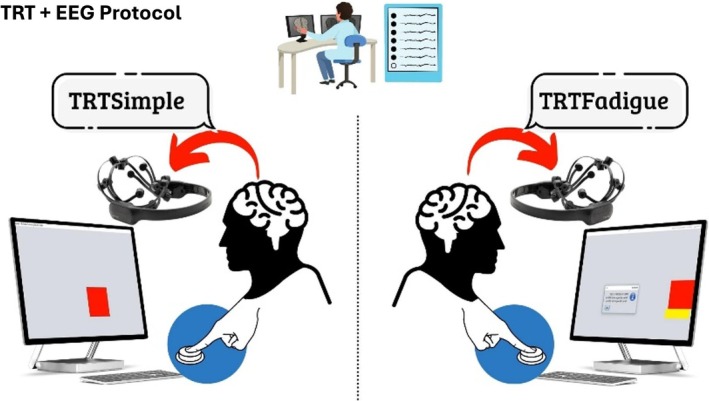 Figure 1
 Figure 2
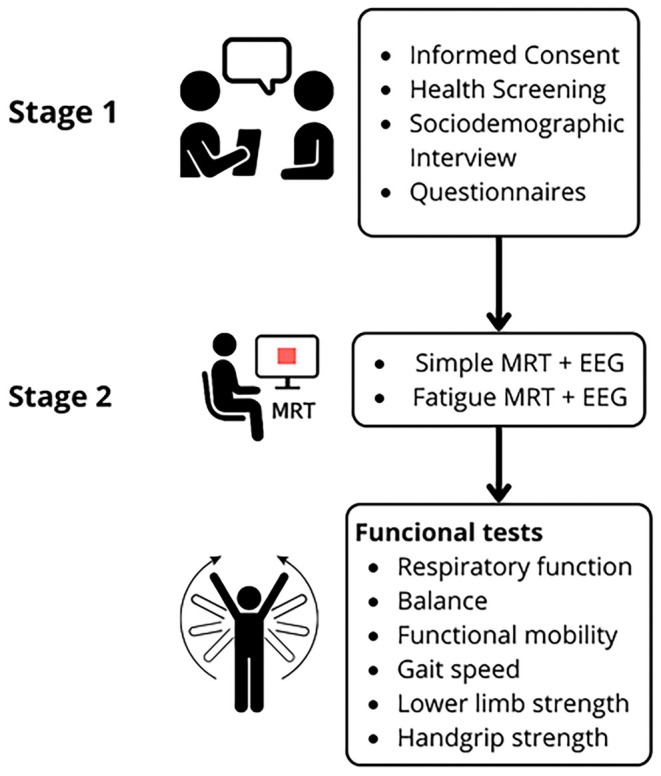 Figure 3
Peer Reviews
No public reviews on file for this paper yet. If you reviewed it on a platform where reviews are public (OpenReview, ICLR, NeurIPS, ICML), you can paste yours below so the community can read it here.
Videos
No videos yet. Explain this paper in a talk, walkthrough, or lecture? Add one.
Taxonomy
TopicsHealth and Well-being Studies · Aging and Gerontology Research · Psychological Well-being and Life Satisfaction