Apolipoprotein E gene allele 4 and amyloid-beta mediate tau-related network breakdown
Fardin Nabizadeh

TL;DR
This study explores how the APOE4 gene and amyloid-beta influence tau-related brain connectivity breakdown in Alzheimer's disease.
Contribution
The study identifies APOE4 and amyloid-beta as mediators of tau-induced functional disconnection in Alzheimer's.
Findings
APOE4 carriers and amyloid-beta-positive individuals show increased tau-related functional disconnection.
Tau aggregates spread through brain networks, disrupting connectivity between affected and non-affected regions.
Functional connectivity to tau epicenters is mediated by APOE4 and amyloid-beta status.
Abstract
There have been reports of altered functional connectivity in Alzheimer's disease, which is associated with the buildup of pathogenic proteins in the brain, including neurofibrillary tau tangles and amyloid-beta plaques. It is believed that the tau aggregates are the main driver of functional disconnection and resulted in cognitive decline in Alzheimer's disease. Tau propagates through connected neurons, a phenomenon often described as the ‘prion-like’ properties of tau, which can locally result in functional connectivity disruption. Apolipoprotein E gene allele 4 status and amyloid-beta are accelerating factors for tau-related pathological changes in Alzheimer's disease. However, the potential role of apolipoprotein E gene allele 4 and amyloid-beta in mediating the tau-related functional disconnection is not clear. I aimed to investigate the mediating effect of apolipoprotein E gene…
Genes, proteins, chemicals, diseases, species, mutations and cell lines named across the full text — each resolved to its canonical identifier and authoritative record.
Click any figure to enlarge with its caption.
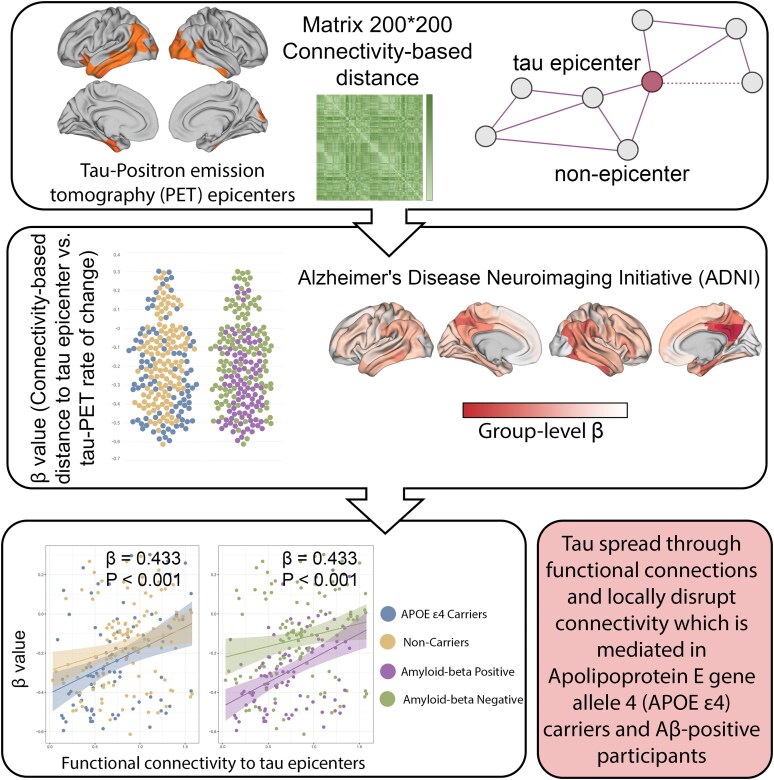 Figure 1
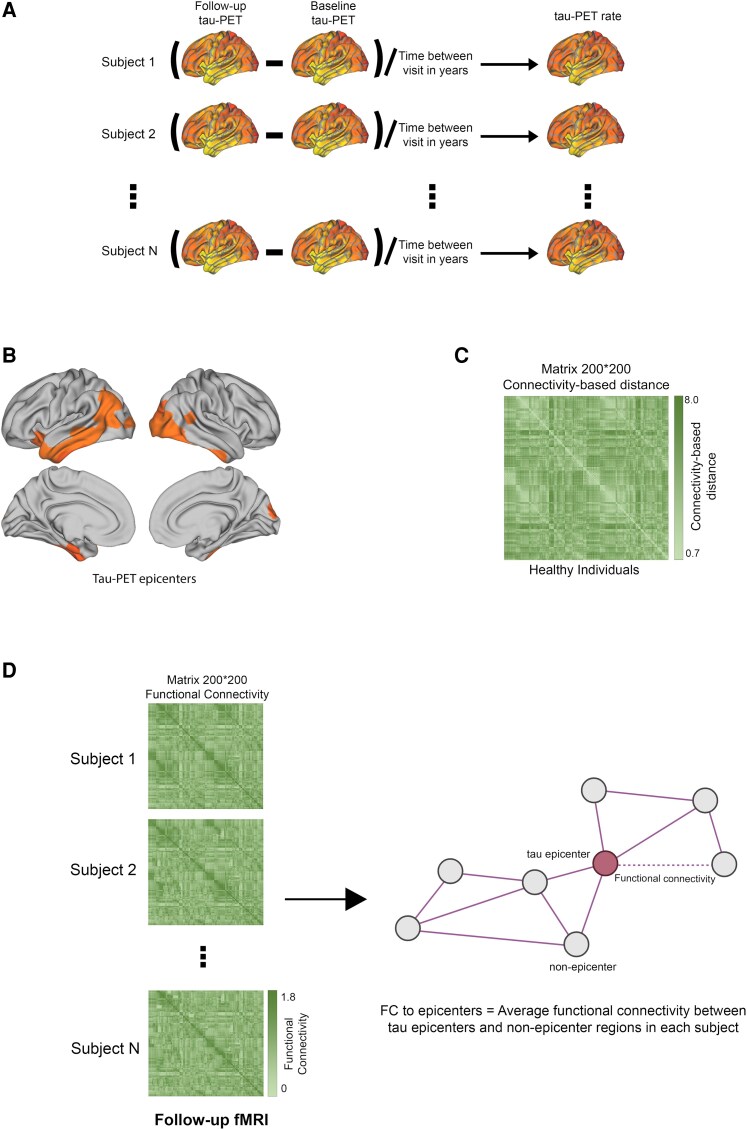 Figure 2
 Figure 3
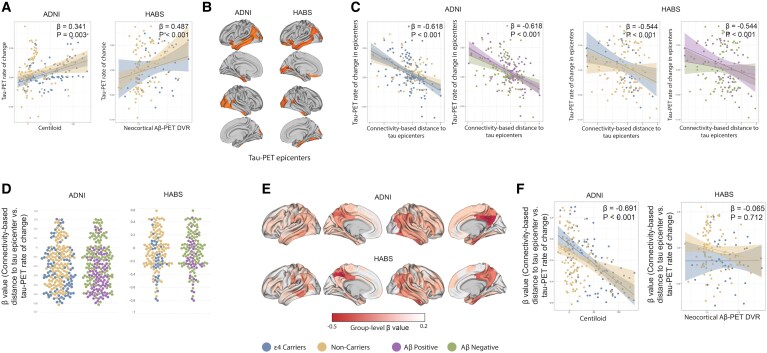 Figure 4
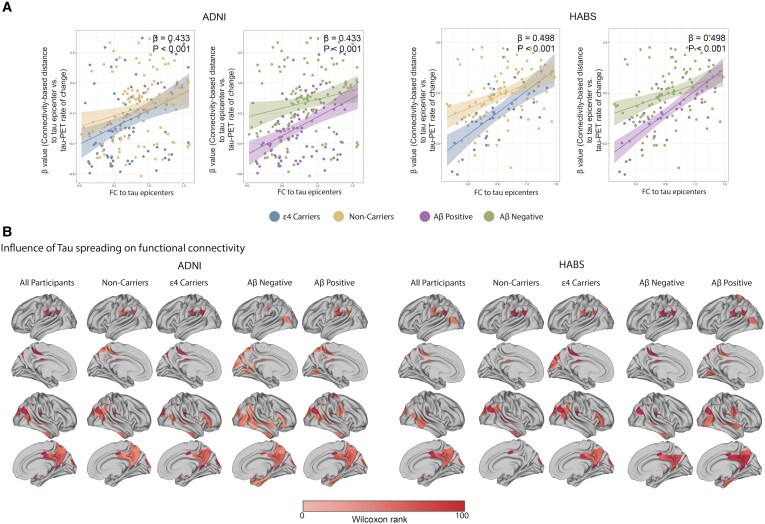 Figure 5
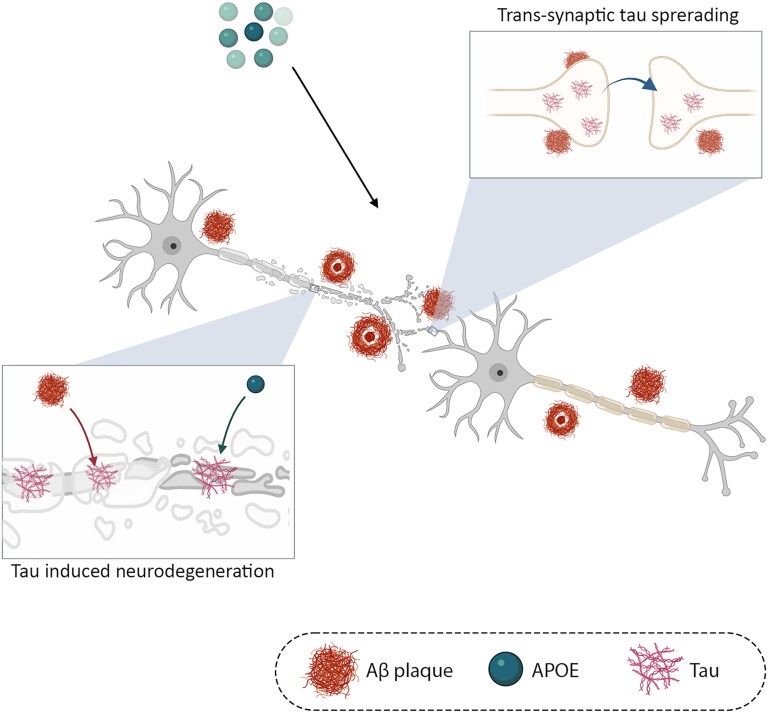 Figure 6
Peer Reviews
No public reviews on file for this paper yet. If you reviewed it on a platform where reviews are public (OpenReview, ICLR, NeurIPS, ICML), you can paste yours below so the community can read it here.
Videos
No videos yet. Explain this paper in a talk, walkthrough, or lecture? Add one.
Taxonomy
TopicsAlzheimer's disease research and treatments