Traumatic Versus Atraumatic Causes of Shoulder Impingement Syndrome: A Systematic Review of Pathophysiology and Outcomes
Muhammad Irfan Akram, Kunjan Yogesh Barot, Rao Junaid Saleem, Abdullah Elrefae, Hassan Imtiaz, Kshitij Srivastava, Mohammad Shishtawi, Safeer Ahmad Javid, Muhammad Rizwan Umer, Shahzaib Ahmad

TL;DR
This review compares traumatic and atraumatic causes of shoulder impingement syndrome, highlighting their distinct pathophysiology and treatment approaches.
Contribution
The study systematically differentiates traumatic and atraumatic shoulder impingement syndrome based on pathophysiology and outcomes.
Findings
Traumatic SIS is linked to acute injuries and requires surgical intervention.
Atraumatic SIS results from repetitive microtrauma and is managed with rehabilitation.
Both types share inflammation but differ in anatomical changes and treatment needs.
Abstract
Shoulder impingement syndrome (SIS) is a common musculoskeletal disorder caused by traumatic or atraumatic factors, resulting in pain, functional limitation, and reduced quality of life. This systematic review aimed to summarize the pathophysiology, anatomical changes, and functional outcomes of traumatic versus atraumatic SIS. A comprehensive search of PubMed, Embase, Scopus, and the Cochrane Library up to 2025 was conducted following Preferred Reporting Items for Systematic Reviews and Meta-Analyses (PRISMA) 2020 guidelines, including studies reporting clinical outcomes and pathophysiological findings in humans. Five studies comprising 467 participants were included. Traumatic SIS, often following acute injuries or post-acromioclavicular (AC) joint fixation, was associated with rotator cuff tears, labral lesions, and anatomical changes, leading to pain, limited range of motion, and…
Genes, proteins, chemicals, diseases, species, mutations and cell lines named across the full text — each resolved to its canonical identifier and authoritative record.
Click any figure to enlarge with its caption.
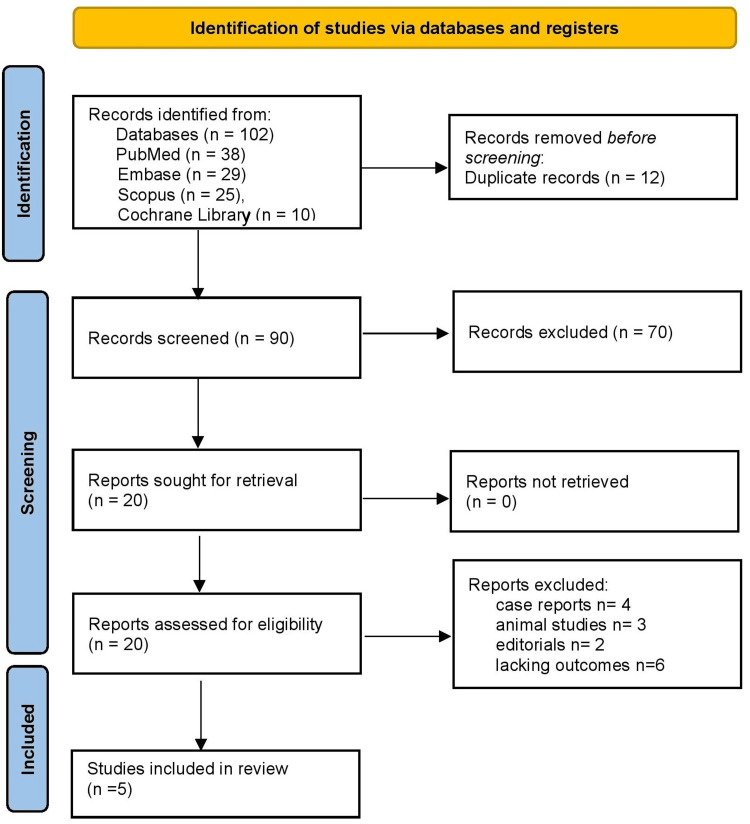 Figure 1
Peer Reviews
No public reviews on file for this paper yet. If you reviewed it on a platform where reviews are public (OpenReview, ICLR, NeurIPS, ICML), you can paste yours below so the community can read it here.
Videos
No videos yet. Explain this paper in a talk, walkthrough, or lecture? Add one.
Taxonomy
TopicsShoulder Injury and Treatment · Shoulder and Clavicle Injuries · Hip disorders and treatments