Enrichment of Pasteurized Dairy Product and Brownie With Edible Insect ( Tenebrio molitor ) to Analyze Acceptance Using Check‐All‐That‐Apply Methodology
Marta Ros‐Baró, Marta Capellas Puig, Gemma Chiva‐Blanch, Diana A. Díaz‐Rizzolo, Alicia Aguilar Martínez, Montserrat Jorba Rafart, Irina Chiriac, Mar Blanco Rogel, Montserrat Pujolà Cunill, Patricia Casas‐Agustench, Anna Bach‐Faig

TL;DR
This study explores the use of Tenebrio molitor (mealworm) protein in dairy products and brownies, evaluating their nutritional and sensory properties to determine consumer acceptance.
Contribution
The study introduces TM-enriched food formulations and evaluates their sensory and nutritional profiles using the CATA method.
Findings
A hazelnut–vanilla dairy product with TM powder achieved 52.4% acceptability.
Brownies with TM protein hydrolysate showed better nutritional and sensory profiles than those with only TM powder.
Sweetness correlated positively with overall liking in the tested formulations.
Abstract
Insect proteins, especially from Tenebrio molitor (TM), are emerging as sustainable alternatives to conventional proteins. This study aimed to design and evaluate TM‐enriched food formulations for individuals with increased protein needs, assessing their nutritional, physicochemical, and sensory properties, and exploring feasibility. Two sensory evaluations were conducted using the Check‐All‐That‐Apply (CATA) method. The first (CATA1) assessed the direct incorporation of TM powder (32 g/100 g) into a pasteurized dairy product (D) with hazelnut (DTM1H), hazelnut–vanilla (DTM1HV), or vanilla (DTM1V) aroma. DTM1HV reached 52.4% acceptability. The second (CATA2) evaluated brownies with three formulations: D and TM powder (BDTM1), TM powder (BTM1), and TM powder and TM protein hydrolysate (BTM2). Hydrolysate‐based formulation had a significantly higher protein‐to‐lipid ratio, offering a…
Genes, proteins, chemicals, diseases, species, mutations and cell lines named across the full text — each resolved to its canonical identifier and authoritative record.
Click any figure to enlarge with its caption.
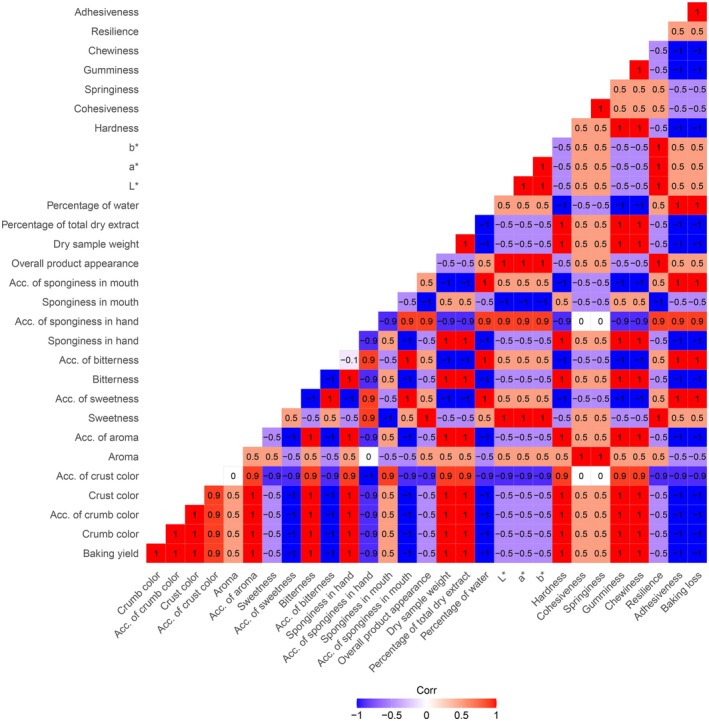 Figure 1
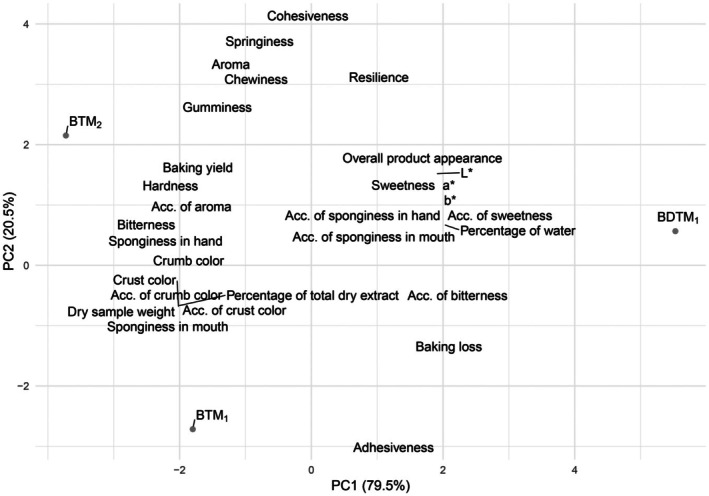 Figure 2
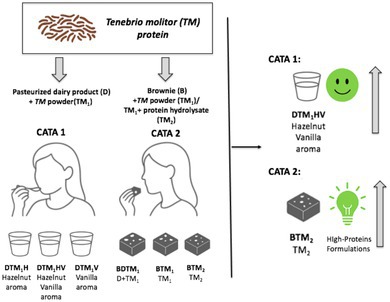 Figure 3
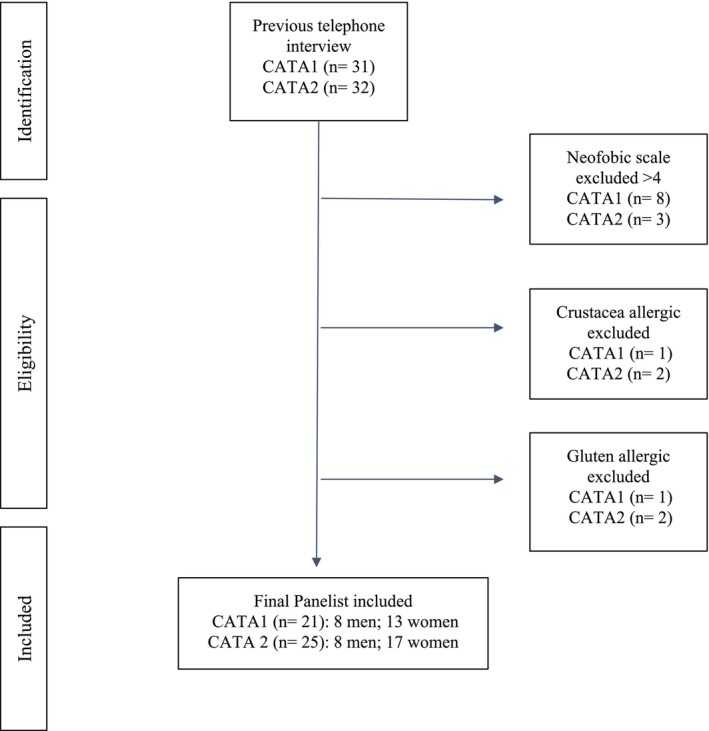 Figure 4
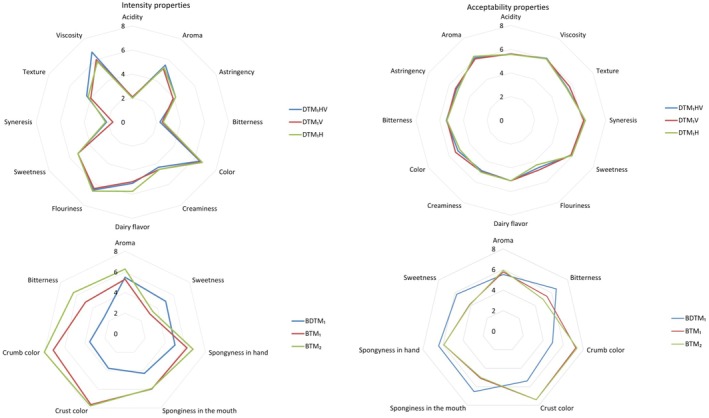 Figure 5
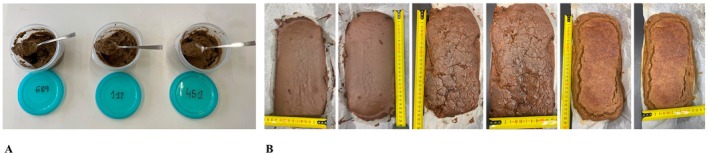 Figure 6
Peer Reviews
No public reviews on file for this paper yet. If you reviewed it on a platform where reviews are public (OpenReview, ICLR, NeurIPS, ICML), you can paste yours below so the community can read it here.
Videos
No videos yet. Explain this paper in a talk, walkthrough, or lecture? Add one.
Taxonomy
TopicsInsect Utilization and Effects · Insect Pest Control Strategies · Protein Hydrolysis and Bioactive Peptides