Differential stress responses of immunoisolated human islets embedded in pancreatic extracellular matrix under static and free-fall dynamic conditions
Isaura Borges-Silva, Marluce da Cunha Mantovani, Minh Danh Anh Luu, Alan Gorter, Theo Borghuis, Naschla Gasaly, Mari Cleide Sogayar, Paul deVos, Marina Trombetta-Lima

TL;DR
This study shows that culturing human pancreatic islets in a dynamic, low-shear environment with extracellular matrix improves their survival and function under stress.
Contribution
The study introduces a novel combination of dynamic culture and ECM enrichment to enhance islet resilience during ex vivo conditions.
Findings
Dynamic culture improved islet viability and glucose responsiveness under ER-stress.
ECM-containing capsules reduced inflammatory markers and supported adaptive matrix remodeling.
Combining dynamic culture with ECM significantly reduced cell death and improved stress adaptation.
Abstract
Pancreatic islet transplantation offers great promise for the treatment of type 1 diabetes, yet the functional decline of islets after isolation remains a major obstacle. Increasing evidence highlights the endoplasmic reticulum (ER) as a critical regulator of islet cell survival under stress. We explored how ex vivo culture conditions affect encapsulated islet resilience under ER-stress. Two conditions were assessed: (i) incorporation of decellularized porcine pancreatic extracellular matrix (ECM) into alginate microcapsules, and (ii) free-fall dynamic pre-conditioning culture. Human islets were encapsulated in alginate with or without ECM, cultured under static or dynamic conditions, and exposed to acute ER-stress followed or not by a recovery period. Dynamic culture preserved viability and enhanced glucose responsiveness. ECM-containing capsules showed reduced inflammatory marker…
Genes, proteins, chemicals, diseases, species, mutations and cell lines named across the full text — each resolved to its canonical identifier and authoritative record.
Click any figure to enlarge with its caption.
 Figure 1
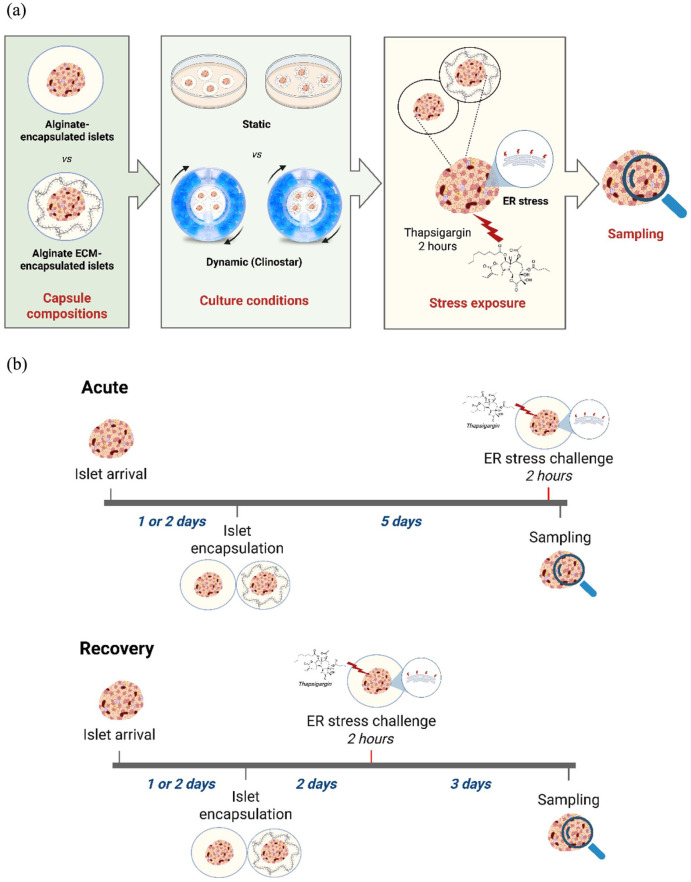 Figure 1
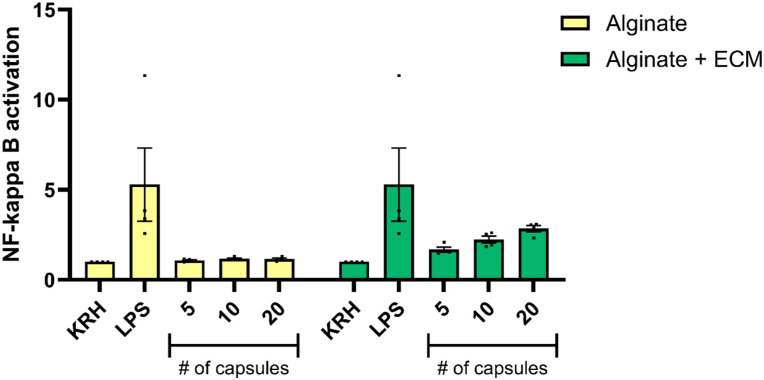 Figure 2
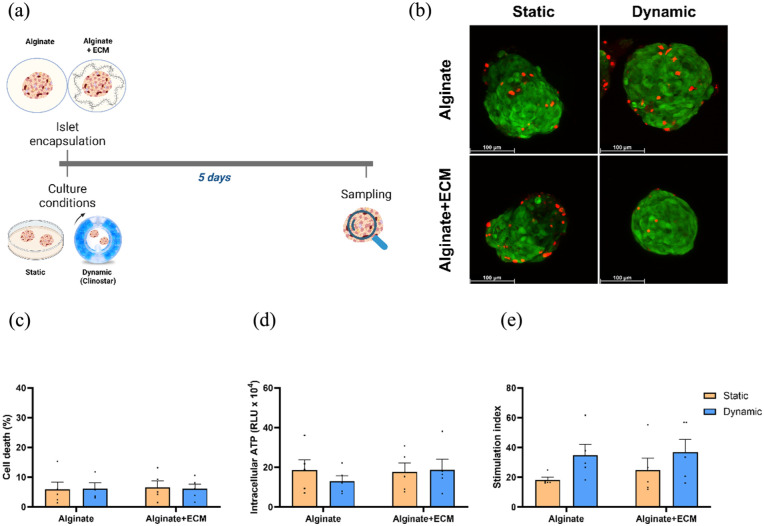 Figure 3
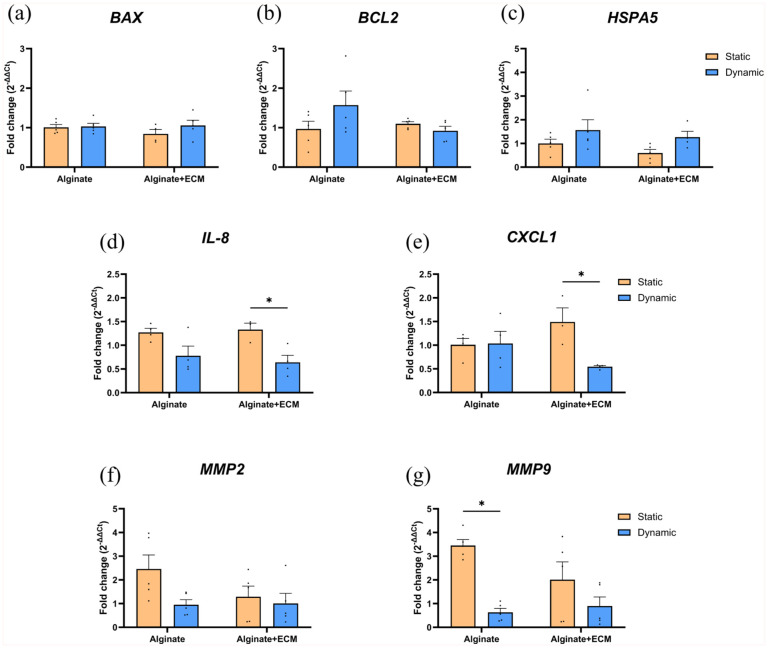 Figure 4
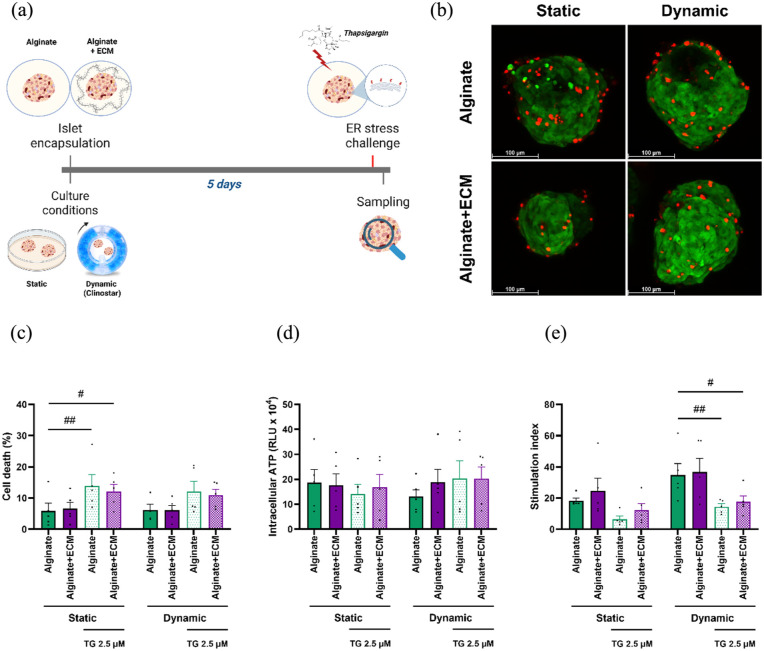 Figure 5
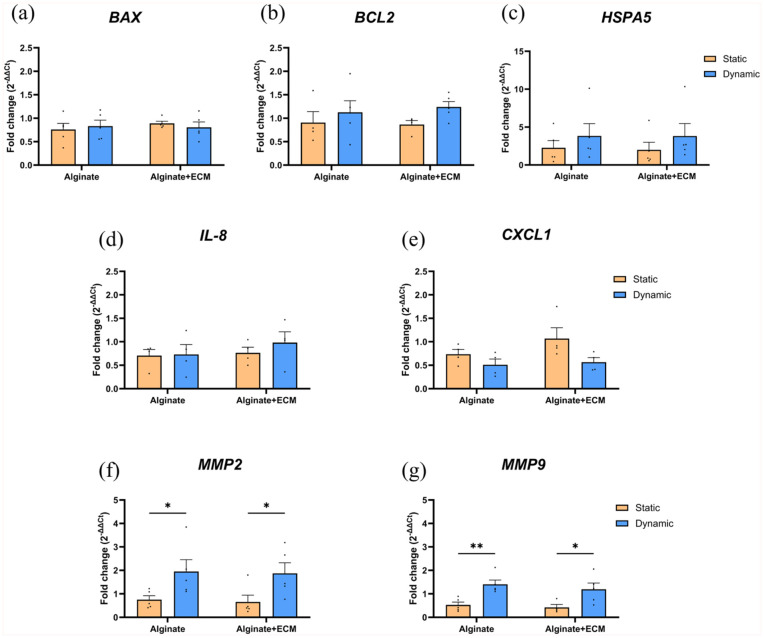 Figure 6
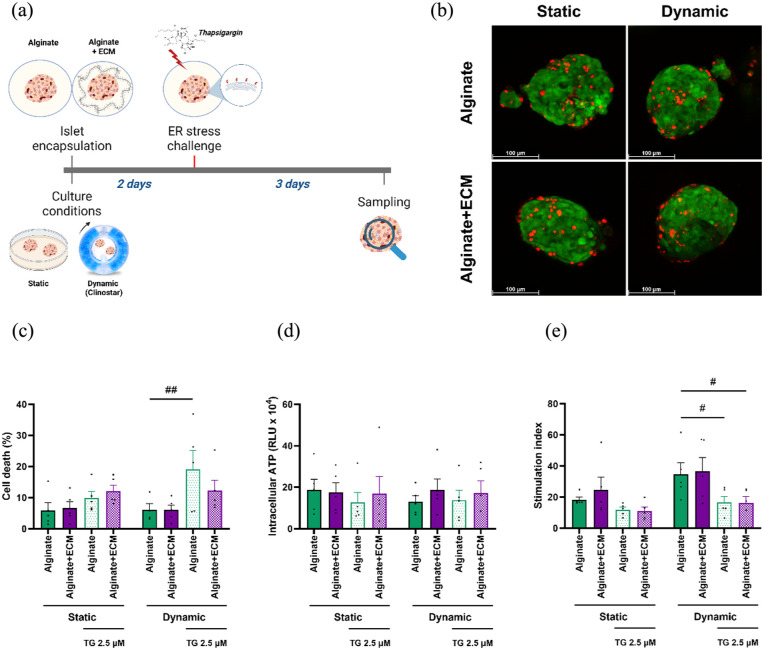 Figure 7
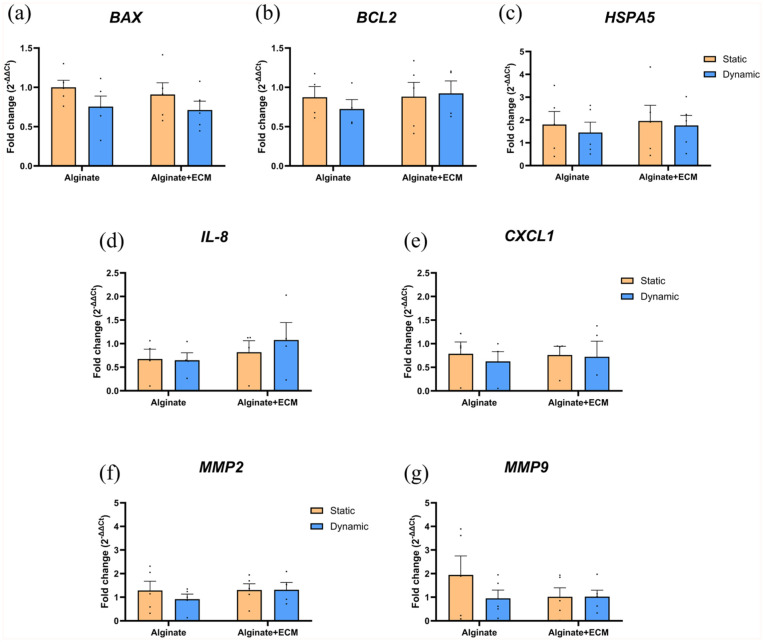 Figure 8
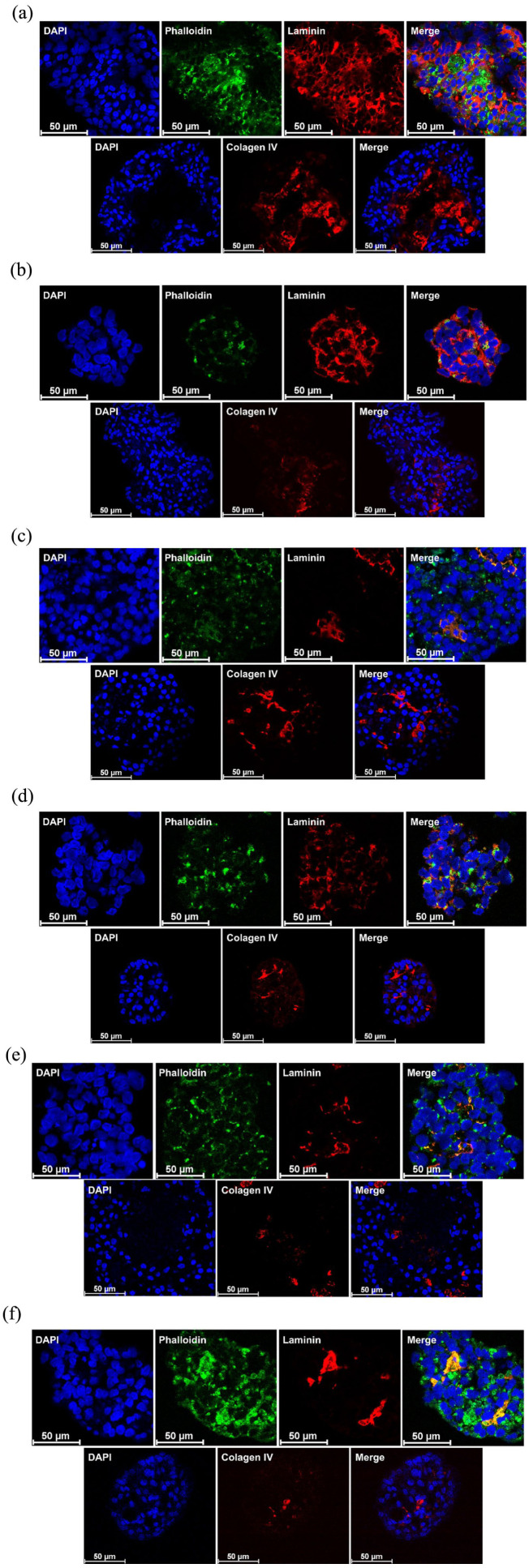 Figure 9
 Figure 11
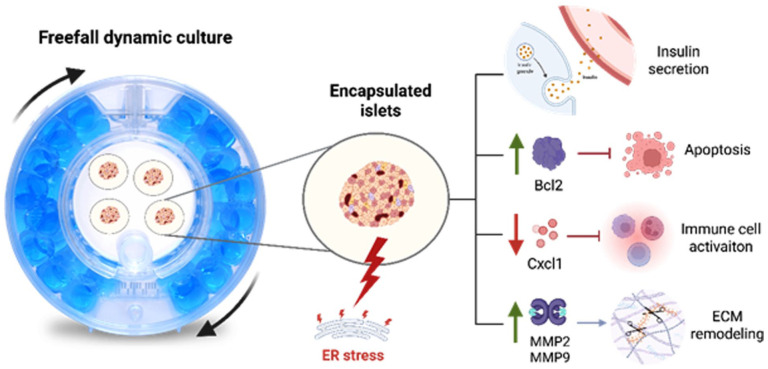 Figure 12
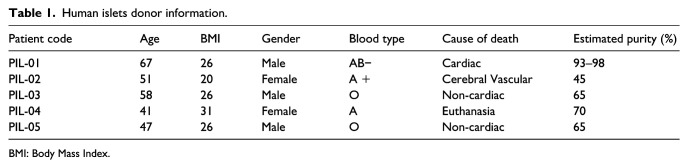 Figure 13
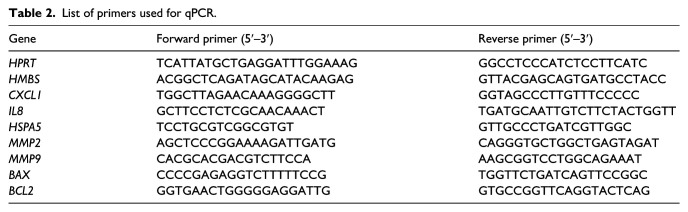 Figure 14
Peer Reviews
No public reviews on file for this paper yet. If you reviewed it on a platform where reviews are public (OpenReview, ICLR, NeurIPS, ICML), you can paste yours below so the community can read it here.
Videos
No videos yet. Explain this paper in a talk, walkthrough, or lecture? Add one.
Taxonomy
TopicsPancreatic function and diabetes · Diabetes and associated disorders · Endoplasmic Reticulum Stress and Disease