Metal-organic framework impregnated sponge-based TENG as a binary input device for logic gate simulation and power plant control
Nitha Palakkattiri Krishnan, Gaurav Khandelwal, Arunkumar Chandrasekhar

TL;DR
This paper introduces a TENG device using a MOF-impregnated sponge to simulate logic gates and control power plant operations.
Contribution
A novel TENG device using MOF MIL-53 is developed for binary input and industrial control applications.
Findings
MS-TENG with 4 wt.% MIL-53 achieved 44.2 V output voltage.
The device simulated logic gates and a half-adder using LabVIEW.
MS-TENG was used to simulate power plant control operations via ladder logic.
Abstract
Logic gates are the essential components of digital electronics. These are the electronic circuits that generate a single binary output by applying fundamental logical operations on inputs. These are the basic building blocks of both combinational and sequential circuits. Different approaches are available to implement logic operations, among which a novel method utilizes a Triboelectric nanogenerator (TENG), which converts mechanical energy into electrical energy by using Maxwell’s equations and can act as a trigger device corresponding to mechanical stimuli. TENGs can act as a binary input device for logic gate operations, implementing logic 0 corresponding to ‘NO PRESS’ or out of contact and logic 1 corresponding to the TENGs ‘PRESS’ or in contact state. Herein, a metal organic framework (MOF) MIL-53 impregnated sponge is used for the TENG device fabrication. MIL-53 is an important…
Genes, proteins, chemicals, diseases, species, mutations and cell lines named across the full text — each resolved to its canonical identifier and authoritative record.
Click any figure to enlarge with its caption.
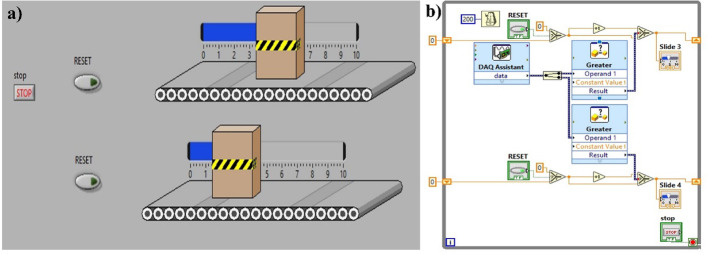 Figure 10
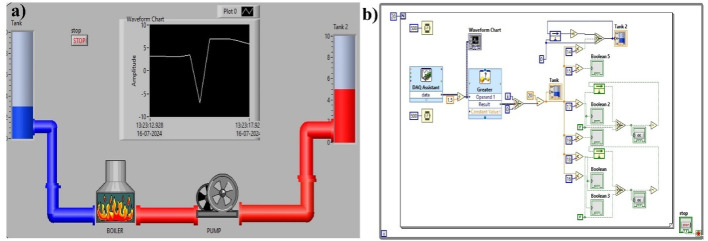 Figure 11
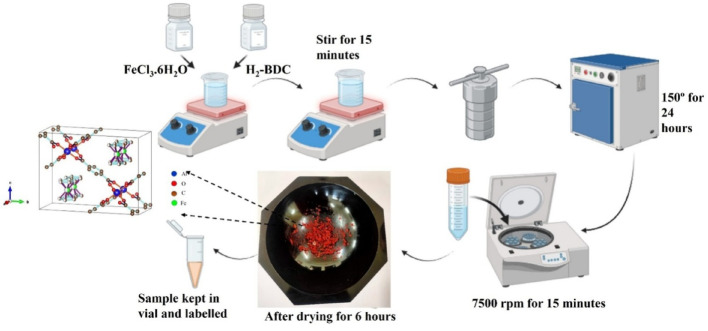 Figure 1
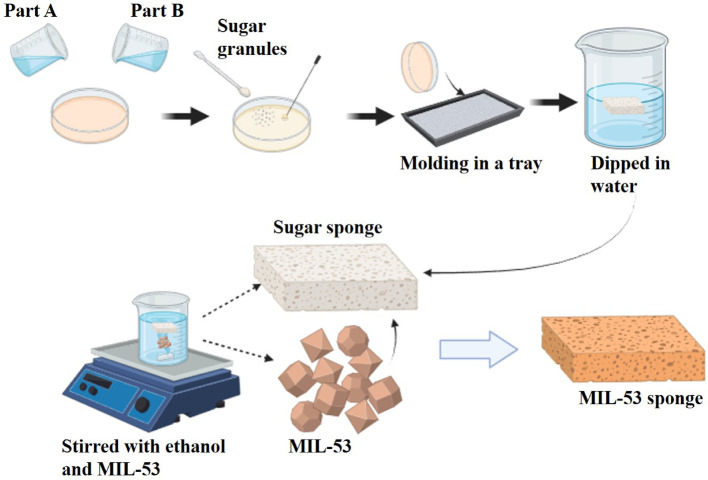 Figure 2
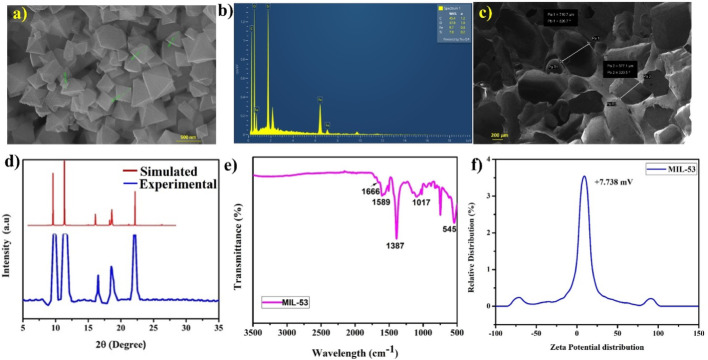 Figure 3
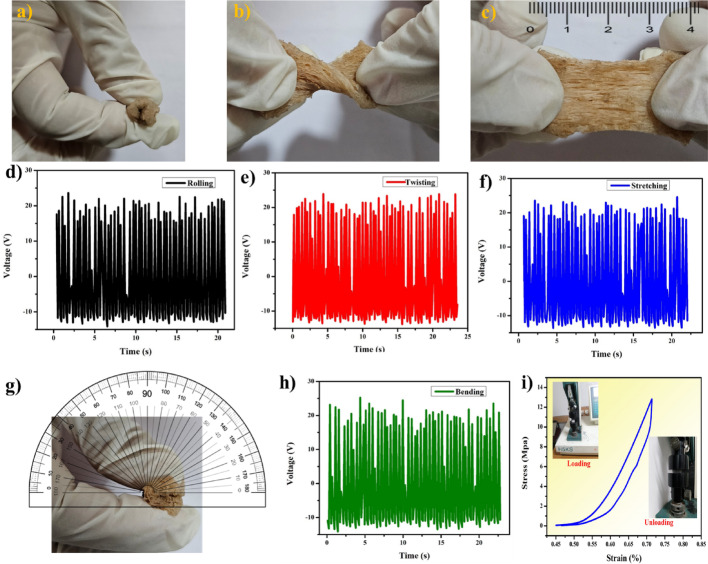 Figure 4
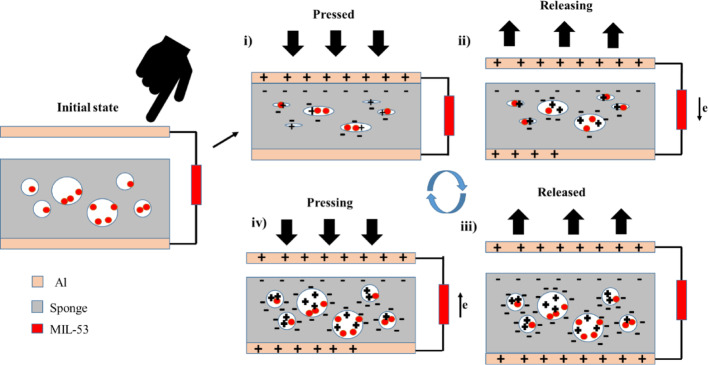 Figure 5
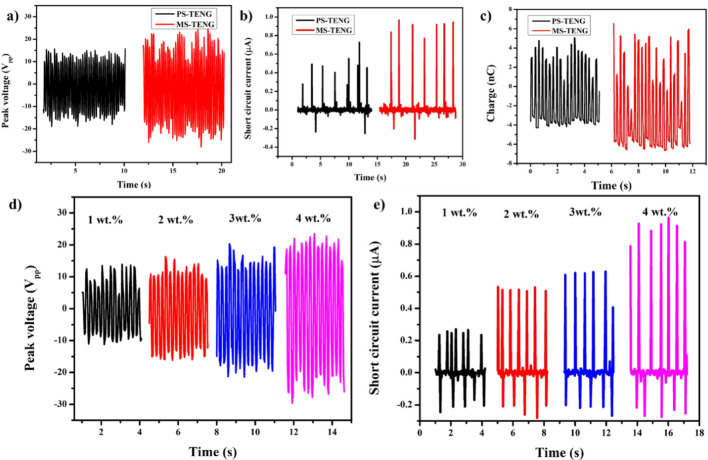 Figure 6
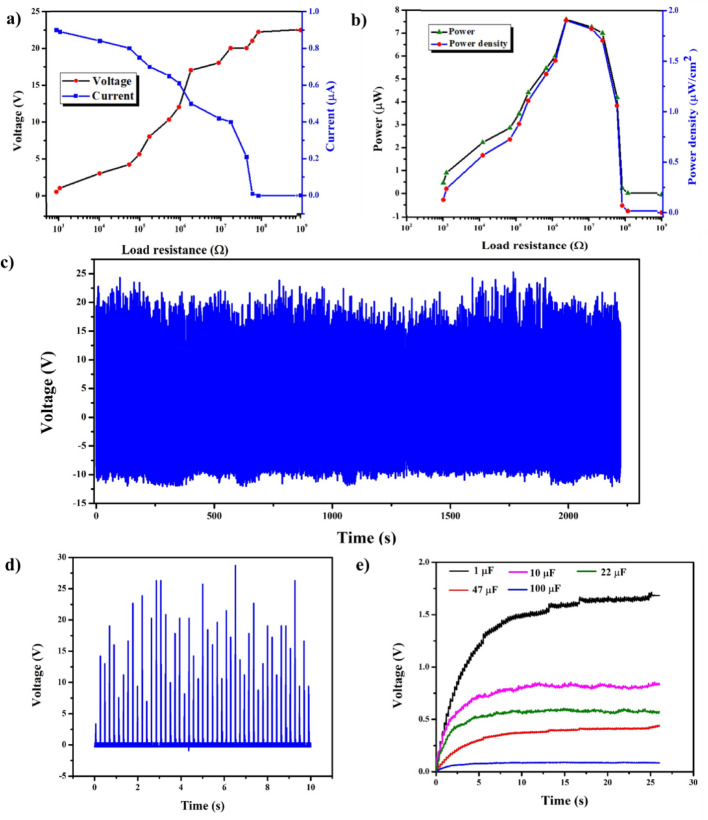 Figure 7
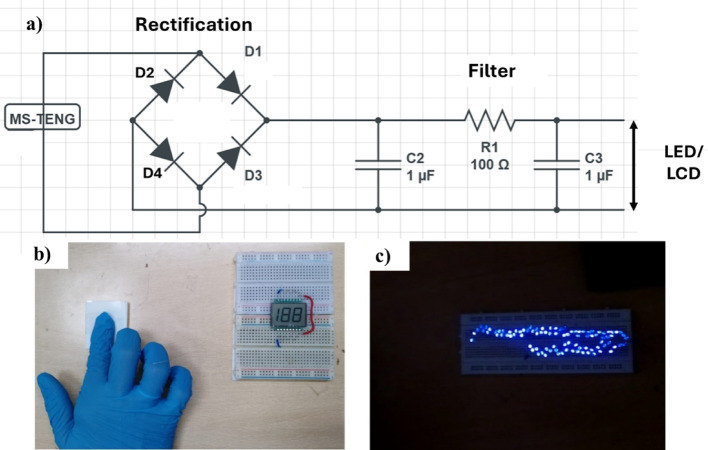 Figure 8
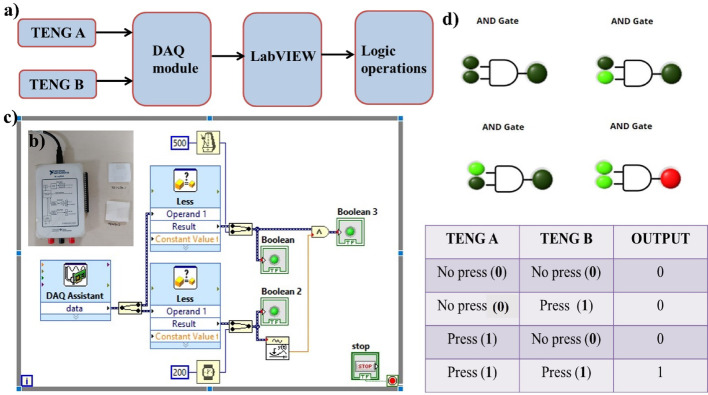 Figure 9
Peer Reviews
No public reviews on file for this paper yet. If you reviewed it on a platform where reviews are public (OpenReview, ICLR, NeurIPS, ICML), you can paste yours below so the community can read it here.
Videos
No videos yet. Explain this paper in a talk, walkthrough, or lecture? Add one.
Taxonomy
TopicsAdvanced Sensor and Energy Harvesting Materials · Dielectric materials and actuators · Conducting polymers and applications