Condensation-dependent interactome of a chromatin remodeler underlies tumor suppressor activities
Yasuhiro Tsukamoto, Atsuki Kawamura, Ayhan Yurtsever, Hidefumi Suzuki, Nichole Marcela Rojas-Chaverra, Hiroki Sato, Daisuke Ino, Takehiko Ichikawa, Weilin Wei, Shojiro Haji, Dominic Chih-Cheng Voon, Akinobu Matsumoto, Kunio Matsumoto, Hidehisa Takahashi, Noriyuki Kodera

TL;DR
A mutation in the CHD1 chromatin remodeler disrupts its ability to form condensates, leading to abnormal gene expression and promoting cancer.
Contribution
The study identifies how a specific CHD1 mutation impairs condensate formation, linking it to tumor suppressor activity and cancer progression.
Findings
The E1321 frameshift mutation in CHD1 truncates its C-terminus, preventing condensate formation and promoting tumorigenesis.
CHD1 condensates require H3K4me3-modified nucleosomes and RNA to regulate gene expression at active promoters.
MLL mutations frequently co-occur with CHD1 mutations, suggesting a shared pathway in cancer development.
Abstract
Chromatin remodelers are vital for cellular functions like transcription by modulating nucleosome accessibility. Although biological condensates regulate these processes, the contribution of chromatin remodelers to condensation mechanisms remains poorly understood. Here, we examine the role of the E1321 frameshift mutation in CHD1, a chromatin remodeler, which is often targeted in cancers. This mutation truncates CHD1’s C-terminus, leading to an oncogenic transcriptome and promoting tumorigenesis. This is due to the loss of an intrinsically disordered region (IDR) crucial for forming CHD1 condensates. These condensates are facilitated by the presence of H3K4me3-modified nucleosomes and RNA, guided to active promoters to regulate gene expression. Furthermore, CHD1 condensates contain long noncoding RNA and histone-modifying proteins, revealing an integral role for CHD1 condensates in…
Genes, proteins, chemicals, diseases, species, mutations and cell lines named across the full text — each resolved to its canonical identifier and authoritative record.
Click any figure to enlarge with its caption.
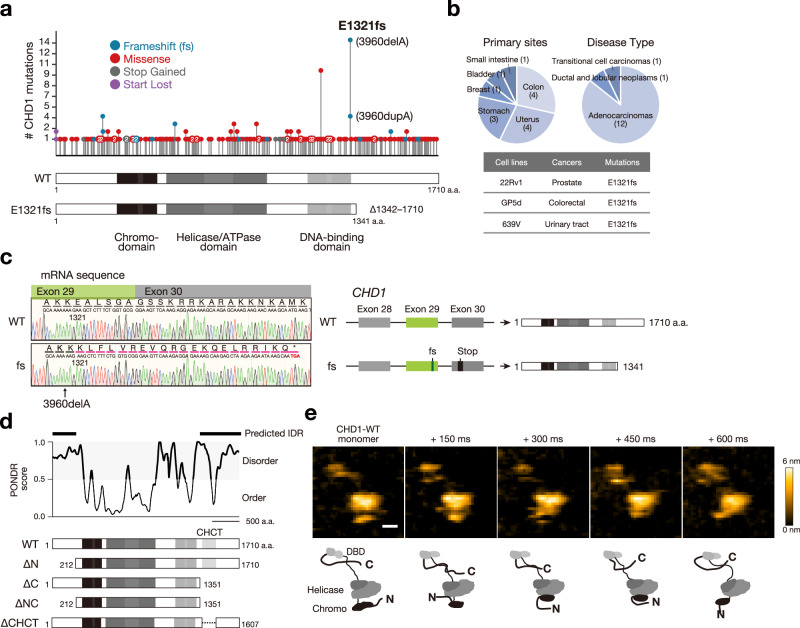 Figure 1
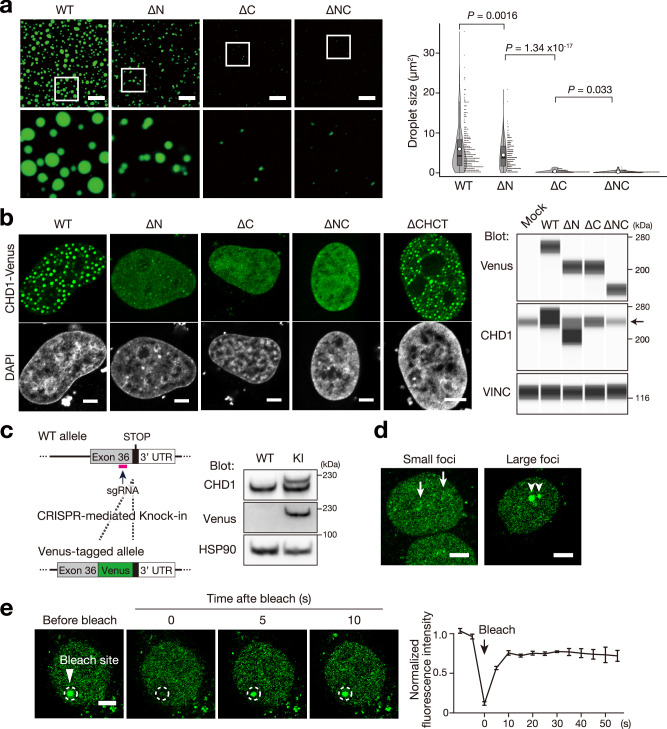 Figure 2
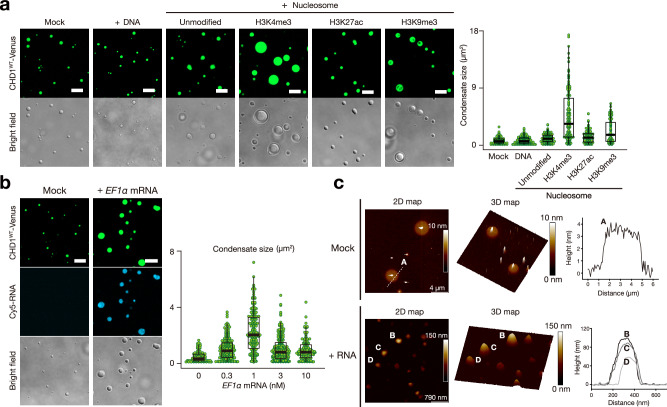 Figure 3
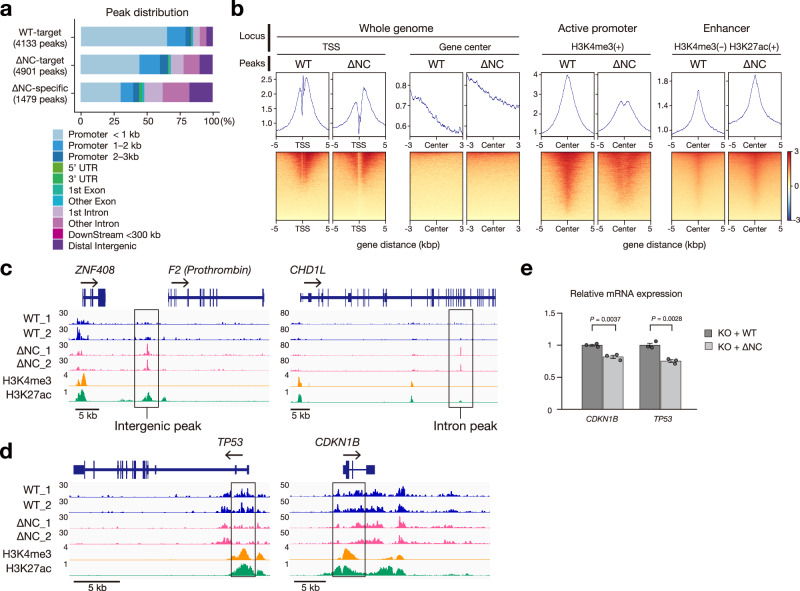 Figure 4
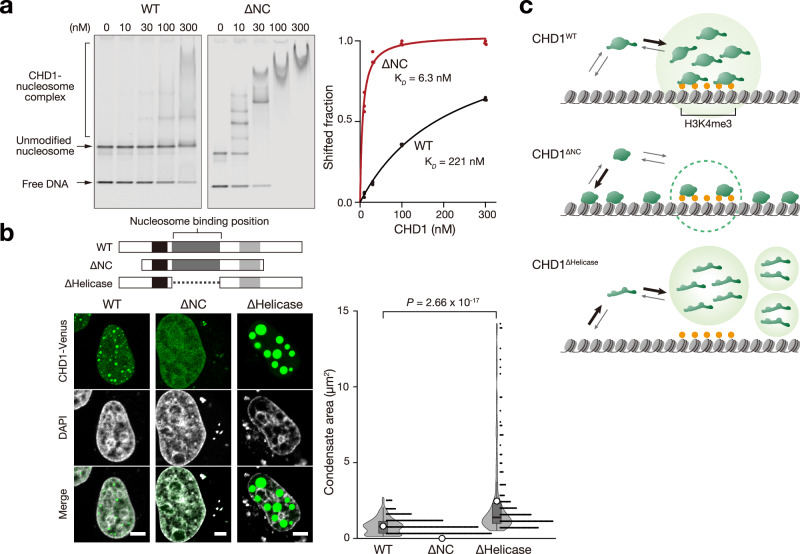 Figure 5
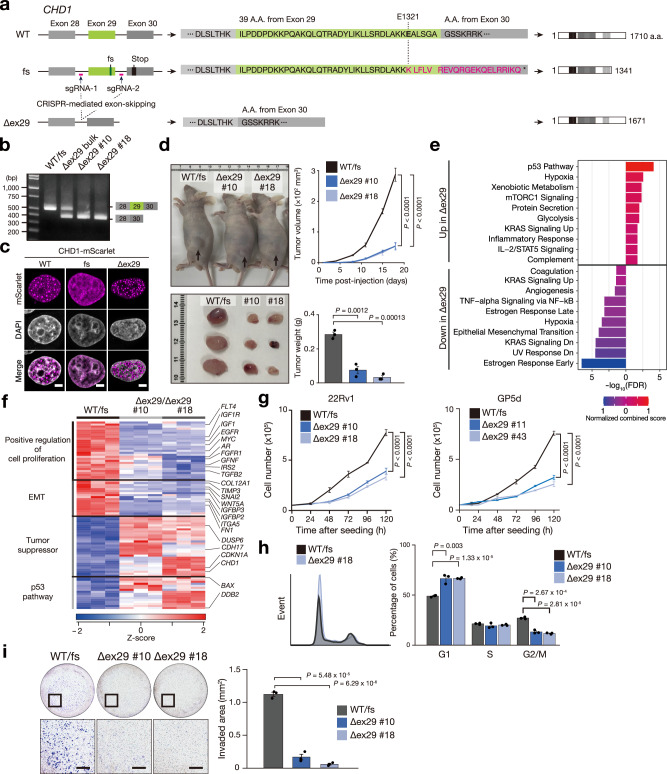 Figure 6
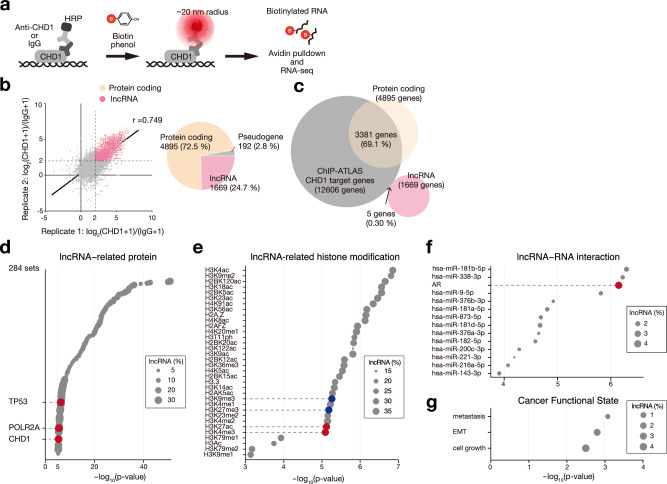 Figure 7
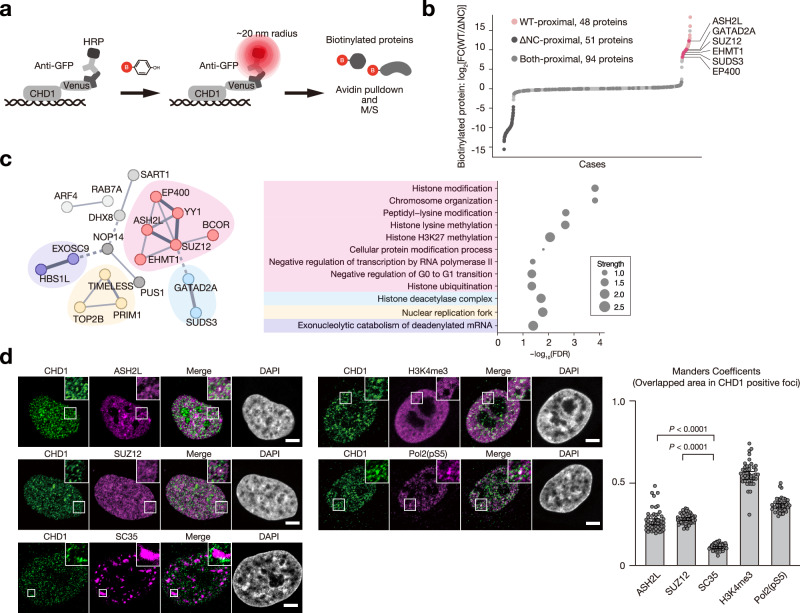 Figure 8
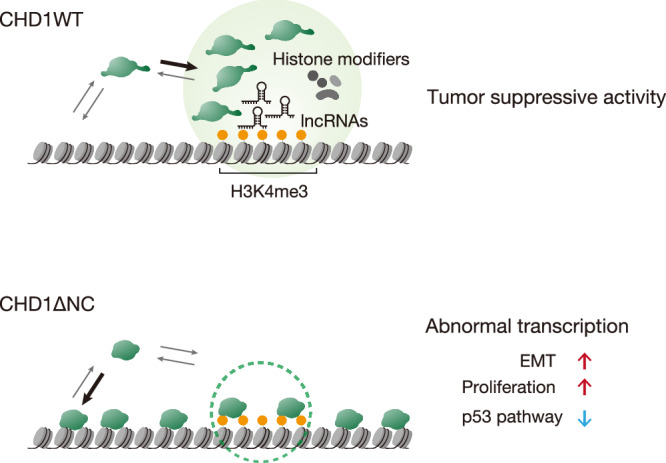 Figure 9
Peer Reviews
No public reviews on file for this paper yet. If you reviewed it on a platform where reviews are public (OpenReview, ICLR, NeurIPS, ICML), you can paste yours below so the community can read it here.
Videos
No videos yet. Explain this paper in a talk, walkthrough, or lecture? Add one.
Taxonomy
TopicsChromatin Remodeling and Cancer · Genomics and Chromatin Dynamics · Protein Degradation and Inhibitors