Generative augmentations for improved cardiac ultrasound segmentation using diffusion models
Gilles Van De Vyver, Aksel Try Lenz, Erik Smistad, Sindre Hellum Olaisen, Bjørnar Grenne, Espen Holte, Håvard Dalen, Lasse Løvstakken

TL;DR
This paper shows how using generative augmentations with diffusion models improves the accuracy of cardiac ultrasound segmentation models without needing more labeled data.
Contribution
The novelty is using diffusion models for generative augmentations to boost segmentation model generalizability in cardiac ultrasound.
Findings
Generative augmentations improved segmentation robustness by over 20mm in Hausdorff distance on external datasets.
Automatic ejection fraction estimation limits of agreement improved by up to 20% on out-of-distribution cases.
Experts could not distinguish between real and generated images, showing high quality of augmentations.
Abstract
One of the main challenges in current research on segmentation in cardiac ultrasound is the lack of large and varied labeled datasets and the differences in annotation conventions between datasets. This makes it difficult to design robust segmentation models that generalize well to external datasets. This work utilizes diffusion models to create generative augmentations that can significantly improve diversity of the dataset and thus the generalisability of segmentation models without the need for more annotated data. The generative augmentations are applied in addition to regular augmentations. A visual test survey showed that experts cannot clearly distinguish between real and fully generated images. Using the proposed generative augmentations, segmentation robustness was increased when training on an internal dataset and testing on an external dataset with an improvement of over 20…
Genes, proteins, chemicals, diseases, species, mutations and cell lines named across the full text — each resolved to its canonical identifier and authoritative record.
Click any figure to enlarge with its caption.
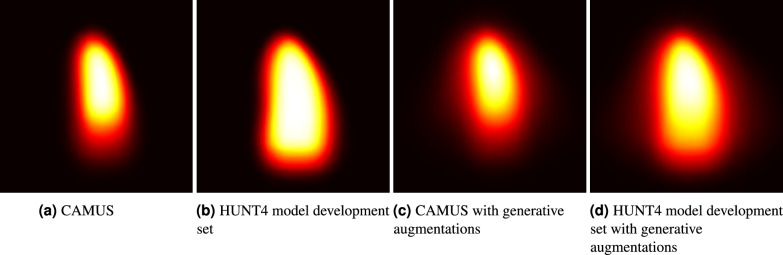 Figure 10
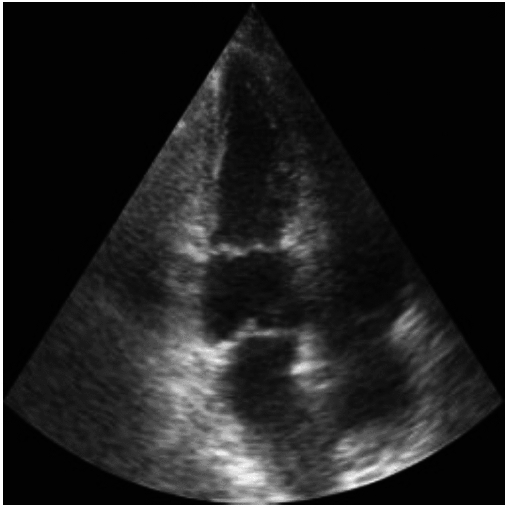 Figure 11
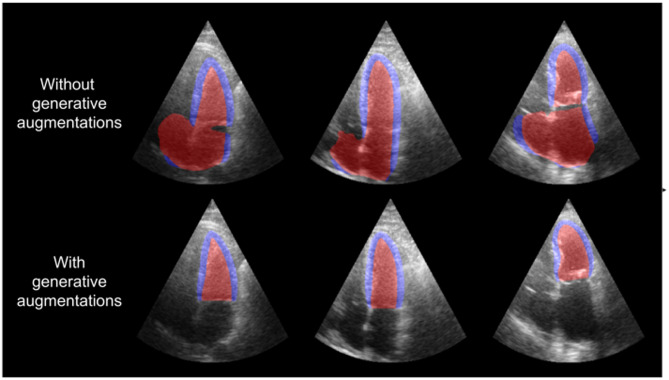 Figure 12
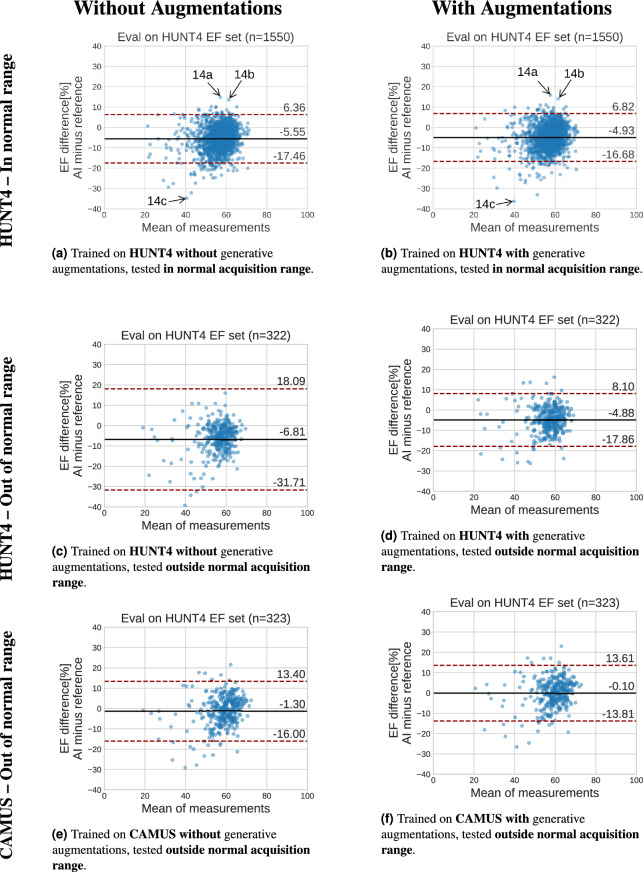 Figure 13
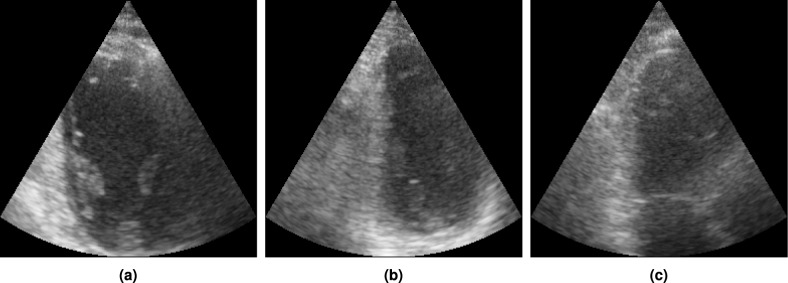 Figure 14
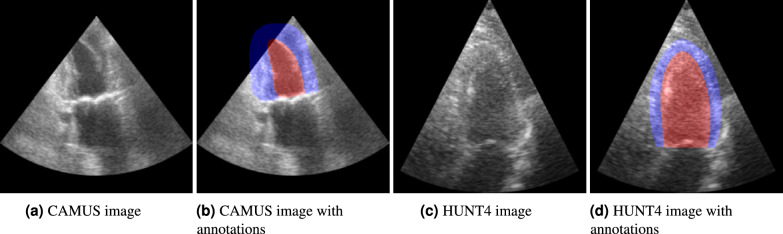 Figure 1
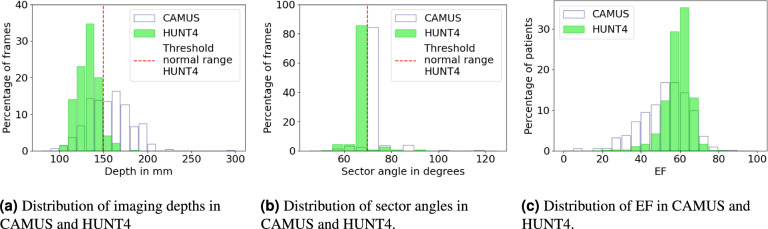 Figure 2
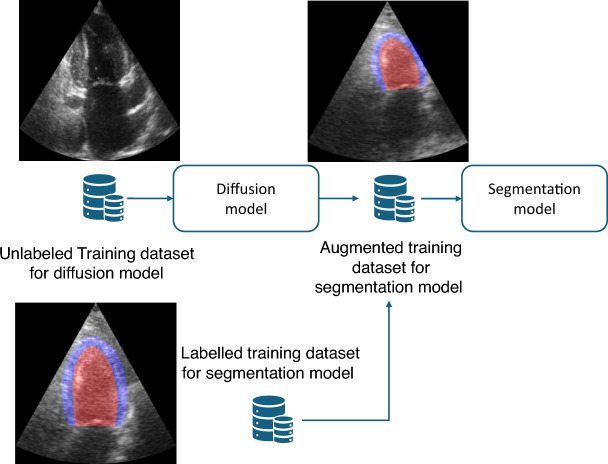 Figure 3
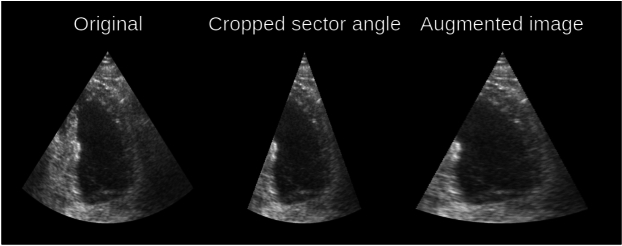 Figure 4
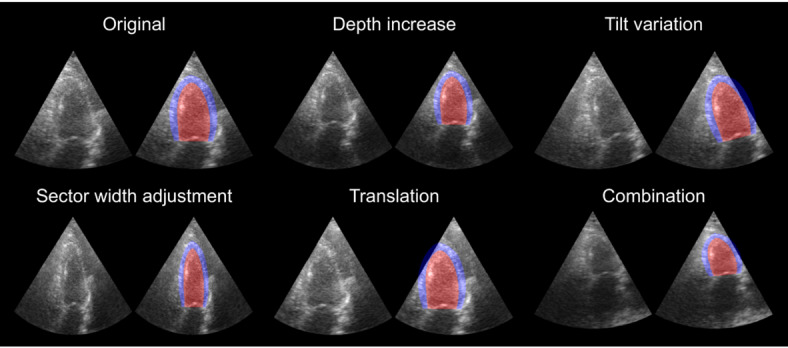 Figure 5
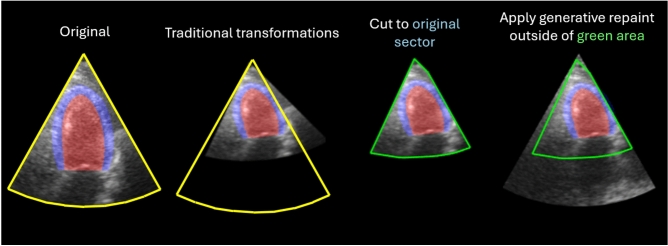 Figure 6
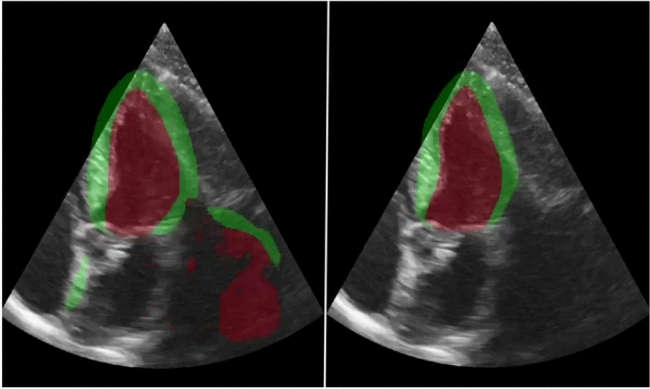 Figure 7
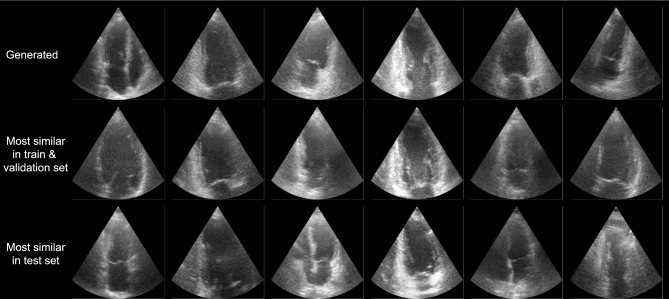 Figure 8
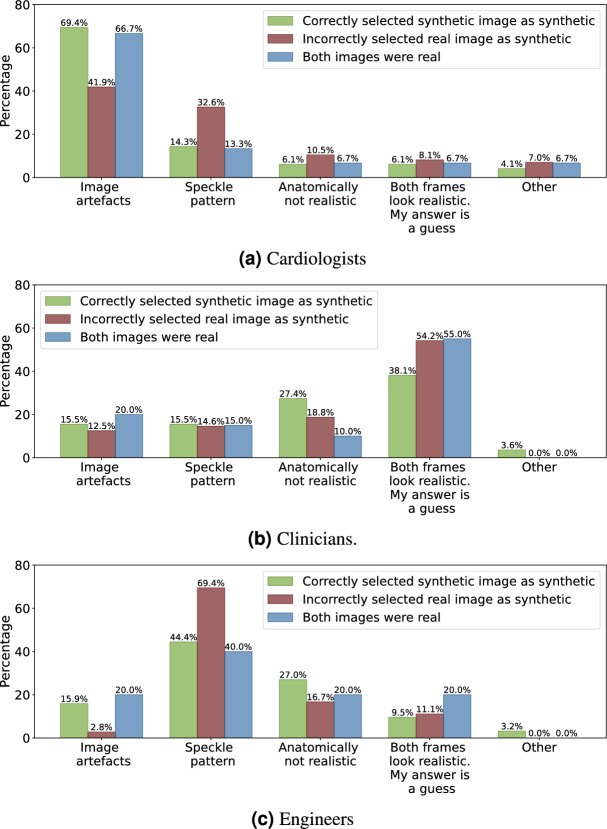 Figure 9
Peer Reviews
No public reviews on file for this paper yet. If you reviewed it on a platform where reviews are public (OpenReview, ICLR, NeurIPS, ICML), you can paste yours below so the community can read it here.
Videos
No videos yet. Explain this paper in a talk, walkthrough, or lecture? Add one.
Taxonomy
TopicsMedical Image Segmentation Techniques · Ultrasound Imaging and Elastography · Generative Adversarial Networks and Image Synthesis