Poly(A) tail dynamics, non-adenine incorporation and alternative polyadenylation shape the host transcriptome in COVID-19 pathogenesis
Mateusz A. Maździarz, Katarzyna Krawczyk, Ewa Lepiarczyk, Łukasz Paukszto, Karol G. Makowczenko, Beata Moczulska, Piotr Iwanowicz, Piotr Kocbach, Krzysztof Nosek, Jakub Sawicki, Leszek Gromadziński, Marta Majewska

TL;DR
This study explores how changes in RNA processing, including poly(A) tail dynamics and non-adenine modifications, affect the host transcriptome during COVID-19.
Contribution
The study introduces a multi-omic approach combining long-read sequencing to analyze poly(A) tail dynamics and non-A modifications in whole blood transcriptomes of COVID-19 patients.
Findings
Significant alterations in gene expression patterns were observed in COVID-19 patients compared to healthy controls.
Poly(A) tail lengths and non-adenine modifications showed notable changes in response to SARS-CoV-2 infection.
The findings highlight the interplay between viral infection, host immune response, and RNA processing in COVID-19 pathogenesis.
Abstract
The COVID-19 pandemic has had a profound global impact since its emergence in late 2019. Characterized by a wide spectrum of clinical manifestations, COVID-19 has necessitated extensive research into the host-pathogen interactions that drive disease progression. Understanding the molecular mechanisms underlying the host response to SARS-CoV-2 infection is crucial for the development of effective therapeutic interventions and preventative strategies. This study employed a multi-omic approach that combined direct RNA sequencing (DRS) and Illumina cDNA sequencing to investigate whole blood transcriptomic profiles in COVID-19 patients. By leveraging the unique capabilities of Nanopore DRS, which provides long-read sequencing data, we were able to capture not only gene expression levels but also crucial poly(A) tail length fluctuations and non-adenine residue (non-A) modifications. This…
Genes, proteins, chemicals, diseases, species, mutations and cell lines named across the full text — each resolved to its canonical identifier and authoritative record.
Click any figure to enlarge with its caption.
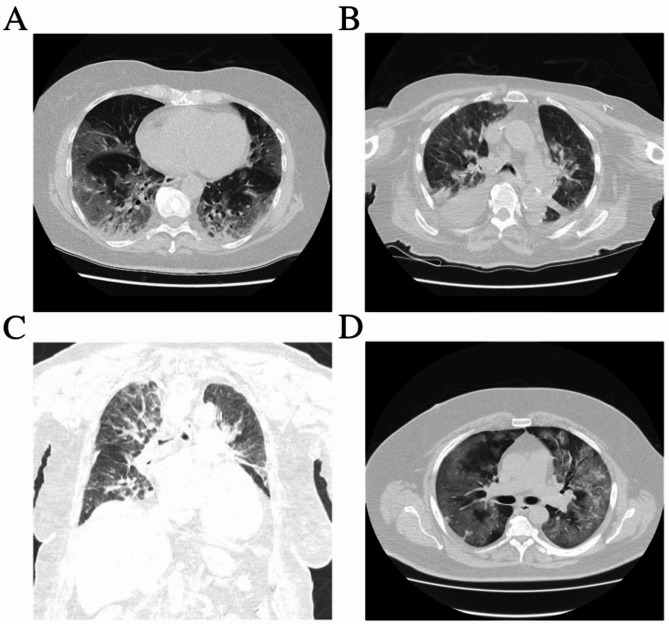 Figure 1
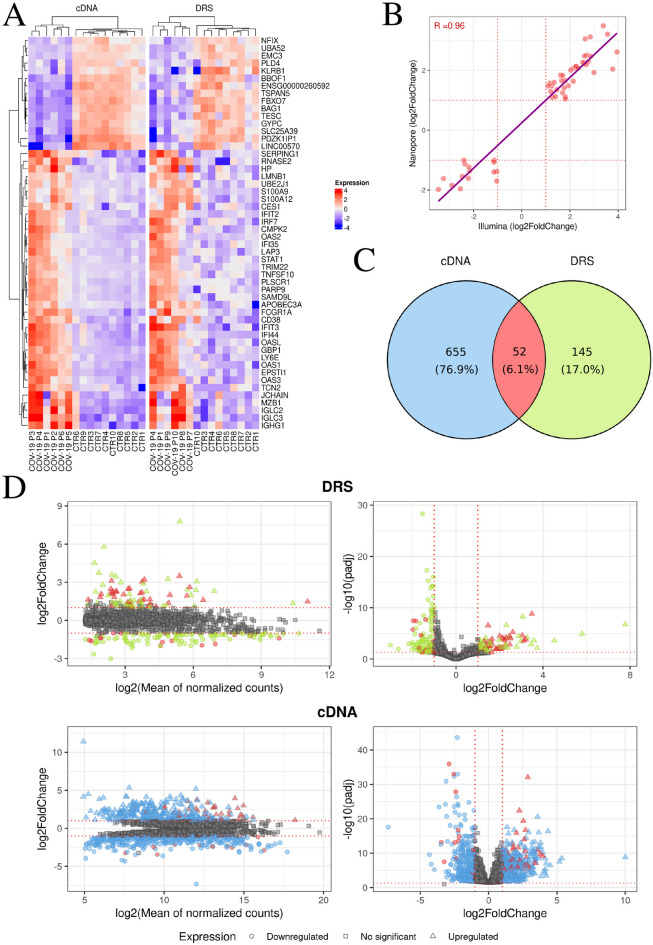 Figure 2
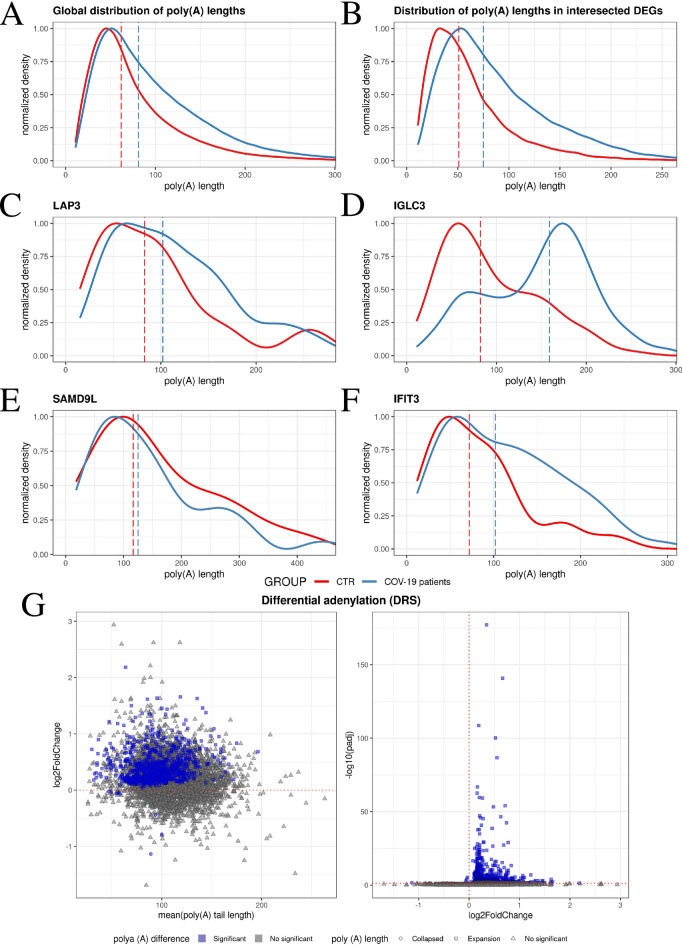 Figure 3
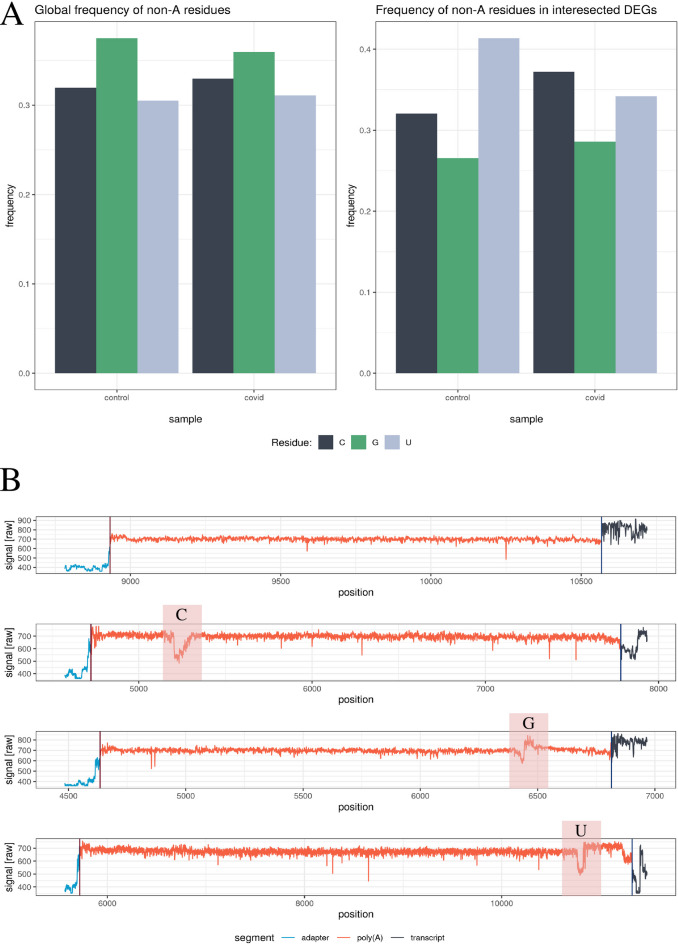 Figure 4
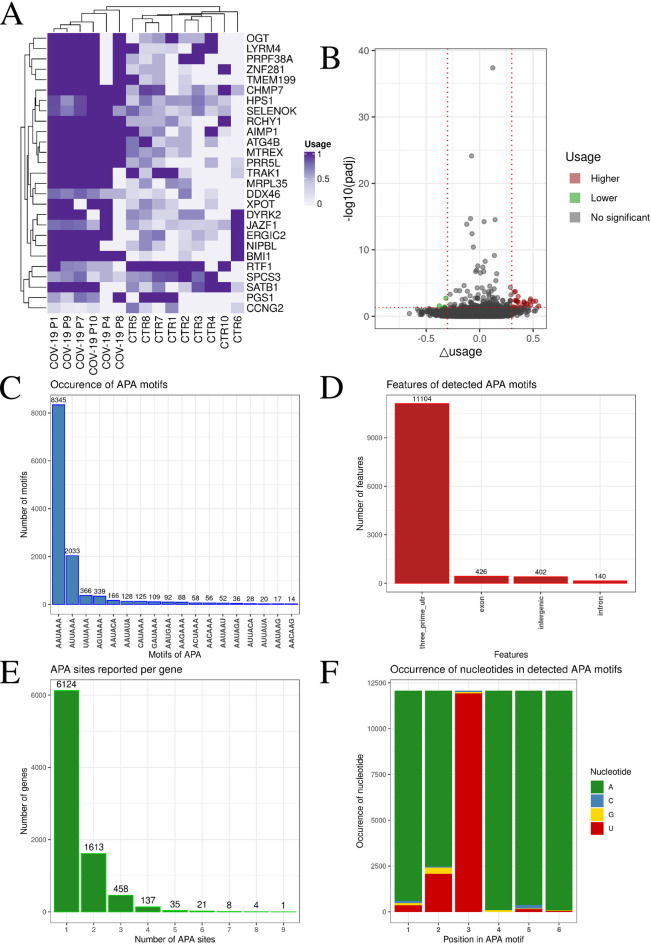 Figure 5
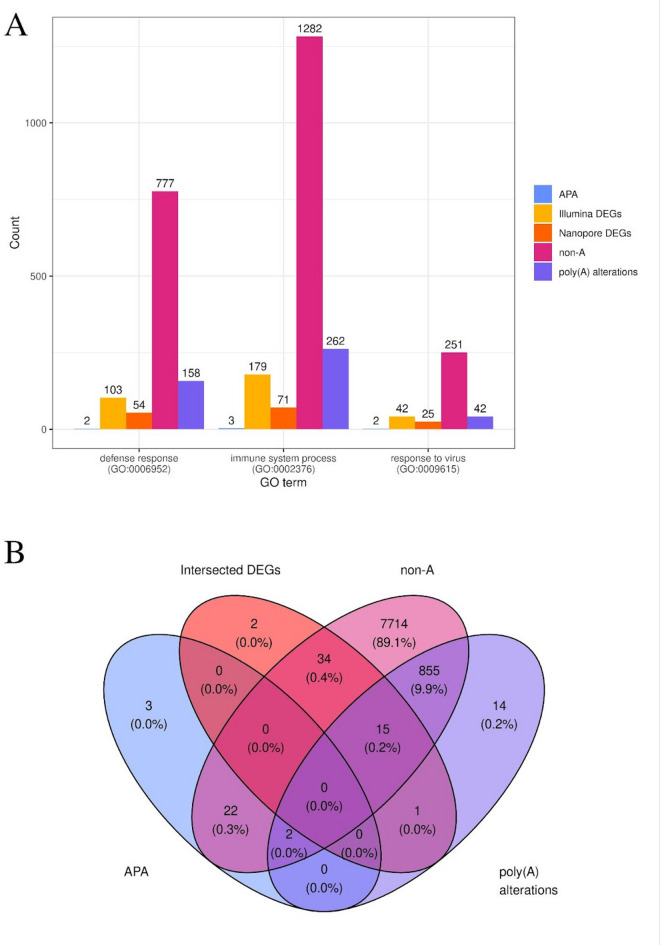 Figure 6
Peer Reviews
No public reviews on file for this paper yet. If you reviewed it on a platform where reviews are public (OpenReview, ICLR, NeurIPS, ICML), you can paste yours below so the community can read it here.
Videos
No videos yet. Explain this paper in a talk, walkthrough, or lecture? Add one.
Taxonomy
TopicsRNA Research and Splicing · Long-Term Effects of COVID-19 · RNA and protein synthesis mechanisms