In-depth behavioral characterization of a rat model of Schaaf-Yang syndrome
Felix Franke, Semih Ertürk, Johann G. Maass, Dominik Kamionek, Tim Schubert, Claudia Pitzer, Susanne Theiß, Christine Fischer, Rachel B. Gilmore, Eva Dwornicki, Colleen R. Bocke, Gina L. C. Yosten, Christian P. Schaaf, Ferdinand Althammer

TL;DR
This study thoroughly examines a rat model of Schaaf-Yang syndrome, revealing behavioral traits that mirror the human condition and support its use for future research.
Contribution
The study introduces a more accurate rat model of Schaaf-Yang syndrome with a truncating mutation in Magel2, offering improved construct validity.
Findings
Magel2Pmut rats show abnormal feeding behavior and early social communication changes.
The model exhibits gait alterations, elevated plus maze abnormalities, and delayed decision-making.
Abnormal social interaction phenotypes were confirmed in Magel2Pmut rats.
Abstract
Schaaf-Yang syndrome (SYS, OMIM #615547) is a rare neurodevelopmental disorder caused by truncating variants in the maternally imprinted MAGEL2 gene. It is characterized by intellectual disability, autism spectrum disorder, joint contractures, and feeding difficulties. Although MAGEL2 is deleted in most cases of Prader-Willi syndrome (PWS, OMIM #176270), SYS presents with more severe symptoms, suggesting pathogenic effects of truncated MAGEL2 beyond a mere loss of function. This study expands the behavioral characterization of a novel rat model (“Magel2Pmut rats”) which carries a truncating mutation on the paternal allele of Magel2, offering greater construct validity for SYS than previous animal models with Magel2 deletion. While an initial study provided first insights, key domains within the behavioral phenotype of the model remained unexplored. Our comprehensive behavioral analysis,…
Genes, proteins, chemicals, diseases, species, mutations and cell lines named across the full text — each resolved to its canonical identifier and authoritative record.
Click any figure to enlarge with its caption.
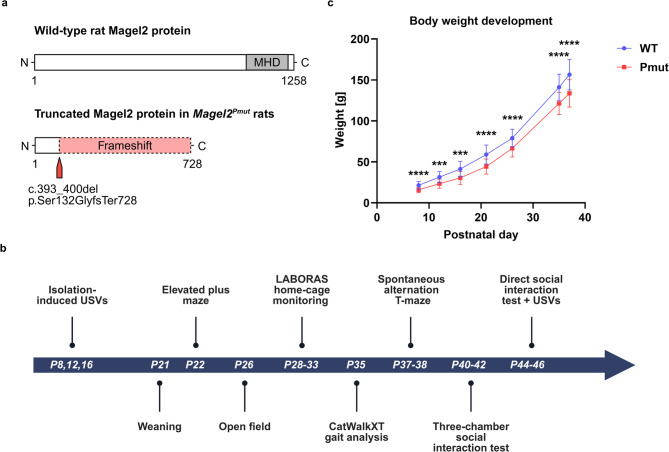 Figure 1
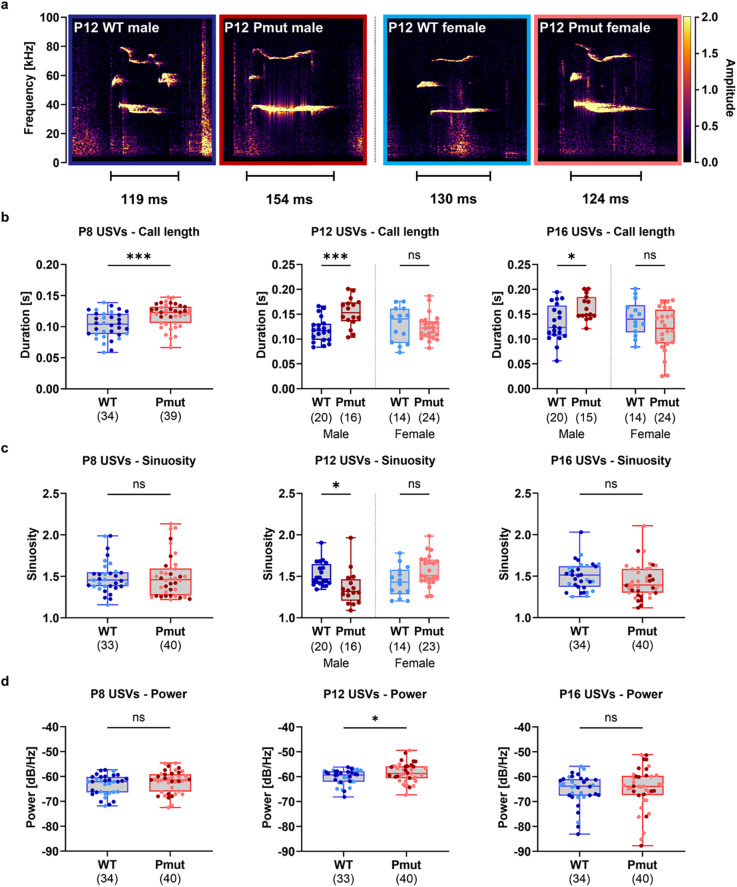 Figure 2
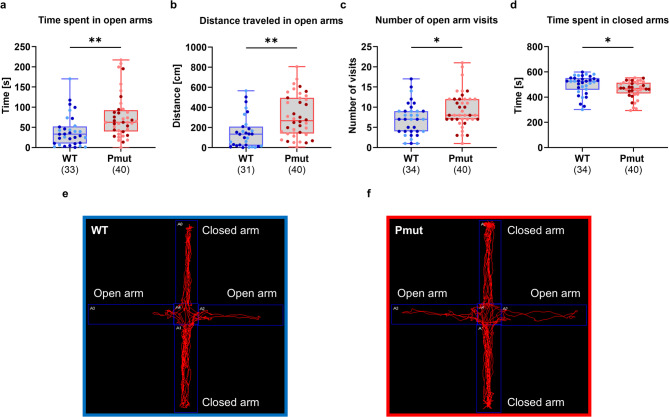 Figure 3
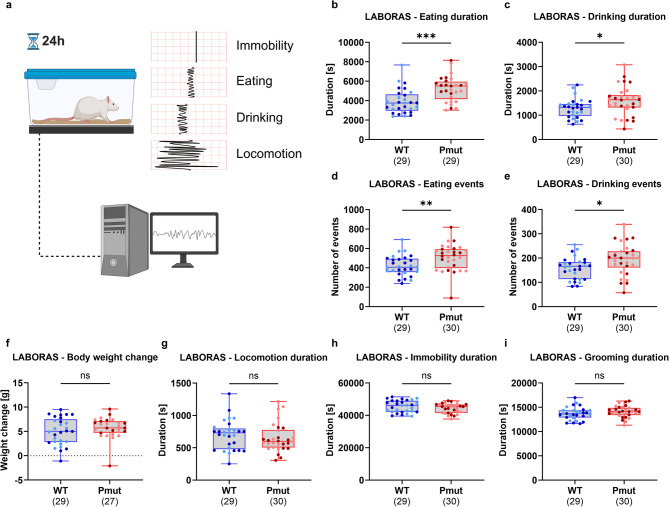 Figure 4
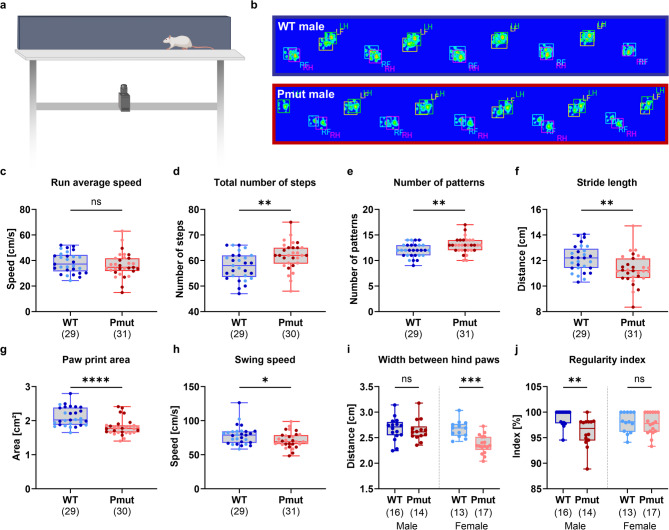 Figure 5
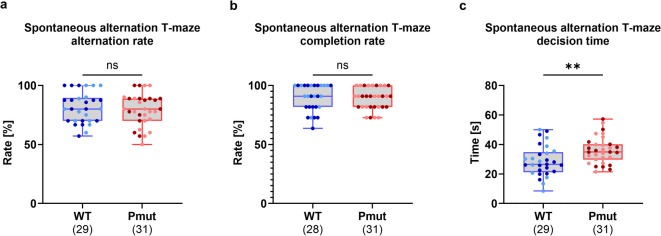 Figure 6
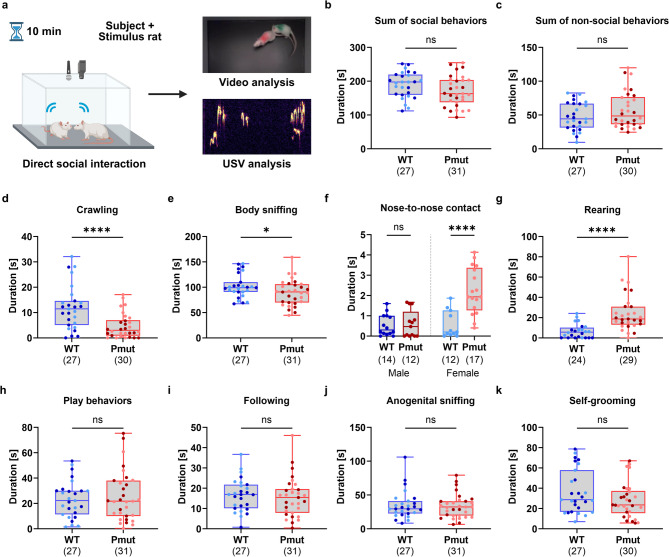 Figure 7
Peer Reviews
No public reviews on file for this paper yet. If you reviewed it on a platform where reviews are public (OpenReview, ICLR, NeurIPS, ICML), you can paste yours below so the community can read it here.
Videos
No videos yet. Explain this paper in a talk, walkthrough, or lecture? Add one.
Taxonomy
TopicsGenetic Syndromes and Imprinting · Genetics and Neurodevelopmental Disorders · Neurogenetic and Muscular Disorders Research