Multi-modal omics analysis of a paediatric melanoma highlights mechanisms underlying treatment resistance
Marlena Mucha, Sebastian Bühner, Maurice Loßner, Victoria E. Fincke, Nic G. Reitsam, Felix Dorn, Dajana Lobbes, Katharina Gastberger, Tobias Schuster, Sebastian Dintner, Christopher Schroeder, Ines B. Brecht, Dominik T. Schneider, Bruno Märkl, Michael C. Frühwald

TL;DR
This study analyzed a rare and aggressive melanoma in a young child to uncover molecular changes that caused rapid cancer progression and treatment resistance.
Contribution
The study reveals spatially variable molecular features in pediatric melanoma that may drive treatment resistance and rapid progression.
Findings
The tumor showed high genetic and transcriptomic diversity with increased MITF and BRAF gene copies.
VEGFA and WNT signaling pathways were activated, along with abnormal immune therapy-related gene activity.
Spatial variation in molecular features suggests complex tumor heterogeneity contributing to treatment failure.
Abstract
Cutaneous malignant melanoma is a common cancer in adults but extremely rare in young children, affecting fewer than one child per million each year in Europe. Because of its rarity, most treatments for children are adapted from adult therapies, despite possible biological differences. This study aimed to explore the molecular features of a rare and aggressive melanoma in a 16-month-old patient to understand disease progression and treatment resistance. We studied the tumour and metastases of a patient with a melanoma carrying an NRAS mutation, who received chemotherapy and immune checkpoint inhibitor treatment. The patient died 10 months after diagnosis. We used DNA methylation analysis, single-nucleus RNA sequencing, and deep spatial transcriptomic profiling to examine genetic changes, gene activity, and their spatial distribution in both the primary tumour and lymph node metastases.…
Genes, proteins, chemicals, diseases, species, mutations and cell lines named across the full text — each resolved to its canonical identifier and authoritative record.
Click any figure to enlarge with its caption.
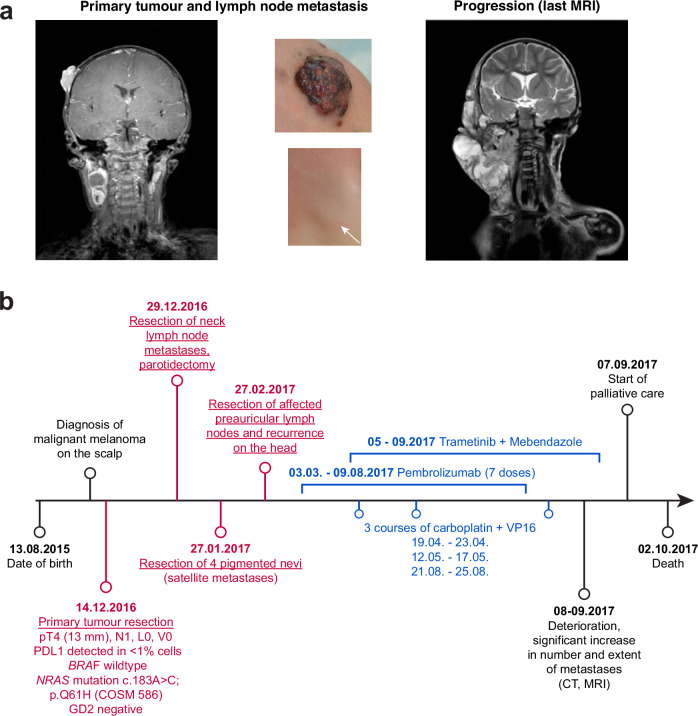 Figure 1
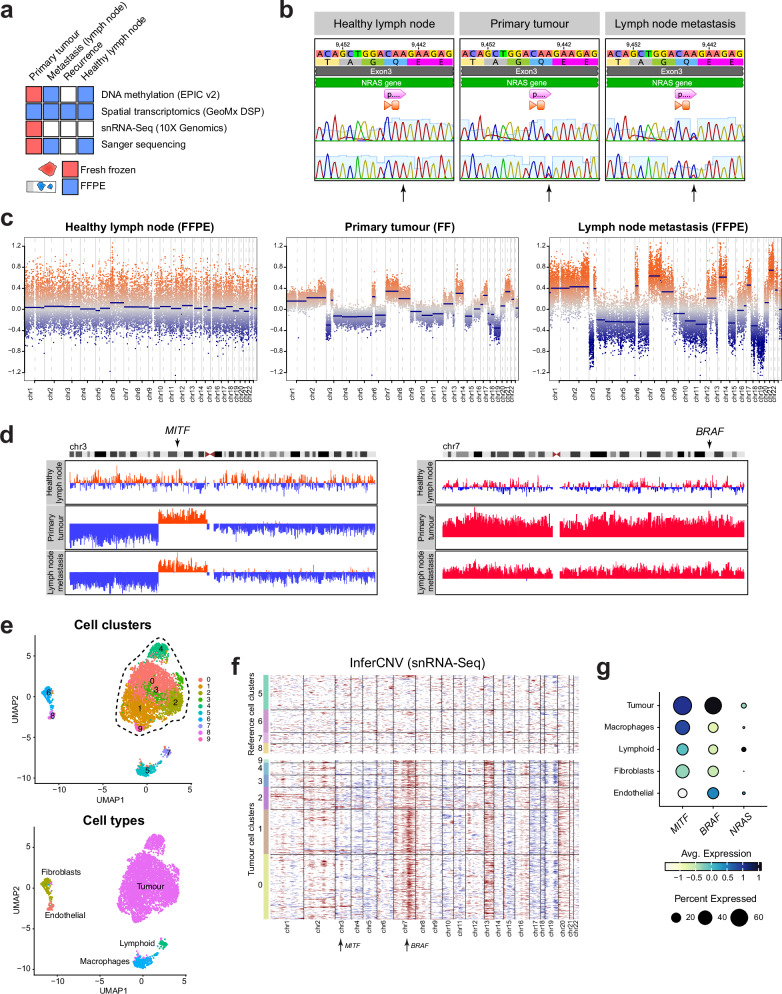 Figure 2
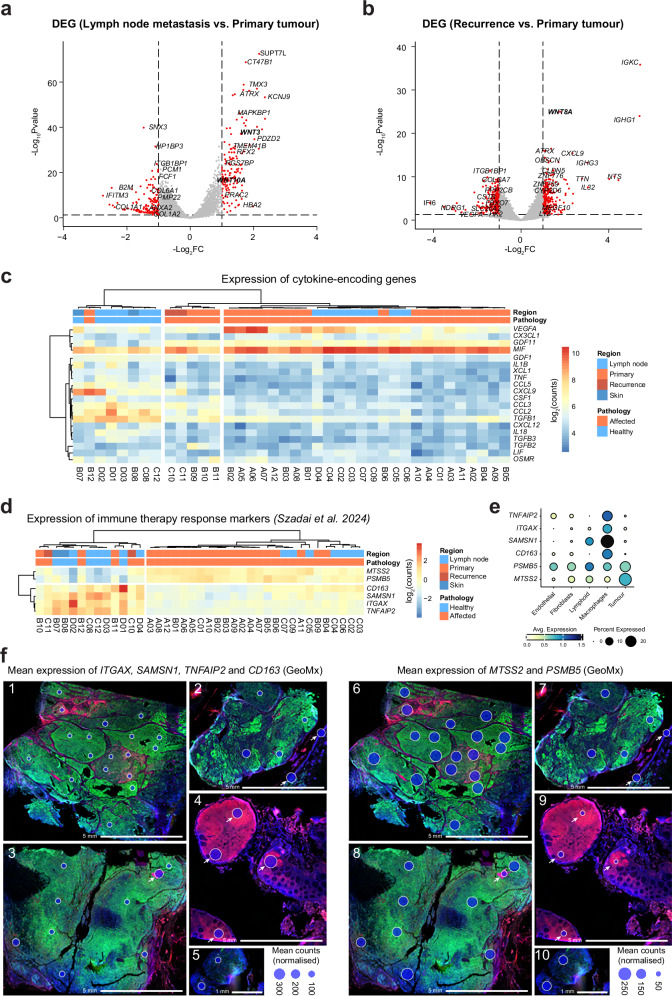 Figure 3
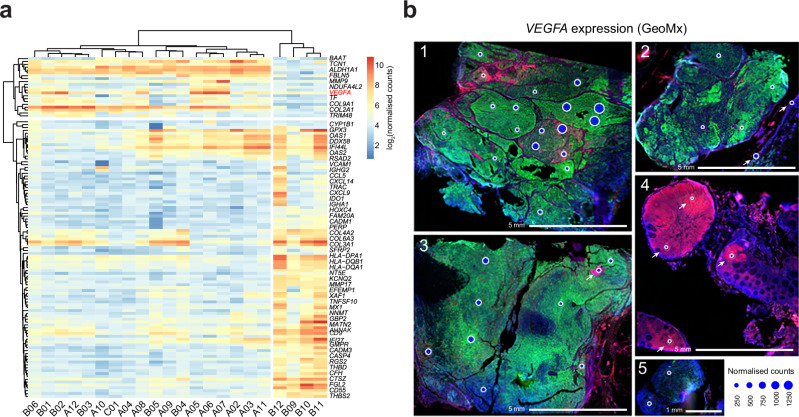 Figure 4
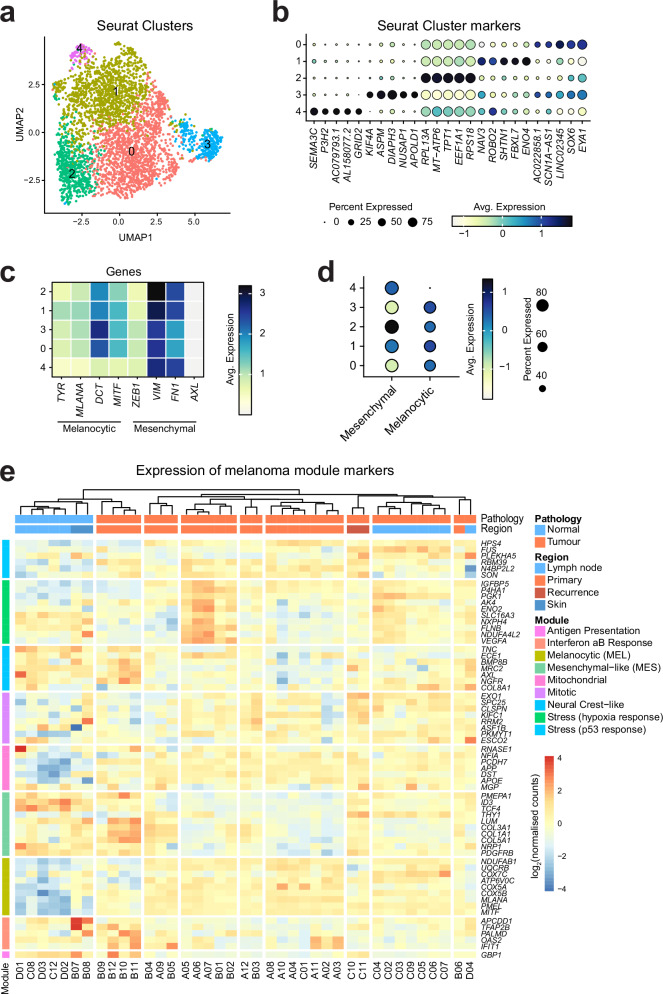 Figure 5
Peer Reviews
No public reviews on file for this paper yet. If you reviewed it on a platform where reviews are public (OpenReview, ICLR, NeurIPS, ICML), you can paste yours below so the community can read it here.
Videos
No videos yet. Explain this paper in a talk, walkthrough, or lecture? Add one.
Taxonomy
TopicsCutaneous Melanoma Detection and Management · Melanoma and MAPK Pathways · Ocular Oncology and Treatments