Contribution of the different Neisseria gonorrhoeae lipooligosaccharide structural variants to functional responses elicited by GMMA outer membrane vesicles
R. Cuffaro, G. Buffi, G. Romagnoli, M. Giuliani, D. Proietti, M. Zambelli, M. Spinsanti, A. G. O. Manetti, M. Fabbrini, S. Savino, G. Giordano, I. Delany, E. Bartolini, S. Ram, M. R. Romano, I. Margarit, F. Carboni

TL;DR
This study explores how different sugar structures on the surface of Neisseria gonorrhoeae affect immune responses, aiming to inform better vaccine design.
Contribution
The study identifies specific lipooligosaccharide structures that elicit cross-strain protective immune responses.
Findings
Antibodies targeting long α-chain LOS showed bactericidal activity against multiple gonococcal isolates.
Antibodies recognizing β-chain LOS and the 2C7 epitope inhibited bacterial adhesion more broadly.
Defined LOS structures may be key to eliciting cross-strain protective immunity.
Abstract
Despite decades of research, an effective vaccine against Neisseria gonorrhoeae remains elusive due to the pathogen's antigenic variability and immune evasion capabilities. Retrospective studies of OMV-based meningococcal vaccines have shown a partial effectiveness against gonorrhea, reigniting hopes for a feasible vaccine. Our study focused on the role of gonococcal lipooligosaccharides (LOS), the most abundant antigens on the surface, in stimulating functional immune responses. By employing detoxified OMV from Neisseria gonorrhoeae isogenic strains expressing different LOS glycoforms, we observed that antibodies targeting LOS with long α-chain oligosaccharides correlated with bactericidal activity against a wide range of gonococcal isolates, whereas antibodies that also recognized the β-chain and consequently the 2C7 epitope could achieve a broader bacterial adhesion-inhibiting…
Genes, proteins, chemicals, diseases, species, mutations and cell lines named across the full text — each resolved to its canonical identifier and authoritative record.
Click any figure to enlarge with its caption.
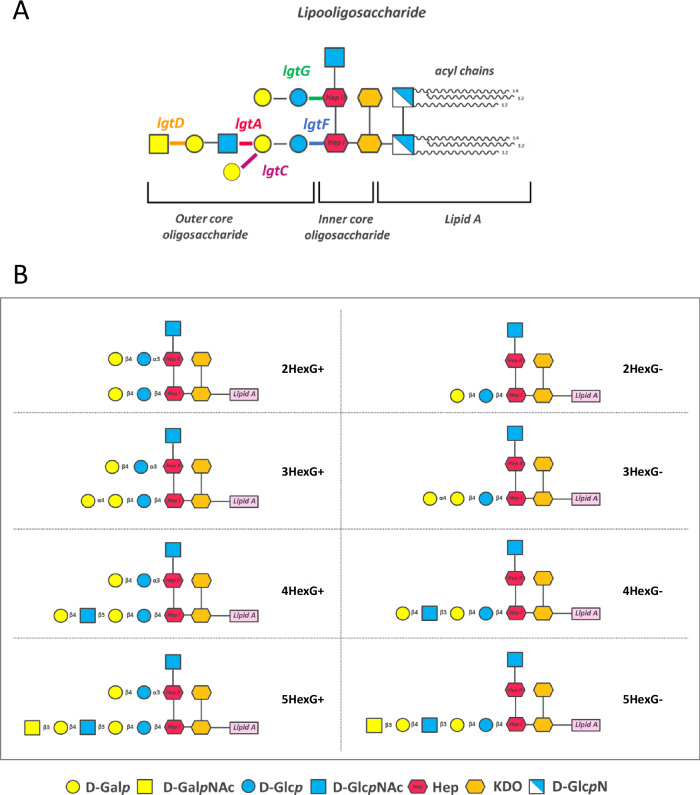 Figure 1
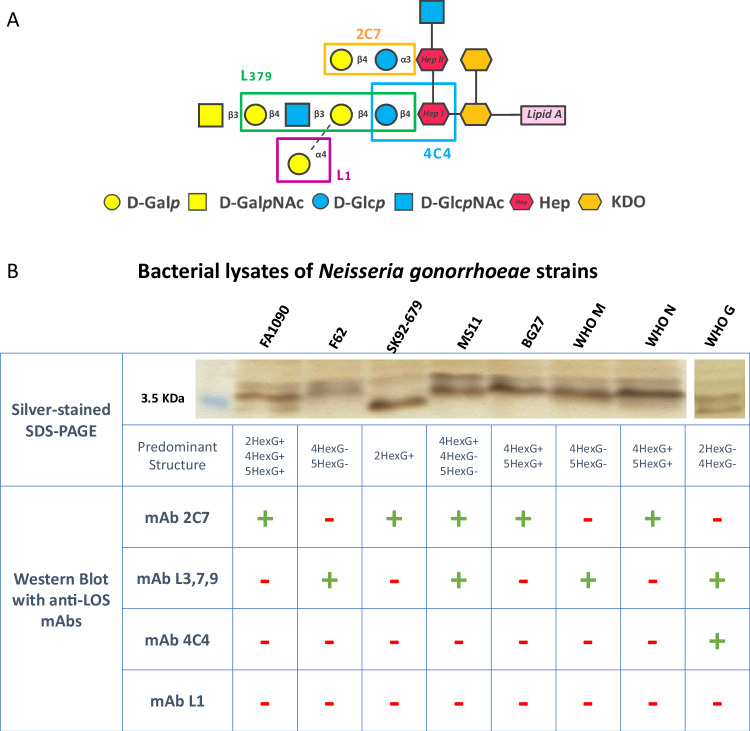 Figure 2
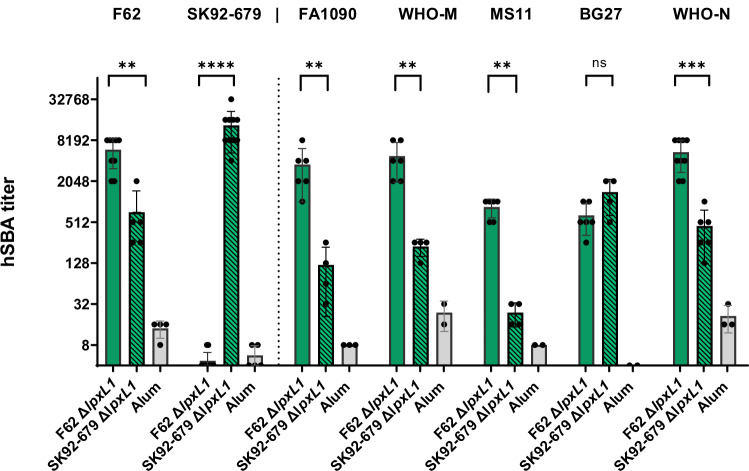 Figure 3
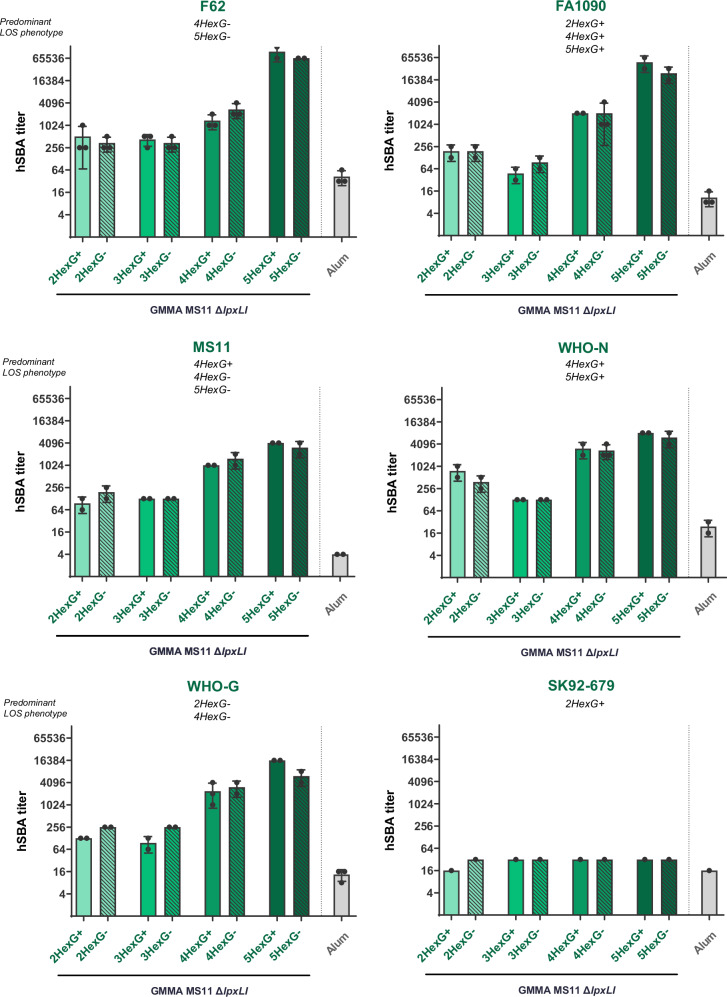 Figure 4
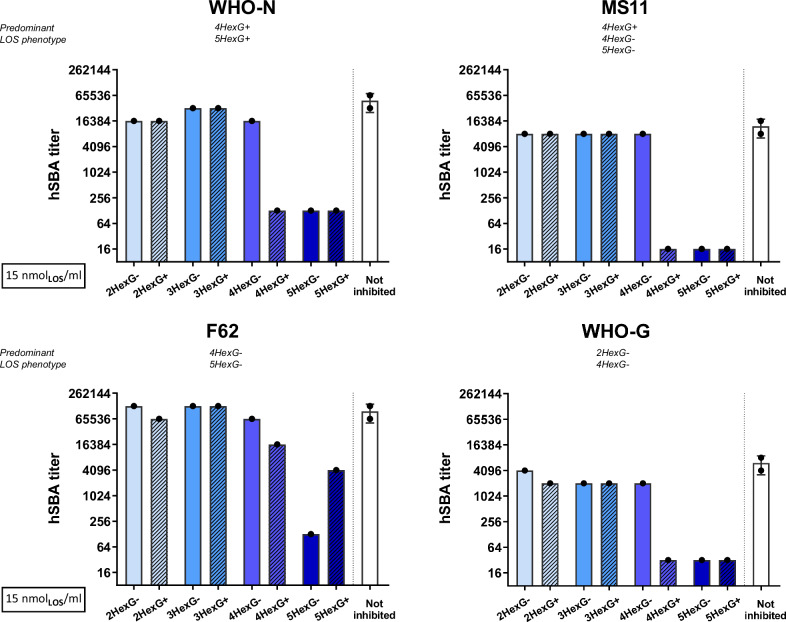 Figure 5
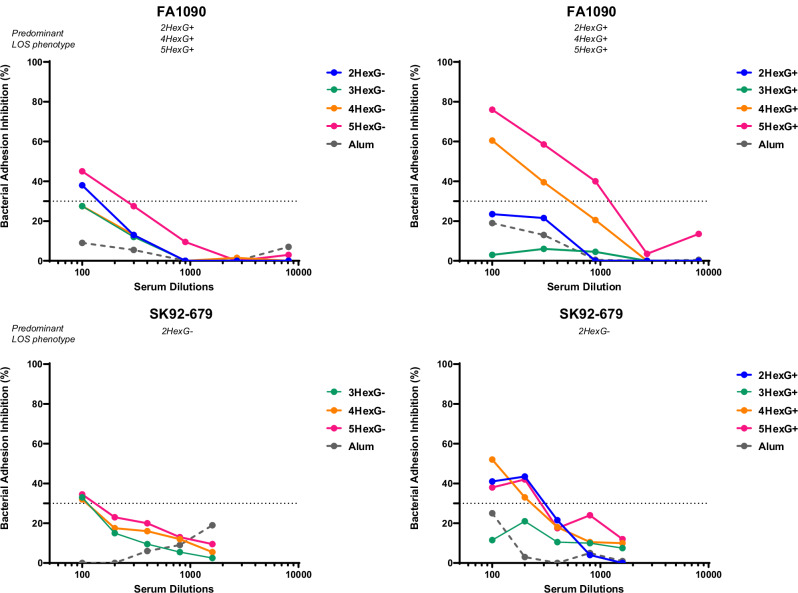 Figure 6
Peer Reviews
No public reviews on file for this paper yet. If you reviewed it on a platform where reviews are public (OpenReview, ICLR, NeurIPS, ICML), you can paste yours below so the community can read it here.
Videos
No videos yet. Explain this paper in a talk, walkthrough, or lecture? Add one.
Taxonomy
TopicsBacterial Infections and Vaccines · Reproductive tract infections research · Microbial infections and disease research