Does Reduced Ball Inflation Pressure in Association Football Decrease Head Impact Kinematics?
Rory England, Suzie Liverseidge, Yusuke Miyazaki, Samuel W. Oxford, Ieuan Phillips, Jon Farmer

TL;DR
This study investigates whether lowering football inflation pressure reduces head impacts during heading, finding it generally effective but not universally so.
Contribution
The study experimentally evaluates the effectiveness of reduced ball inflation pressure as a mitigation strategy for head impacts in football heading.
Findings
Reduced inflation pressure decreased kinematic magnitudes in 90% of impacts, especially for linear acceleration and angular velocity.
The DAMAGE metric showed mixed results, with 12 out of 13 cases showing increased magnitude despite a net overall decrease.
Impact locations and head orientation significantly influenced kinematic outcomes, suggesting the need for sensitivity analysis in future studies.
Abstract
Apparent degeneration in brain health due to heading the football is amongst the most pressing and contentious health-related questions in sport (Keogh F, Pirks N (2024) “Pain was sickening”—Ex-players on heading fears. In: BBC). The purpose of this study was to thoroughly explore the effectiveness of reduced inflation pressure as an intervention to reduce head kinematics from a ball to head impact. The influence of impact location, head orientation, neck flexion angle and ball type on the intervention were experimentally investigated. A Hybrid III head and neck was impacted in frontal and oblique locations with two modern footballs that were projected using a bespoke launch device. Peak linear acceleration, peak angular velocity, peak angular acceleration and DAMAGE metrics were calculated for a total of 34 permutations of impact variables at two inflation pressures. Magnitude was…
Genes, proteins, chemicals, diseases, species, mutations and cell lines named across the full text — each resolved to its canonical identifier and authoritative record.
Click any figure to enlarge with its caption.
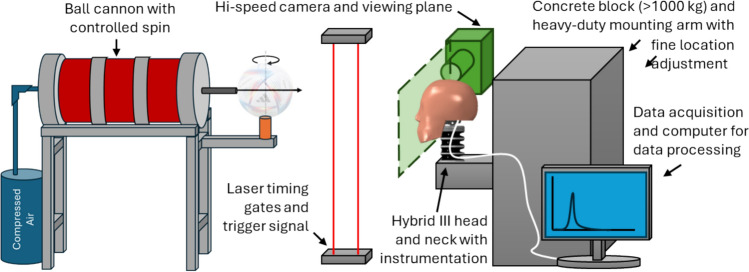 Figure 1
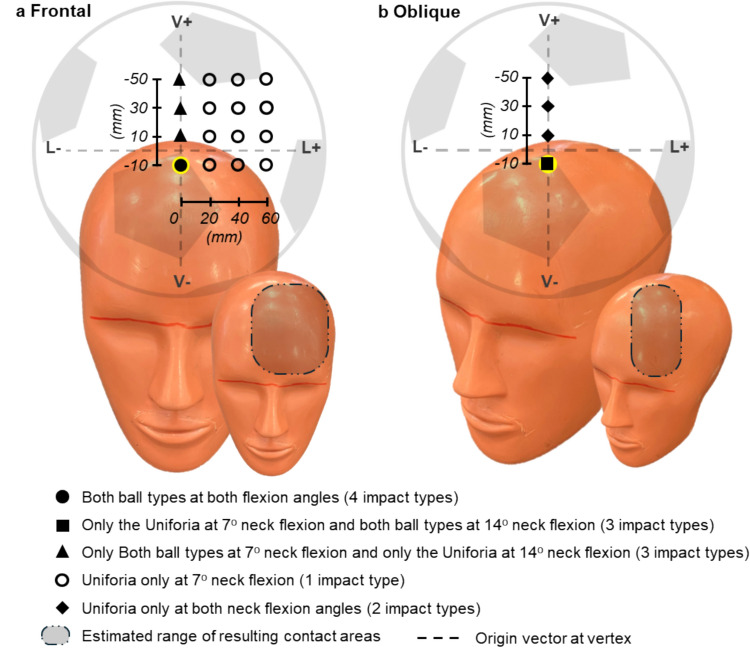 Figure 2
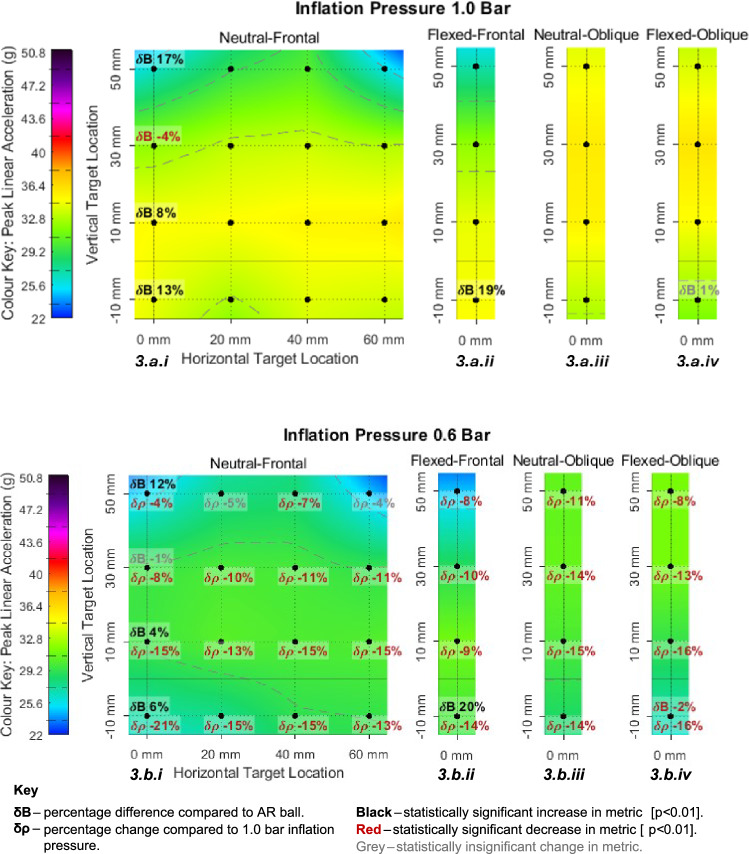 Figure 3
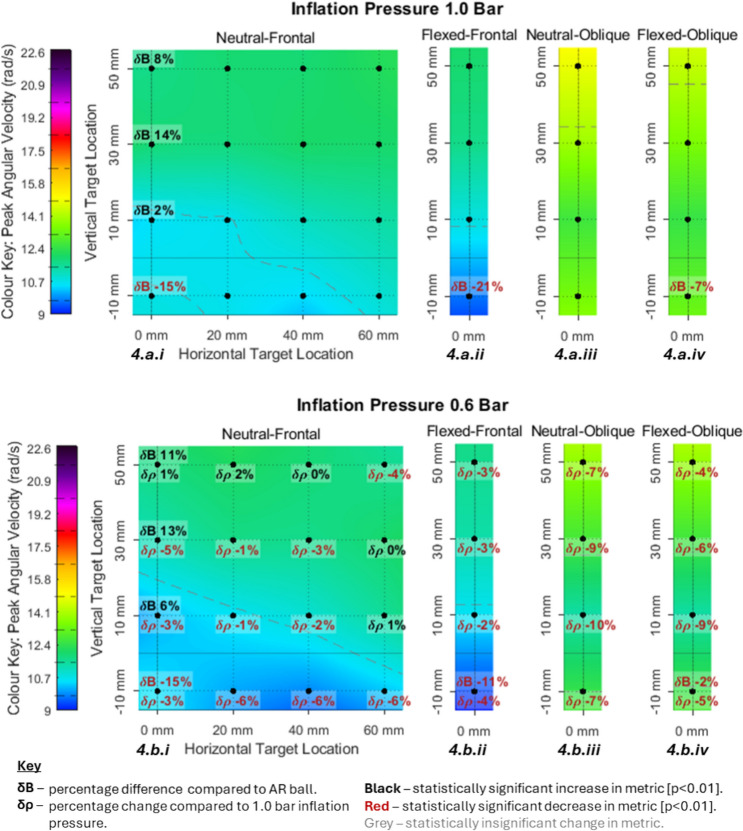 Figure 4
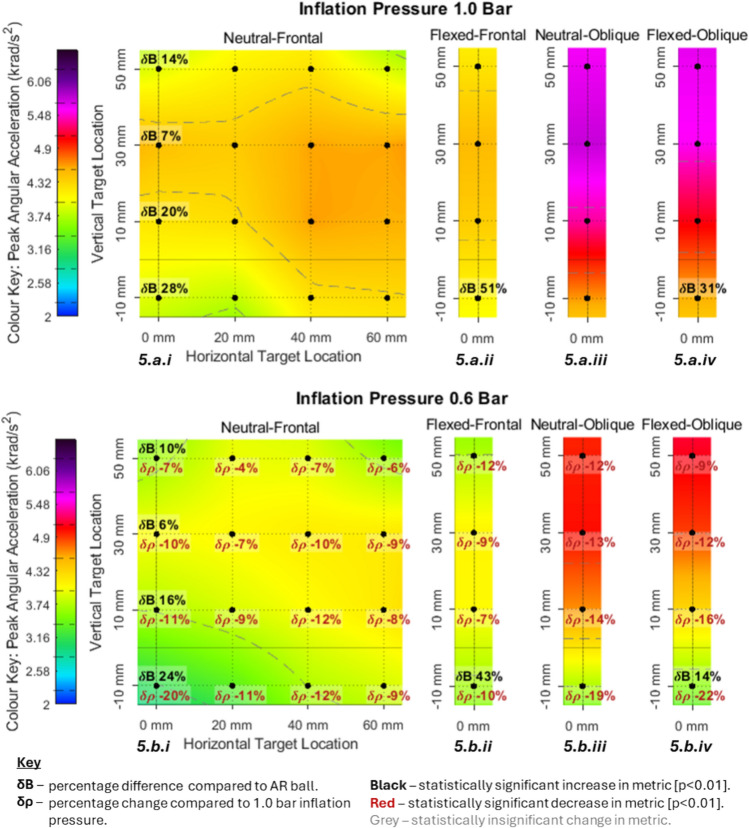 Figure 5
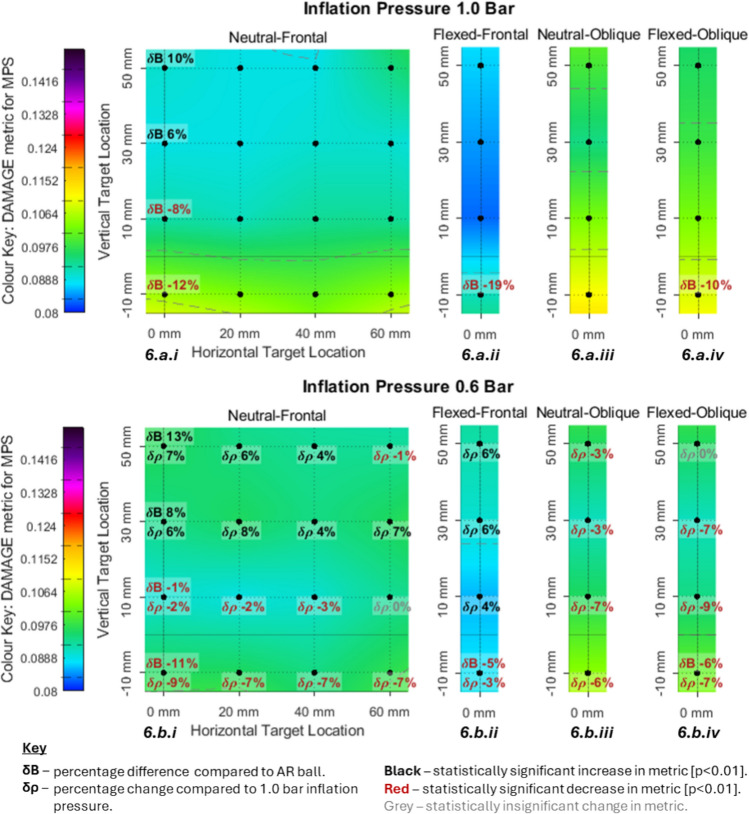 Figure 6
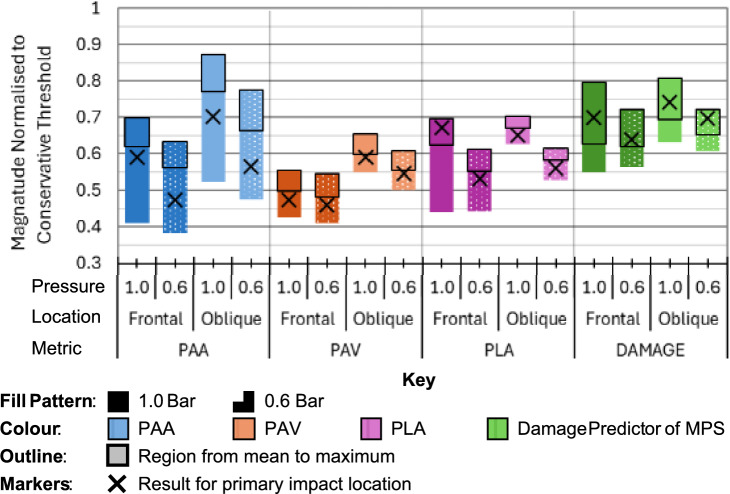 Figure 7
Peer Reviews
No public reviews on file for this paper yet. If you reviewed it on a platform where reviews are public (OpenReview, ICLR, NeurIPS, ICML), you can paste yours below so the community can read it here.
Videos
No videos yet. Explain this paper in a talk, walkthrough, or lecture? Add one.
Taxonomy
TopicsAutomotive and Human Injury Biomechanics · Traumatic Brain Injury Research · Injury Epidemiology and Prevention