Encapsulation of Saccharomyces boulardii into sugar pellets coated with an enteric polymer
Karla Lilian Bailon-Barceinas, Zacnite Sánchez-Portilla, Alma Delia Román-Gutiérrez, Luz María Melgoza-Contreras, Raquel González-Vázquez, Lino Mayorga-Reyes, María Angélica Gutiérrez-Nava

TL;DR
Researchers developed a new way to protect probiotic yeast during digestion, ensuring more live cells reach the intestines.
Contribution
A modified release system using enteric polymer coatings to preserve Saccharomyces boulardii viability during gastric passage.
Findings
Coating sugar pellets with Eudragit® S12.5 increased S. boulardii viability during manufacturing and simulated gastric conditions.
Pellets with 10% polymer coating showed higher viability (88.7%) compared to 5% coating (92.6%) after extended processing.
Under alkaline conditions, 87% of S. boulardii was released from 10% coated pellets within 20 minutes.
Abstract
Many current probiotic products do not optimally release enough viable cells at the site of action due to the loss of viability during manufacturing and passage through the stomach. This work aimed to formulate a modified release system that protects S. boulardii during the manufacturing process and under simulated acidic gastric conditions. S. boulardii was layered to sugar pellets, coated at 5% and 10% with the enteric polymer Eudragit® S12.5, and encapsulated in hard gelatin capsules. During manufacturing, the main determinant of viability was the incorporation of yeast onto the sugar pellets. The viability S. boulardii in the pellets unprotected was 87.7% ± 1% after 80 min, whereas coating of unprotected pellets with 5% polymer required 54 additional min (total: 134 min) and the viability was 92.6% ± 1%, while 10% coating took 55 additional min (total: 189 min) and viability was…
Genes, proteins, chemicals, diseases, species, mutations and cell lines named across the full text — each resolved to its canonical identifier and authoritative record.
Click any figure to enlarge with its caption.
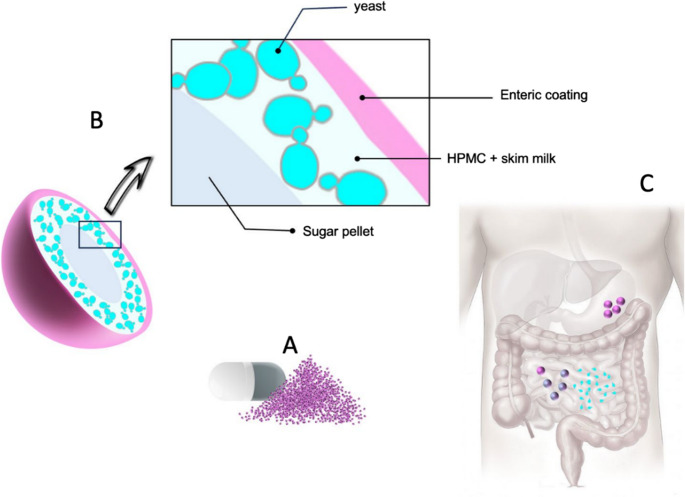 Figure 1
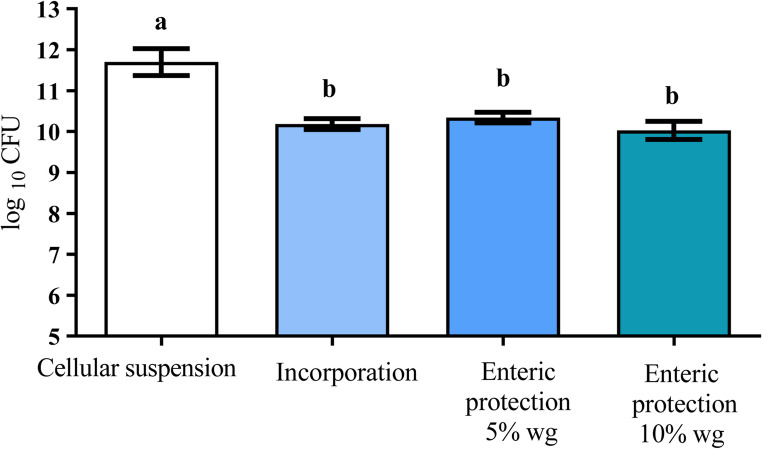 Figure 2
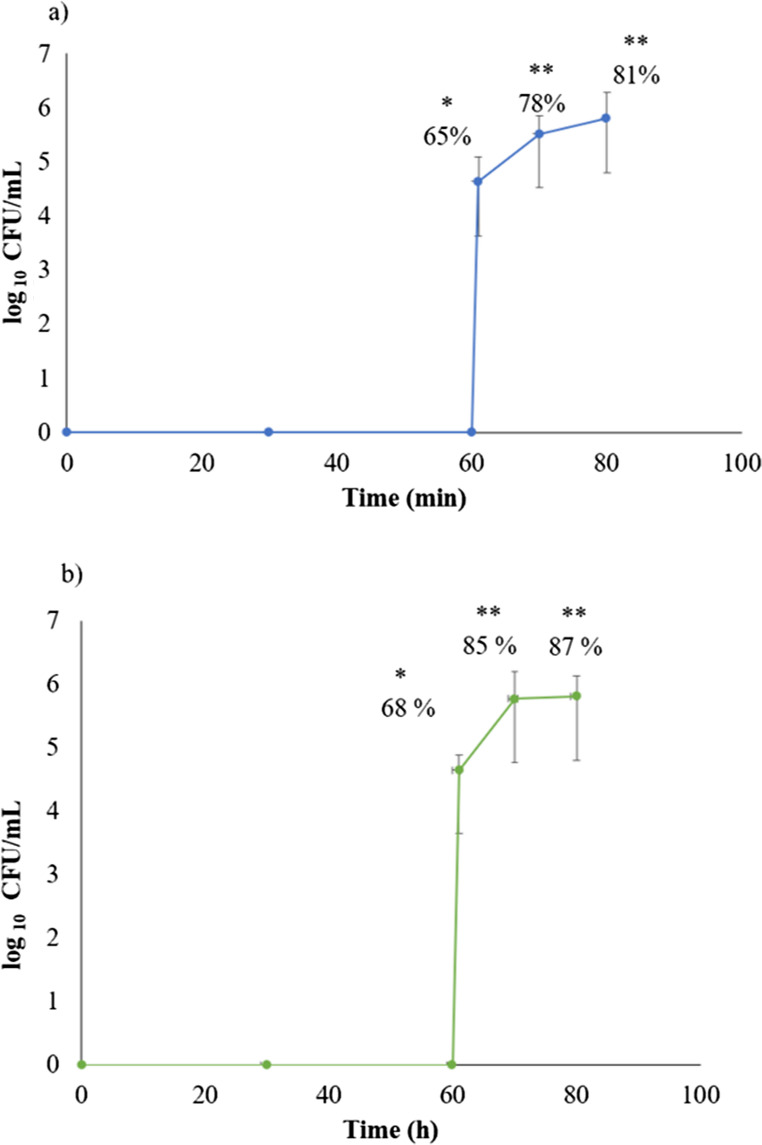 Figure 3
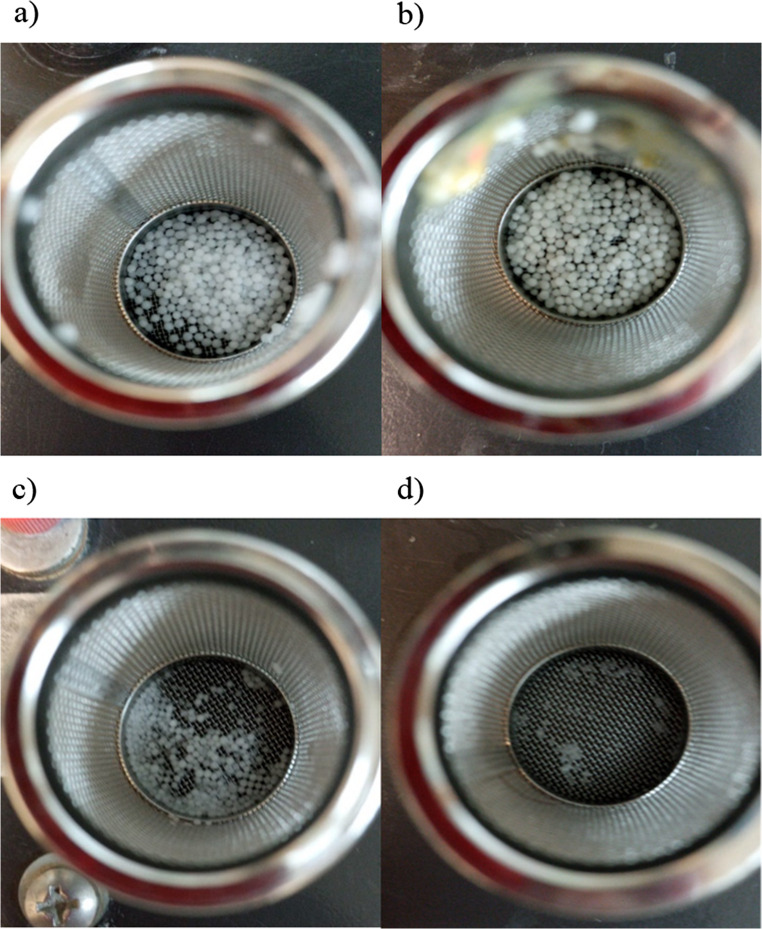 Figure 4
Peer Reviews
No public reviews on file for this paper yet. If you reviewed it on a platform where reviews are public (OpenReview, ICLR, NeurIPS, ICML), you can paste yours below so the community can read it here.
Videos
No videos yet. Explain this paper in a talk, walkthrough, or lecture? Add one.
Taxonomy
TopicsProbiotics and Fermented Foods · Biopolymer Synthesis and Applications · Gastrointestinal motility and disorders