Early Dopaminergic Dysfunction Induces PRO-VGF Changes in Blood and Brain of Rats with Alpha-Synuclein Overexpression
Elias Manca, Sara Corsi, Silvia Fanni, Barbara Noli, Antonio Luigi Manai, Giuseppina Bassu, Corda Giulia, Maria Antonietta Casu, Roberto Frau, Pardon Marie-Christine, Graziella Cappelletti, Samanta Mazzetti, Manolo Carta, Cristina Cocco

TL;DR
This study shows that changes in proVGF occur in the brain and blood of rats with early Parkinson's disease-like symptoms, suggesting it could be an early biomarker.
Contribution
The study identifies proVGF as a potential early biomarker for Parkinson's disease during pre-symptomatic stages.
Findings
Early dopaminergic dysfunction in rats caused reduced proVGF immunostaining in the substantia nigra.
Plasma proVGF levels also decreased, indicating systemic changes during early Parkinson's-like impairment.
Western blot analysis confirmed reduced proVGF in both brain and plasma samples.
Abstract
Previous research revealed a reduction in the VGF immunoreactivity within the substantia nigra (SN) of rats with a 60–90% dopaminergic neuron loss and in the plasma of newly diagnosed Parkinson’s disease (PD) patients. Hence, our aim was to explore whether central and peripheral proVGF changes occur during early dopaminergic dysfunction. To investigate this, we employed a rat model mimicking early-stage PD by injecting the SN unilaterally with an adeno-associated virus (AAV) carrying either the human α-synuclein (α-syn; n = 19) or green fluorescent protein (GFP; n = 18) gene. After conducting motor assessments and sacrificing the animals, brain and blood samples were collected. Tyrosine hydroxylase (TH)-, glutamic acid decarboxylase (GAD)-, and phosphorylated (p)-α-syn antibodies were used for immunohistochemistry (IHC), while an antibody targeting the C-terminus of proVGF was employed…
Genes, proteins, chemicals, diseases, species, mutations and cell lines named across the full text — each resolved to its canonical identifier and authoritative record.
Click any figure to enlarge with its caption.
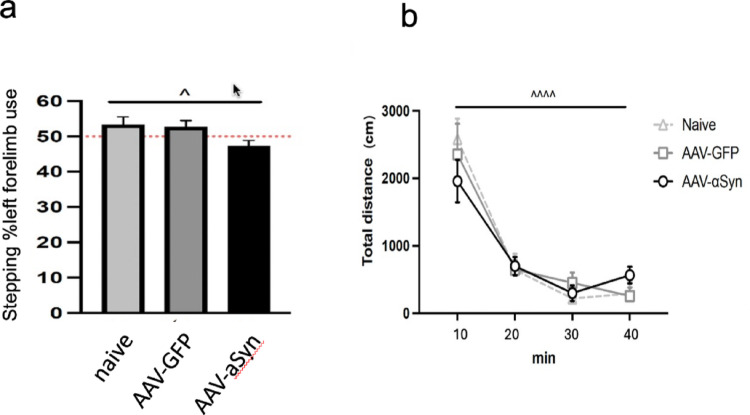 Figure 1
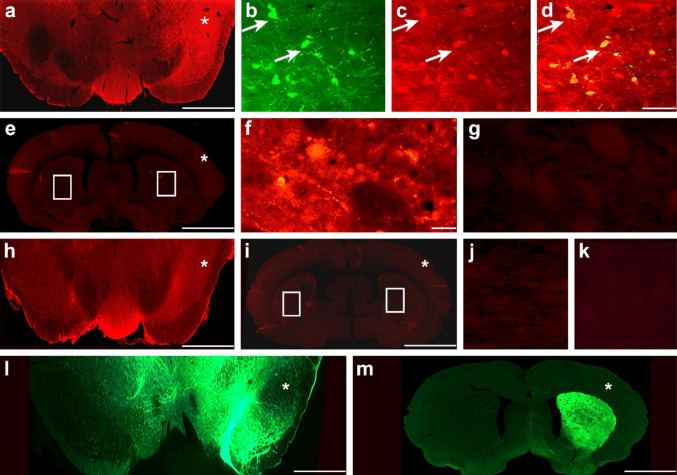 Figure 2
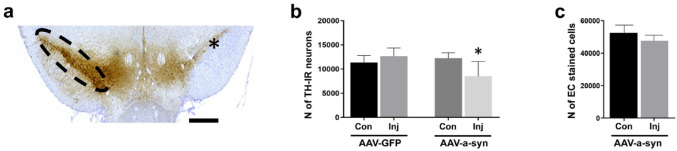 Figure 3
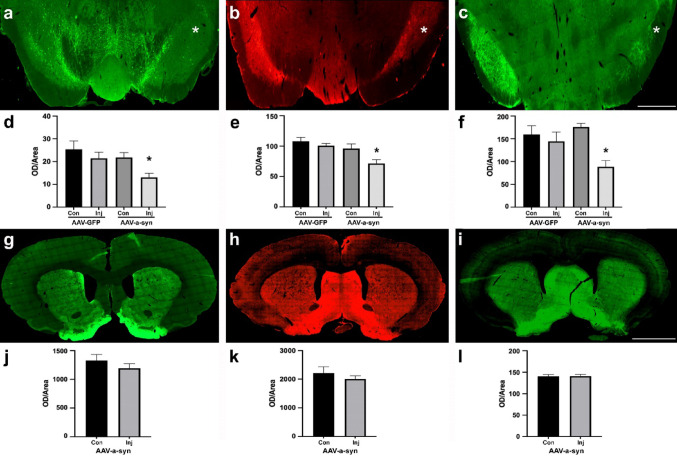 Figure 4
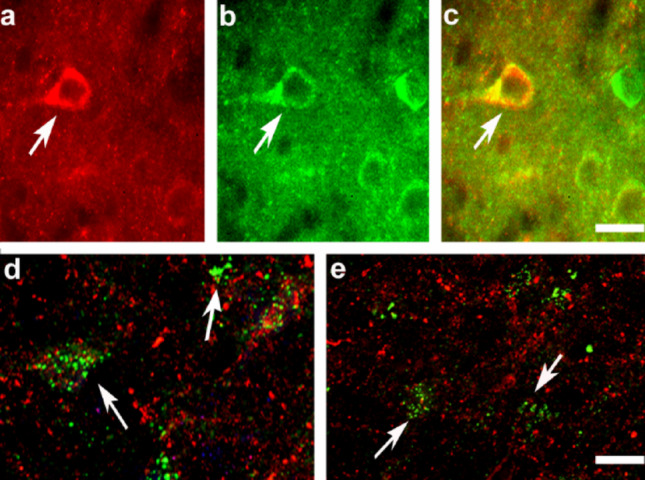 Figure 5
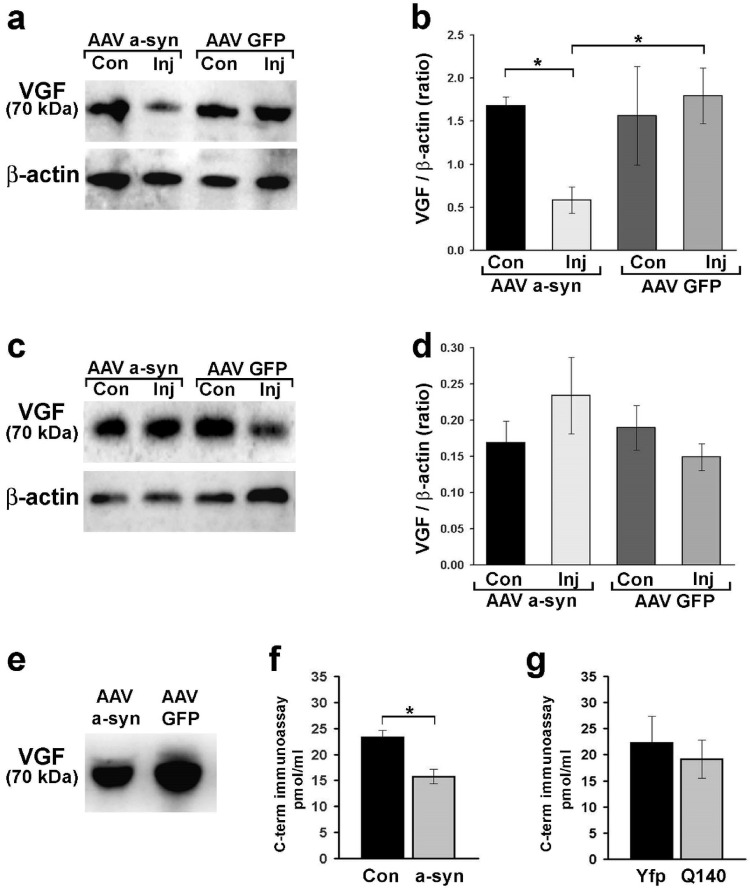 Figure 6
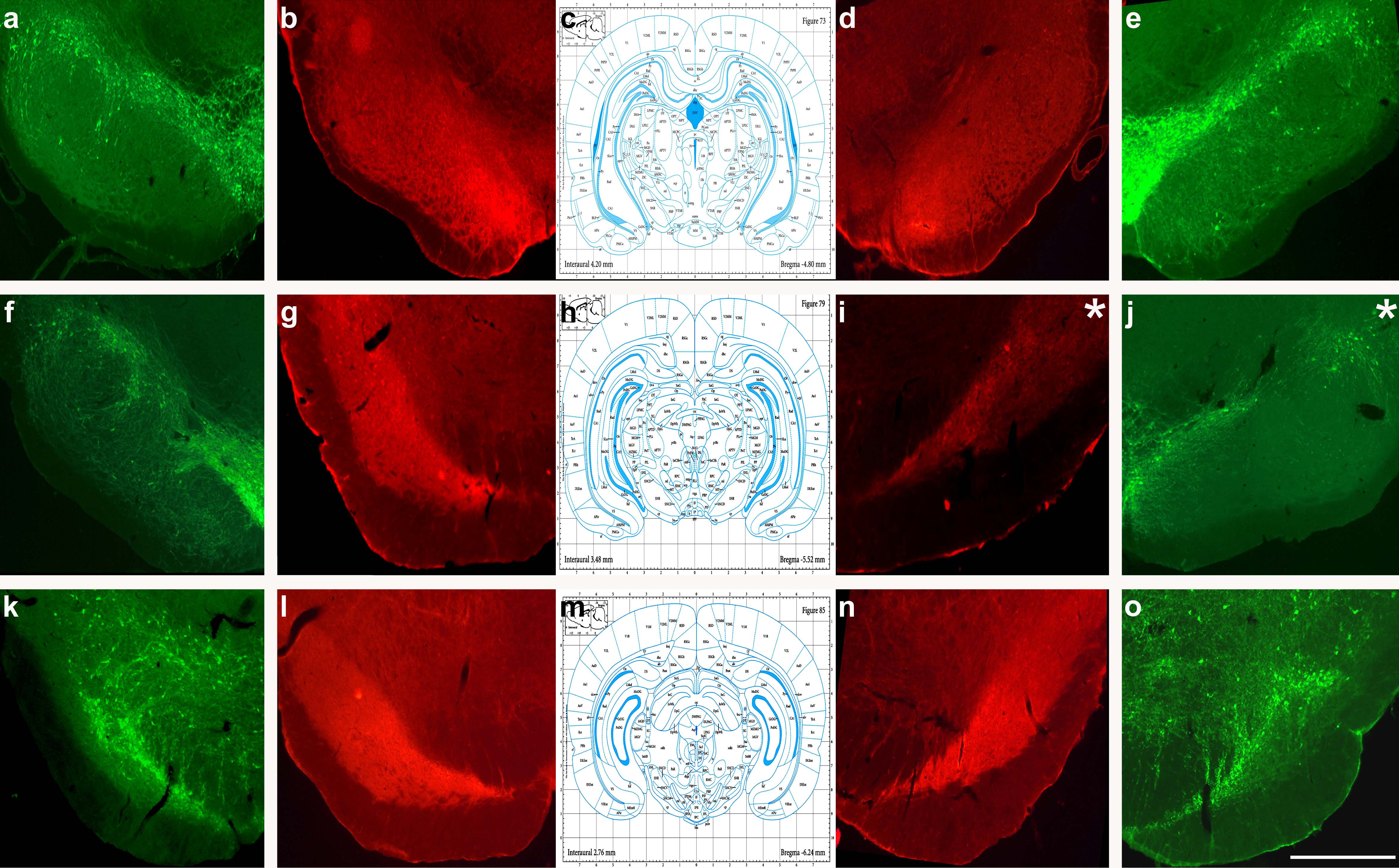 Figure 7
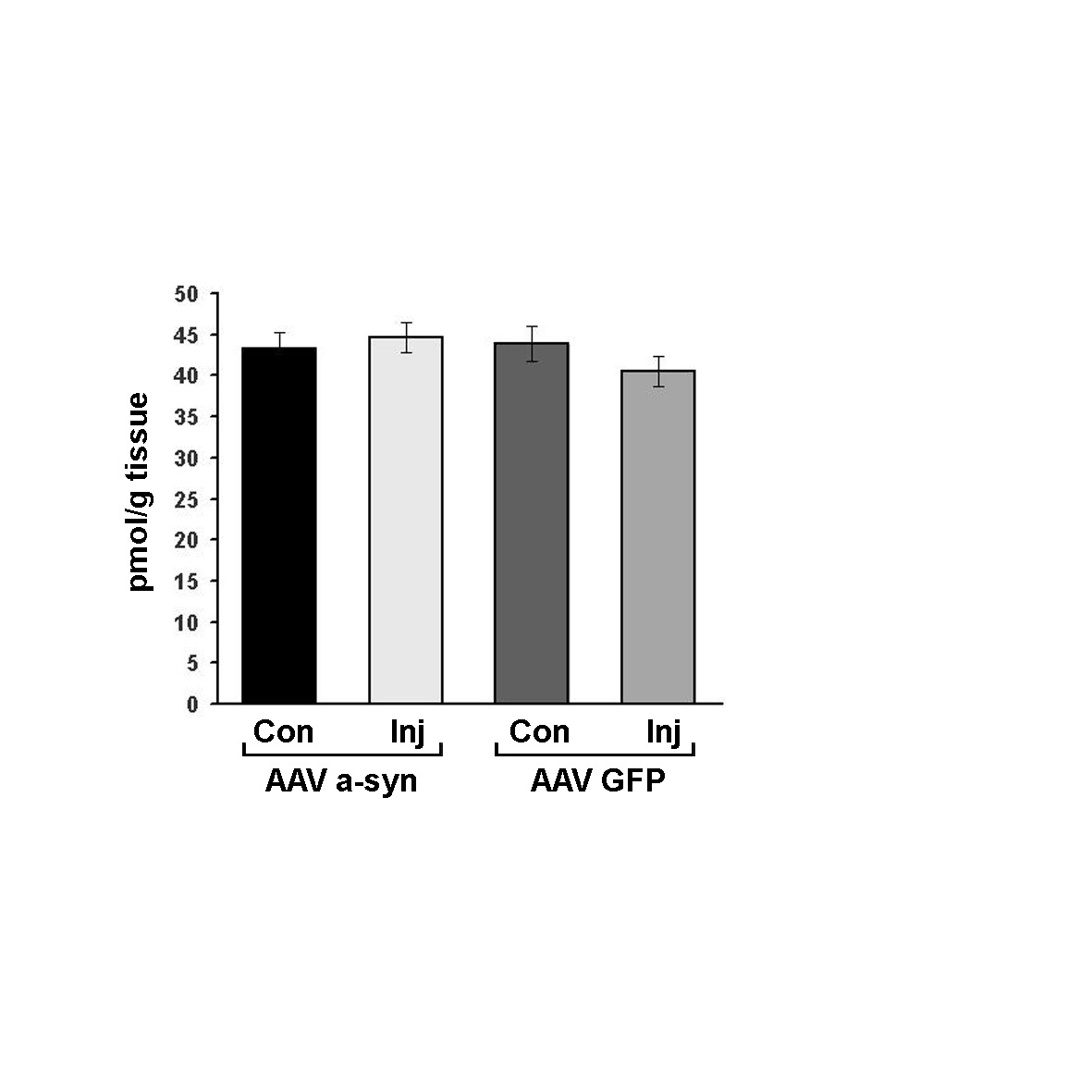 Figure 8
Peer Reviews
No public reviews on file for this paper yet. If you reviewed it on a platform where reviews are public (OpenReview, ICLR, NeurIPS, ICML), you can paste yours below so the community can read it here.
Videos
No videos yet. Explain this paper in a talk, walkthrough, or lecture? Add one.
Taxonomy
TopicsParkinson's Disease Mechanisms and Treatments · Neurological disorders and treatments · Genetic Neurodegenerative Diseases