Innovative Approaches in Microtia Treatment: Advancements in Tissue Engineering and Scaffold Design
Jael Adrián Vergara-Lope Núñez, Juan Moisés Ocampo-Godínez, Febe Carolina Vàzquez-Vàzquez, Armando Apellaniz-Campo, Edgar Oliver Lopez Villegas, Marco Antonio Álvarez-Pérez

TL;DR
This paper reviews new tissue engineering methods for treating microtia, a birth defect of the ear, to improve appearance and reduce surgical risks.
Contribution
The paper introduces innovative tissue engineering and scaffold design approaches as alternatives to traditional microtia treatments.
Findings
Current treatments like MEDPOR® and the Nagata technique have significant drawbacks including color mismatch and surgical risks.
Tissue engineering offers a promising alternative by using scaffolds and cellular support for auricle reconstruction.
Advancements in scaffold fabrication could lead to better aesthetic and functional outcomes for microtia patients.
Abstract
Facial symmetry is paramount in societal perceptions of attractiveness, with symmetric faces receiving higher ratings. This is particularly relevant for individuals with microtia, a congenital condition affecting external ear formation, who often experience psychosocial challenges such as anxiety and depression. Auricular prostheses and High-density porous polyethylene (MEDPOR®) offer an aesthetic solution. However, they are related to disadvantages like color mismatches, periodic replacement, and skin infections. Currently, the Nagata technique, regarded as the "gold standard" for microtia treatment, involves a two-step surgical procedure using autologous rib cartilage to reconstruct the auricle. Despite its widespread use, this method is highly invasive and associated with significant risks, including chronic pain, skin necrosis, and variable aesthetic outcomes dependent on the…
Genes, proteins, chemicals, diseases, species, mutations and cell lines named across the full text — each resolved to its canonical identifier and authoritative record.
Click any figure to enlarge with its caption.
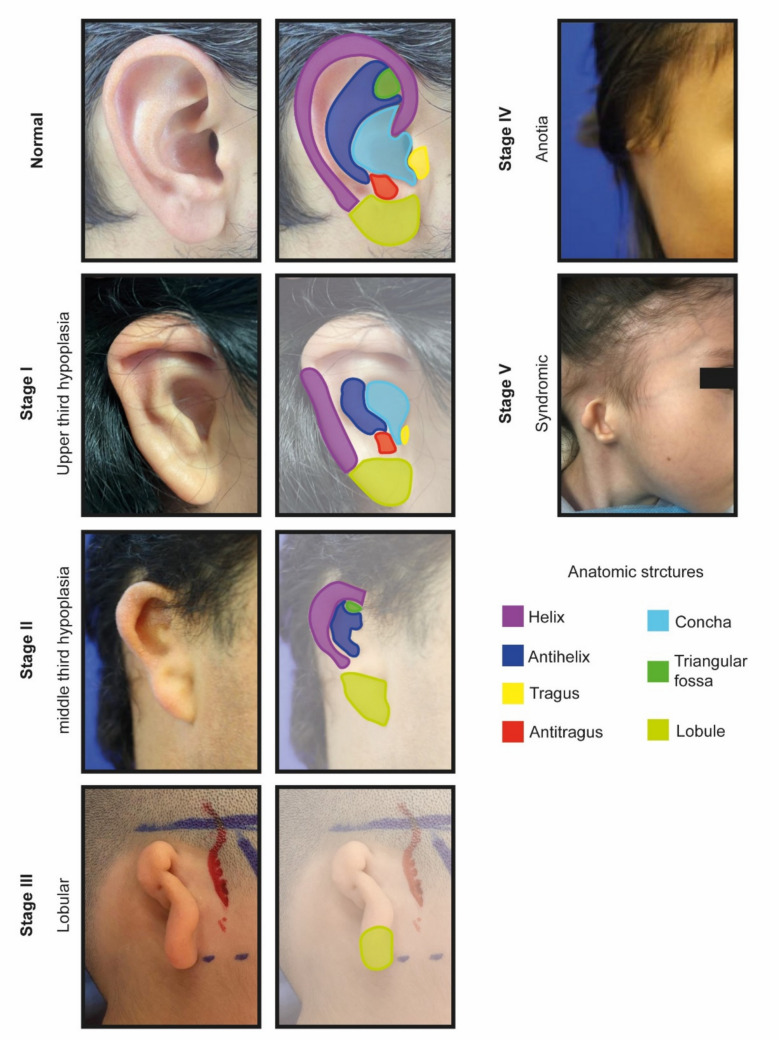 Figure 1
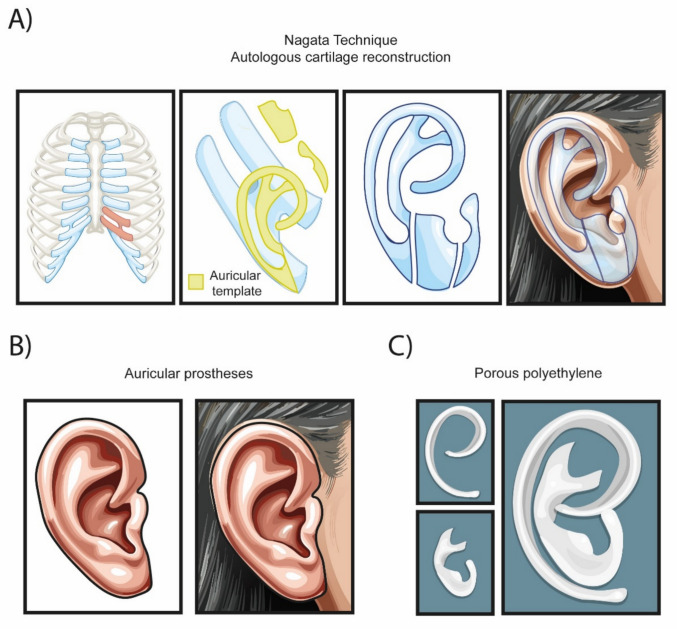 Figure 2
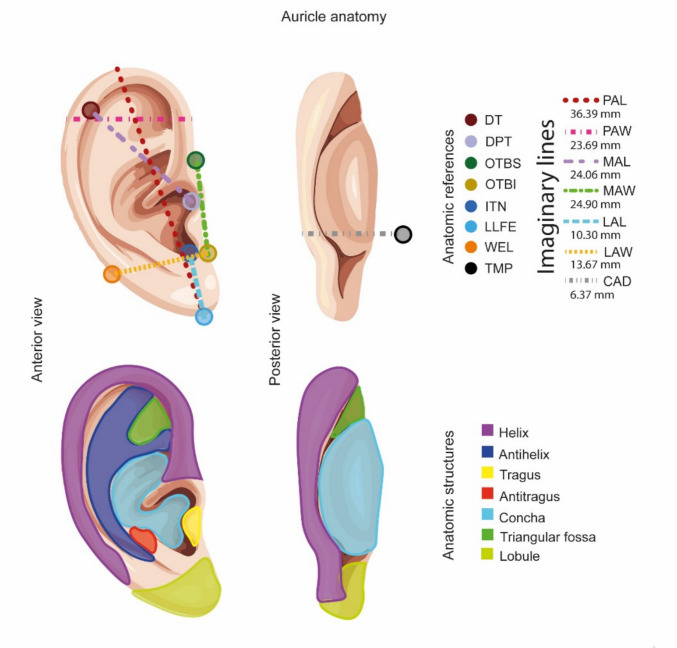 Figure 3
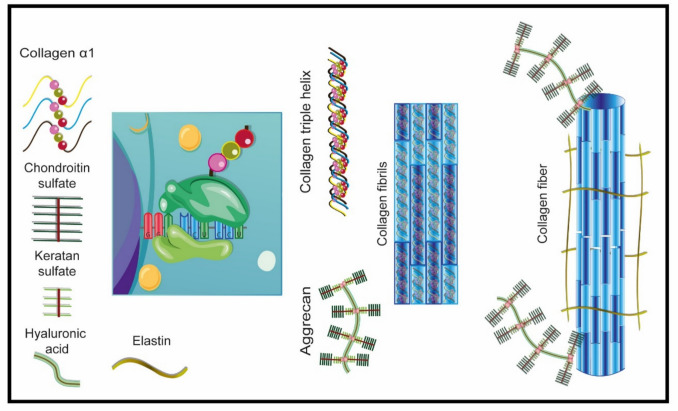 Figure 4
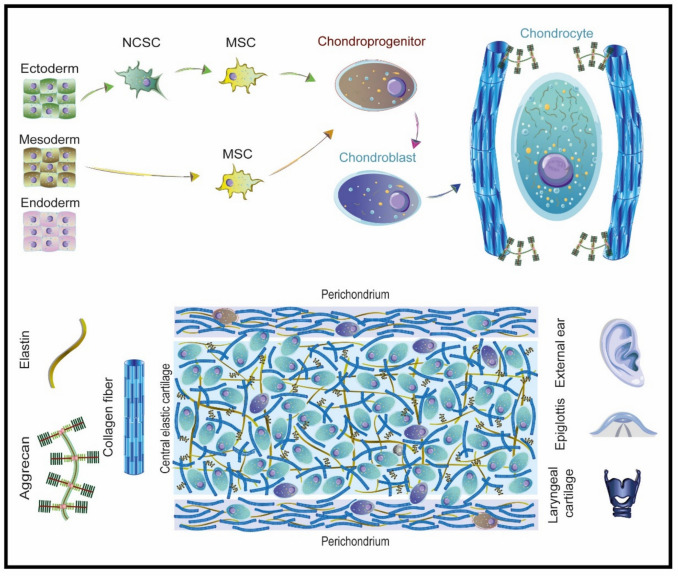 Figure 5
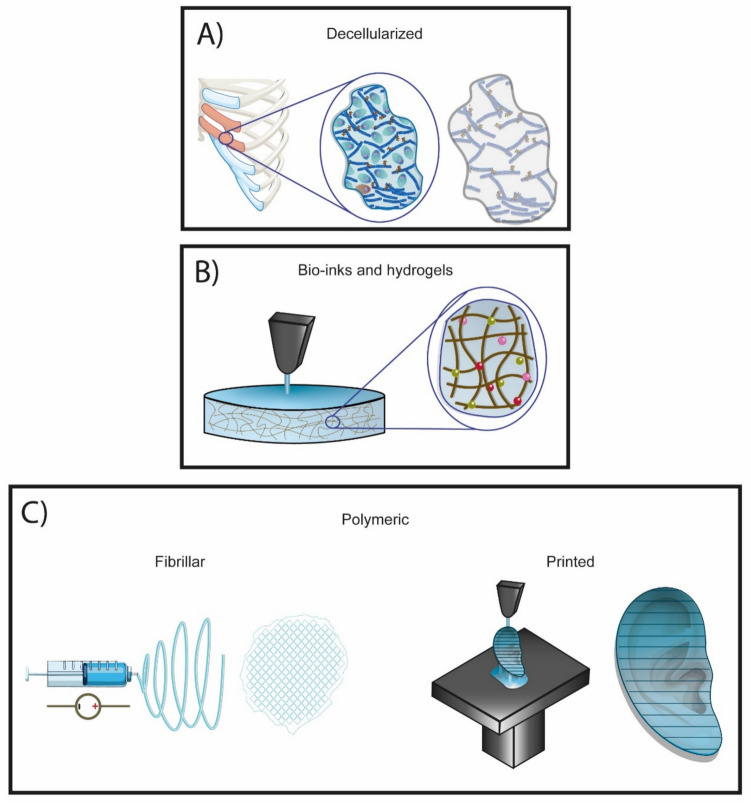 Figure 6
Peer Reviews
No public reviews on file for this paper yet. If you reviewed it on a platform where reviews are public (OpenReview, ICLR, NeurIPS, ICML), you can paste yours below so the community can read it here.
Videos
No videos yet. Explain this paper in a talk, walkthrough, or lecture? Add one.
Taxonomy
TopicsReconstructive Facial Surgery Techniques · Ocular Disorders and Treatments · Nasal Surgery and Airway Studies